
Mikael Aldo’s 366 Day Surreal Portrait Project
Indonesian photographer Mikael Aldo turned a long daily photo challenge into an apprenticeship in conceptual portraiture—surreal frames built one stubborn day at a time.
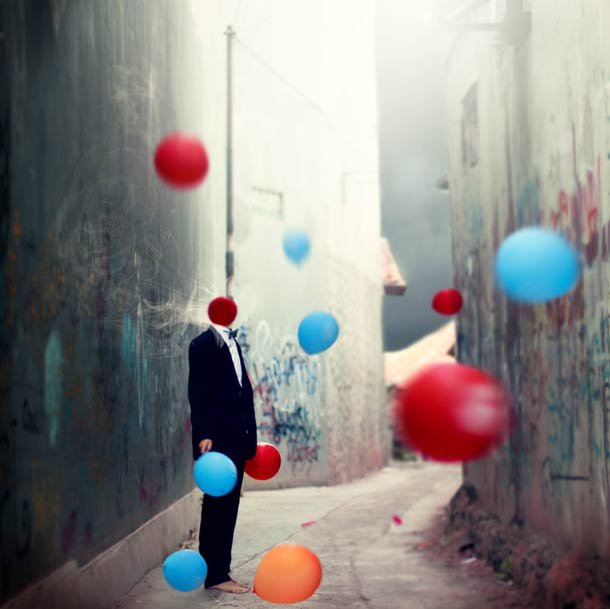
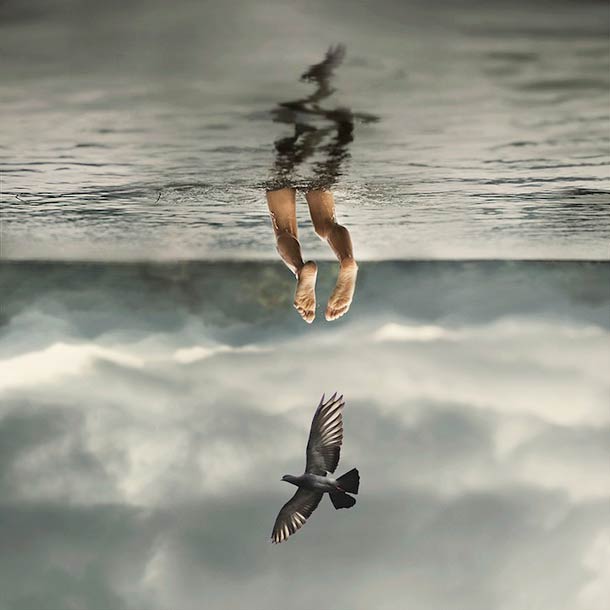
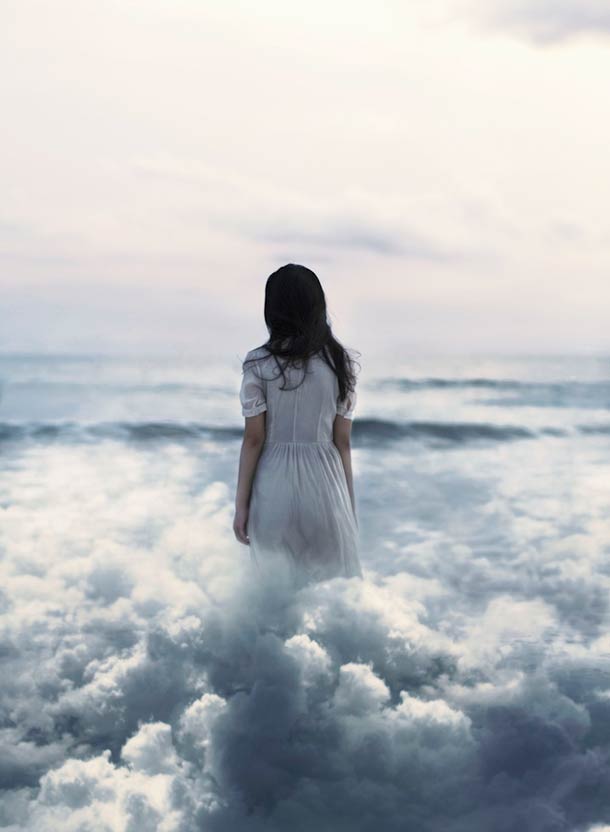
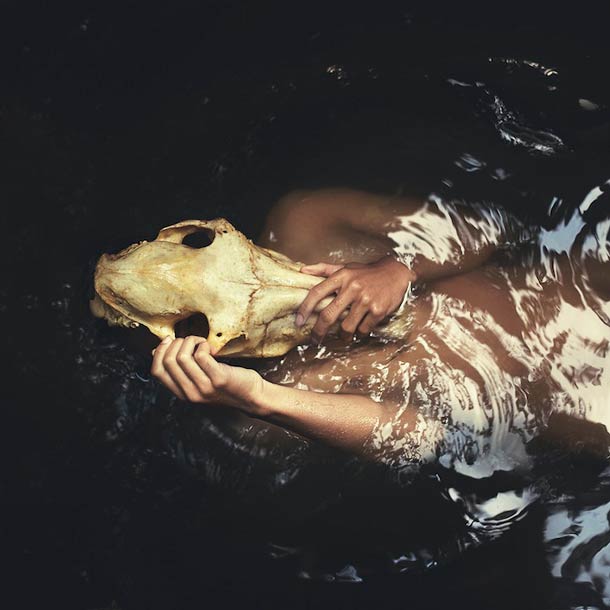
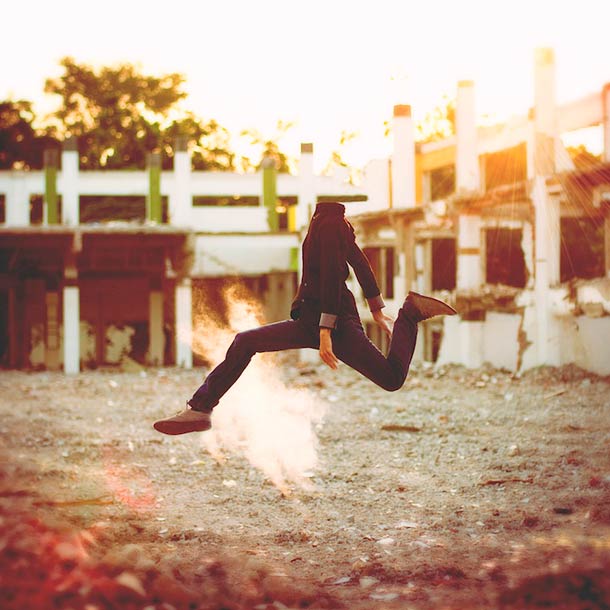
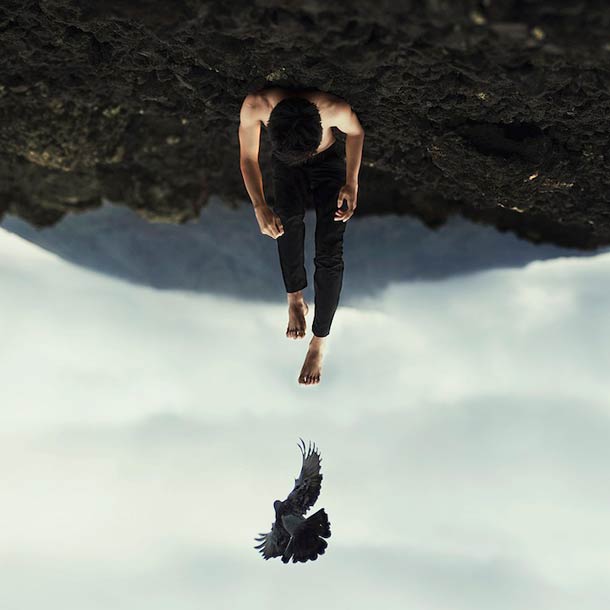
When Indonesian photographer Mikael Aldo finished his 366 Day project, the achievement was not a single masterpiece but a calendar of stubborn returns. Still a teenager when he began making pictures seriously, he treated each day as a small laboratory: one frame published, one experiment logged, one more chance to discover whether a portrait could hold a feeling instead of only a face. The gallery below comes from that stretch of work—conceptual, often dreamlike, and unmistakably the product of practice done in public.
A daily project as apprenticeship
Daily photo challenges look simple until you try to keep them honest. Ideas refuse to appear on schedule. Light fails. Models cancel. Mood collapses. Aldo’s own account of the period is candid about the friction: he began by photographing “stuffs” and experimenting, then found portraiture, then discovered that conceptual portraits were harder than they looked from the outside. Obstacles were not side notes; they were the curriculum. Completing the run—reported in contemporary coverage as lasting roughly a year and eight months rather than a tidy leap-year sprint—meant learning how to hunt for images when inspiration was late.
That duration matters. A short burst can produce a viral set of tricks. A long daily practice forces style to stabilize under pressure. You start to recognize your own habits: favorite color grades, recurring props, the same emotional weather returning in different costumes. For a young photographer in Indonesia working largely through digital tools and online sharing, the project also functioned as a portfolio that updated itself. Viewers who followed along watched growth in real time rather than meeting a finished brand.
I started to take pictures of stuffs and experimented with it, but then I started to know portrait, became interested, and I began practicing it. It’s been also rough sometimes dealing with obstacles I’ve found on this journey, especially when I got into conceptual portraits. Turns out it’s not as easy as I ever thought! But, I’m still learning.
What “conceptual” means in these frames
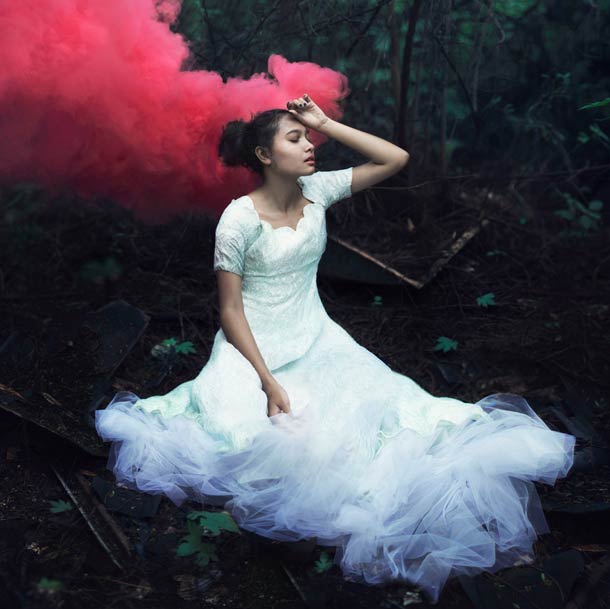
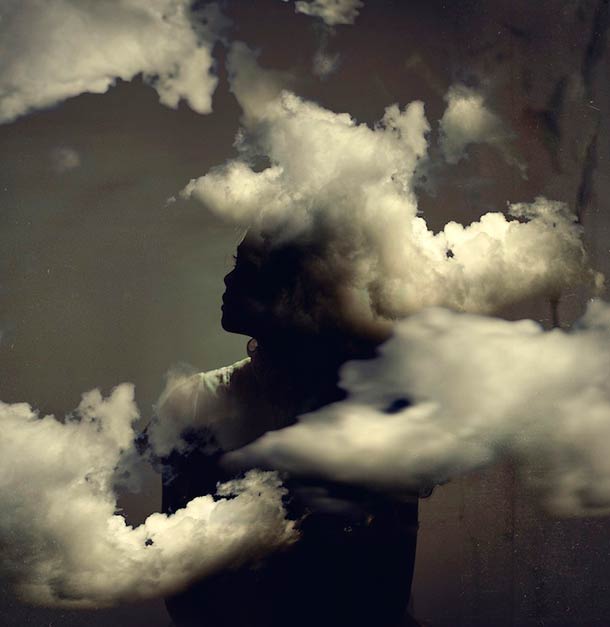
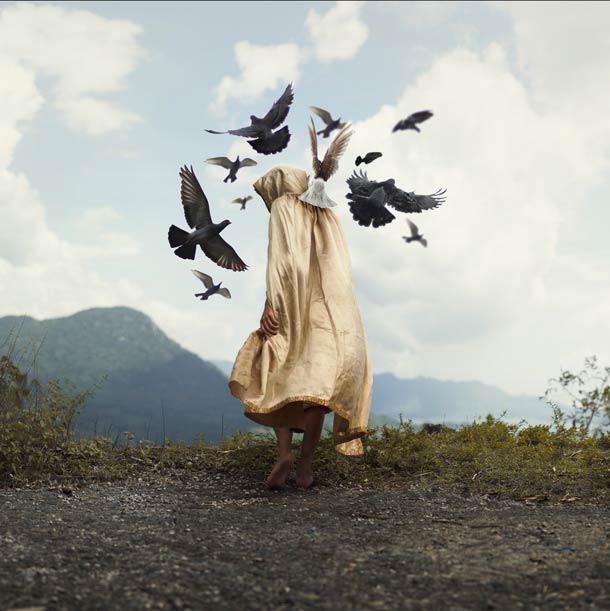
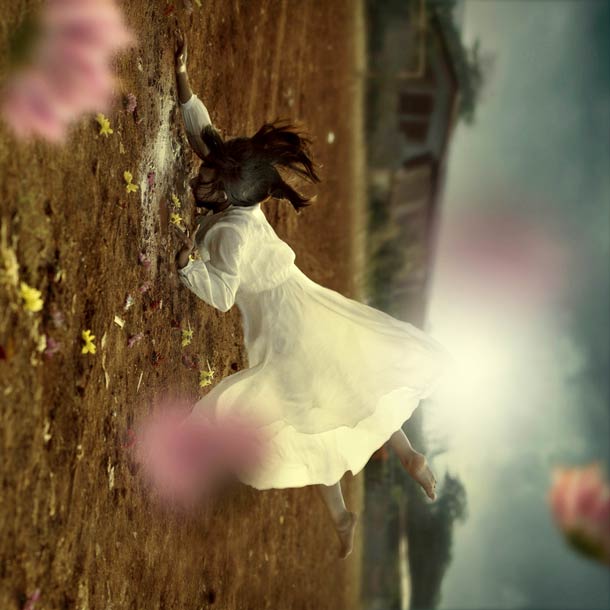
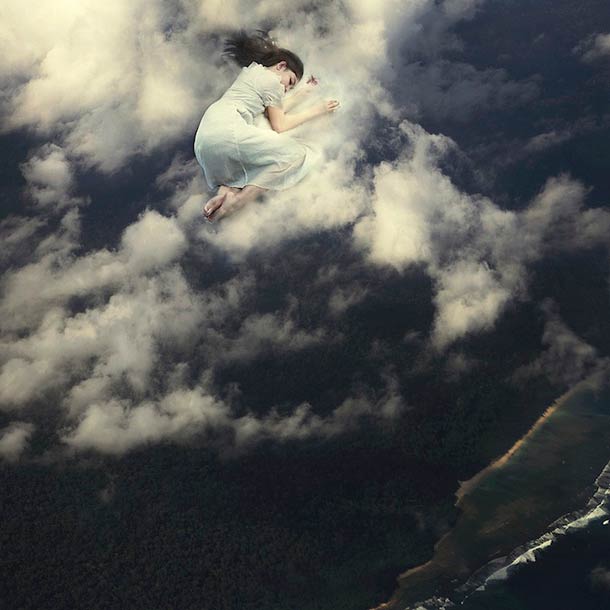
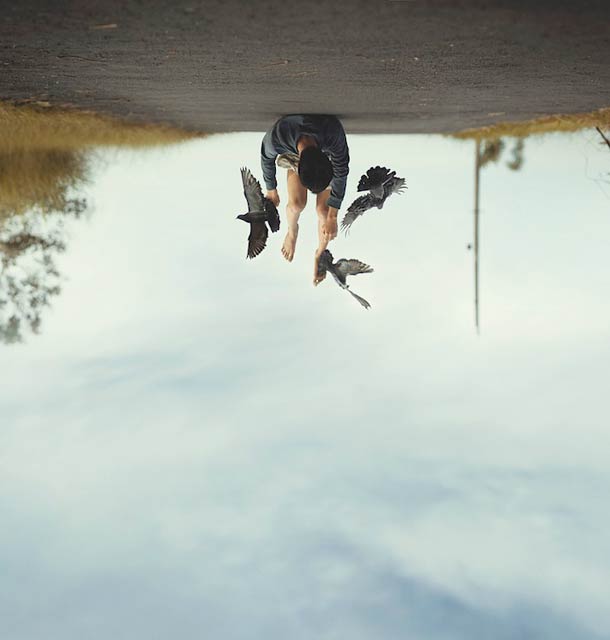
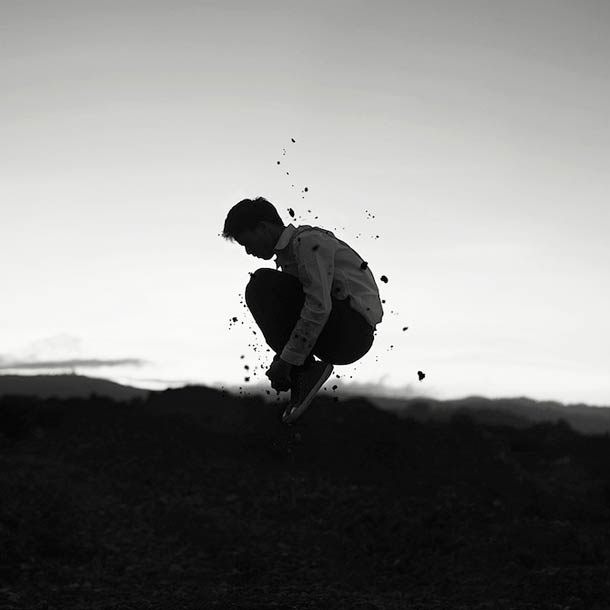
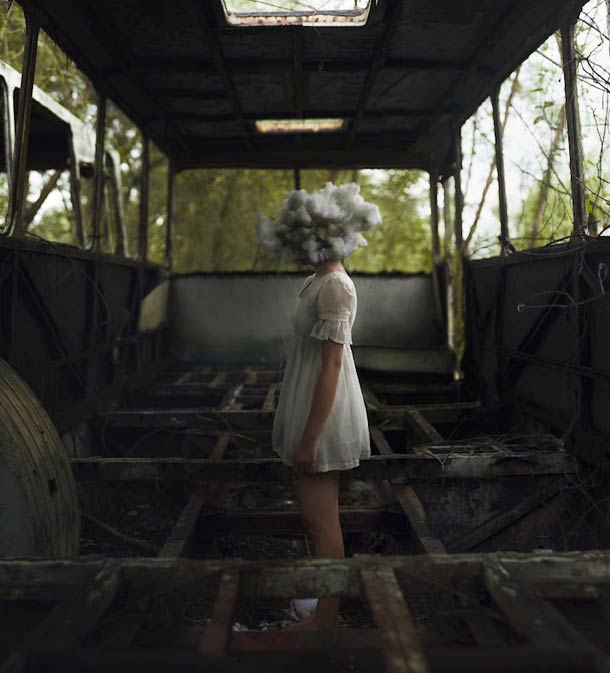
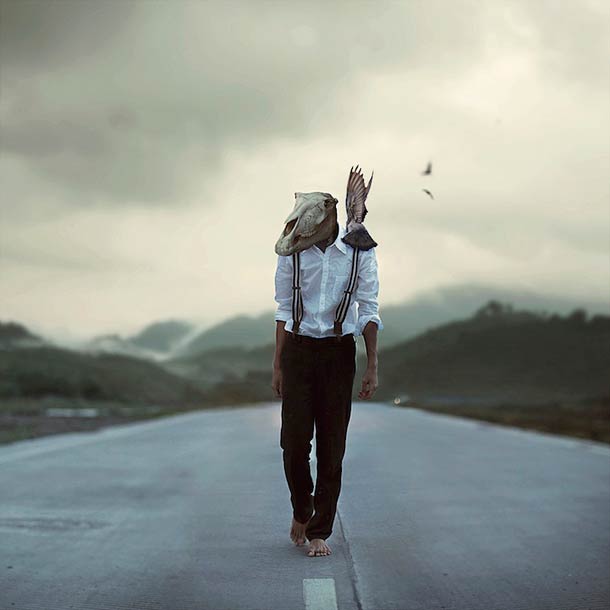
In Aldo’s early surreal portraits, concept is rarely a dense allegory that needs a footnote. It is closer to a single lucid dream detail made photographable: a figure staged against an impossible calm, a body negotiating with nature or emptiness, a gesture that feels mid-sentence. Digital manipulation is part of the toolkit, but the goal is emotional clarity rather than gadget flex. When the composite works, you stop counting layers and start reading atmosphere—solitude, wonder, a quiet unease that never quite becomes horror.
Portraiture remains the spine. Even when landscapes or effects dominate, a person usually anchors the frame. That choice keeps the work human-scaled. Surrealism here is not an escape from people; it is a way of showing how inner weather might look if it leaked into the visible world. The camera becomes a translator between private feeling and public image, which is why a daily journal structure fits so well. Each day asks: what state am I willing to make visible today?
Reading the sequence as a journal
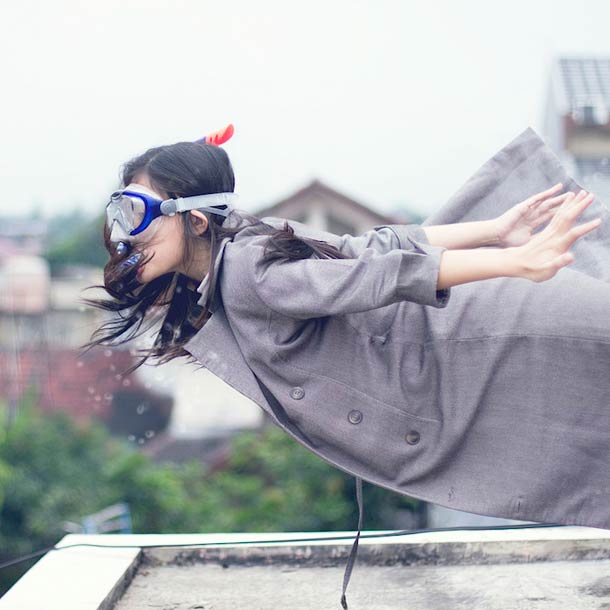
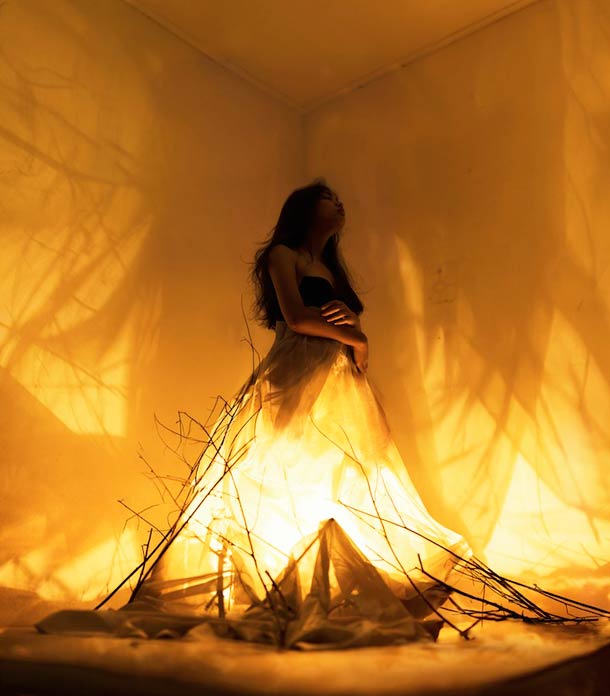
Scroll the set as if it were a diary with better production values. Notice which images lean on stillness and which lean on theatrical staging. Track how often the subject faces the camera versus turning away. Away-facing figures invite projection; direct gazes risk intimacy. Aldo’s best frames often sit between those poles—present enough to feel authored, open enough that you can borrow the mood for your own afternoon.
Also watch craft improve across variety. Some pictures are quieter studies of pose and grade; others push harder into fantastical construction. That range is a feature of daily work. Not every day can be a career-defining spectacle, and pretending otherwise produces either burnout or empty fireworks. A healthy long project accepts unevenness while protecting a recognizable voice. By the end of 366 Day, the voice is already there: cinematic stillness, careful color, and a preference for emotional charge over punchline surrealism.
Indonesia as atmosphere, not caption
Later interviews would connect Aldo’s sensibility to Indonesian landscapes—forests, volcanoes, terrains that shift from rainforest to fog to black sand on a single hike. Even when a specific mountain is not labeled in these early images, the relationship to nature as emotional partner is visible. People stand inside weather and geology as if the land were a co-author. That partnership is a quieter kind of surrealism than floating objects: the world behaves like a dream because the photographer stages the human figure as a guest inside a larger mood.
For international viewers discovering the work online around 2013, the images traveled without requiring local footnotes. Conceptual portraiture has a passport advantage. If the feeling is precise, geography becomes texture rather than barrier. Still, knowing the maker’s age and place sharpens respect for the discipline. Building a coherent surreal language while still learning basic portrait craft is a double education.
Why the project still teaches
Internet photography culture loves overnight transformations. Aldo’s 366 Day archive argues for something less glamorous and more useful: competence earned by showing up when the idea is mediocre. Conceptual work especially benefits from that ethic, because concept without craft becomes caption, and craft without concept becomes stock. The daily frame forces both to negotiate under a deadline.
There is also a psychological lesson. Publishing every day makes failure public and therefore survivable. You cannot protect a perfect self-image and keep a daily blog of experiments. That humility—heard in Aldo’s “I’m still learning”—is part of why the set feels alive rather than branded. The surreal images do not claim omniscience. They claim attention.
Try this if you start your own day-count
Pick a constraint smaller than “be surreal.” Choose one recurring element—hand gesture, window light, a single color, or a local landscape type—and let concept grow from repetition instead of from pressure to invent a new universe daily. Shoot even when the idea is thin; edit later with kindness. Keep a short written note beside each file so the journal stays a journal. And when a conceptual portrait feels impossible, shrink the ambition until the feeling fits inside one clear action. Mikael Aldo’s project proves that a surreal voice can be built the same way any craft is built: one imperfect, published day after another, until the calendar itself becomes the artwork.

Comments
Continue reading
Surreal Photography by Nikita Sergyshkin
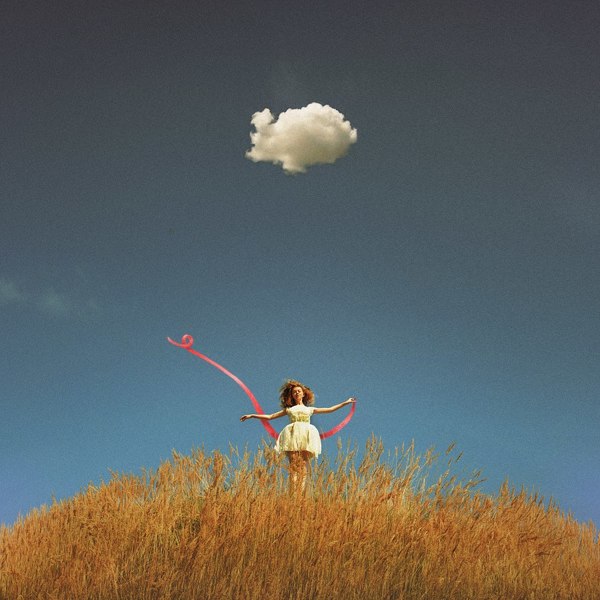
Belarusian photographer Nikita Sergyshkin stages dream-logic portraits—fashion-adjacent light, controlled estrangement, and surreal mood without collage monsters.
Surreal Worlds by Nois7: Robert Jahns’s Dream Composites
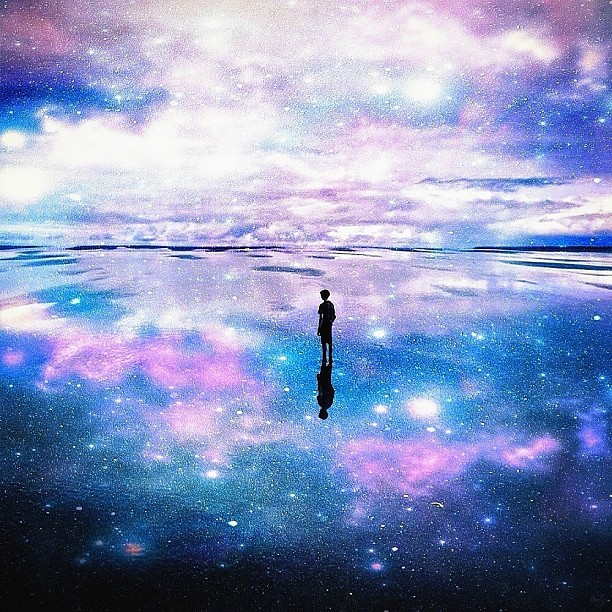
Hamburg artist Robert Jahns—known as Nois7—builds travel photographs into seamless surreal scenes. A look at the mood, craft, and Instagram-era gallery that made his work famous.
Oleg Oprisco’s Surreal Film Photography on Kiev 6C and Kiev 88 Cameras
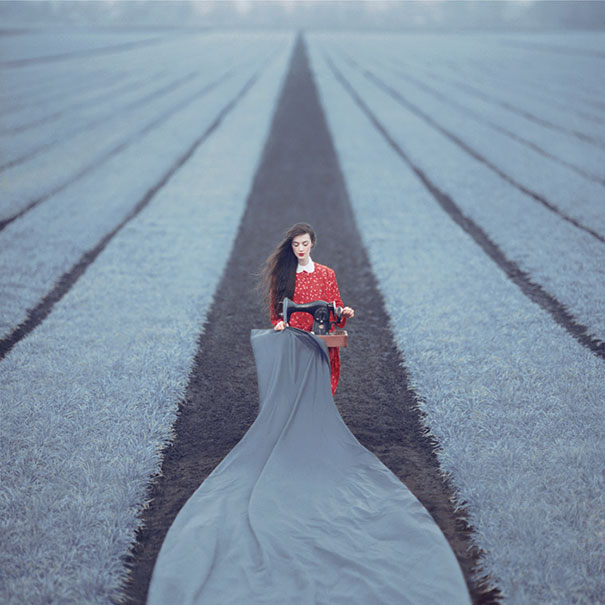
Kyiv photographer Oleg Oprisco builds dreamlike conceptual scenes on older Kiev medium-format film cameras—soft color, quiet staging, and surreal mood without the rush of digital spray-and-pray.