
Surreal Photography by Nikita Sergyshkin
Belarusian photographer Nikita Sergyshkin stages dream-logic portraits—fashion-adjacent light, controlled estrangement, and surreal mood without collage monsters.
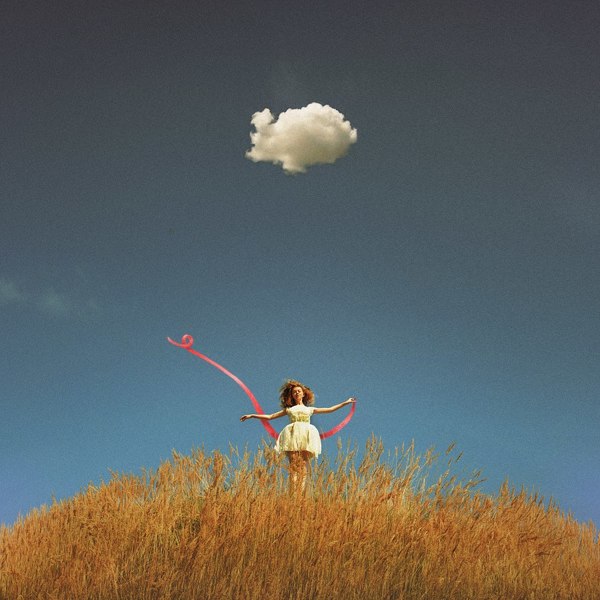
Nikita Sergyshkin’s photographs do not ask you to believe in a seamless alternate world. They ask you to stay inside a mood that keeps slipping—portrait light that behaves like memory, bodies and objects staged as if a dream had better production design than usual, color that feels decided rather than found. Working from Belarus in the early 2010s (with later design practice taking him toward Warsaw), Sergyshkin built a body of stills that fashion blogs and photo magazines filed under surreal, even when the camera work also served stylists and personal portrait projects.
The set gathered here is not a single titled manifesto so much as a cluster of dream logic frames: faces cropped by shadow, interiors that refuse ordinary gravity, props that act like punctuation. Where some surreal photography leans on obvious digital monsters, Sergyshkin often stays closer to cinema stills and painted light—enough strangeness to unsettle, enough skin texture and fabric weight to keep the pictures photographic.
Belarus studio years, fashion edges
Coverage from the period notes portrait work made across roughly 2012–2013 as both personal experimentation and collaboration with fashion designers and stylists. That double brief matters. Editorial clothing wants clarity; personal surrealism wants ambiguity. Sergyshkin’s stronger frames hold both: you can read a garment and still feel the room tilt. Makeup, wardrobe, and set pieces become instruments for atmosphere instead of catalogue facts.
Minsk’s creative scene in those years—design studios, fashion tests, Behance-native portfolios—rewarded images that traveled well as JPEGs. Sergyshkin’s work understands that constraint without becoming flat. Contrast is tuned for screens; mystery is reserved for staging and crop. The photographs still feel physical: fabric weight, skin, the density of a painted wall. Digital polish serves the mood rather than replacing the set.
His wider practice later spans graphic design, type experiments, and painting-adjacent portrait techniques shared on Behance—useful context even when you are only looking at still photography. The same eye that cares about graphic silhouette shows up in how a head is placed against negative space, or how a single saturated object anchors an otherwise cool scene.
What “surreal” means in these frames
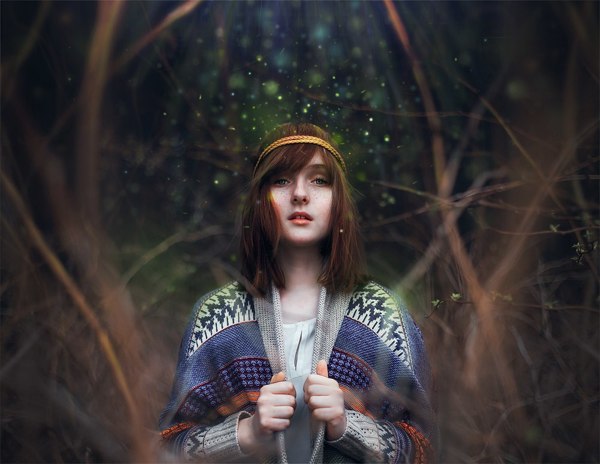
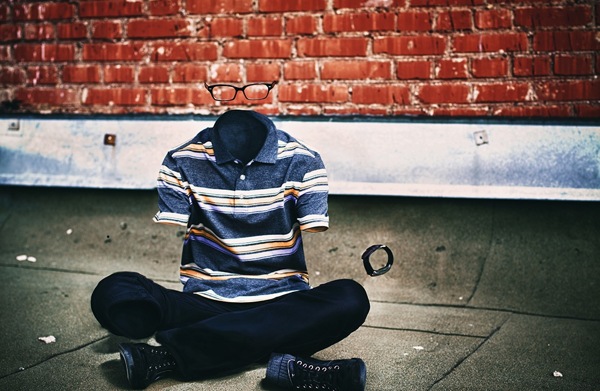
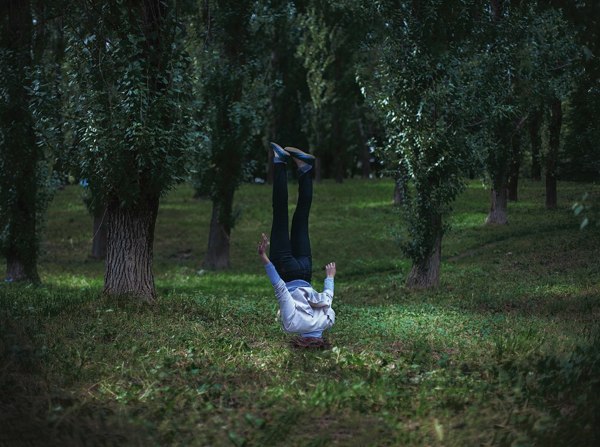
Call the work surreal if you need a shelf label, but watch what the label is doing. This is not collage chaos. It is controlled estrangement. A pose lasts a beat too long. A prop is too clean for the story it implies. Light falls like a spotlight in a play you have not been given a program for. The photographs stay mostly inhabited by people—or by the traces of people—so the uncanny comes from behavior and staging more than from invented creatures.
That choice keeps the images in conversation with portraiture. You look for character. You get character plus a second, quieter claim: that identity itself can be staged, edited, and lit until it feels like a rumor. Fashion collaboration makes that claim sharper. Clothing already performs identity; Sergyshkin’s lighting and crop finish the performance into something slightly untrustworthy in the best way.
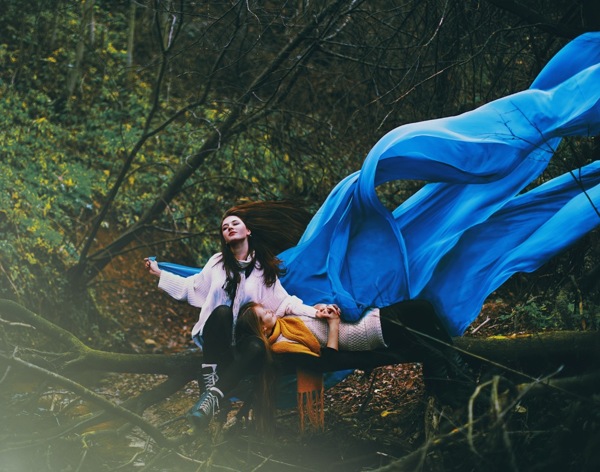
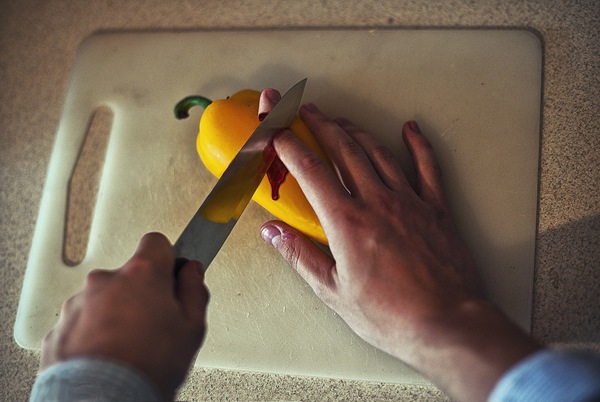
Color is rarely accidental here. A single warm prop against cool skin, or a gelled wash across a room, can tip a straight portrait into dream territory without a single floating object. When props do appear, they behave like punctuation—period, ellipsis, question mark—not like a crowded surrealist yard sale. Restraint is the style’s backbone.
How to read the set
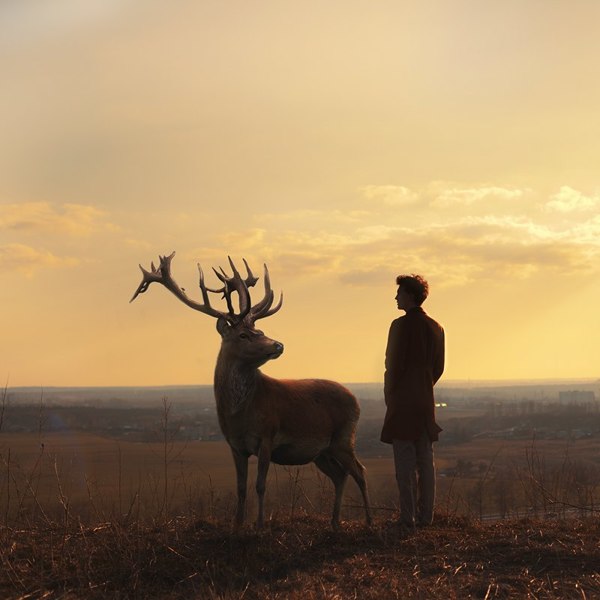
Move slowly. First pass: inventory the ordinary—skin, cloth, furniture, wall. Second pass: find the decision that breaks ordinary rules—crop, color cast, impossible calm, a prop that refuses explanation. Third pass: decide whether the break feels psychological (a state of mind made visible) or theatrical (a set built for one shot). Many of Sergyshkin’s frames sit between those poles, which is why they reward a second look after you think you have “gotten” them.
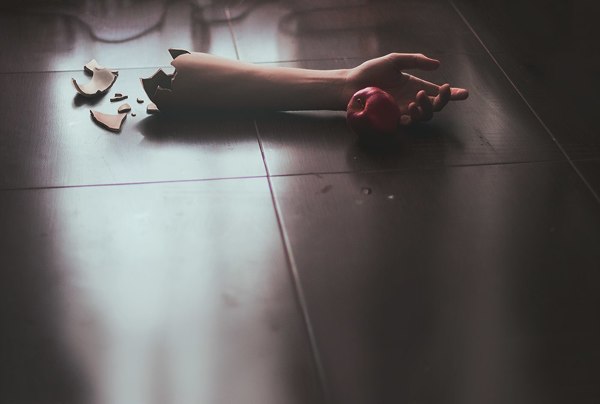
Pay attention to verticals and tight crops. Several images here use height and compression the way a poster does, pushing the subject toward graphic emblem. Others breathe wider and let emptiness do the unsettling. Emptiness is easy to underrate in surreal photography; it is often where the dream happens.
Compare adjacent frames the way you would compare songs on an EP. Some favor graphic punch; some favor lingering unease. The through-line is authorship of light and pose, not a recurring mascot. That variety is why a long scroll still feels like one sensibility instead of a template with swapped outfits.
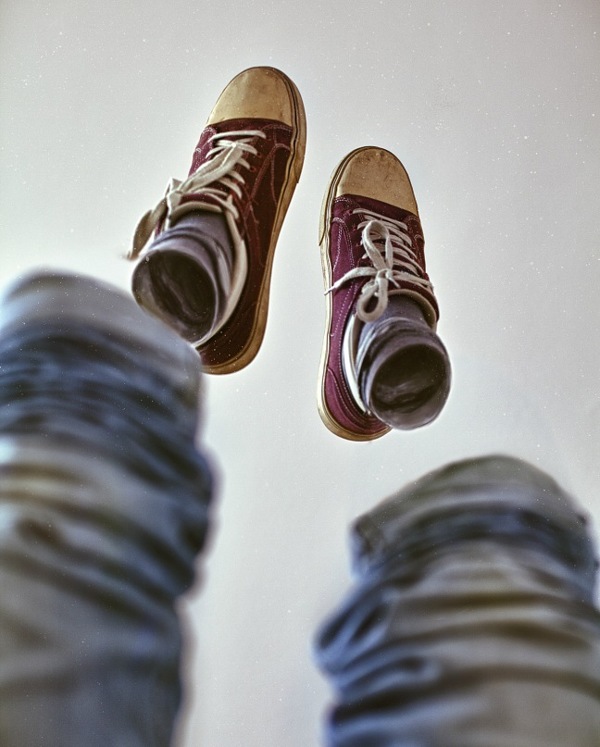
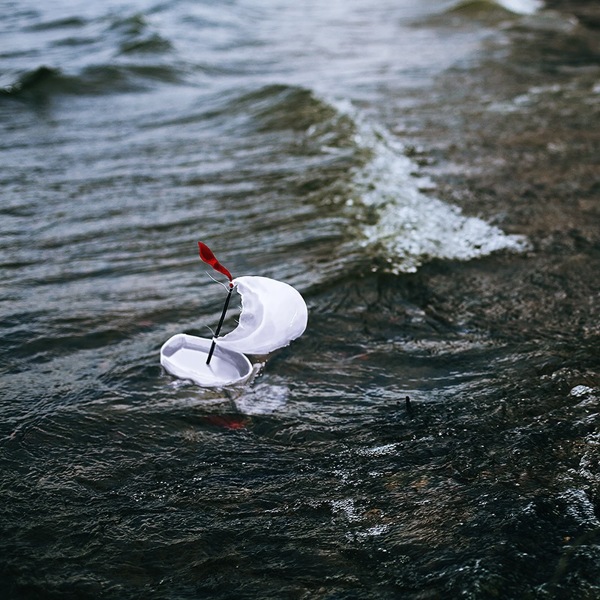
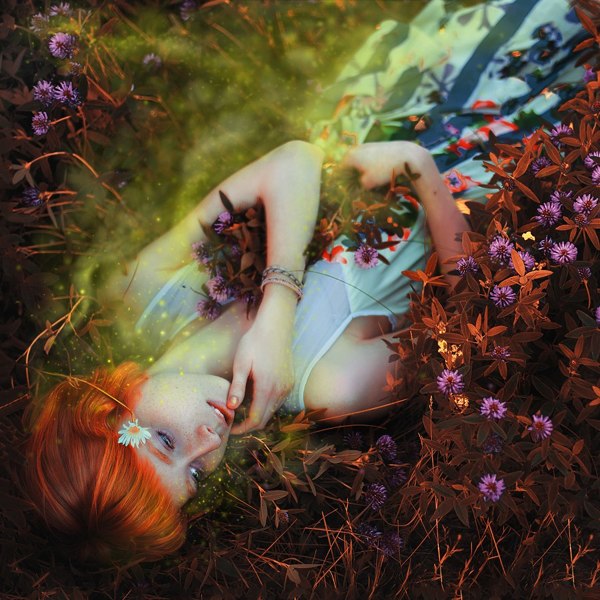
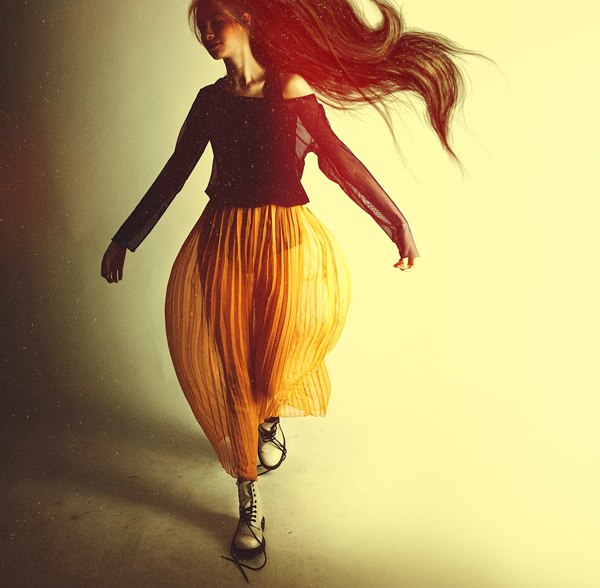
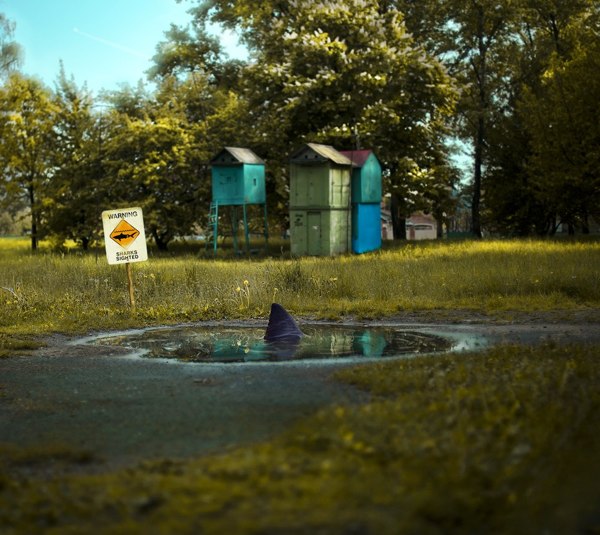
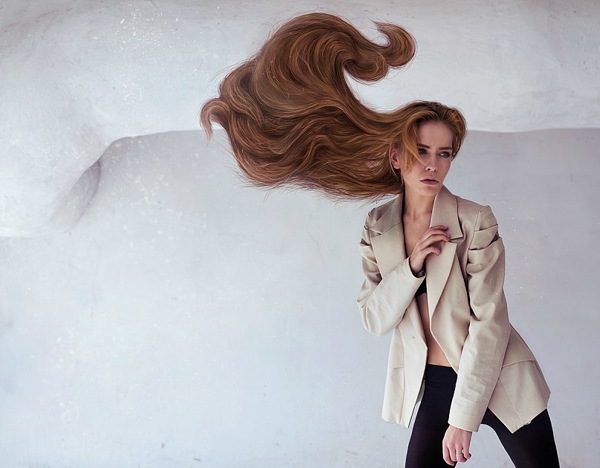
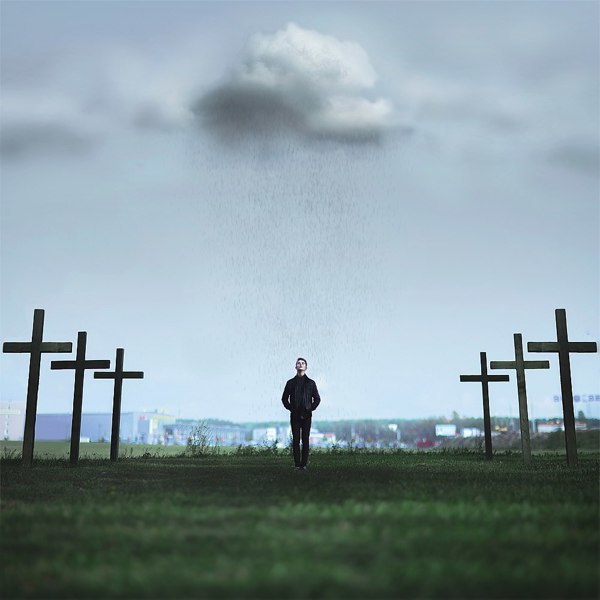
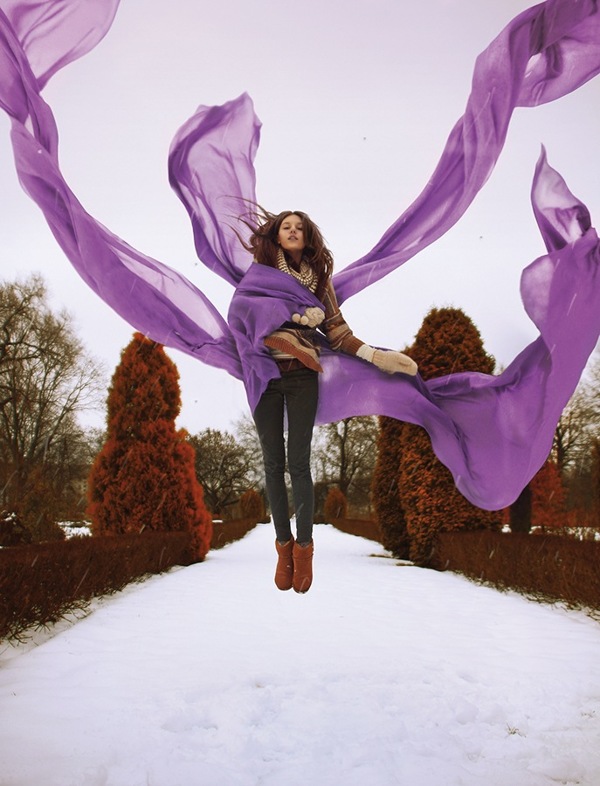
Photography first, fantasy second
It helps to separate Sergyshkin’s lane from mixed-media surrealism that pastes paint onto photos, and from landscape composites that drop icons into mountains. His wager is different: keep the camera’s contract mostly intact, then bend psychology, styling, and light until the ordinary world feels misfiled. The result can look quieter than maximal surrealism and stranger than straight fashion—an in-between that aged well as feeds filled with louder tricks.
That distinction is practical for viewers sorting a surreal bookmark folder. If the thrill depends on a second medium announcing itself, you are elsewhere. If the thrill depends on a cape against a cliff, you are elsewhere again. Sergyshkin’s folder tab is staged photography that dreams without leaving the studio’s grammar: lights, poses, crops, and the occasional prop that refuses to narrate itself politely.
If you make pictures, steal the discipline more than the props. Decide one rule to break per frame. Protect skin texture when you grade color. Let empty space stay empty. Collaborate with stylists when you need wardrobe to carry narrative weight you do not want to fake in post.
Viewers who arrive from louder surreal feeds may need a minute to recalibrate. Give the set that minute. The reward is a quieter uncanny—one that stays attached to faces and rooms you almost recognize, then refuse to summarize in a single caption.
Leave the gallery with one frame stuck behind your eyes—not the loudest, the one that still will not explain itself. That residue is Sergyshkin’s real product: a photographic aftertaste where portraiture keeps its manners while reality quietly fails to confirm the story you thought you were being told.

Comments
Continue reading
Surreal Worlds by Nois7: Robert Jahns’s Dream Composites
Hamburg artist Robert Jahns—known as Nois7—builds travel photographs into seamless surreal scenes. A look at the mood, craft, and Instagram-era gallery that made his work famous.
Oleg Oprisco’s Surreal Film Photography on Kiev 6C and Kiev 88 Cameras
Kyiv photographer Oleg Oprisco builds dreamlike conceptual scenes on older Kiev medium-format film cameras—soft color, quiet staging, and surreal mood without the rush of digital spray-and-pray.
Photo Manipulations by Caras Ionut: Whimsical Surreal Composites
Romanian artist Caras Ionut blends his own photographs into dreamlike Photoshop manipulations—whimsical surreal scenes taught through tutorials as carefully as they are shown.