
Surreal Worlds by Nois7: Robert Jahns’s Dream Composites
Hamburg artist Robert Jahns—known as Nois7—builds travel photographs into seamless surreal scenes. A look at the mood, craft, and Instagram-era gallery that made his work famous.
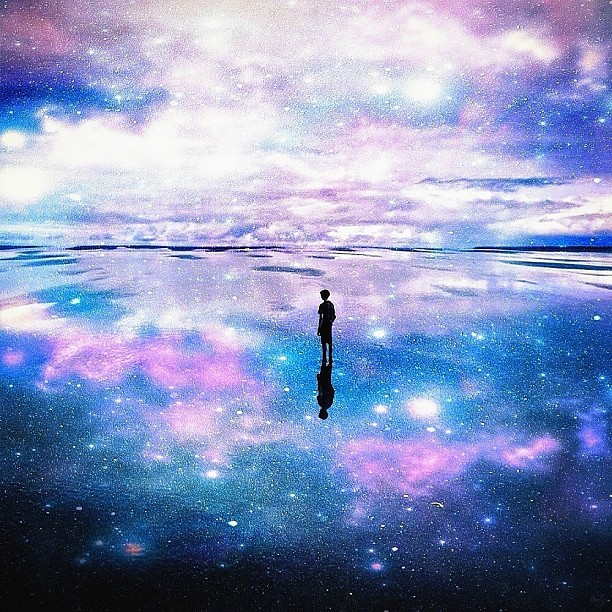
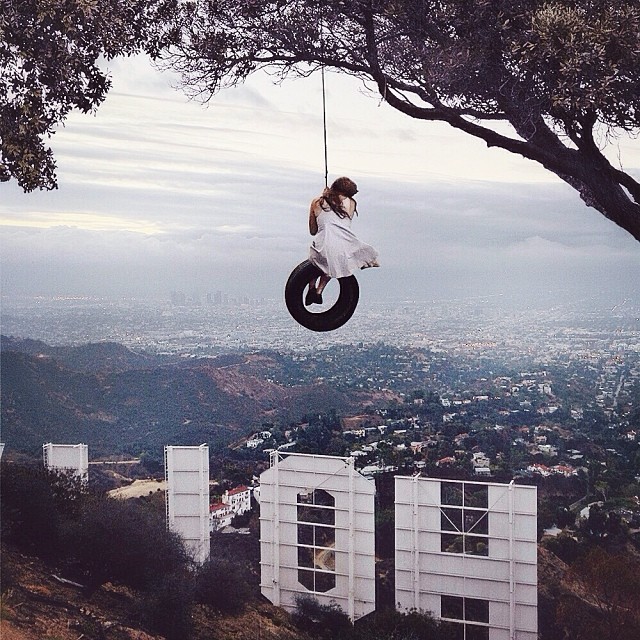
In the early 2010s, Instagram turned a handful of image-makers into household names for people who never opened a gallery door. Among them was Nois7—the working name of Hamburg-based photographer and digital artist Robert Jahns—whose feeds mixed travel photographs with seamless surreal composites. The pictures looked almost real until a second glance caught the impossible: a figure walking a glowing sky road, a storm that behaved like theater, a landmark rewritten as dream furniture.
This gallery gathers a run of those scenes from the period when Nois7’s style was already unmistakable. Captions often rode alongside the images as short motivational lines—part diary, part slogan—but the craft is visual first. What holds attention is not a quote; it is the believable light, the clean seams, and the feeling that a parallel world has briefly borrowed our physics.
Who Nois7 is
Robert Jahns works as photographer, art director, and digital compositor under the Nois7 handle. Hamburg is home base; the archive is global. He has long treated travel as raw material: coastlines, cities, deserts, and forests shot in the field, then rebuilt in the studio until fantasy and documentary share one exposure. Collaborations with other Instagram photographers expanded the stock of source frames, but the finished signature stayed his—optimistic surrealism with cinematic skies and a preference for wonder over horror.
By the mid-2010s his audience had grown into the hundreds of thousands; later tallies pushed far past a million. Rankings and influencer awards followed, yet the useful question for viewers remains technical and emotional: how does a composite convince you to feel something before you start hunting for the cut line?
Walking the sky and facing the sea
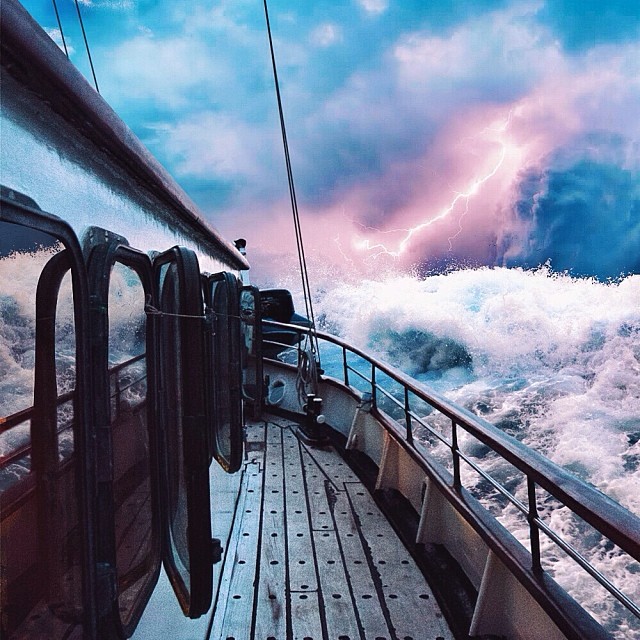
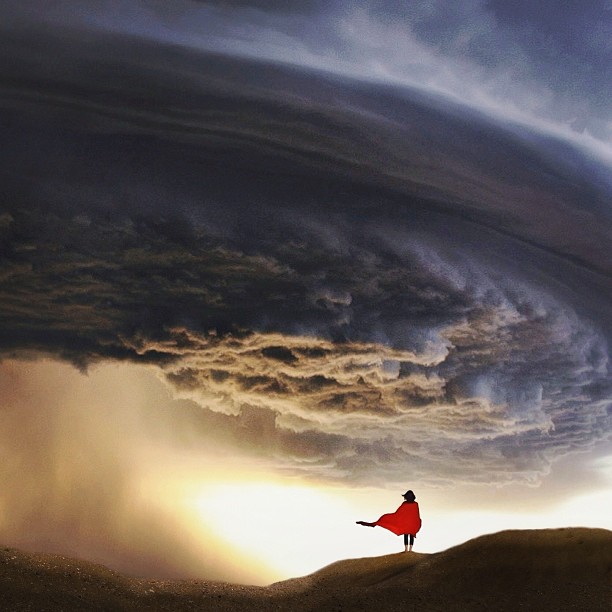
One of the clearest Nois7 motifs is the human figure placed inside cosmic weather. A person appears to walk a bright path through the Milky Way as if the galaxy were a country road. The trick is scale and continuity: stars behave like pavement, and the body is small enough that the sky becomes architecture. Another frame turns toward storm and water—closed eyes, rising stance, a sea that seems to whistle through the world. Both images sell motion and sound without needing a video clip. They also show why Jahns’s work traveled so well on phones: the subject reads at thumbnail size, then rewards a larger view with atmosphere.
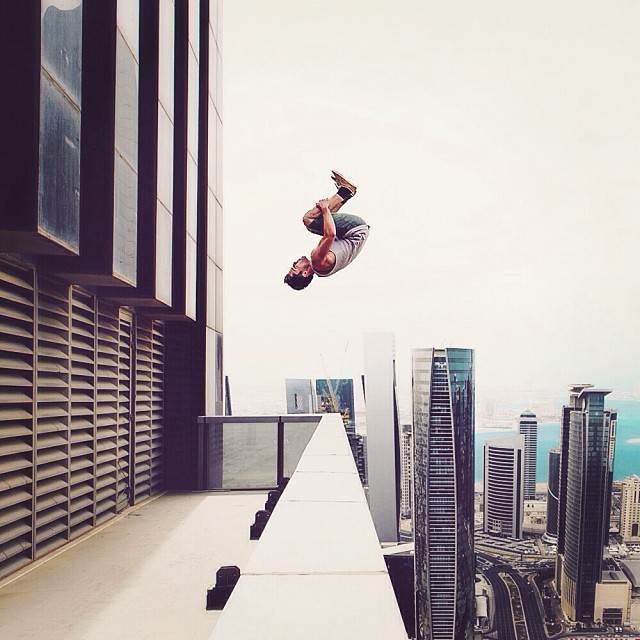
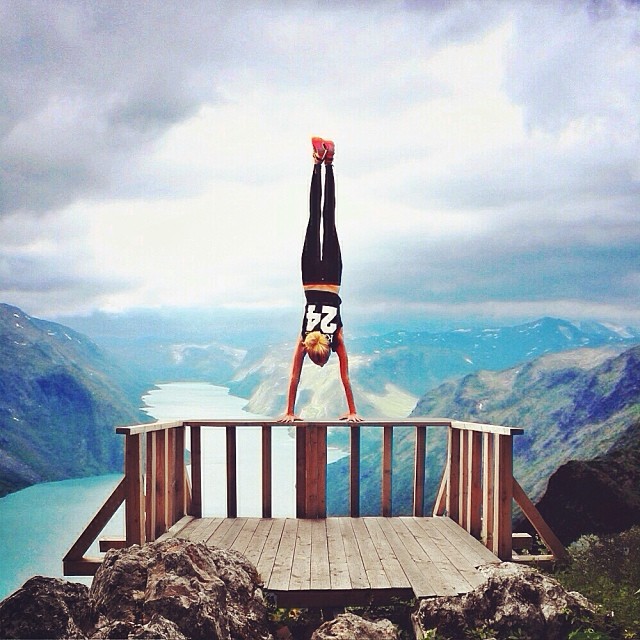
Passion and risk show up as visual verbs rather than lectures. A climber, a leap, a silhouette against impossible weather—these are the kinds of pictures that made followers hit save. The accompanying lines (“take your passion,” “drop every fear”) were of their platform era, but the photographs still work when the text is ignored. Strength, in the pictures, looks like imbalance held for one breath longer than comfort allows.
Commitment, fall, and quiet places
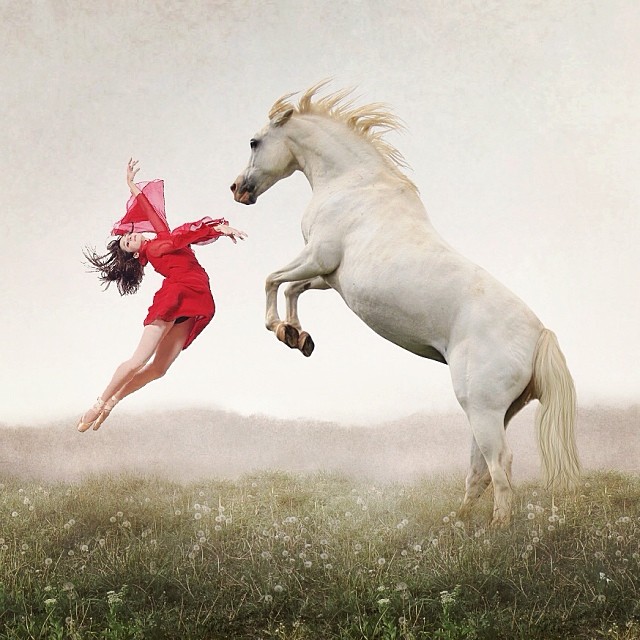
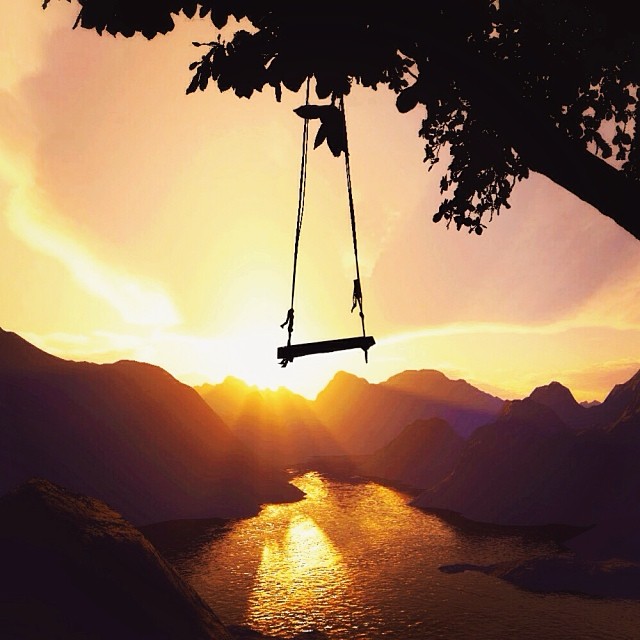
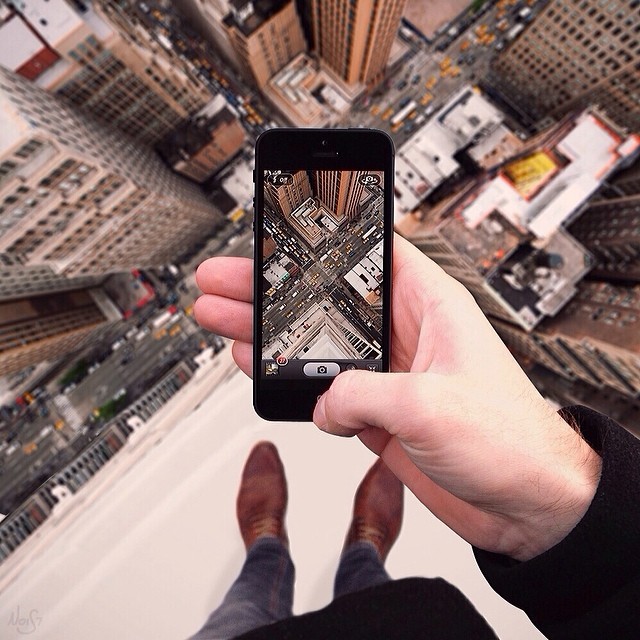
Surreal travel photography often fails when it becomes pure spectacle. Jahns’s stronger frames keep a decision inside the composition: stay committed, stay flexible; fall before you fly; find a place clean enough for the mind to reset. Those ideas land because the environments feel specific—rocks, mist, cliffs, solitude—not generic stock “inspire me” backgrounds. A flexible approach in editing means the same mountain trip can yield a documentary sunset and, later, a dream version with altered gravity. The two are related, not enemies.
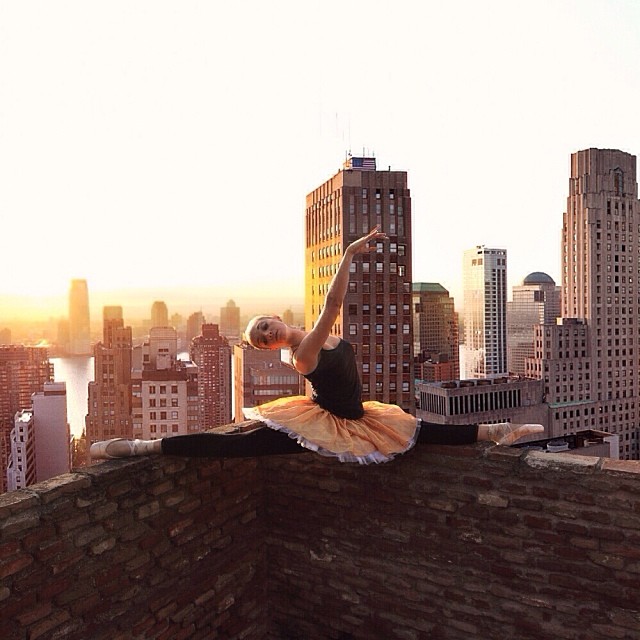
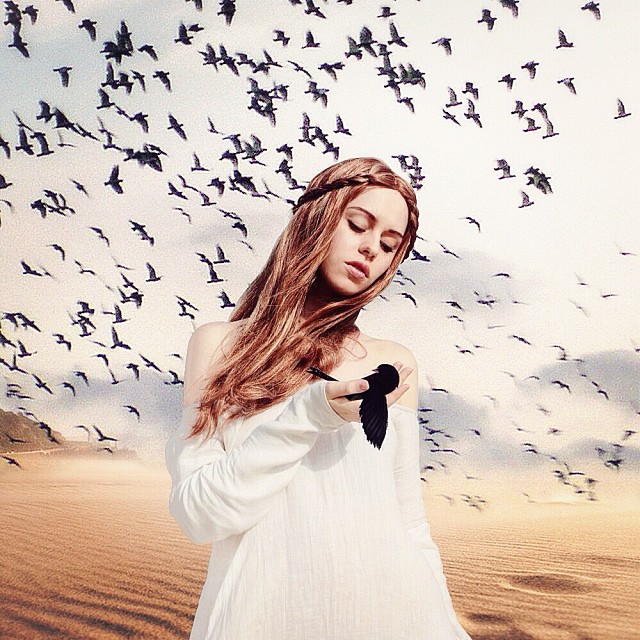
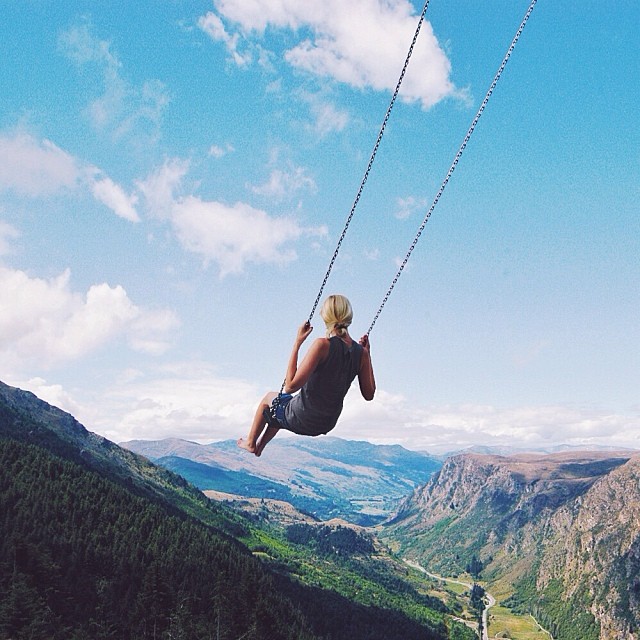
Cities, clichés, and wonder
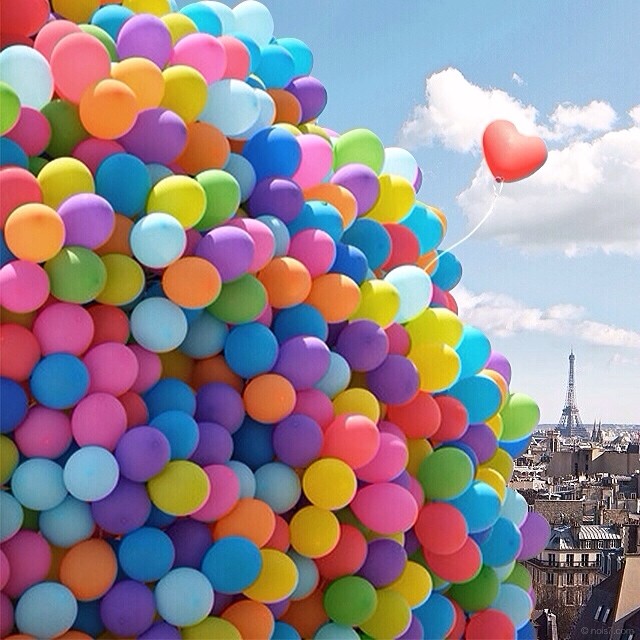
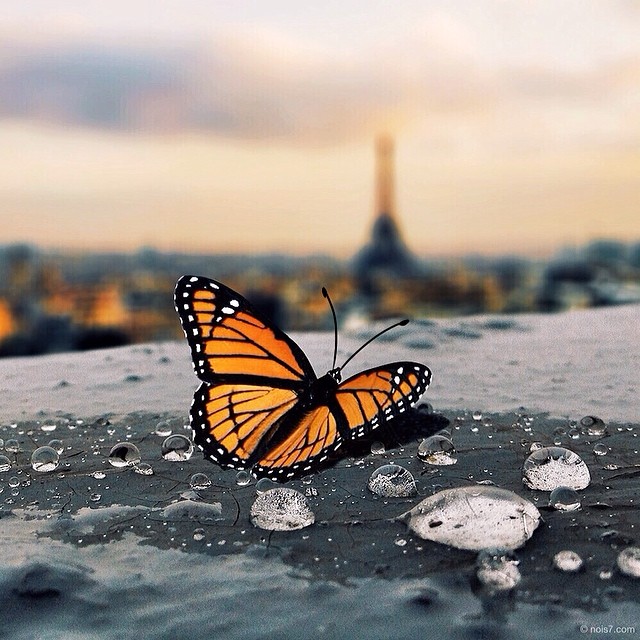
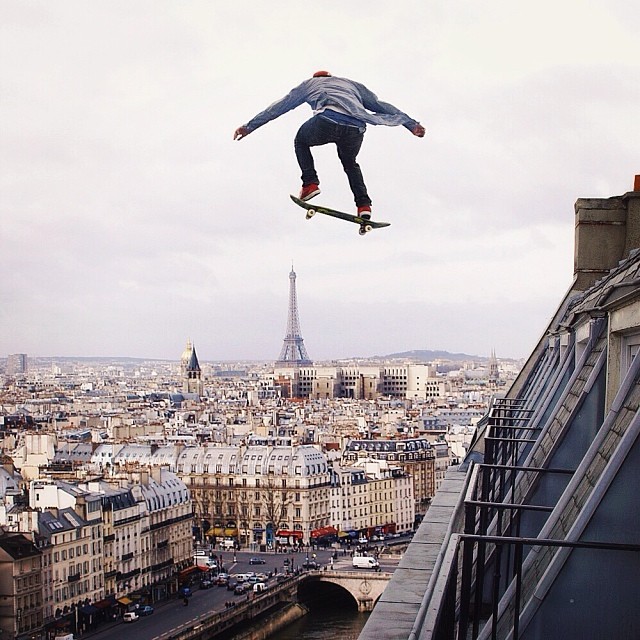
Paris appears because clichés exist for a reason: the city’s silhouette is already half a dream. Nois7’s treatment does not pretend the Eiffel Tower is unknown; it asks whether familiarity can still surprise. Elsewhere, wonder is the stated theme—never lose it—paired with images that treat childhood curiosity as an adult skill. Dream time and real time share a joke in these captions: the hours will pass whether you chase the project or not, so the dream might as well get a schedule.
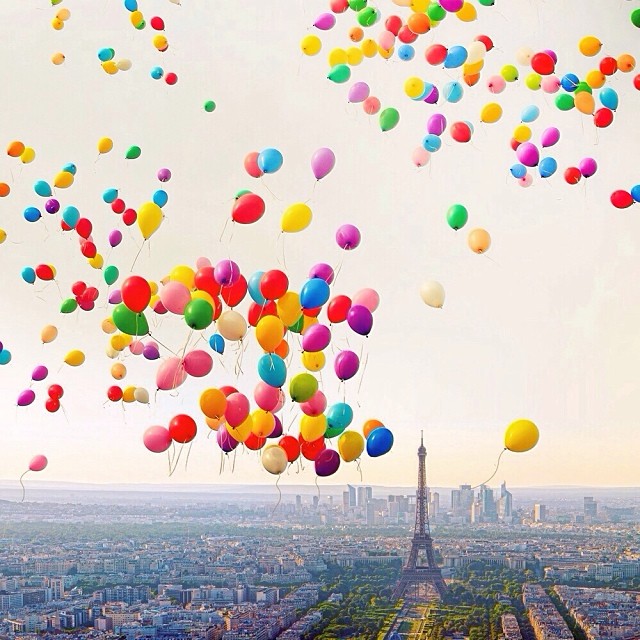
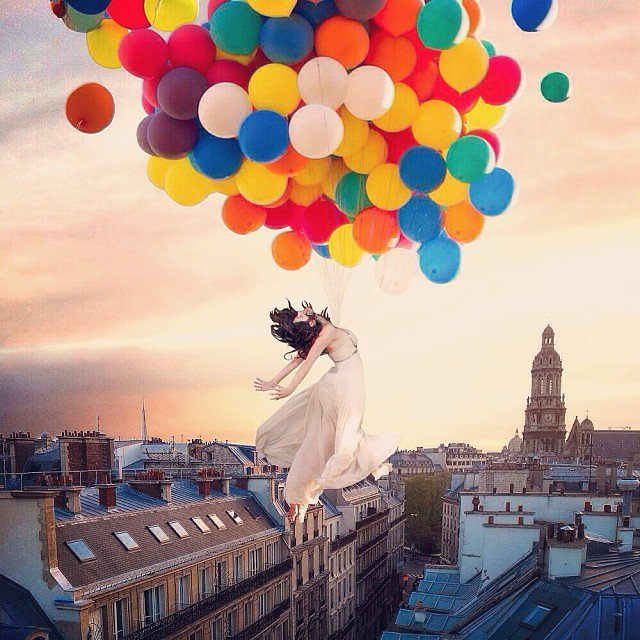
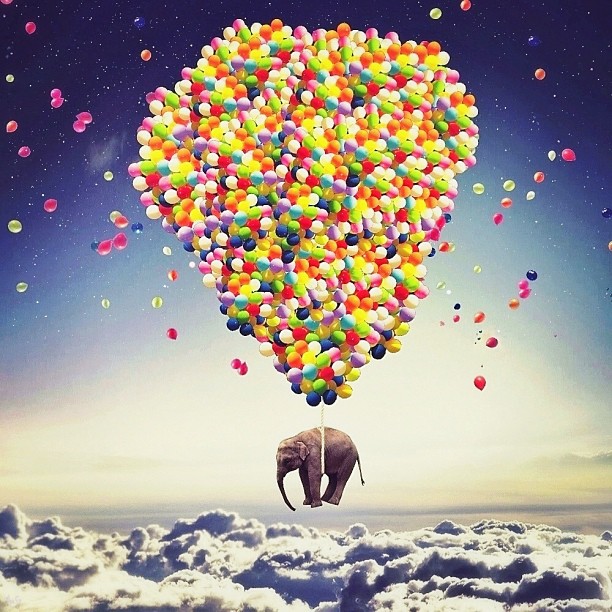
A world that is “entirely our own” is a useful description of digital collage when it is done with care. The artist owns the weather, the animals that appear where they should not, the lights that wrap trees like jewelry. Imagination is not decoration on top of a photo; it is the reason the photo exists in this form. Without that step, nothing of this particular vocabulary happens at all.
Storms, curiosity, and colored skies
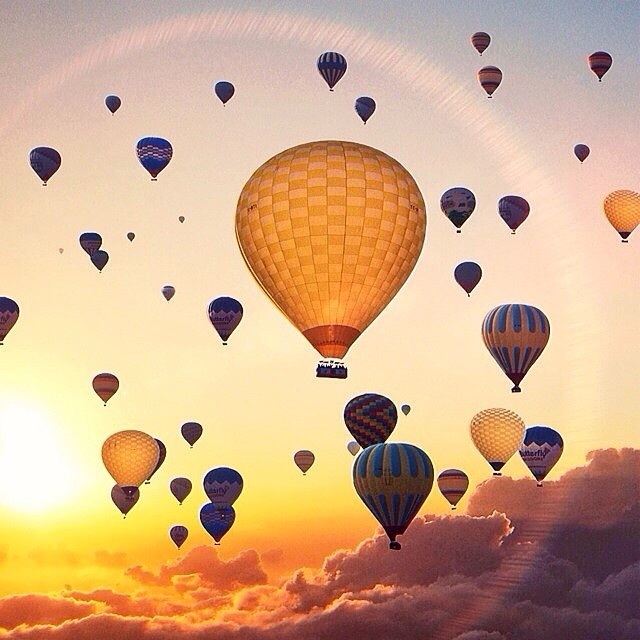
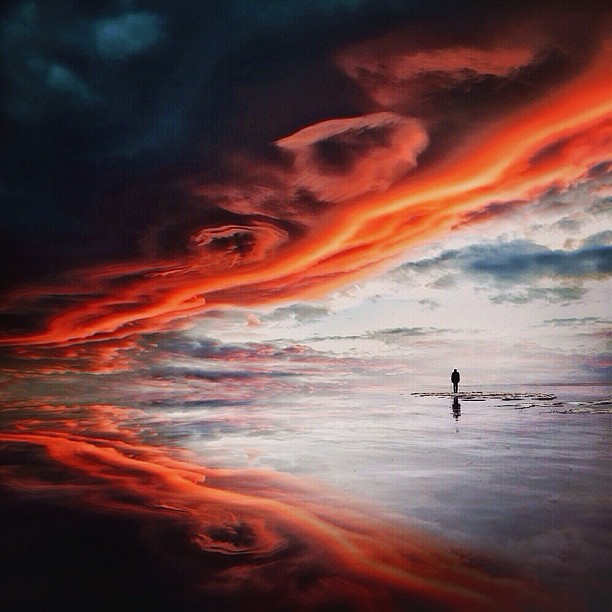
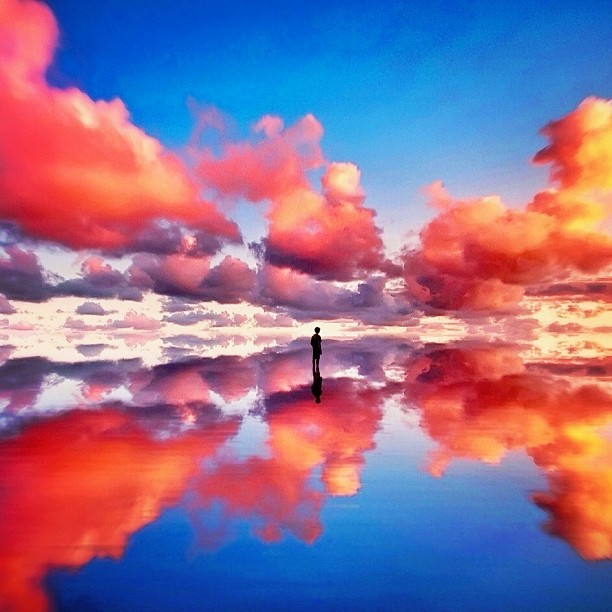
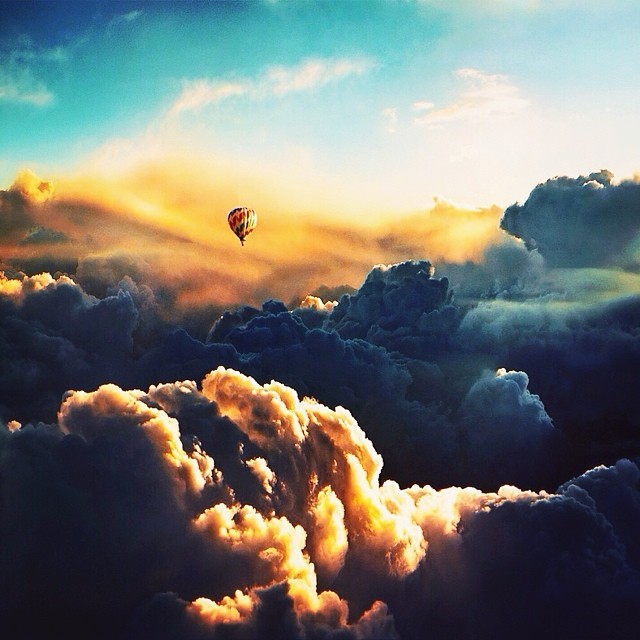
Path and destination are easy to confuse when a composite looks stormy. Jahns often keeps both ideas in one frame: hard weather in the foreground, a promise of clearer light further out. Curiosity becomes the engine—clouds that no longer only threaten rain but tint a sunset. The mind-as-everything line that closes several of these pieces is almost too on-the-nose for a surrealist, yet it fits the method. What you think, you build; what you build, viewers briefly inhabit.
How the images are made
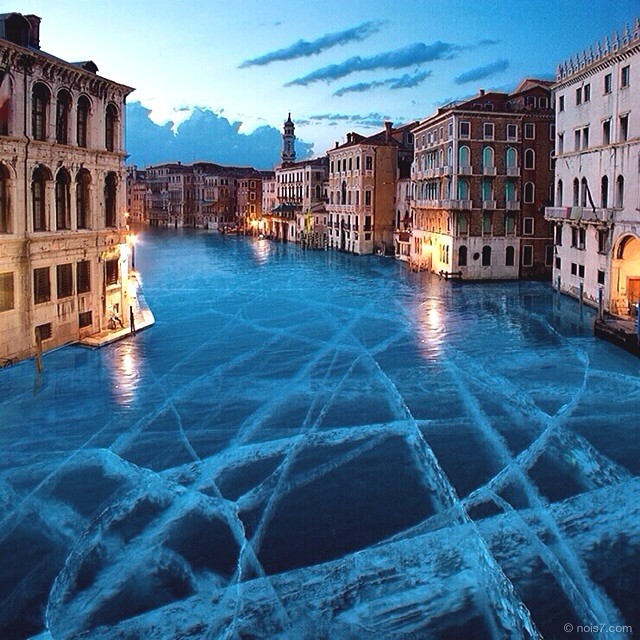
Field photography supplies believable texture: real water, real rock, real city haze. Studio work supplies the impossible joins—scale shifts, floating animals, sky roads, gravity edits. Soft edges and matched color grades hide the collage; mismatched light is the usual tell when surreal work fails. Jahns has spoken about wanting viewers to feel first and only later ask what is real. That order matters. If the emotion arrives, the seam hunt becomes a secondary game rather than the whole experience.
Collaborations mattered in the Instagram years because travel alone cannot stock every element. Shared libraries of skies, figures, and landmarks let artists remix without pretending every pixel was shot on the same Tuesday. The ethics conversation around heavy retouching has grown louder since then; Nois7’s work was never sold as straight documentary. It sits closer to illustration that happens to start with photographs.
Looking at the set today
Phone feeds have changed; caption culture has changed; the tools for compositing are more common. What still distinguishes this body of work is consistency of mood. The images want uplift without becoming greeting-card flat. They treat childhood wonder as a serious adult resource. They make travel look like raw clay rather than a finished postcard.
If you study them as a maker, watch the edges where land meets sky, the size of the human figure against weather, and the way color temperature sells a single story. If you study them as a viewer, notice which frame you would keep as a print and which only works as a scroll-stop. That split—gallery object versus feed spark—is where Instagram-era surrealism still has something to teach.

Comments
Continue reading
Surreal Photography by Nikita Sergyshkin
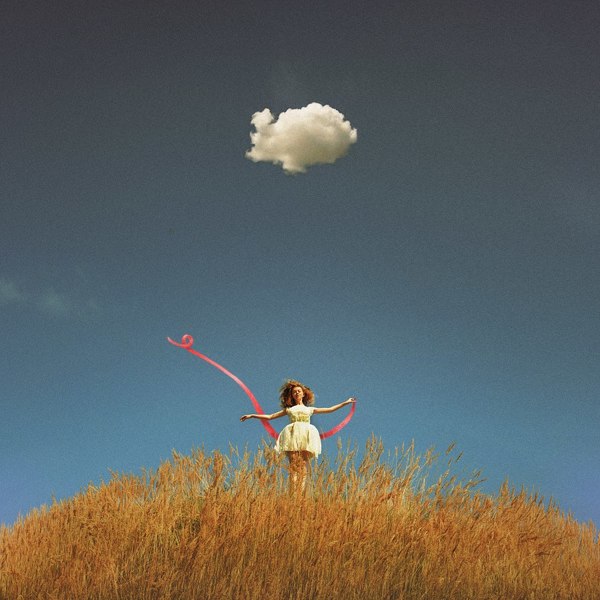
Belarusian photographer Nikita Sergyshkin stages dream-logic portraits—fashion-adjacent light, controlled estrangement, and surreal mood without collage monsters.
Oleg Oprisco’s Surreal Film Photography on Kiev 6C and Kiev 88 Cameras
Kyiv photographer Oleg Oprisco builds dreamlike conceptual scenes on older Kiev medium-format film cameras—soft color, quiet staging, and surreal mood without the rush of digital spray-and-pray.
Photo Manipulations by Caras Ionut: Whimsical Surreal Composites
Romanian artist Caras Ionut blends his own photographs into dreamlike Photoshop manipulations—whimsical surreal scenes taught through tutorials as carefully as they are shown.