
Men’s Street Style: The Trim Silhouette and What Cameras Chased
How early-2010s menswear left baggy denim for neat proportions, controlled color, and accessories that finish the outline.
Men’s street style in the early 2010s was not a quieter version of women’s fashion photography. It was a parallel conversation with its own silhouette politics. After years when baggy, low-slung denim dominated casual dress, the sidewalks—especially in New York and around London Fashion Week—tilted toward neatness: closer legs, cleaner lines, jackets that actually fit the shoulder. Photographers who had once chased only spectacular dresses began filling cards with men who looked deliberately put together without looking costumed for a runway.
The keyword that kept appearing in contemporary notes was simple: neat. Not stiff. Not necessarily formal. Neat—as in trousers that followed the leg, shirts that did not billow like sails, proportions that photographed as intentional. That shift is the backbone of men’s street style as a searchable subject, and it still explains why certain 2012 frames feel sharper than the decade that preceded them.
Neatness did not mean sameness. Within the trim outline you could still find camouflage, colored jeans, theatrical knits, thick-rimmed glasses, and shoes that argued with the jacket. The silhouette created a readable container; personality filled it. Without the container, personality often photographed as clutter.
The trim silhouette takes the sidewalk
A Mad Men–adjacent 1960s influence filtered into everyday menswear: slim one-button blazers, higher hems, narrower pant legs, a preference for looking pulled together even in jeans. The change was flattering and unforgiving at once. Closer clothes reveal posture and shape; city walking and gym habits suddenly mattered more than they had under oversized denim. For street photographers, the trim silhouette created clearer outlines against brick and glass. For wearers, it meant the difference between “I got dressed” and “I got left behind by my own trousers.”
Fit was the real trend. Color and pattern rode on top of it. A mustard blazer or a green knit only works when the shoulder seam sits where a shoulder seam should. Men’s street style of this period rewarded people who treated alteration and size choice as style decisions, not afterthoughts. A cheap jacket that fits will beat an expensive one that floats.
Hem length became newly visible. Trousers that puddled had been common; cropped or neatly finished hems showed shoe design and ankle proportion. Once shoes entered the frame as intentional objects rather than afterthoughts, the whole lower half of menswear got more interesting to photograph.
Color and pattern without a costume brief
Bold color did move into men’s wardrobes—bright greens, mustard yellows, fiery reds, creamy whites layered against navy and gray—but many men still preferred to enter through the side door. Patterned shoes, a printed tie, a colored jean, thick-rimmed glasses in tortoiseshell or bright acetate: small surfaces that told a story without requiring neon shorts. That graduated approach is still the most transferable lesson from 2012 street coverage. You do not have to announce a new personality every morning. You can let one object speak.
Camouflage flickered back into rotation as a pattern that felt masculine to men wary of floral or neon. Athletic and patriotic notes appeared in Olympic-year conversations. Double-breasted jackets and slightly boxier structures returned for men who wanted a more architectural outline than the skinny suit allowed. The point was not a single uniform. It was permission for menswear to be visually interesting in daylight, not only at night or on stage.
Layering suits and separates in uptown neighborhoods showed another path: contrast collared shirts under blazers, striped or plaid ties adding texture without demanding a full costume change. Texture—knit against smooth wool, coated denim against cotton—did quiet work when color stayed conservative.
What photographers actually looked for
Outside Somerset House during London seasons, and on Manhattan sidewalks between fashion events, camera attention followed a few reliable signals. Proportion first: does the jacket length make sense with the shoe? Contrast second: is there a color or texture break that reads from across the court? Personal detail third: glasses, footwear, a bag, a knit with a story. Men who looked uncomfortable in experimental outfits photographed as uncomfortable; men who had broken in their choices photographed as style.
The presence of international photographers turned certain courtyards into pressure cookers. Being stared at for the first half hour of an outfit is a real experience, and it separates theatrical dressing from lived-in dressing. The men’s looks that endure from those days tend to be the ones that could survive the stare and then go on to a train.
Street style also recorded class and subculture mixes that magazines sometimes flattened into “trends.” A creative-industry intern and a finance worker might share a slim silhouette while disagreeing completely about logos, sneakers, and grooming. The camera’s appetite for clarity sometimes favored the loudest man in the courtyard; the more interesting historical read includes the quieter trim looks that simply fit.
Building a men’s street-style kit
Trousers that skim. Whether denim, chino, or tailored wool, the leg should acknowledge the body. Baggy-for-nostalgia can be a choice; baggy-by-default no longer reads as current in this visual language. If you prefer volume, make it intentional—wide and pressed, not accidental and collapsed.
One structured outer layer. A slim blazer, a clean bomber, a well-cut coat. Shoulders matter more than logos. Try the jacket on with the shirts you actually wear, not only with a stylist’s sample tee.
Shoes with a point of view. Patterned loafers, sharp derbies, intentional sneakers, or boots with a clear line. Footwear is often the loudest safe zone in menswear. Scuffed can be character; shapeless is just neglect.
An accessory that behaves like a signature. Thick-rimmed frames, a knit tie, a watch with presence, a scarf with actual color. One is enough on most days. Two can work if they share a temperature; three usually starts a fight.
A color strategy. Either a quiet base with one vivid object, or a controlled multi-color story that still shares a temperature (all warm, all cool). Random rainbow rarely photographs as confidence. Navy and gray remain powerful precisely because a single yellow or red object can detonate against them.
High-low as a men’s default
The most compelling men’s street style of the era mixed registers: a serious jacket with Vans, coated denim instead of ordinary blue jeans, a suit piece worn without the full suit ritual. Musicians and public figures modeled that hybrid for magazine lists, but the sidewalk version was more useful—clothes that could move from daytime errands to an evening event without a full change. Street style photography rewarded that flexibility because it looked like real life with better decisions.
Grooming belonged in the frame too. Haircuts with shape, beards kept intentional, glasses chosen rather than endured: these details finished menswear the way jewelry finished many women’s looks. Ignoring them left even a good jacket looking unfinished. The “nerd glasses” wave of the period was partly fashion and partly a reminder that the face is part of the outfit whether you like it or not.
High-low dressing also manages budget. Spend on the jacket that holds the silhouette; rotate cheaper knits and sneakers underneath. Street style has never required every component to share a price tag—only that the total composition hold together at walking speed.
Accessories are not afterthoughts
If the silhouette is the sentence, accessories are the punctuation. A patterned shoe ends a monochrome outfit with a period that has personality. A slim tie or a soft knit under a blazer changes the formality without changing the bones. Socks, when visible, either disappear politely or become a small graphic event—there is little productive middle ground.
Bags for men were still negotiating their public role in 2012, but practical carry—messenger, slim backpack, structured briefcase—appeared whenever the day required it. The cleanest looks treated the bag as part of the proportion problem, not as a forgotten errand. A backpack that ruins a jacket line is not neutral; it is a styling error with straps.
Dress so the outline is clear from across the street. Then add exactly one thing worth walking closer to see.

Comments
Continue reading
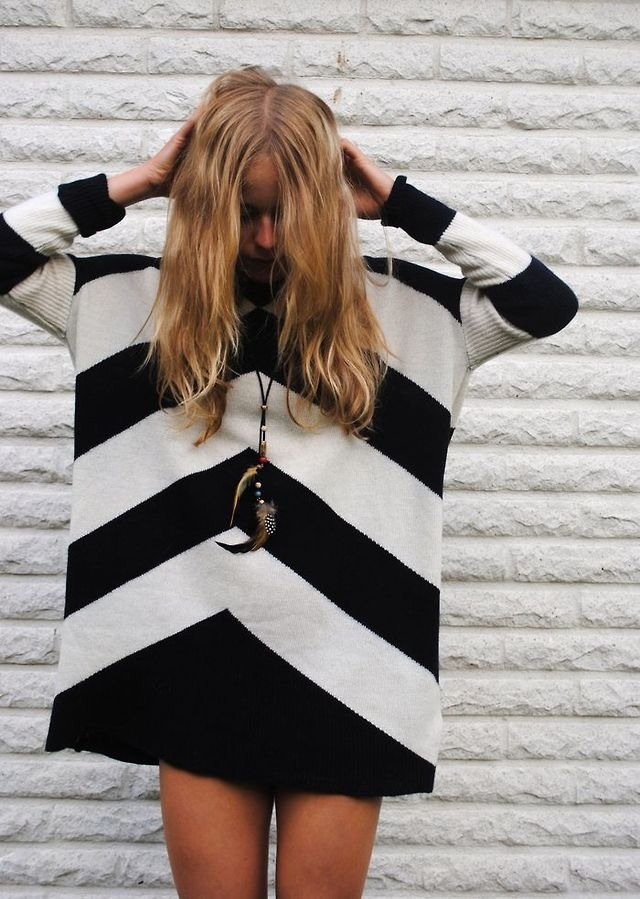
Street Style Stripes: Rhythm, Scale, and Colour Partners
How to wear stripes as personal style tools—scale, direction, mixing patterns, and colour partners that keep graphic looks intentional.
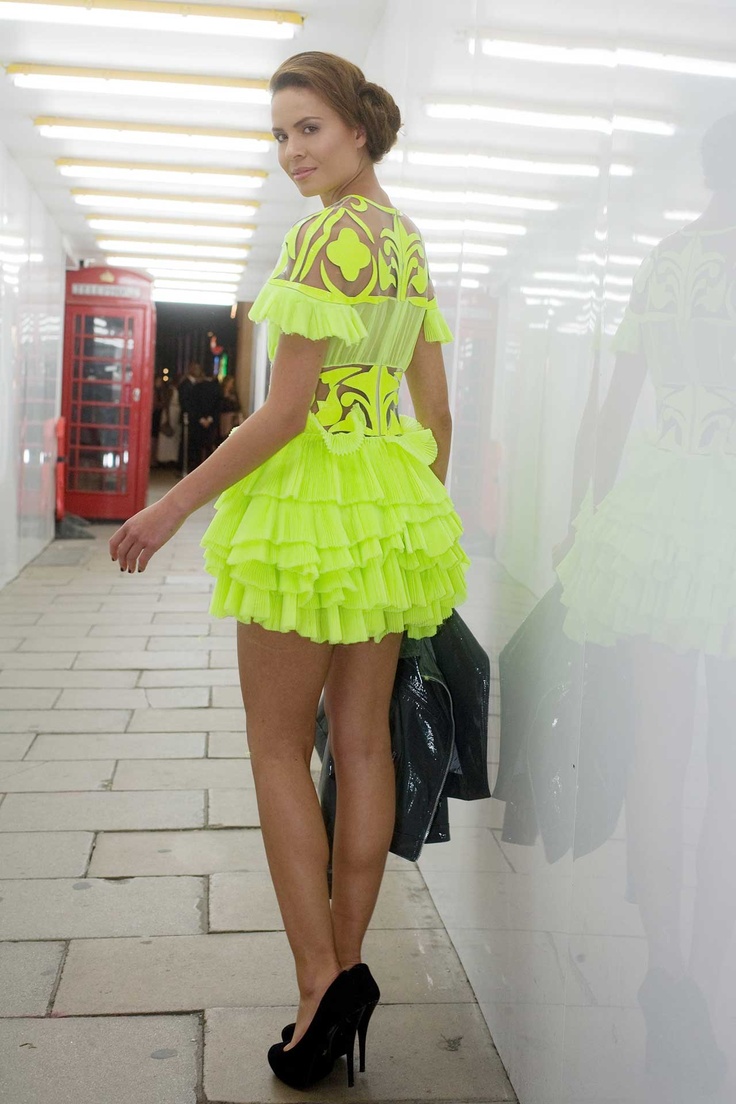
Street Style Neon Colours #2: Night Heat Voltage
A second neon chapter for warm evenings and artificial light—signal colour in crowds, shine after dark, and heat-ready saturation instead of spring thaw accents.
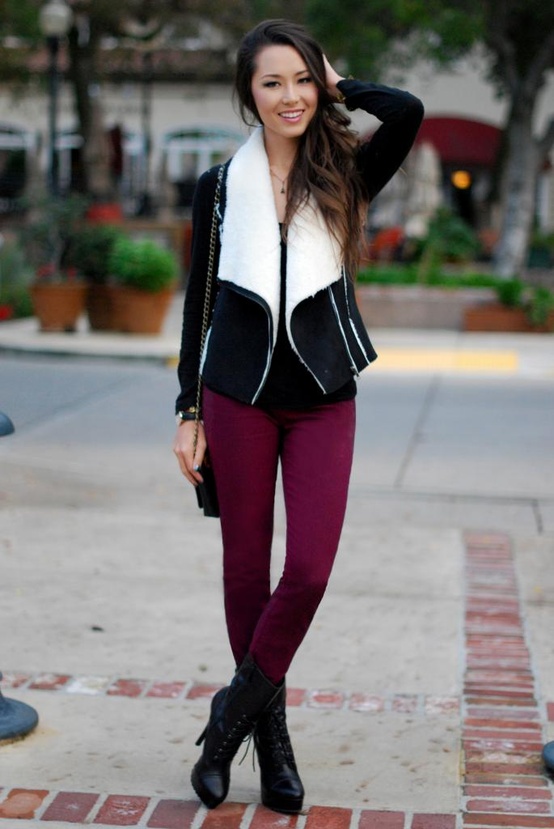
Global Street Style #3: Color, Warm Climates, and Hero Accessories
LA, Mediterranean, and Rio-spirited street looks where bags, shoes, sunglasses, and jewelry lead the silhouette instead of heavy coats.