
Global Street Style #3: Color, Warm Climates, and Hero Accessories
LA, Mediterranean, and Rio-spirited street looks where bags, shoes, sunglasses, and jewelry lead the silhouette instead of heavy coats.
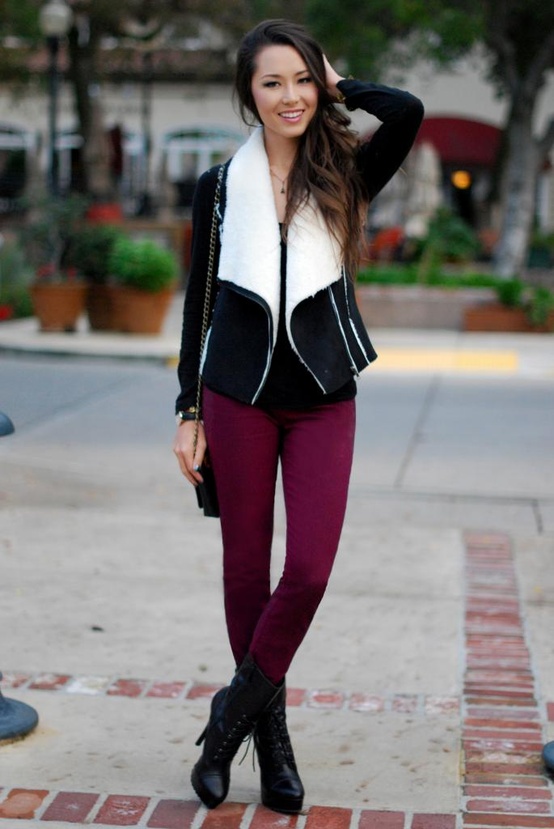
By the third pass through global street style, the eye is ready for a different climate. Where part one mapped fashion-capital polish and part two chased layered creative-district density, this gallery leans into color, warmth, and accessories that lead the frame—Los Angeles looseness, Mediterranean ease, Rio brightness, and night-out energy that still works in daylight photographs.
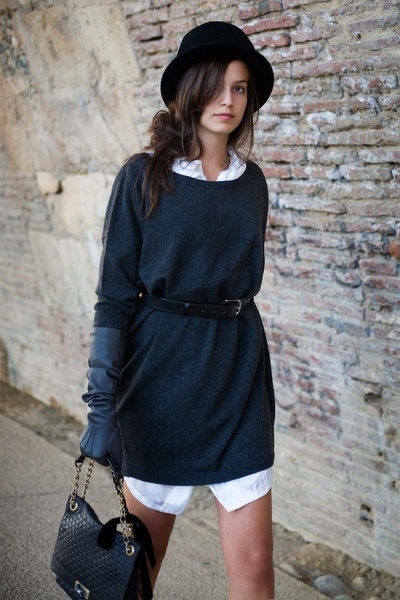
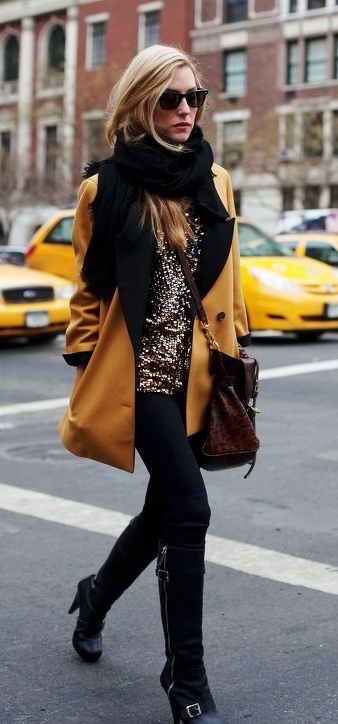
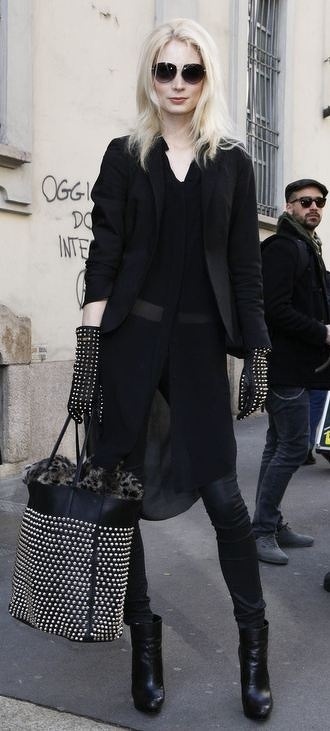
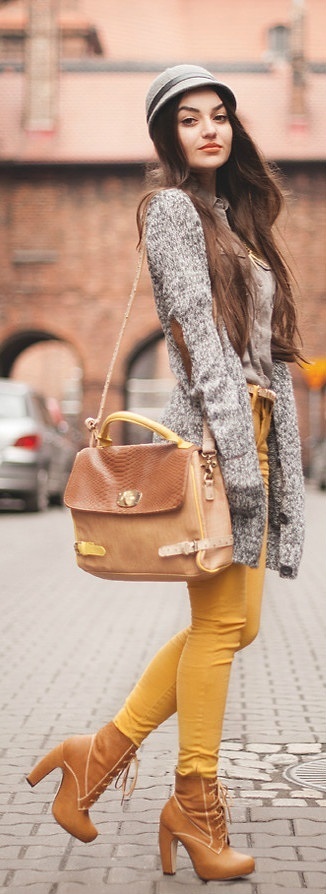
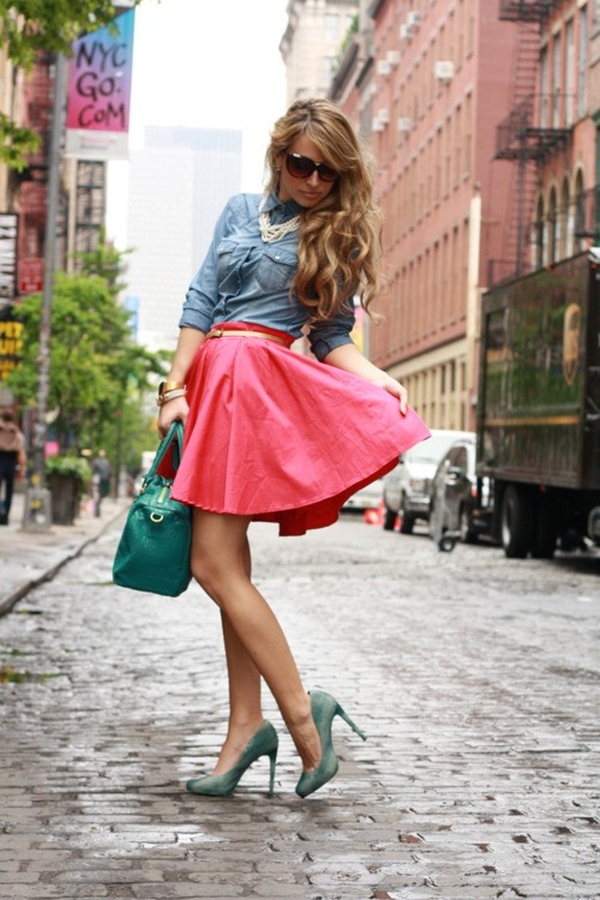
These are still individual styles caught on real streets, not studio campaigns. The shift is in what carries the outfit: a saturated dress, a sculptural earring, metallic sandals, sunglasses as architecture, a bag that behaves like a sculpture. Coats still appear, but they are less often the whole story. Skin, color blocking, and jewelry get more airtime. If part one taught coat architecture and part two taught stacking, part three teaches hero objects.
When accessories become the silhouette
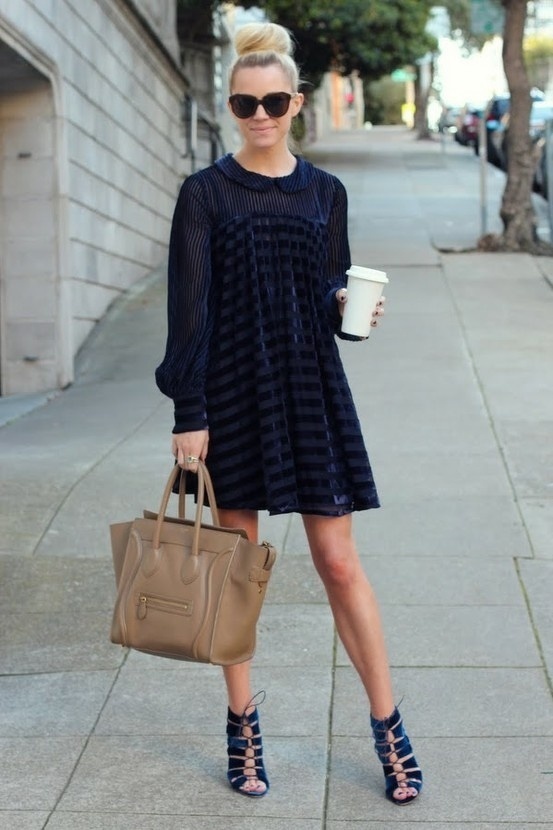
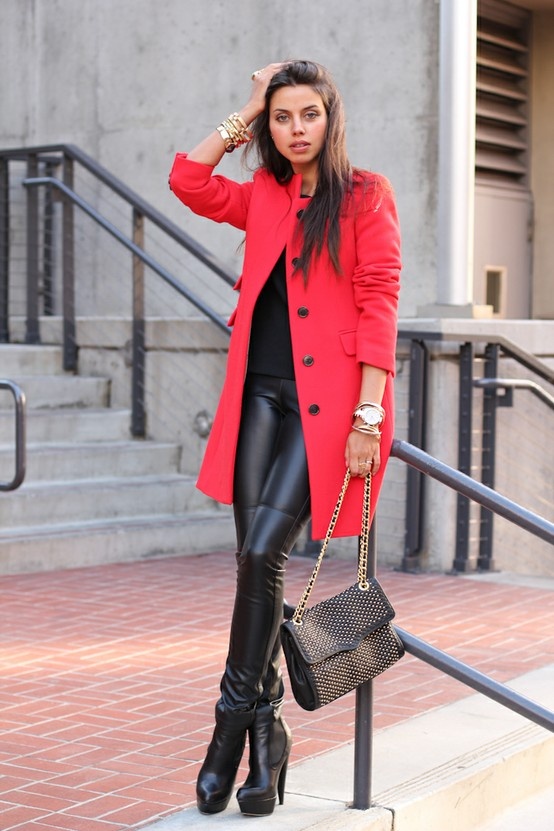
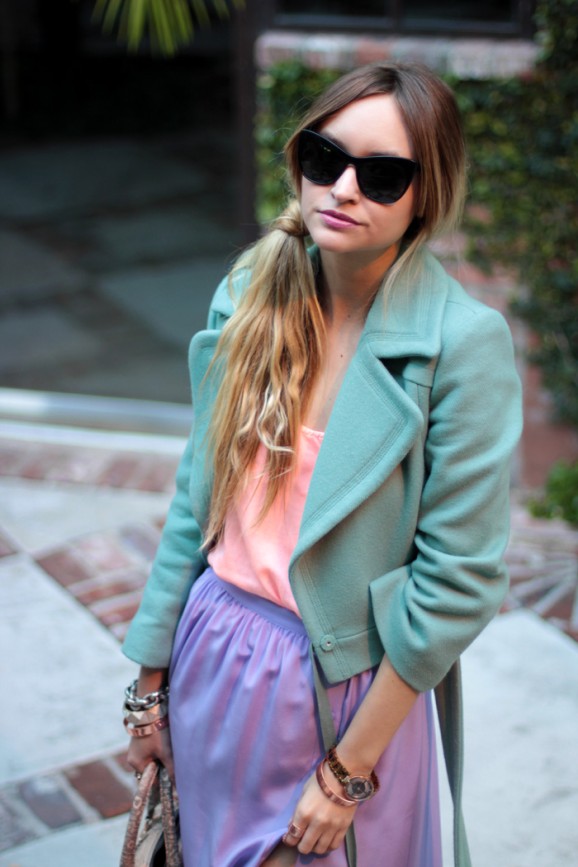
In cooler cities, outerwear draws the outline. In warmer and nightlife-adjacent scenes, accessories often draw it instead. A wide-brim hat changes head-to-shoulder proportion. Oversized sunglasses redesign the face. Cuffs, stacks of bracelets, and statement necklaces pull attention upward. Shoes with open structure—metallic, jeweled, or boldly colored—finish looks that would otherwise feel unfinished without a coat’s authority.
Street photographers love these frames because details survive compression on blogs and phones. A red lip and gold hoop still read at thumbnail size. A neon clutch still pops against concrete. That is practical visual design as much as fashion. When you save an image from this set, ask which object would still be recognizable at the size of a postage stamp. That object is usually the real outfit.
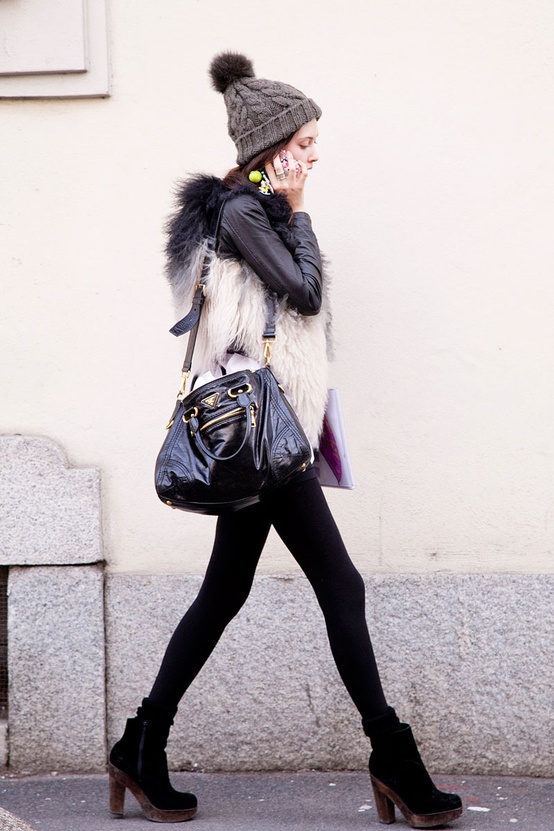
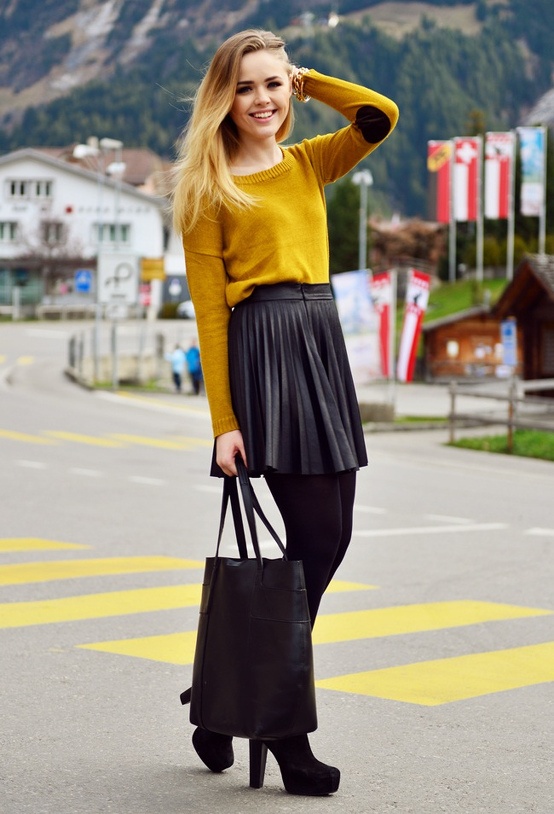
Los Angeles, Mediterranean cities, Rio—three bright dialects
Los Angeles street style often mixes casual bases with elevated extras: jeans or slips under sharp jackets, sneakers beside evening bags, sun as a permanent lighting designer. The city’s car culture and outdoor dining reward looks that photograph well in hard light—matte fabrics, strong sunglasses, hair that can take wind. Gloss that looks expensive in a dim club can look sticky at noon; LA frames often choose finish carefully.
Mediterranean sidewalks—think coastal Italy, Spain, Greece in spirit—favor linen ease, white and sun-washed color, leather sandals, and jewelry that looks collected rather than matched. The romance is in lightness: clothes that move, skin that shows, bags that do not weigh the shoulder down. Even when pieces are luxurious, they often pretend to be simple.
Rio and similarly vivid cities push color courage. Saturated dresses, graphic prints, and body-conscious cuts meet public life without apology. Accessories amplify rather than apologize. The lesson for cooler climates is not literal copying—it is permission to let one vivid piece lead when your wardrobe usually hides behind grey coats.
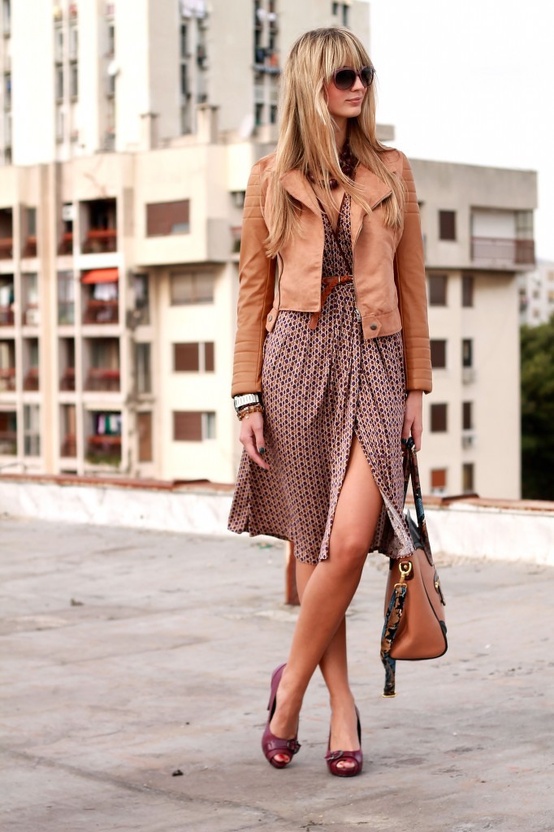
Five accessory-led strategies from this set
- Pick a hero object. Decide whether shoes, bag, sunglasses, or jewelry is the star. Everything else supports.
- Match metal temperature, not every piece. Warm golds together or cool silvers together usually photograph cleaner than a mixed hardware jumble—unless the jumble is the intentional theme.
- Use color blocking in large planes. A solid dress plus a contrasting bag beats five small competing prints.
- Respect skin as fabric. Bare shoulders and open sandals are design choices; balance them with structure elsewhere (belt, structured bag, defined hair).
- Edit for movement. Hats that fly off, earrings that tangle in hair, and bags that bounce wildly fail the street test even if they win the mirror test.
A sixth unofficial rule: if you cannot walk three city blocks happily, the accessory is cosplay. Street style earns its name by surviving streets.
Night-out energy in daylight photos
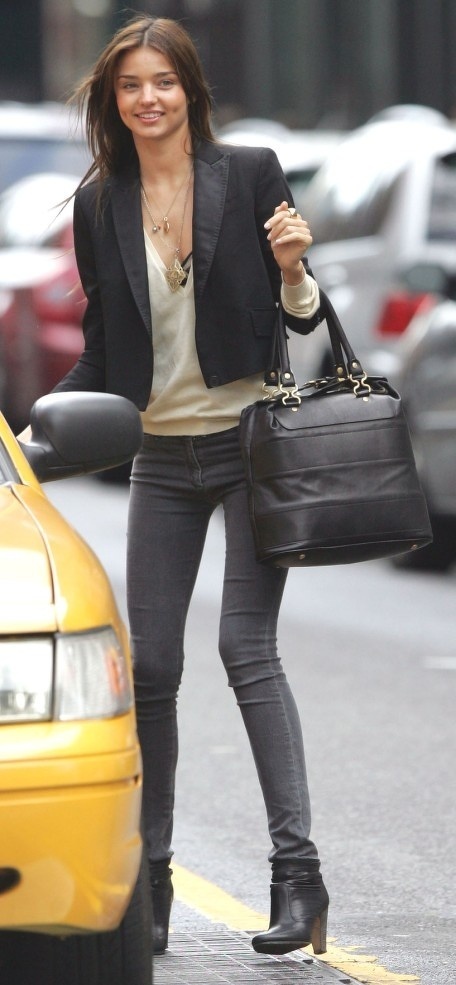
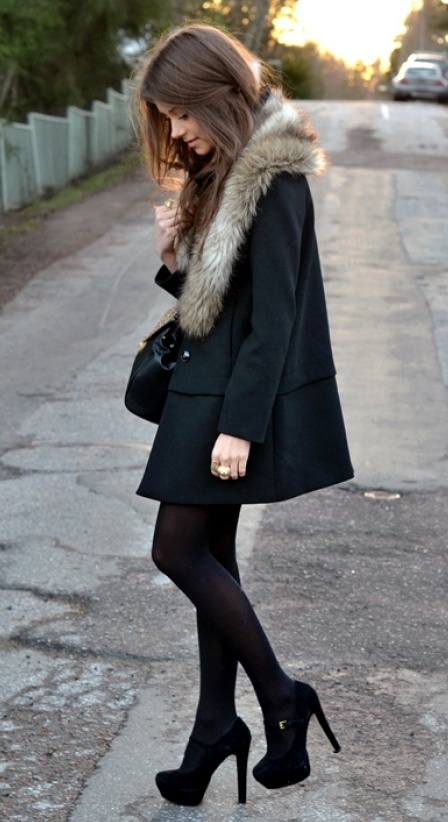
Some of the strongest street images blur day and evening. A sequined top under a denim jacket. Metallic shoes with a sundress. Smoky eye with a white tee. That hybrid mood belongs in this third chapter because it depends on styling accents more than on heavy coats.
If you chase that energy, keep one daytime anchor—denim, a cotton shirt, flat sandals—so the look does not tip into costume. The best “day-to-night” street outfits still look like someone has somewhere ordinary to go: a lunch, a gallery, a walk between errands. Glamour without a destination reads as Halloween in most daylight.
Makeup participates in the same logic. A strong lip can replace a statement necklace. Soft eye makeup can let earrings lead. Choose one facial accent the way you choose one bag accent.
Building a warm-weather capsule that still feels personal
You do not need a tropical address to apply these ideas. Try a small capsule:
- Two solid dresses or jumpsuits in different color temperatures (one cool, one warm).
- One pair of statement sandals and one pair of clean sneakers.
- One sculptural bag and one minimal crossbody.
- One sunglasses shape that suits your face, worn as identity not disguise.
- A short stack of jewelry you actually rotate—not a tangled box of almosts.
- One light layer (shirt, denim jacket, linen blazer) for air-conditioned interiors and evening chill.
Mix within that set for a week. Photograph mornings in natural light. Notice which accessory consistently becomes the hero and which pieces never leave the chair. Retire the chair pieces. Street style, at its useful best, is editing made public.
How the three galleries fit together
Read across the series and you get a map rather than a repeat:
- Part 1 — capital sidewalks, coat architecture, polished proportion (Paris / Milan / New York spirit).
- Part 2 — layered creative districts, texture stacks, walkable experimentation (Tokyo / Seoul / London spirit).
- Part 3 — color, warmth, accessory leadership, day-to-night hybrids (LA / Mediterranean / Rio spirit).
Same topic—global street style fashion—different lenses. That is how a multi-part gallery stays useful instead of becoming the same slideshow with new filenames. If you only have time for one lesson from this third set, make it this: remove the coat in your mind and ask what single object still finishes the photograph. Answer that before you leave the house, and you are already dressing in this chapter’s language.
Which hero will you choose tomorrow—shoe, bag, sunglass, or jewel? The streets in these frames already voted with their hands and feet.

Comments
Continue reading
Global Street Style #2: Layering in Tokyo, Seoul, and London
Creative-district street fashion through denser stacks—texture contrast, length mismatch, and cold-weather layering moves that still walk.
Global Street Style: Fashion Capitals and Coat Architecture
How to read polished sidewalk style from Paris, Milan, and New York—coats, shoes, bags, and the five cues that make capital-city looks click.
Winter Street Style, Part 2: Layering Systems That Hold Up Outside
A second look at winter street fashion—coat architecture, wearable layers, footwear honesty, and three outfit formulas built for real cold-weather days.