
Home Dream Home: Romantic Details for Soft, Vintage Rooms
Ethereal light, French-inspired silhouettes, and weathered whites—how to add romance with sheers, candles, and inherited-feeling pieces.
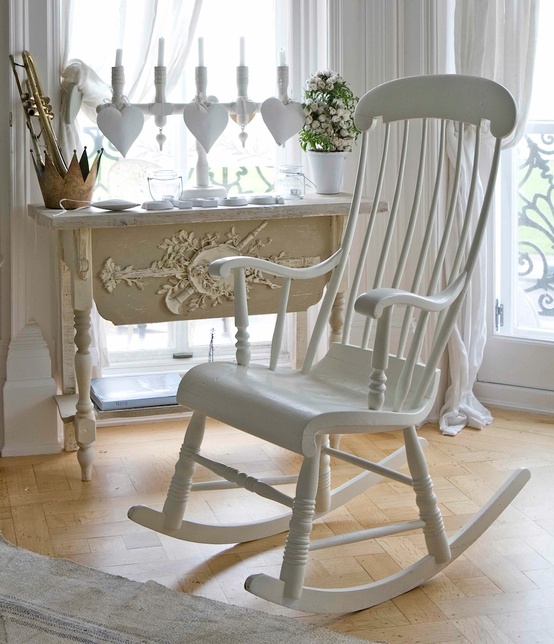
Romance in a house rarely arrives as a single pink purchase. It shows up in light, wear, and tenderness of detail: sheer curtains that move when a window is cracked, white paint softened by years of hands, carved wood, candle arms, a rocking chair turned toward the afternoon. This Home Dream Home chapter is about ethereal, French-leaning, vintage-minded rooms—worn and weathered on purpose—meant to inject softness without turning the house into a costume.
Chase a pale vignette. Use heart-shaped accents sparingly. Prefer furniture that looks inherited even when you found it last month. Let daylight do more work than décor slogans.
What romantic interiors actually optimize for
Romantic rooms optimize for emotional temperature. Soft contrast—cream on white, aged metal on pale wood, daylight through gauze—matters more than novelty. The vocabulary often overlaps French country and gently aged cottage styles: turned legs, spindle backs, floral relief carving, linen, candlelight. You do not need a château floor plan. You need a few gestures that suggest intimacy and time.
Romantic is not a Valentine sticker pack applied to a harsh room. Script pillows on every seat, plastic heart garlands year-round, and lace on every surface quickly read temporary. One heart charm hanging from a candelabra can feel poetic; a dozen competing motifs feel like a seasonal aisle. Romance works when the room’s bones stay calm and the sentimental notes are few, tactile, and well placed.
Weathered finishes help the story. A matte white rocker, a console with a cream carved apron, a brass instrument leaning casually near a window—these imply a life already lived here. Perfect high-gloss staging can look costly and still feel cold. A little honest wear invites people to sit without fear of leaving a mark.
Light, sheers, and a high-key palette
Natural light is the cheapest romance in the toolbox. Place a chair where the day pools. Dress windows with sheer or semi-sheer panels that soften edges and can puddle slightly on the floor. Heavy blackout drapes have a job in bedrooms at night, but a dreamy daytime corner needs air and glow. If privacy matters, layer sheers with heavier panels you close after dark rather than blocking the window all day.
Keep major surfaces high-key: whites, chalky creams, pale woods, soft greys. Introduce feeling through form and shadow before you reach for saturated pink walls—unless you truly love pink in every season. Metallic notes should stay quiet: aged brass, soft silver, painted white iron. Bright chrome can feel sharp unless linen and wood surround it generously.
Candlelight still wins evenings. A white candelabra with slim tapers creates vertical sparkle without visual weight. Where open flame is impractical, use warm flicker LEDs in convincing candle shapes and hide plastic bases. Layer heights—sconce, table lamp, candles—so the room never depends on one ceiling blast that flattens every face.
Mirror placement multiplies both light and mood. Hang a softly aged frame to catch a window or a candle cluster, not a cluttered closet interior. One good mirror beats a crowd of tiny reflective stickers.
Silhouettes that feel inherited
Spindle-back rockers, skirted stools, carved consoles, and curved legs signal romance more reliably than boxy modular seating. Look for human scale: furniture that suggests sitting with a book, writing a note, or watching rain—not only reclining toward a screen. A rocking chair by a bright window is nearly a complete narrative on its own: motion, patience, and a view.
Mix one refined piece with simpler companions so the room does not become a period film set. An ornate console can live behind a plain sofa if paint colors agree. White or cream paint unifies thrifted mismatches; leave one wood tone natural so the palette does not flatten into a single chalky cloud.
Upholstery should invite contact. Linen, washed cotton, and velvet in dusty tones age more gracefully than plasticky fabrics that shine under lamps. Piping, skirts, and soft cushions add the “dressed” quality romantic rooms share with thoughtful clothing. If a fabric looks nervous about being touched, it will never feel romantic in daily life.
French-inspired and vintage details that earn space
Carved aprons, scroll or floral relief, apothecary jars, and small floral clusters—baby’s breath, garden roses, a single stem in a bottle—carry French-country memory without requiring toile on every wall. Old books, glass jars, and a musical instrument can form a still life if you dust them and leave air around them. Crowding every inch of a console turns romance into clutter.
Delicate botanical or damask wallpaper can romanticize a powder room or the inside of a bookshelf. On all four walls of a main living space it often overwhelms unless furniture and art stay very quiet. Prefer one patterned moment and let plains do supporting work.
Hardware finishes matter more than people expect. Porcelain knobs, darkened brass pulls, and simple iron curtain rods feel softer than oversized contemporary hardware. Consistency inside a vignette matters more than matching every room in the house to one metal.
Florals should look gathered, not embalmed. Fresh or convincingly simple stems beat elaborate silk arrangements that collect dust and shout “display.” A small pot of tiny white flowers next to candles is often enough.
Where romance works hardest room by room
Bedrooms. Layer white bedding with one textured coverlet, add a small upholstered seat if space allows, and keep nightstands edited to lamp, book, and a bud vase. Canopies are optional. Soft light and clear floors do more nightly work than elaborate bed frames you never notice after the first week.
Baths. A skirted stool at a vanity, a lantern or crystal pendant, pale towels, and a few flowers translate romance into morning and evening rituals. Closed storage for products keeps plastic bottles from competing with the mood.
Entries, landings, and window corners. A console, candelabra, and chair can romanticize a forgotten pass-through. Weathered pieces shine here: light scuffs read as character in transitional spaces more readily than under the scrutiny of a formal dining table.
Dining corners. Soften with a fabric runner, candle stubs in mixed holders, and chairs comfortable enough for long talks. Formal china is optional; unhurried light is not.
Editing rules that keep romance adult
- Limit script fonts and heart motifs to one or two moments per room.
- Prefer matte and soft-sheen finishes over high-gloss plastic shine.
- Unify with white or cream; add one metal family and one natural material such as wood, stone, or linen.
- Leave empty surface area so vignettes can breathe.
- Choose wood, cotton, glass, and metal over novelty plastics whenever you can.
- Dust romantic objects; neglected lace and candelabras age into gloom, not poetry.
Picture again the white rocker beside the carved console: daylight through sheers, a few candles, a small pot of flowers, and enough empty floor for the chair to move. That quiet arrangement is the romance worth building—less costume, more feeling—and it scales from a studio corner to a whole house if you keep the same gentle discipline.

Comments
Continue reading
Bohemian Rhapsody, Part 2: How to Layer the Look Without a Theme Park
A curatorial companion to Part 1—pavilion logic, colour spines, texture, light, and a stop-test for building bohemian rooms you can actually live in.

Bohemian Rhapsody, Part 1: Caravans, Colour, and Collected Atmosphere
Indian, tribal, Romany, and hippie cues in one mood—painted wagons, ornate iron, layered fashion, and interiors that feel gathered rather than staged.
Home Dream Home: Simplicity as Everyday Sophistication
Edited rooms, quiet planes, and scarce accents—how simple interiors stay sophisticated without feeling empty or austere.