
Bohemian Rhapsody, Part 1: Caravans, Colour, and Collected Atmosphere
Indian, tribal, Romany, and hippie cues in one mood—painted wagons, ornate iron, layered fashion, and interiors that feel gathered rather than staged.
Bohemian style, in the sense this gallery means it, is not a Queen lyric and not a costume-shop checklist. It is a little Indian textile logic, a little tribal pattern memory, a little Romany caravan craft, and a little hippie layering—colourful, slightly mystical, and proudly unconcerned with matching. Part 1 dwells on the atmosphere of that mix: painted wagons, ornate iron, sun-washed fashion, and rooms that feel collected rather than designed in a single afternoon.
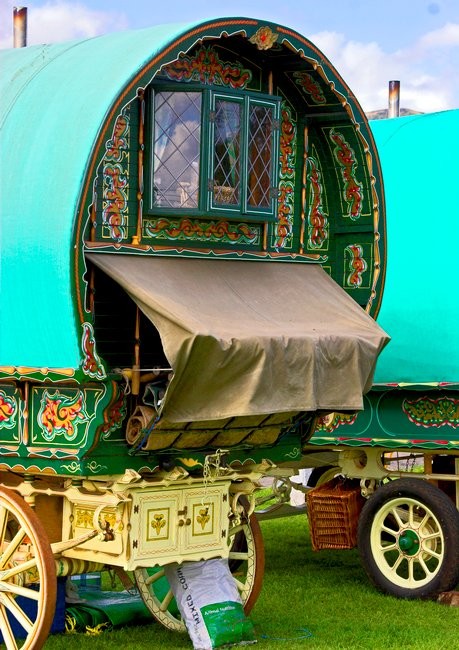
The caravan is the emotional centre of the set. A turquoise-roofed vardo with scrollwork in red, orange, and gold is the kind of object people joke about selling a soul for—and the joke only works because the craftsmanship is real. Hand-painted florals, leaded diamond glass, cream-spoked wheels on grass: this is decoration as travel companion, not as weekend prop. Bohemian interiors often chase that same feeling indoors—objects that look as if they arrived from somewhere else and stayed because they earned their place.
Early lifestyle blogs sometimes flattened “boho” into fringe and dreamcatchers. The stronger frames here push past that shortcut. They treat influence as atmosphere rather than as a captioned costume: pattern languages you can feel in paint and weave, metalwork that shows age, clothing that moves in late light. Read the set as a mood dictionary, then steal only the words your own rooms can pronounce honestly.
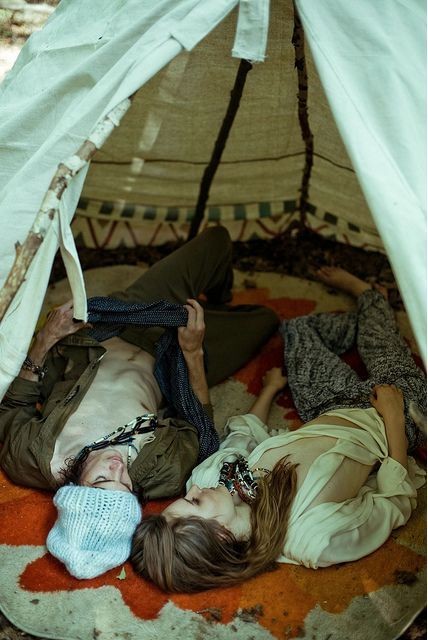
Colour that refuses a single mood board
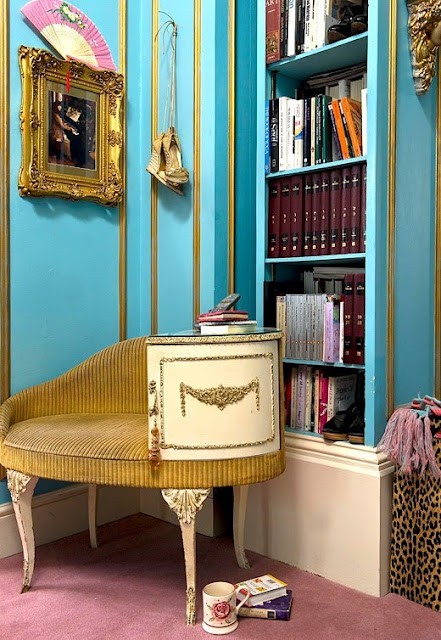
Bohemian rooms and wardrobes share a habit: they stack saturation. Teal against cream, marigold against magenta, indigo against rust. The point is not chaos for its own sake. The point is warmth that comes from contrast—colours that feel sun-faded and festival-bright in the same glance. Pattern does the same work as colour. Geometric borders, floral scrolls, ikat-like stripes, and embroidered edges all suggest handwork and travel, even when the garment or cushion was bought locally.
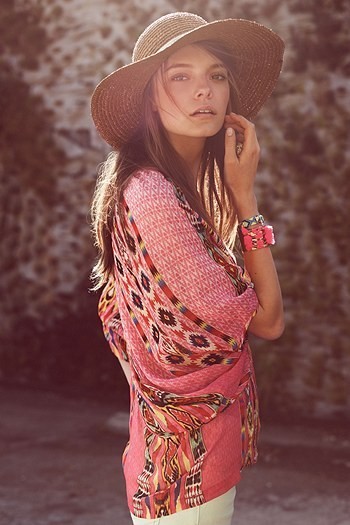
Fashion in this register likes soft structure: a wide straw hat, a kimono-cut wrap printed with diamonds and stripes, stacked bracelets that catch the light. Golden-hour photographs flatter the look because the style already depends on warmth. Hard fluorescent light can make the same outfit look costume-like; soft late light makes it look lived-in. That is a useful test if you are editing your own closet toward this mood: if a piece only works under party lighting, it may be novelty rather than daily bohemian.
Colour also carries cultural memory, which is why the style asks for a little care. Borrowing pattern languages from Indian textiles, North African lantern craft, or Romany wagon painting is different from treating those traditions as interchangeable “exotic” wallpaper. The images that age best are specific: a painted scroll that looks studied, a textile that looks worn by use, a garment that looks chosen rather than rented for a photoshoot. Specificity is respect as much as it is aesthetics.
A practical way to keep colour honest is to invent a private “weather” for the room. Is it late-afternoon dust and heat? Is it night festival? Is it rainy-day textile cocoon? Once you choose the weather, reject objects that belong to a different climate. The caravan belongs to bright grass and open sky; the iron latch belongs to old wood and shade. Mixing them can work, but only if both still feel like parts of one longer journey rather than two magazine pages taped together.
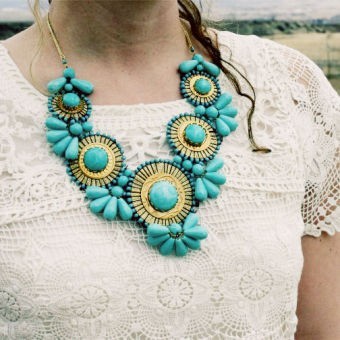
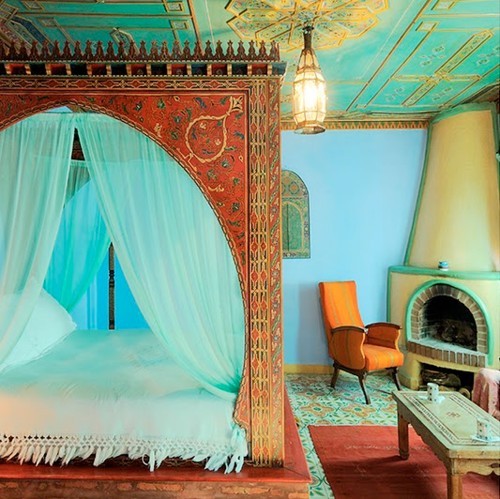
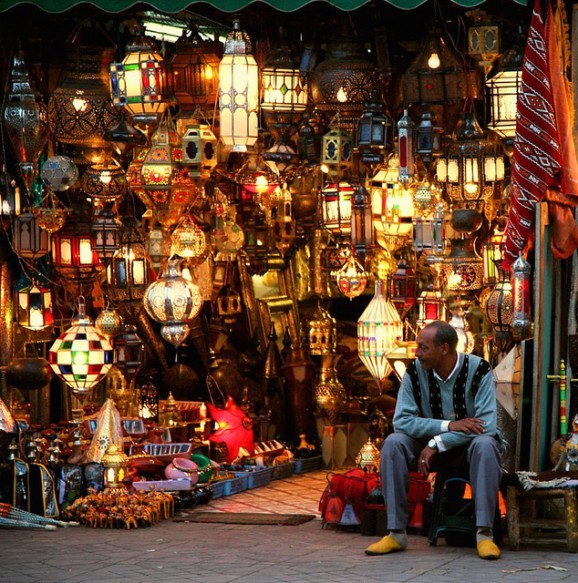
Craft details that make the mood believable
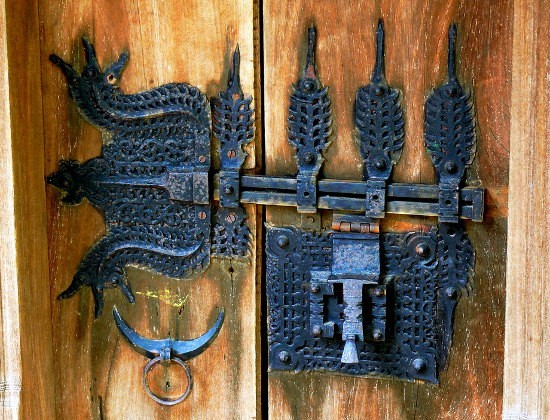
Look closely at hardware and you will see why bohemian style resists flat staging. An antique wrought-iron latch with filigree plates and leaf-shaped uprights turns a wooden door into a small ceremony. The metal is matte, slightly pitted, honest about age. That honesty is the style’s quiet rule: prefer objects that show making—paint strokes, hammer marks, woven unevenness—over surfaces that look factory-perfect and then get “distressed” with a filter.
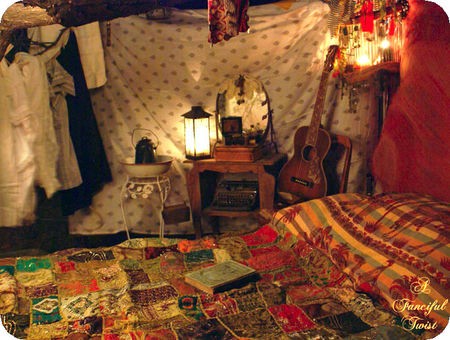
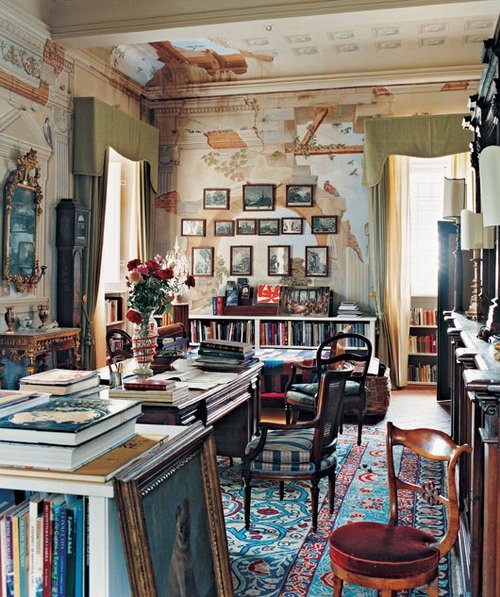
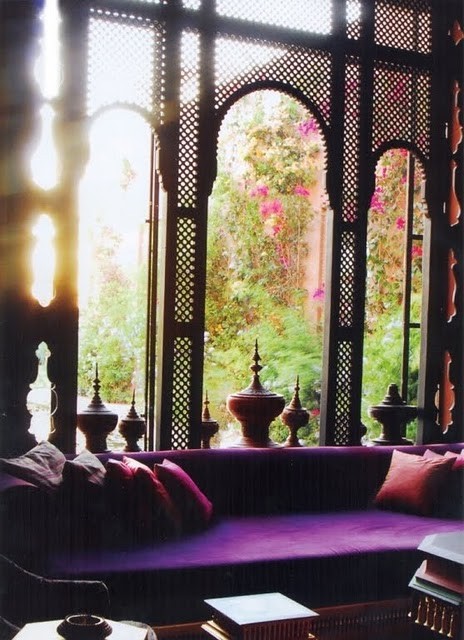
Textiles carry the same ethic. Heavy embroidery, fringe that actually moves, rugs with visible knot logic, cushions that clash politely: these are the soft architecture of a bohemian room. Mystical accents—lantern glass, incense bowls, beads, mirrored embroidery—work best when they are few enough to read as personal rather than as a themed restaurant. One strong ritual object in a corner can do more than a shelf of souvenirs fighting for attention.
Scale matters as much as material. A single large textile on a wall can calm a room that would look frantic with ten small hangings. A carved wooden chest can ground a pile of soft cushions. Bohemian collecting fails when every object is medium-sized and equally loud; it succeeds when there are anchors and satellites. The caravan works as an image because the whole wagon is one confident object, not a scatter of unrelated ornaments on wheels.
Touch is the final editor. If you cannot imagine running a hand across a surface—cool iron, rough weave, smooth painted wood—the object may be only graphic. Bohemian rooms are meant to be occupied, leaned on, sat in. A gallery wall of prints can help, but the style’s centre of gravity is still tactile. When in doubt, buy fewer things and choose the ones your hands will meet every day.
Wanderlust without the postcard
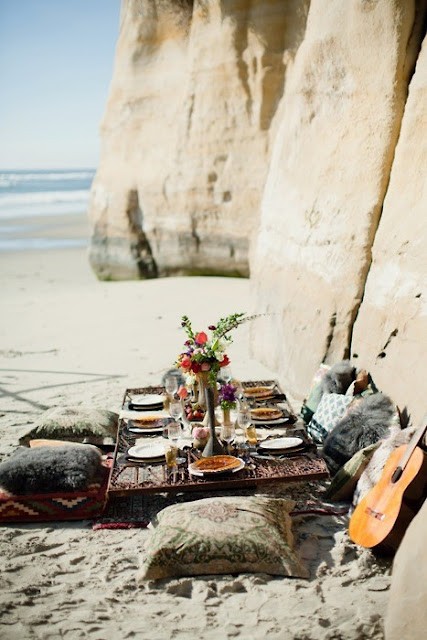
Bohemian style has always flirted with the romance of elsewhere. That romance can be generous—curiosity, craft admiration, a love of layered histories—or it can become a postcard fantasy that empties places into props. The difference shows in how objects are used. A textile that is sat on, a lantern that is lit, a door latch that actually closes: these are signs of living with influence. A room arranged only for photographs is usually arranging for no one.
If you are building a room or a look from these cues, start with one hero: a painted wooden piece, a large patterned textile, or a statement garment with real weight. Then add quieter companions—natural wood, linen, plants, one metal latch or lantern—so the hero can breathe. Bohemian style fails when every surface shouts. It succeeds when colour and pattern feel like a long conversation between journeys, not a single shout from a catalogue.
Clothing follows the same rule. Keep a quiet base and rotate patterned outer layers. Let jewellery click and catch light, but let shoes be walkable. The straw-hat portrait in this set works because the patterned wrap and bracelets ride on a simple silhouette and soft outdoor light. That is wearable wanderlust: suggestive of festival and travel without requiring a stage. If an outfit needs a caption to explain itself, it is probably trying too hard.
Part 2 of this pair turns toward method—how to layer a pavilion’s lessons into a Tuesday-ready room. Part 1’s job is simpler and stranger: to keep the desire vivid. Desire is how most people enter the style. Craft is how they stay.

Return to the caravan for a last look at the turquoise roof and the red scrollwork. If a room or an outfit can hold even a fraction of that handmade confidence—bright, specific, unembarrassed by ornament—it is already speaking the same dialect.

Comments
Continue reading
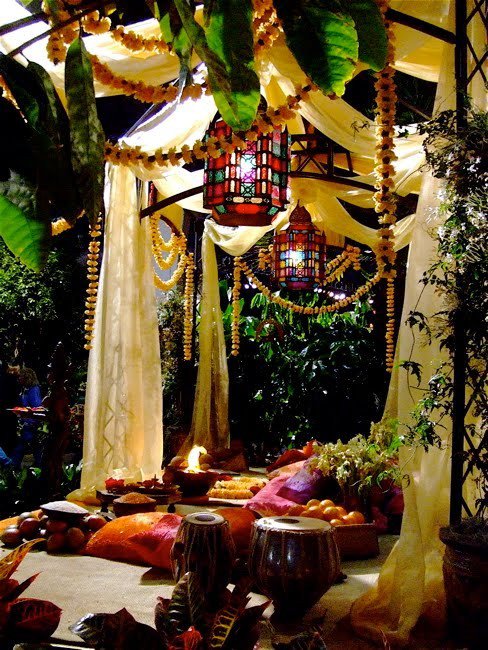
Bohemian Rhapsody, Part 2: How to Layer the Look Without a Theme Park
A curatorial companion to Part 1—pavilion logic, colour spines, texture, light, and a stop-test for building bohemian rooms you can actually live in.
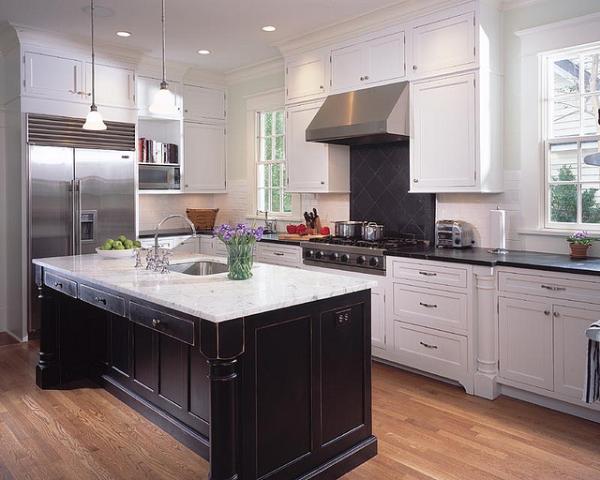
Kitchen Design Ideas: Layout, Storage, Light, and Finishes That Work
Practical kitchen design ideas—work zones, cabinetry, lighting, and durable finishes—so inspiration translates into rooms that cook and gather well.
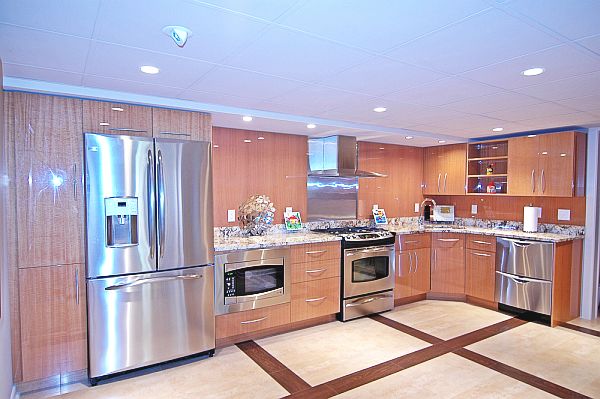
18 Kitchen Design Ideas: Gloss Cabinets, Smart Layouts, and Practical Finishes
Eighteen kitchen design directions—from high-gloss wood-look cabinetry and stainless suites to islands, pantries, lighting, and backsplash strategies—anchored by the surviving gallery photo.