
Global Street Style: Fashion Capitals and Coat Architecture
How to read polished sidewalk style from Paris, Milan, and New York—coats, shoes, bags, and the five cues that make capital-city looks click.
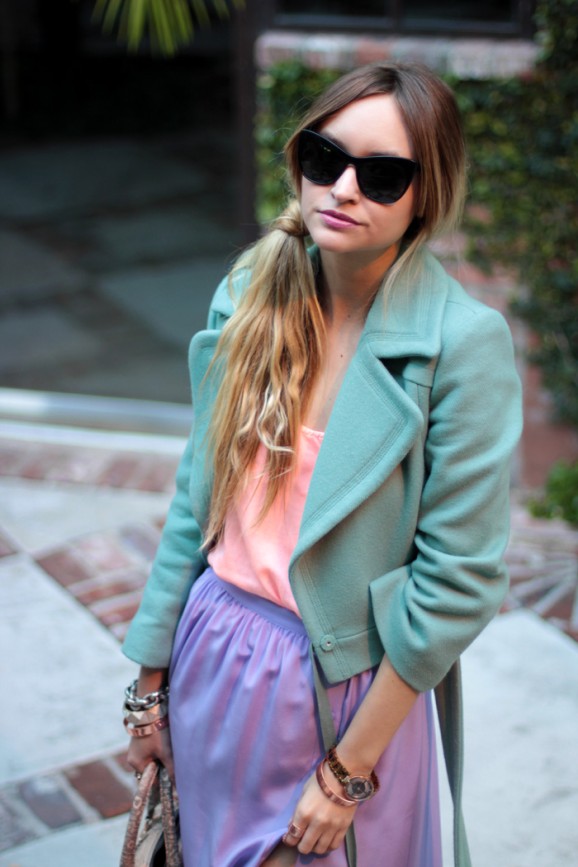
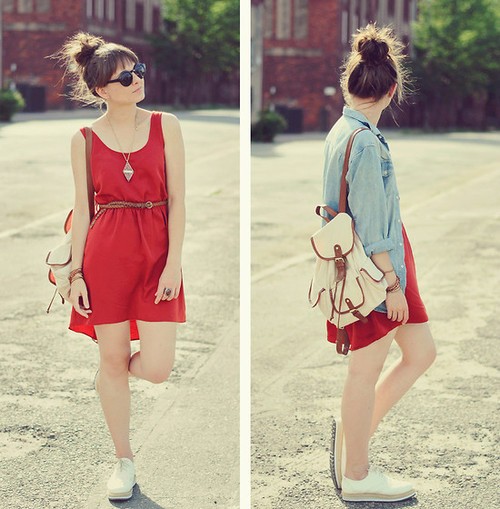
Street style is not a single trend. It is what happens when people dress for weather, work, transit, and self-image in public—and someone photographs the result. The images gathered here come from that worldwide habit: individuals choosing coats, shoes, bags, and proportions that say more about a city block than a runway show ever could.
This first gallery leans into the classic fashion-capital sidewalk: Paris, Milan, and New York energy. Think polished outerwear, deliberate heels or polished flats, structured bags, and silhouettes that look intentional from across the street. Later posts in this series chase denser layering and warmer, accessory-led looks; here the job is literacy—how to read a strong street outfit the way editors once read the steps outside a fashion week venue.
What “global” means on a sidewalk
Global street style photography exploded in the late 2000s and early 2010s as blogs and magazines treated ordinary pedestrians—and fashion week attendees between shows—as content. Cities still imprint codes. A Parisian trench behaves differently from a Milanese statement coat; a New York walker often builds for subway wind and long blocks. Yet the camera finds shared grammar: contrast at the waist, a single loud accessory, clean lines against busy streets.
The people in these frames are not mannequins. They negotiate real pavement, real bags, real weather. That friction is the point. A perfect look on a studio seamless can feel dead next to a slightly imperfect coat caught mid-stride with hair in the wind. Street fashion, at its best, documents negotiation—not perfection.
It also documents class signals and creative labor, sometimes uncomfortably. Not everyone photographed outside a show is a paid influencer. Some are designers rushing between venues; some are locals who happen to dress with conviction. Reading the photos generously means noticing composition and courage, not only logos.
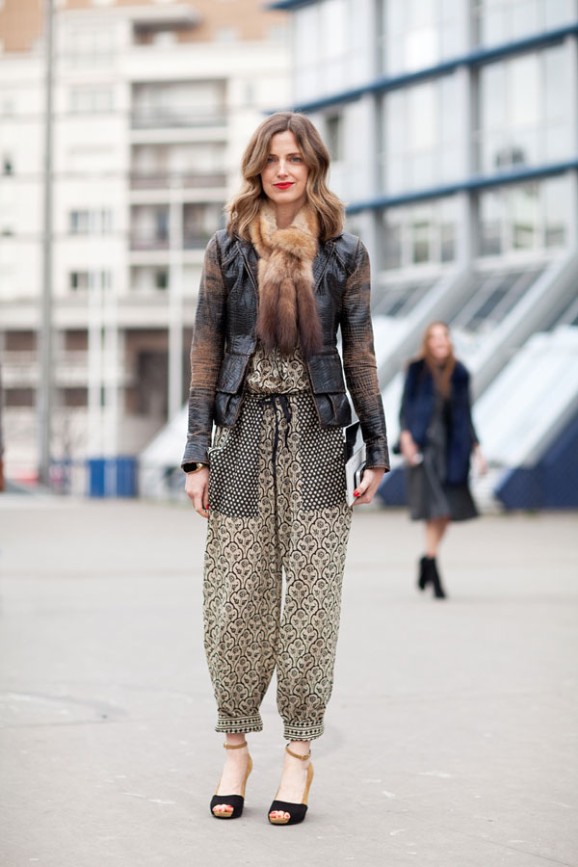
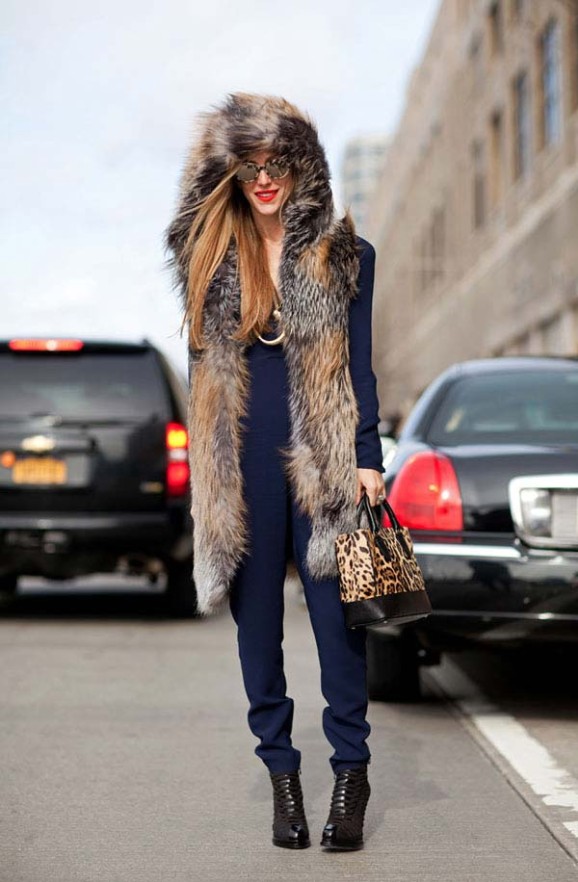
Five cues that make a capital-city look click
When you study this set, ignore brand hunting for a moment. Track these cues instead:
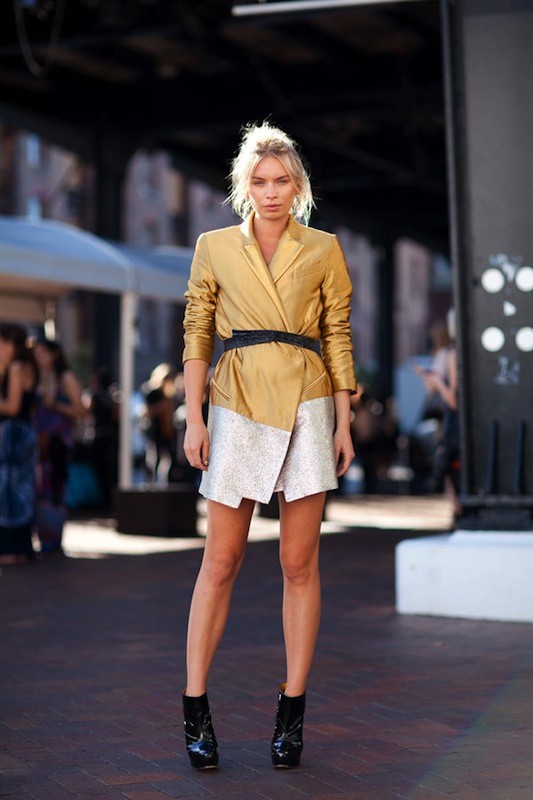
- Outerwear as architecture. Coats and jackets set the silhouette before anything underneath matters. Sharp shoulders, clean hems, and intentional length (crop, hip, midi, long) do half the styling work.
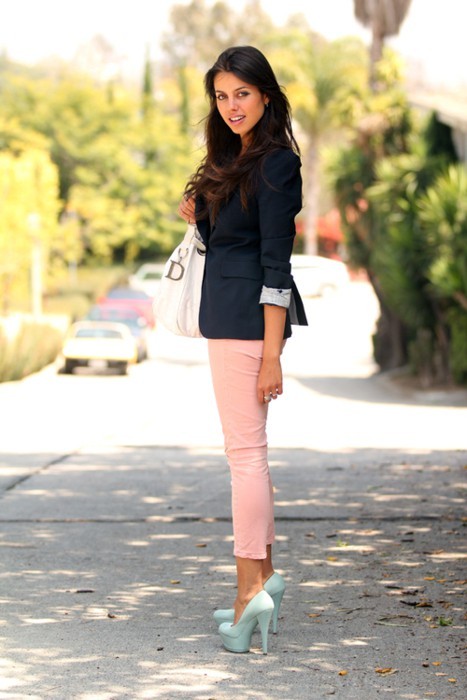
- Leg line and shoe contract. Skinny trousers into pointed flats, wide trousers into chunky soles, skirts into boots—the leg-to-shoe handshake decides whether the outfit feels finished.
- One controlled accent. A red lip, a graphic bag, a patterned scarf—capital street style usually allows one shout so the rest can whisper.
- Bag scale. Oversized totes, mini crossbodies, and clutch-scale pieces change how the torso reads on camera. Editors often clock the bag before the dress.
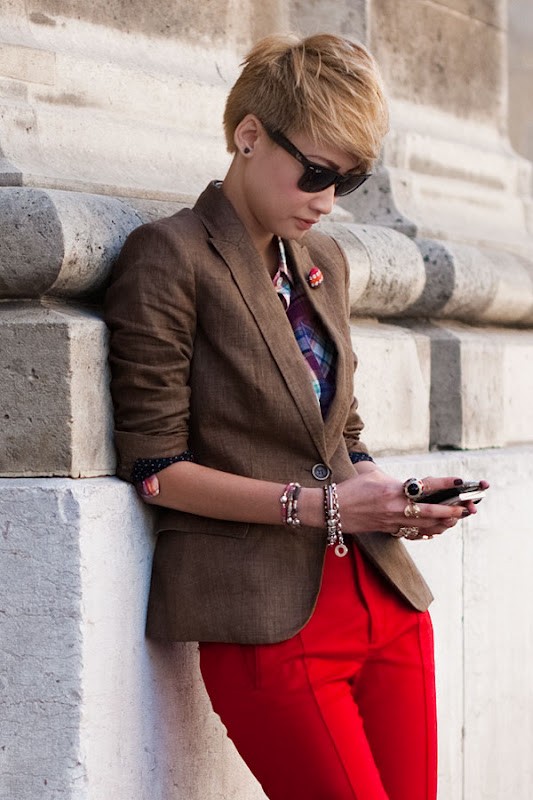
- Grooming as styling. Hair pulled back, a strong brow, or undone texture is part of the outfit. Street photography rewards faces that match the clothes’ energy.
Those five cues travel. You can apply them in any city without copying a Parisian coat or a Milanese heel brand-for-brand. The goal is structure, not costume. If your closet is mostly casual, start by upgrading only the outer layer and the shoe—the camera’s two favorite anchors.
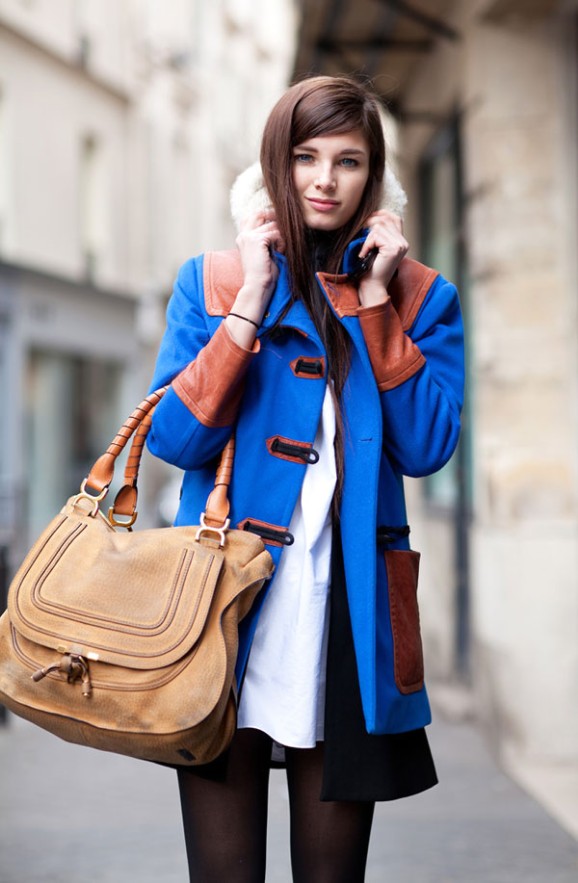
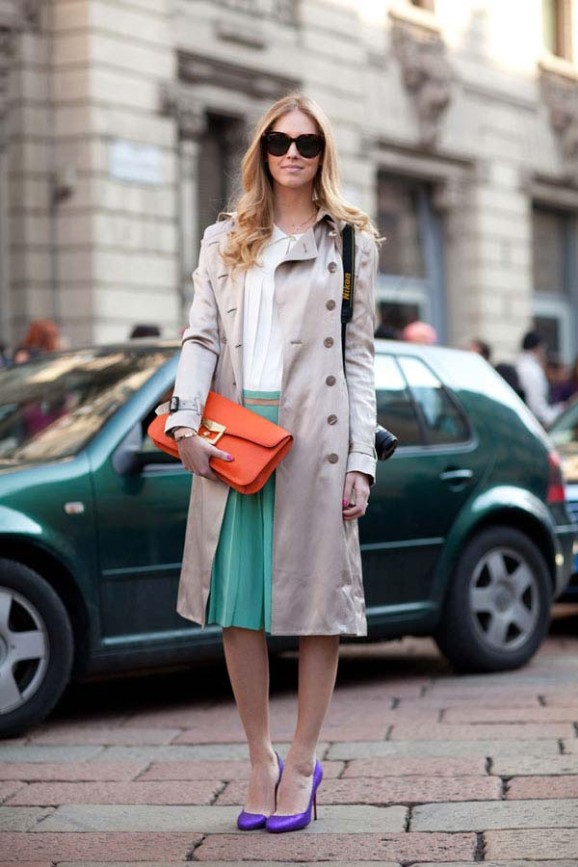
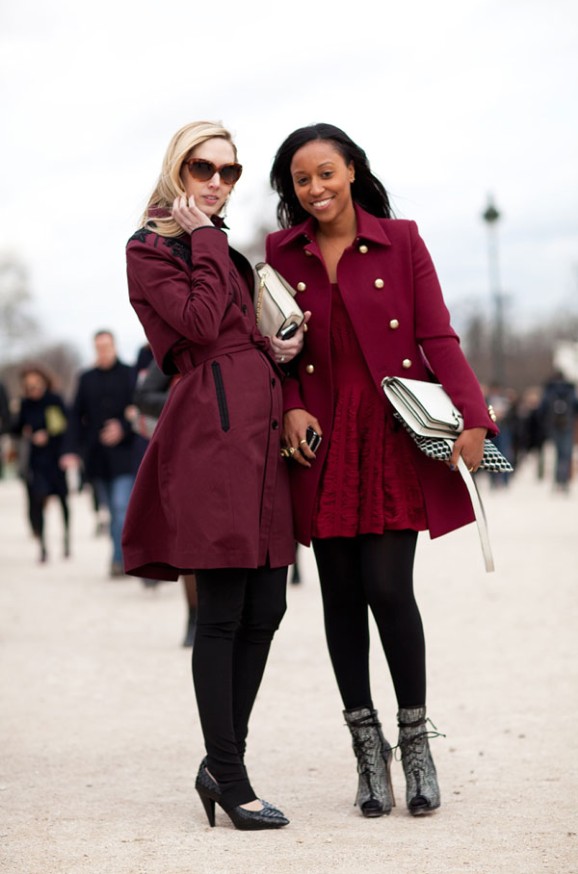
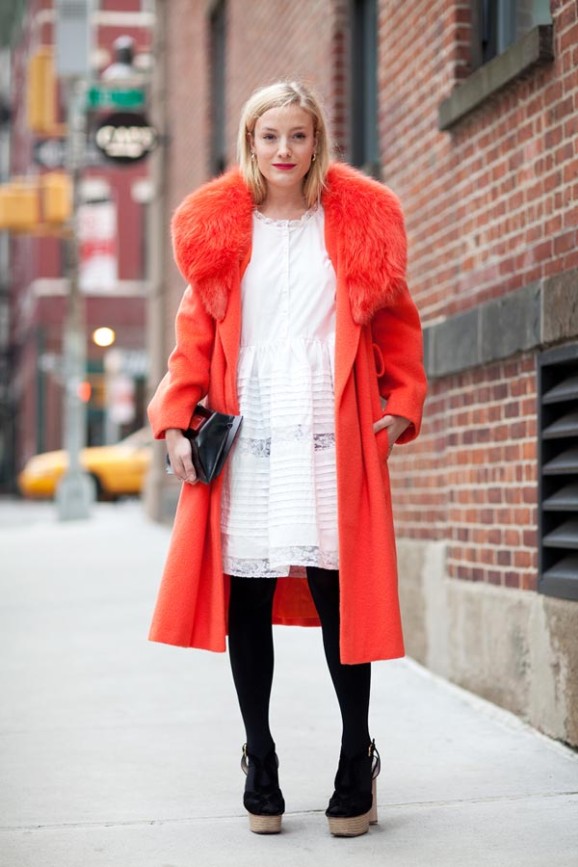
Paris, Milan, New York—three accents of the same language
Paris street frames often favor elongated lines, soft neutrals interrupted by one precise color, and coats that look inherited even when they are new. The romance is in restraint: a scarf knot, a ballet flat, a bag that sits close to the body. Even when a look is expensive, it often pretends not to shout.
Milan sidewalks tend to reward polish and volume—statement outerwear, confident accessories, shoes that announce arrival. Tailoring feels sharper; sunglasses feel permanent. The camera loves the contrast between ornate architecture and decisively modern clothes. Where Paris whispers, Milan often projects.
New York street style frequently mixes commute practicality with fashion-week theater. Layers for temperature swings, shoes that can survive concrete, and a slight toughness under glossy pieces. The city’s energy asks outfits to move, not only pose. A New York photograph that cannot survive a curb cut is usually a costume.
None of these are rules locked in stone. They are patterns that help you see why a photograph feels “European capital” versus “creative district experimental”—a distinction the next gallery pushes harder with Tokyo, Seoul, and London layering.

How to use this gallery without shopping the exact pieces
Treat each photo as a proportion diagram. Ask:
- Where is the visual weight—shoulders, hips, or shoes?
- Is the color story monochrome, tonal, or two-tone with one accent?
- What would break if you swapped the outer layer for something softer?
- Would the look still work without the bag? Without the jewelry?
- Does the outfit still make sense if you remove the fashion-week context and put the person on a Tuesday commute?
Those questions turn a scroll into a styling lesson. They also protect you from chasing every viral item. Street style ages poorly when it is only product ID; it ages well when it teaches silhouette and editing. Keep a notes app with three words per image—coat length, shoe type, accent color—and you will train your eye faster than saving fifty untagged screenshots.
Photographing street style respectfully
If you shoot your own city, remember the ethics the blogs sometimes skipped. Ask when possible. Avoid chasing people who clearly want privacy. Prefer wide public contexts over invasive close-ups. Credit photographers when you share. The strength of street fashion images comes from consent and curiosity, not from treating strangers as free lookbooks.
Lighting matters too. Overcast daylight flatters texture and color accuracy. Harsh noon sun creates raccoon shadows under brows and washes out coat detail. Side light at golden hour can turn an ordinary trench into cinema—useful if you are building a personal archive rather than a paparazzi feed. Shoot full length first, then a detail of shoes or bag; editors often need both.
A quick checklist before you leave the house
Borrow the capital-sidewalk habit without needing a ticket to fashion week:
- Choose the coat or jacket first; build inward.
- Decide one accent only—bag, shoe, or lip color.
- Check the leg-to-shoe line in a full-length mirror.
- Empty the bag of visual clutter; a tidy silhouette photographs cleaner even if no one is shooting.
- Walk a block. If anything fights movement, edit before you commit to the day.
- Glance once more at shoulders: lint, stray hairs, and crooked collars ruin otherwise strong looks in photos.
The individual styles on these streets succeed because someone edited. That is the useful souvenir from a global street style gallery focused on fashion capitals: not a shopping list, but a sharper eye for coats, shoes, and the one detail worth keeping loud. When you are ready for denser stacks and colder creative districts, the next chapter waits; when you want color and accessory leadership, the third chapter waits. Start here with architecture.

Comments
Continue reading
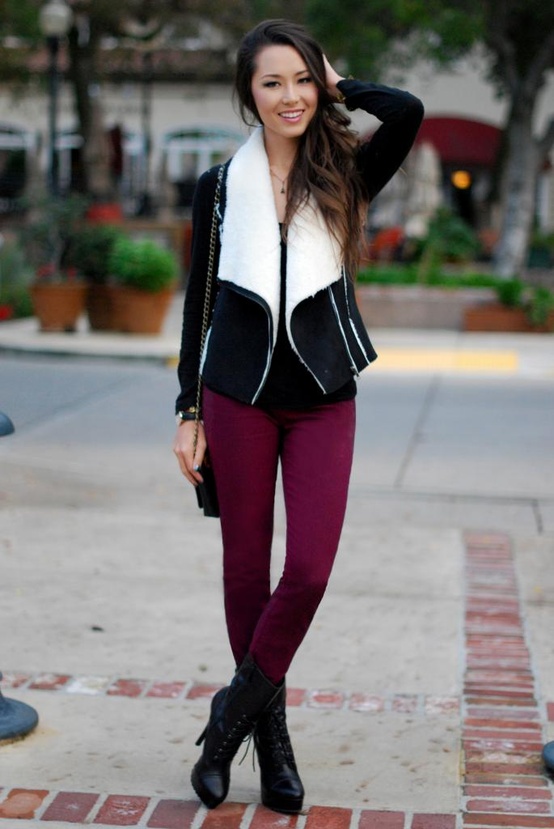
Global Street Style #3: Color, Warm Climates, and Hero Accessories
LA, Mediterranean, and Rio-spirited street looks where bags, shoes, sunglasses, and jewelry lead the silhouette instead of heavy coats.
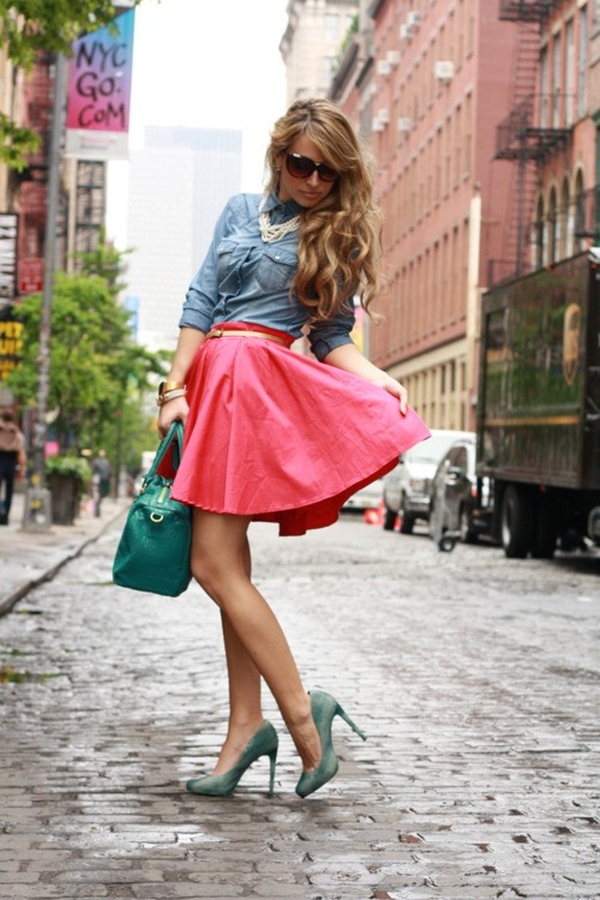
Global Street Style #2: Layering in Tokyo, Seoul, and London
Creative-district street fashion through denser stacks—texture contrast, length mismatch, and cold-weather layering moves that still walk.
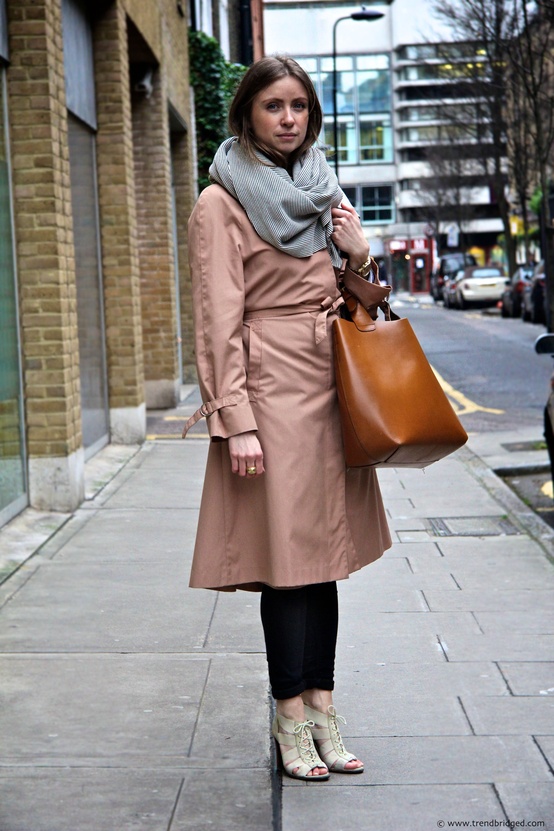
Winter Street Style, Part 2: Layering Systems That Hold Up Outside
A second look at winter street fashion—coat architecture, wearable layers, footwear honesty, and three outfit formulas built for real cold-weather days.