
Inviting Autumn Table Settings: Centerpieces, Place Settings, and Warm Light
Ideas for inviting autumn table settings—palettes, low centerpieces, place settings, and candlelight—plus a host checklist so the table stays beautiful and usable.
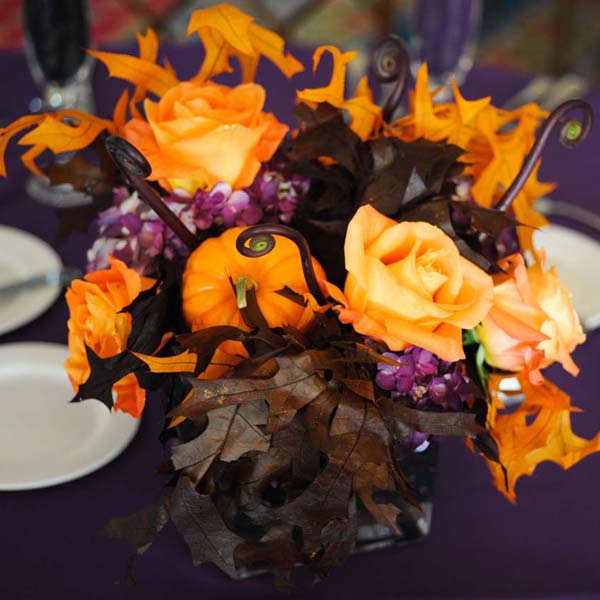
Autumn table settings work best when the season shows up as atmosphere, not as a pile of orange props. Think warm light, tactile layers, and a centerpiece that looks gathered rather than staged for a catalog. Whether you are hosting a harvest dinner, a casual Friendsgiving, or a quiet weeknight that deserves better than takeout containers, the same design moves apply: choose a palette, build height carefully, and leave room for plates and elbows.
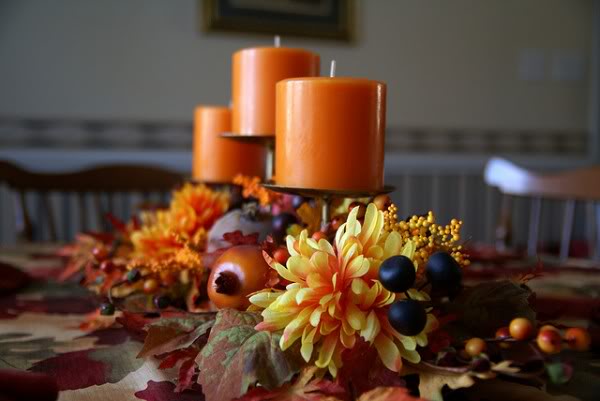
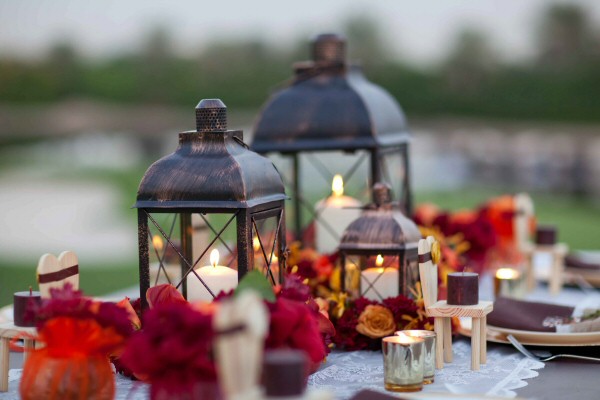
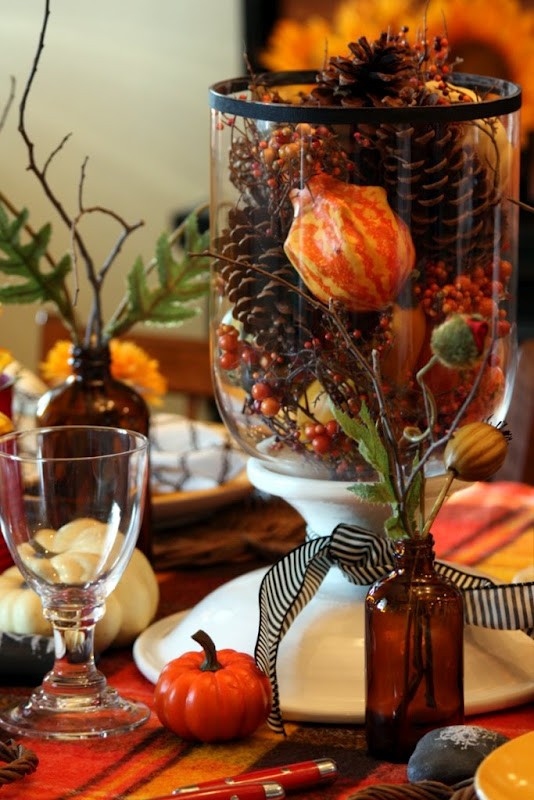
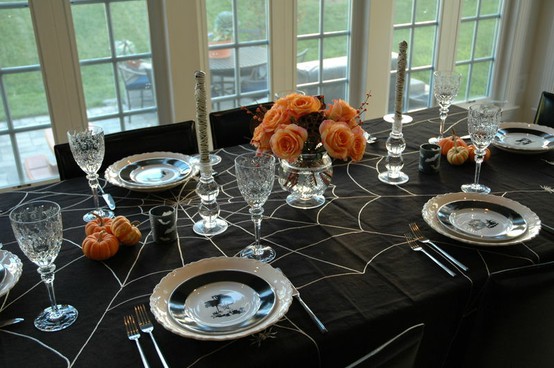
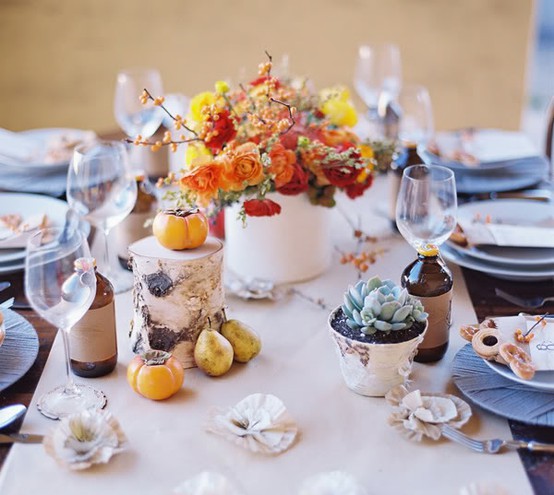
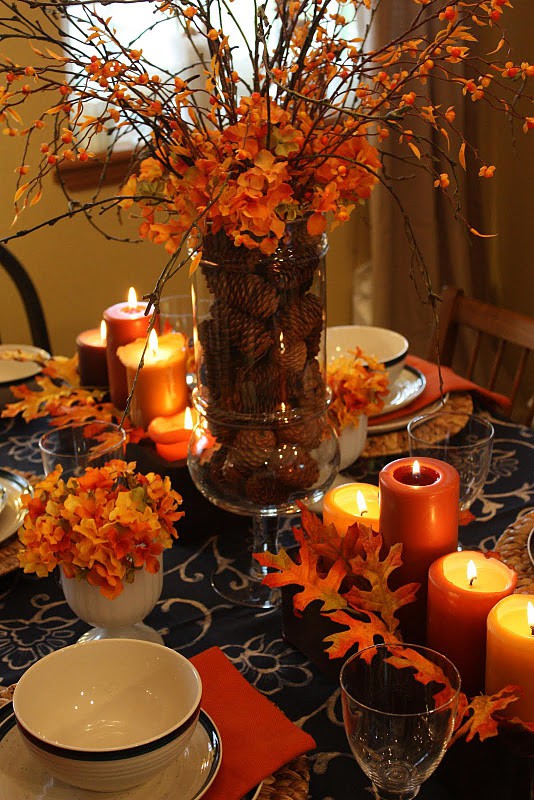
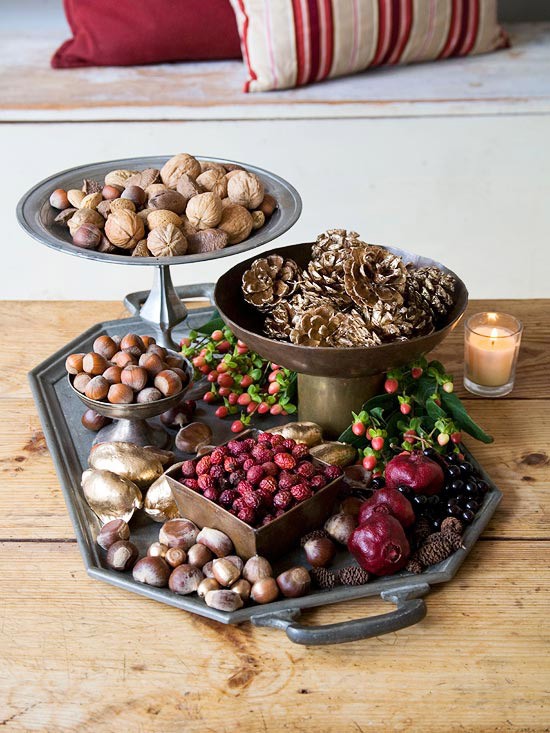
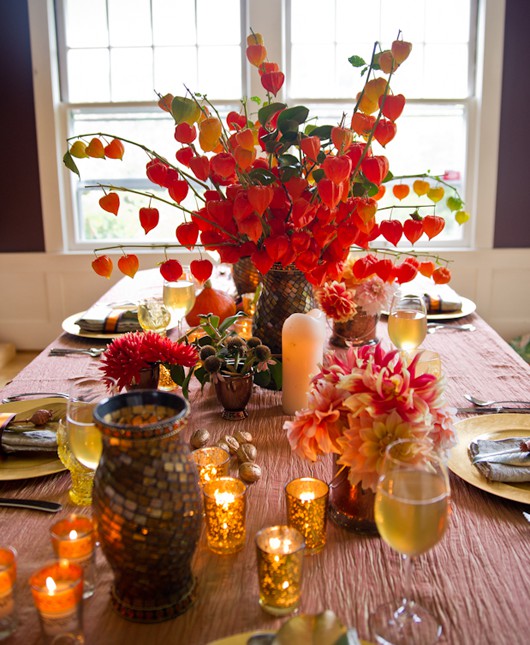
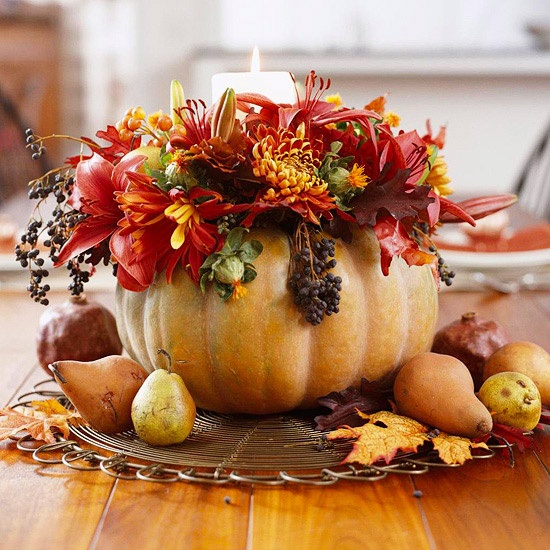
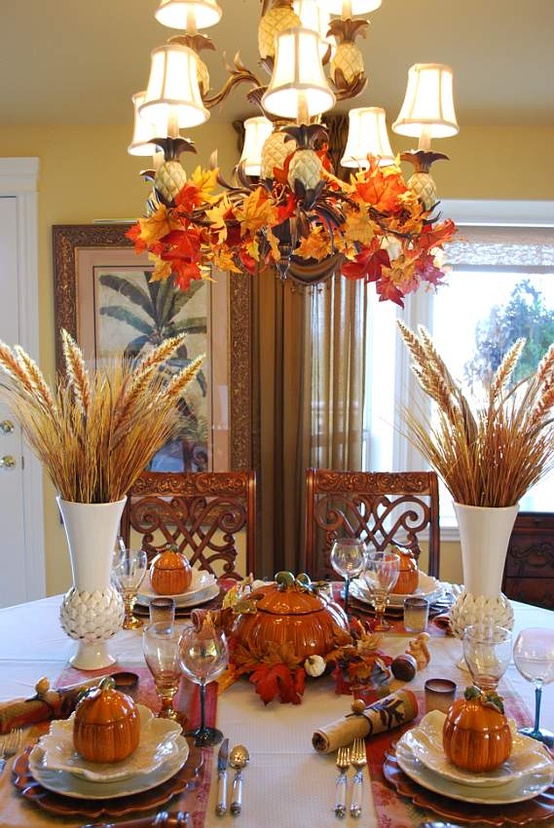
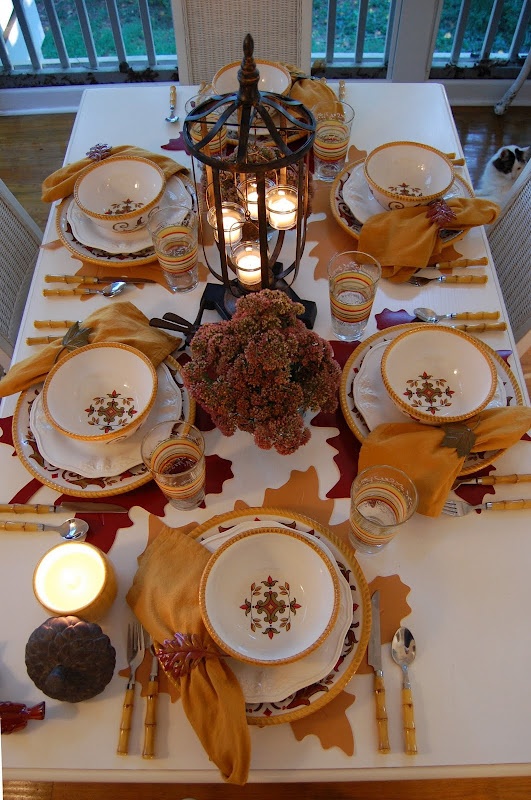
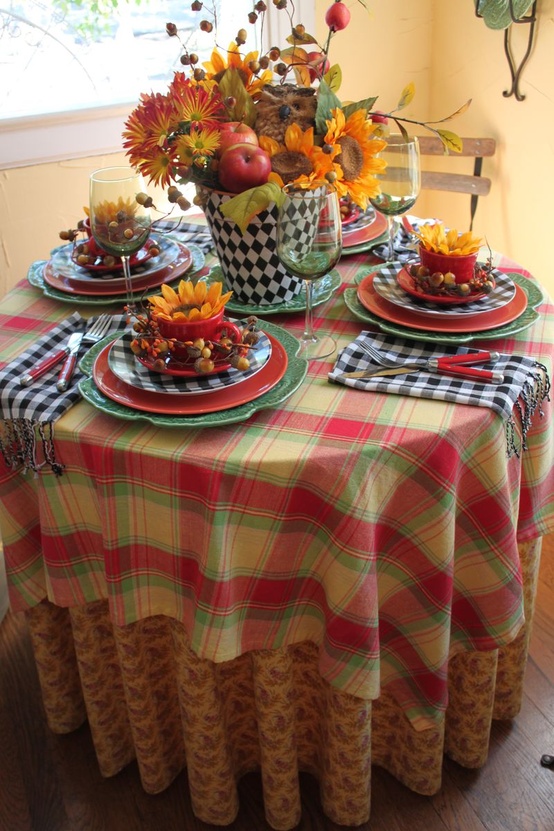
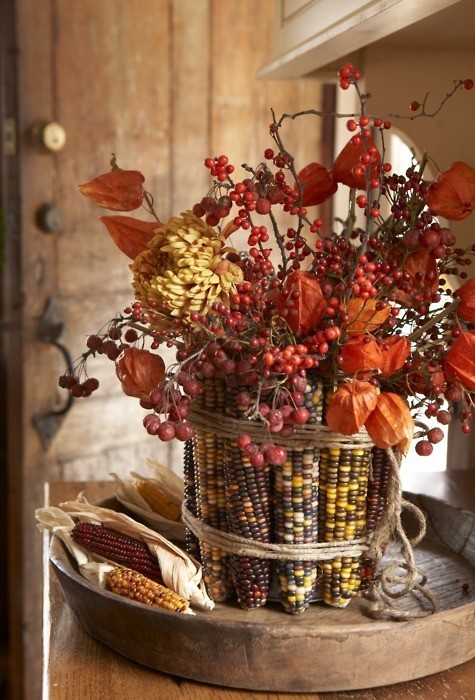
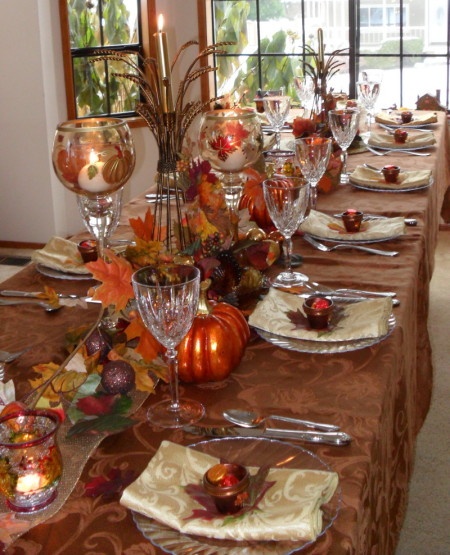
The photographs below gather inviting autumn table settings and centerpieces—pumpkins and gourds, leaves and berries, candles, wood, linen, and metallic accents. Use them as a mood board. Steal one idea at a time rather than copying every element into a crowded table that nobody can actually use. Beauty that blocks the gravy boat is only half a success.
Start with palette, not products
Before you shop or forage, pick a color story. Classic autumn leans into rust, ochre, deep green, burgundy, cream, and wood brown. A quieter scheme might stay in cream, taupe, soft gold, and dried grass. A bolder table can introduce charcoal or black as a foil so oranges and reds feel intentional instead of default. Write the four colors on a note and keep it in your pocket while you gather materials; impulse buys in a fifth hue are how tables turn muddy.
Limit yourself to three or four main colors plus neutrals. That restraint is what makes magazine tables look calm. Too many saturations fight the food. Remember that dishes, napkins, and candlelight count as color too. White plates are forgiving; patterned china needs simpler foliage. Metallic chargers or flatware can warm a pale scheme the way late-afternoon sun warms a room. If your flatware is cool silver, a brass candlestick or two can bridge the temperature gap without replacing the whole set.
Texture does as much work as hue. Linen wrinkles beautifully. Burlap can feel rustic if you keep quantities small. Smooth ceramic next to rough bark or matte pumpkin skin creates contrast without adding another color family. If a surface already has strong grain—a farm table, for example—skip heavy runners that hide it. Let the wood participate. Conversely, a glossy dining table often benefits from a cloth or runner that softens reflections under candlelight.
Centerpieces that invite conversation
A centerpiece should look generous from every seat and still allow guests to see one another. Aim for either a low, long composition down the middle or a few clustered vessels at staggered heights that leave sightlines open. One towering arrangement can work on a buffet; on a seated dining table it often becomes a wall between relatives who already have enough to negotiate.
Natural materials carry autumn better than plastic glitter. Small pumpkins and squash, crab apples, dried hydrangeas, wheat, eucalyptus, olive branches, pinecones, and fallen leaves (pressed flat if they shed) all photograph warmly and cost little if you mix store finds with what is already outdoors. Group odd numbers. Vary scale: one larger squash, several medium gourds, a scatter of nuts or berries. Repetition down a long table beats one overloaded cluster in the middle that leaves the ends looking abandoned.
Containers matter. Wooden trays, dough bowls, cake stands, galvanized buckets, clear glass hurricanes, and ceramic pitchers each set a different tone. A tray keeps a “gathered” look from looking messy because it creates a visual border. Water-filled vases need sturdy stems; dried arrangements need almost none. If children or pets will be nearby, avoid toxic berries and unstable towers of produce. Place anything breakable or tippy toward the center, not at the edge where sleeves pass.
Place settings with seasonal manners
Inviting tables feel personal at the place setting. A cloth napkin in a seasonal fold or simple ring, a place card written by hand, or a single leaf tucked under a fork can do more than a crowded charger stack. Keep the working zone clear: dinner plate, salad plate if needed, glassware, and flatware should not compete with decorative objects for the same inches. Guests should be able to sit down without moving three props first.
Layer thoughtfully. A charger or placemat defines territory. A salad plate can hold a mini pumpkin or favor until the first course arrives—then the prop moves to a sideboard. Stemware benefits from a little sparkle; even inexpensive glasses look richer beside candlelight. If your china is white, patterned napkins or a colored runner pull the autumn palette through without buying a new dinnerware set. Mismatched vintage plates can look intentional if they share a color family; chaos without a common thread looks accidental.
For buffet-style meals, simplify individual places and put the drama on the serving table. Guests will remember the glow and the smell of food more than whether every fork matched. Leave a clear landing zone at each place for a full plate so people are not balancing dinner on their knees while admiring your foliage.
Light, scent, and the last ten percent
Candlelight is the fastest upgrade to an autumn table. Mix pillar candles in hurricanes with low votives so flame height varies. Keep open flames away from dry leaves and trailing ribbons. LED candles are a sensible swap near kids, drafts, or highly flammable dried arrangements. Dim overhead lights if you can; warm bulbs beat cool white for food and faces. A dimmer switch, if you have one, is worth more than another decorative gourd.
Scent should support dinner, not compete with it. A lightly spiced simmer pot in the kitchen, a wood fire if you have one, or unscented candles on the table itself usually beats heavy perfume candles beside the turkey. Fresh herbs—rosemary, thyme, sage—can do double duty as decoration and aroma when tucked into napkin ties or small jars. Skip competing plug-ins in the dining room on serving night; noses fatigue quickly.
Music volume, coat storage, and a clear path to the kitchen finish the hospitality that photos cannot show. A beautiful table that traps guests or blocks serving dishes is only half inviting. Test the route from stove to table with a full platter in your hands before anyone arrives.
Quick styling recipes
If you want a formula instead of freestyle foraging, try one of these:
- Farmhouse runner: linen runner, mixed mini pumpkins, eucalyptus, three glass hurricanes, wood slice accents.
- Modern harvest: bare wood, white ceramics, single-color squash (all cream or all green), brass candlesticks, one sculptural branch.
- Romantic fall: soft florals in blush and burgundy, taper candles, velvet ribbon napkin ties, low mirrored tray.
- Outdoor twilight: sturdy lanterns, plaid throws on chair backs, heavier weights on cloth so wind does not rewrite your design.
Scale each recipe to table length. A six-foot table needs repetition—clusters every couple of feet—more than one oversized bouquet in the middle. For round tables, keep the centerpiece compact and circular so no seat inherits a blank half of the design. For narrow rectangle tables, prefer a line of low objects over a wide tray that steals plate space.
Day-of timing helps. Build the nonperishable parts the night before: runner, candles, trays, place cards. Add fresh leaves, cut flowers, and anything that wilts closer to guest arrival. That split keeps the table looking alive without forcing a frantic morning of arranging while the roast waits.
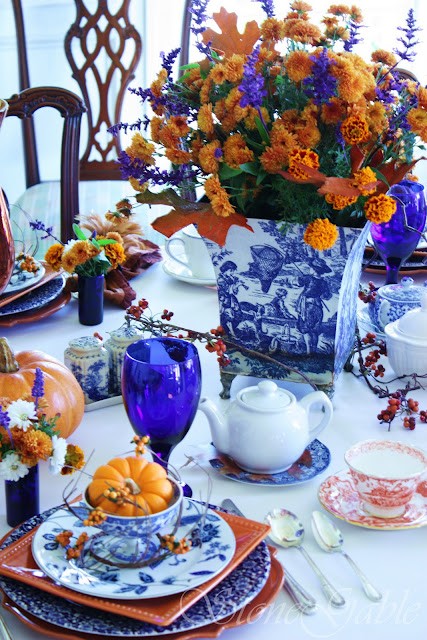
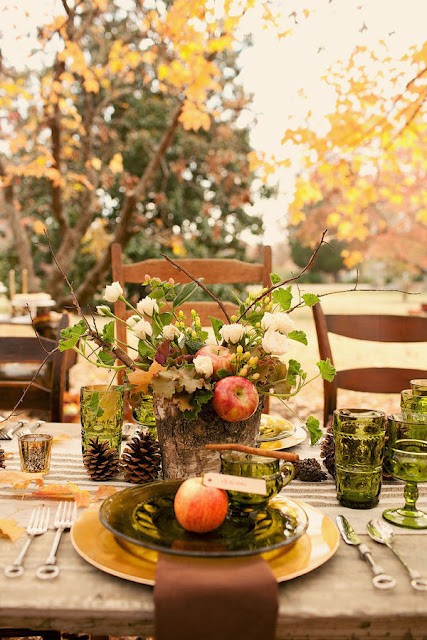
Before guests arrive, walk the table once with a host’s checklist: Can everyone see across? Is there a landing spot for serving platters? Are candles stable? Do place settings still have room after the centerpiece went in? Edit one more object than you think you should. Empty space is part of an inviting autumn table—it leaves room for the meal, the conversation, and the season’s softer light.

Comments
Continue reading
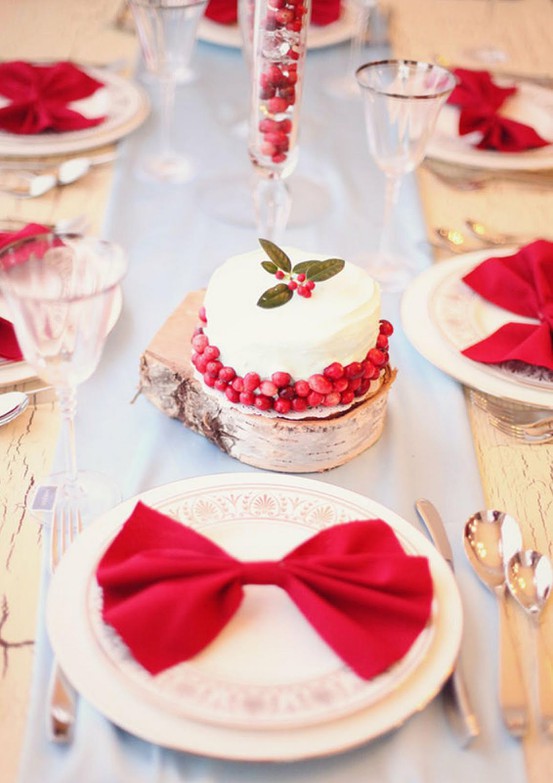
Christmas Tablescapes: Color, Height, and Place Settings That Work
How to build a Christmas table with a clear palette, usable height, strong place settings, and natural accents—plus a practical setup order for real dinners.
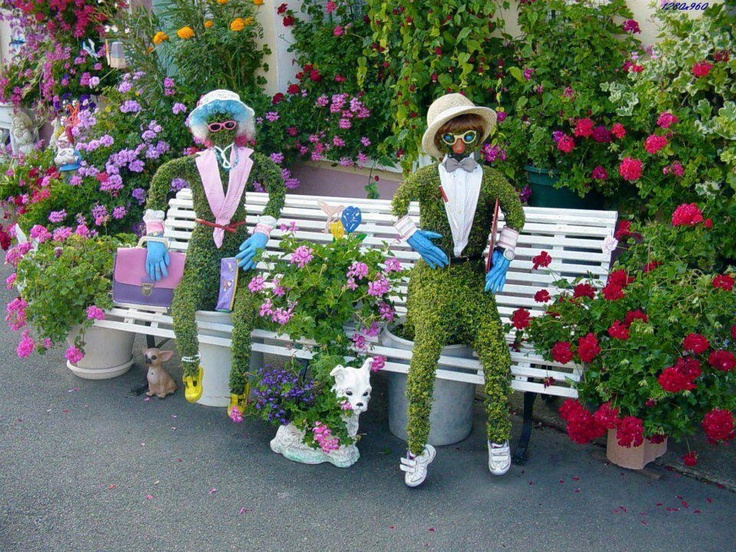
Garden Decoration Beyond Beds: Lace, Mosaiculture, and Upcycled Yard Art
From dressed topiary and floral cyclists to license-plate dragonflies and lace between trees—garden decorations that give a yard a voice.
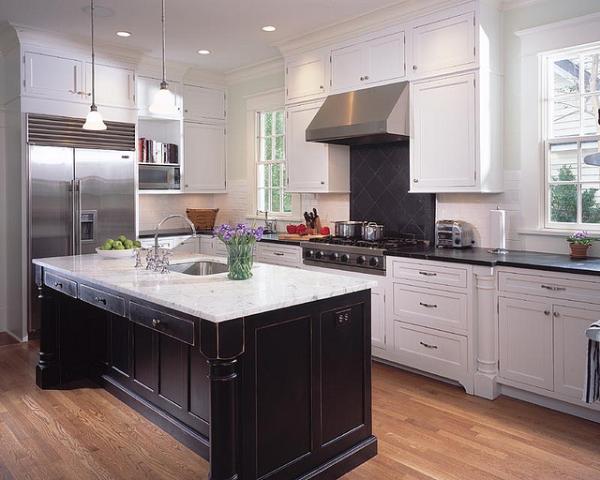
Kitchen Design Ideas: Layout, Storage, Light, and Finishes That Work
Practical kitchen design ideas—work zones, cabinetry, lighting, and durable finishes—so inspiration translates into rooms that cook and gather well.