
Christmas Tablescapes: Color, Height, and Place Settings That Work
How to build a Christmas table with a clear palette, usable height, strong place settings, and natural accents—plus a practical setup order for real dinners.
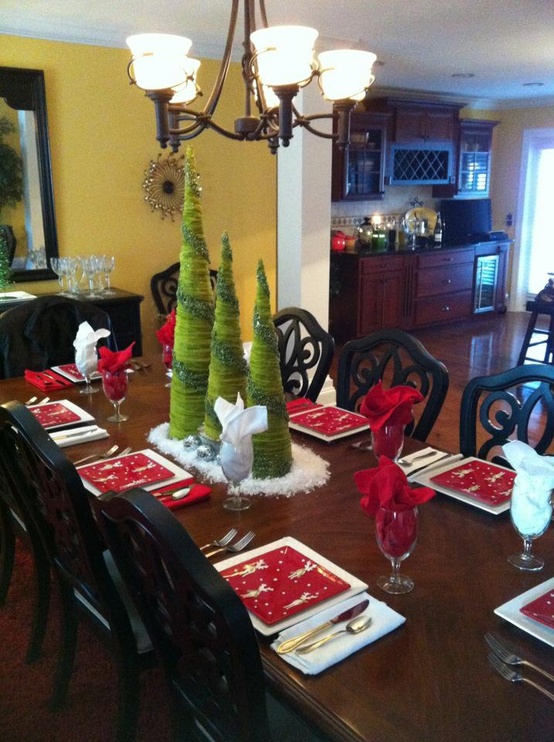
A Christmas tablescape is not a pile of red-and-green objects on a cloth. It is a temporary stage for a meal: color, height, light, place settings, and one clear idea that guests can read in a glance. The best holiday tables feel generous without becoming obstacle courses. They leave room for serving bowls, elbows, and conversation.
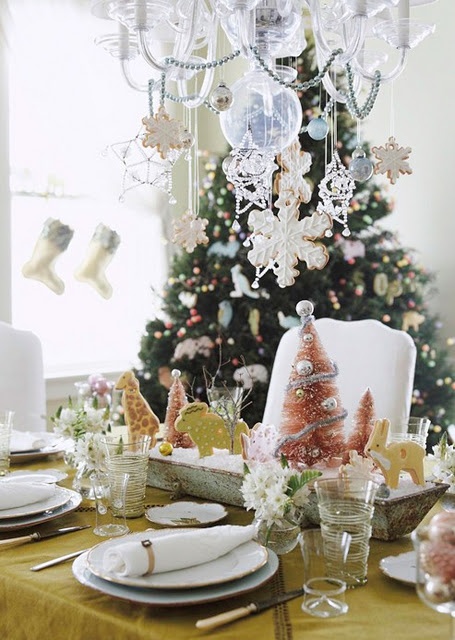
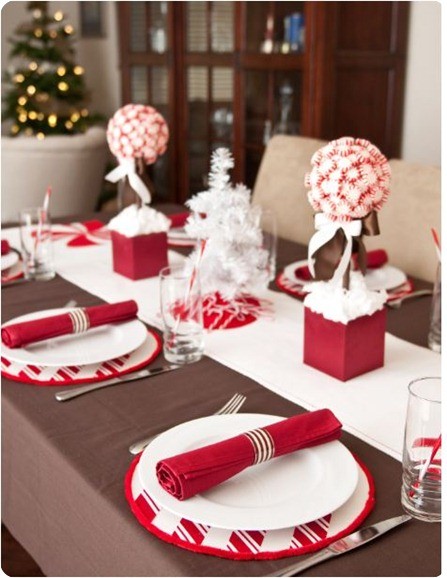
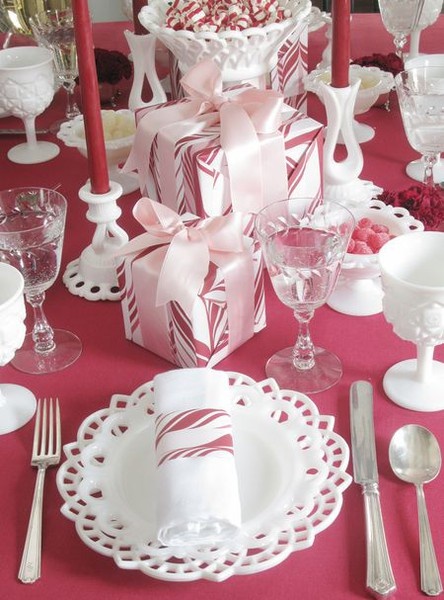
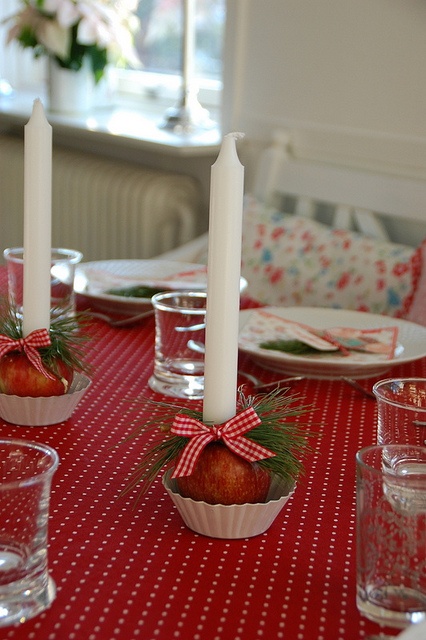
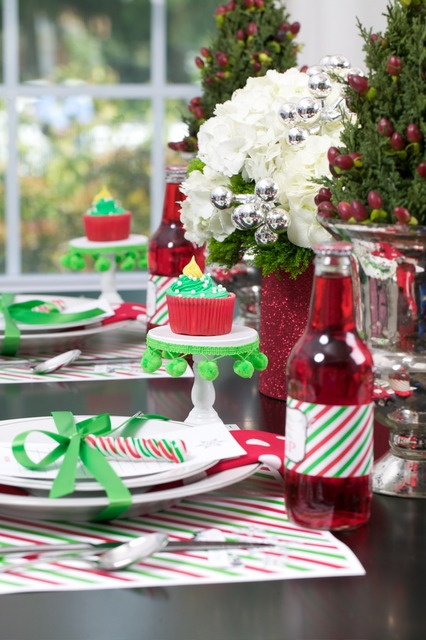
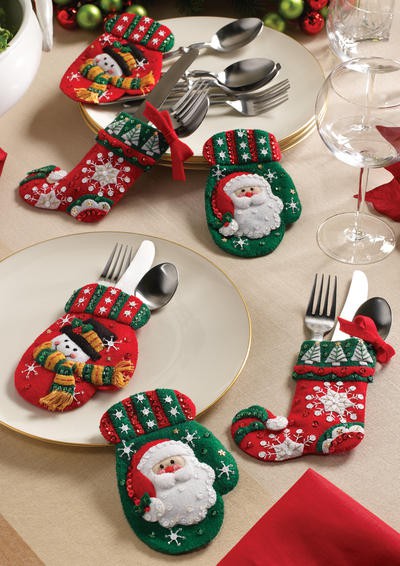
The gallery below collects Christmas table looks that range from soft winter pastels to deep jewel tones and quieter naturals. Use them as mood boards, then build a version that fits your dishes, your room, and the number of people who will actually sit down.
Start with one palette, not every holiday color
Most failed Christmas tables fail at the palette. Red, green, gold, silver, plaid, glitter, and a snowman candle all fighting for attention will look busy even if every object is pretty. Pick a lead color and one metal. Everything else should support that pair.
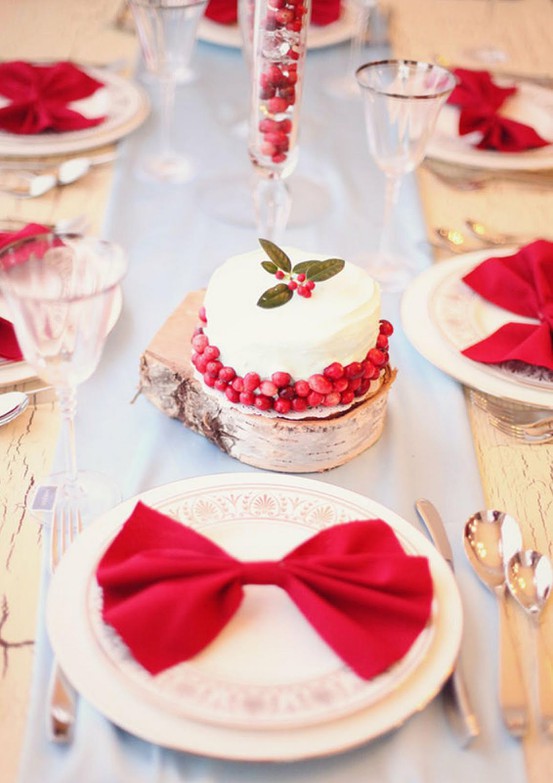
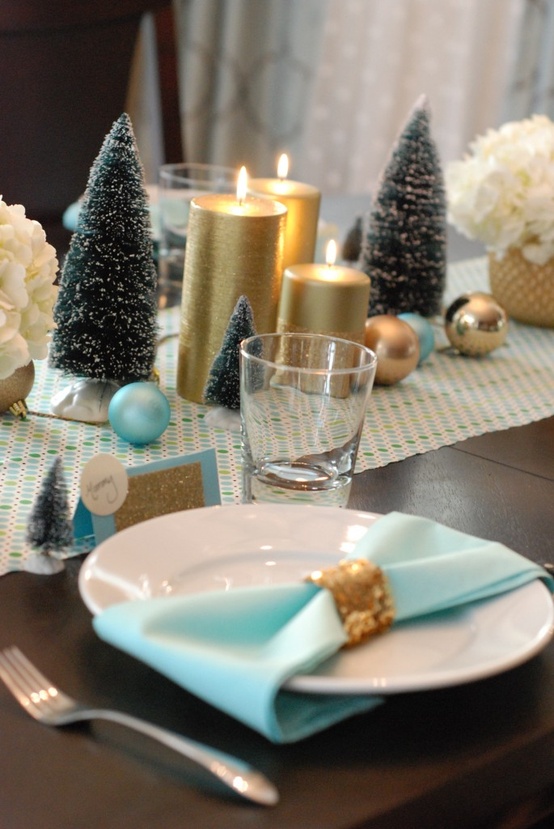
A powder-blue runner with white plates and sharp red napkin bows is a good example of restraint with punch. The blue cools the scene; the red does the festive work; the birch slice and cranberries keep the centerpiece edible and grounded. You do not need a full forest of greenery if fruit, wood, and one tall glass cylinder already give height and texture.
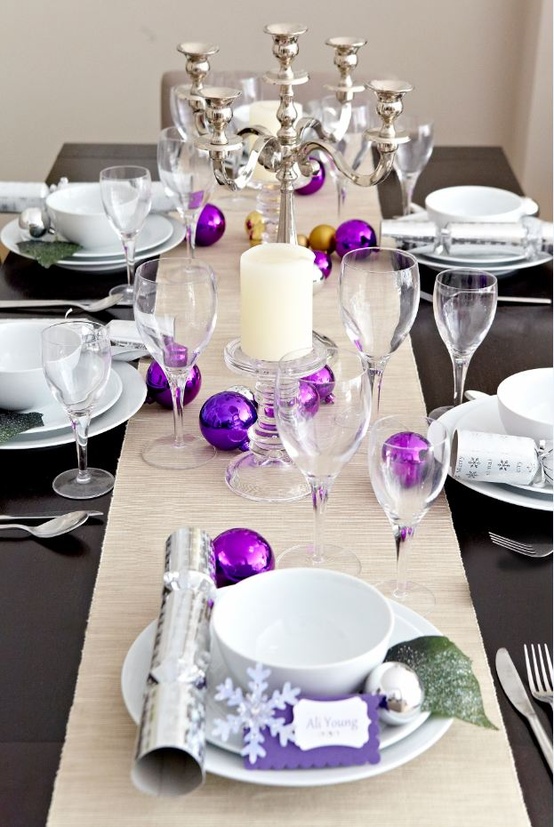
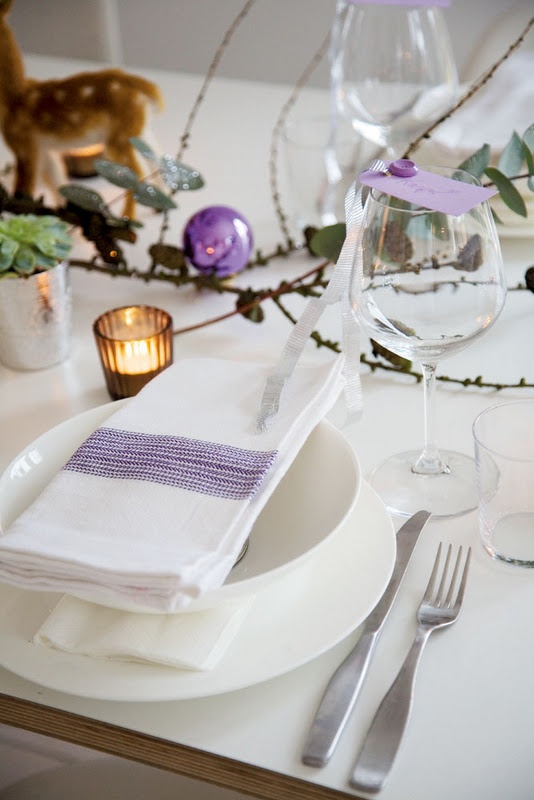
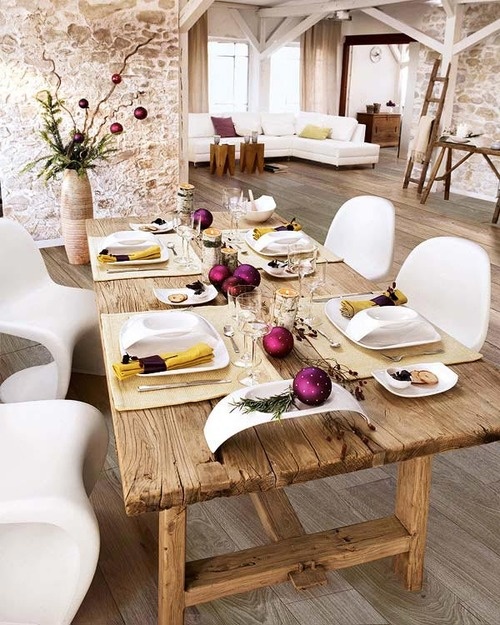
Purple and silver lean more evening-formal. Dark wood, a beige runner, purple baubles, and a silver candelabra read as winter party rather than farmhouse brunch. Place cards with a small snowflake ornament turn the setting into a welcome without adding clutter. If your china is plain white, jewel tones and metallics do the decorating for you.
Build height the way a florist does
Flat tables look unfinished. Guests need a vertical rhythm: low place settings, a mid-height runner story, and one or two taller notes that do not block faces. Candles, stacked cake stands, tall cylinders, and branched greenery are the usual tools. Keep the tallest pieces toward the center or ends, not directly between two people who will talk across the table.
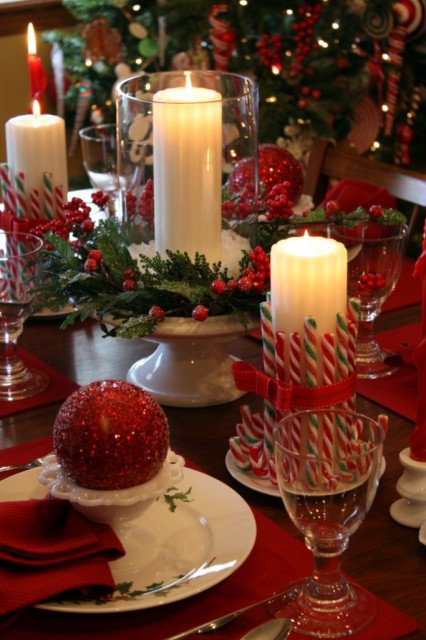
If you use candles, mix heights and keep flame clear of greenery and napkin bows. Battery tapers can stand in where open flame feels risky, but real wax still photographs warmer. Glass hurricanes protect flame and add another reflective surface that catches string lights from the room.
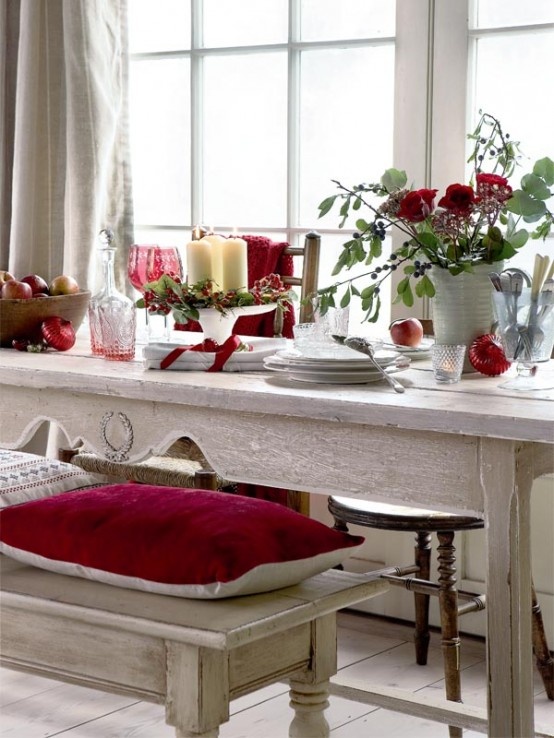
Food can be décor. A small frosted cake on a wood round, a bowl of citrus, a cluster of pears with cloves, or a tray of cookies at one end gives the table a reason beyond ornament. Edible centerpieces also solve the problem of “too precious to move when dinner arrives.”
Place settings do more work than centerpieces
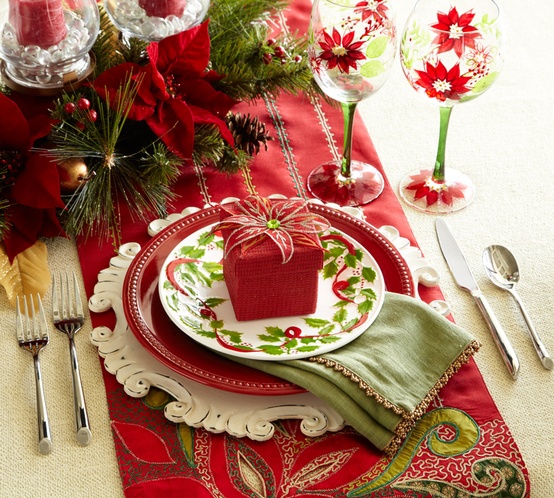
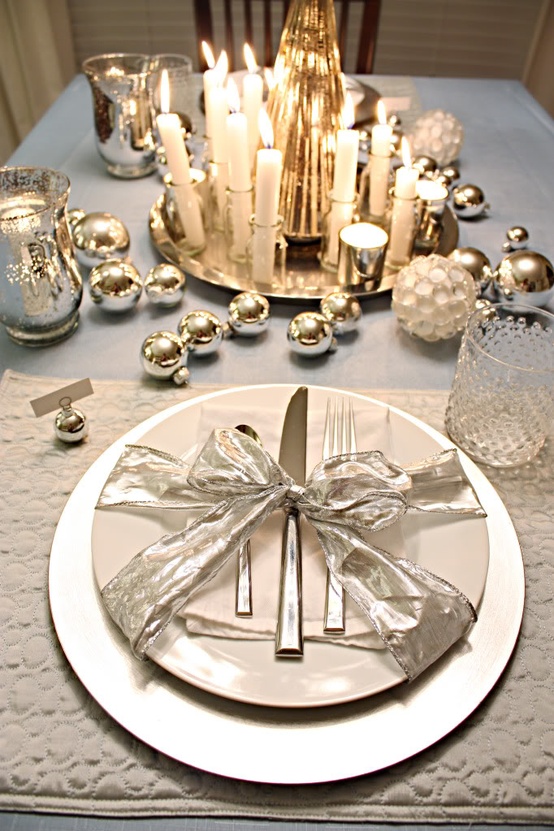
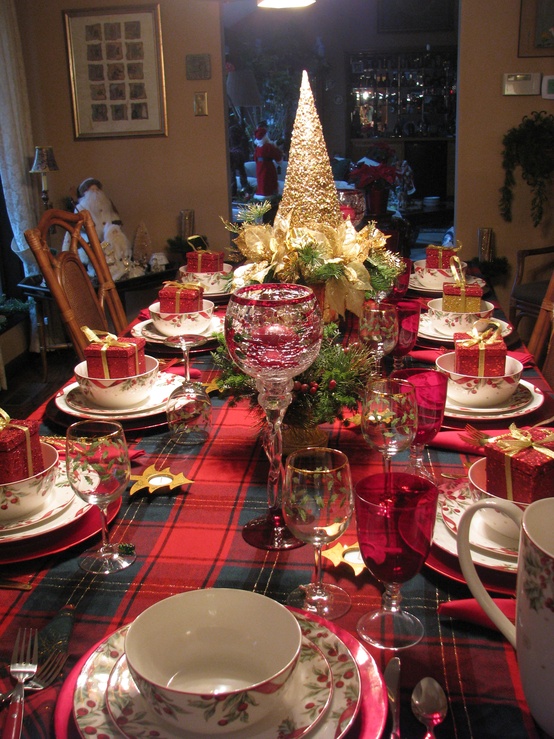
Guests experience the table first at their seat. A charger or patterned dinner plate, a bowl or salad plate, a thoughtfully folded napkin, and clear glassware will carry the theme even if the center is simple. Layer textures: linen against ceramic, matte against gloss, a single metallic ornament against white china.
Napkin folds matter more than people admit. A crisp red bow on the plate is theatrical and fast to repeat. A soft roll in a napkin ring is quieter. A sprig of rosemary or a cinnamon stick tucked into the fold adds scent without buying more décor. Whatever fold you choose, test one place fully before you commit to twelve.
Flatware should look intentional. Polished silver beside cool blues and reds; warmer brass or gold with cream, wood, and greens. Mixing metals can work if one dominates and the other appears only in small accents. Crowding every knife, spoon, and specialty fork for a simple meal only creates anxiety. Set for the courses you will actually serve.
Natural materials keep plastic sparkle in check
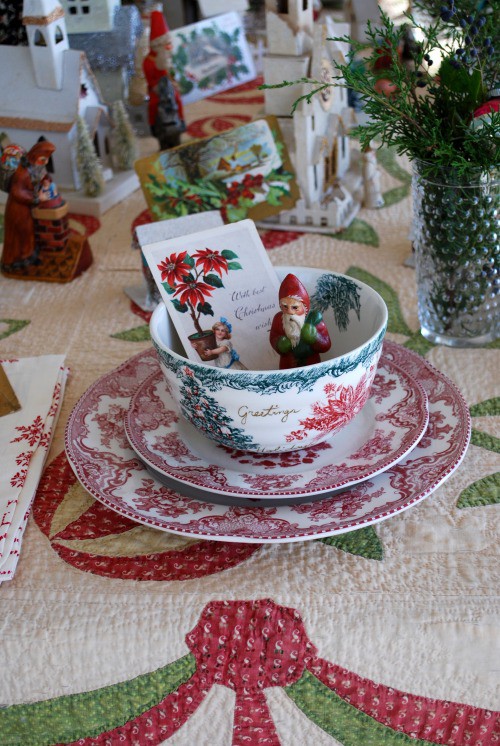
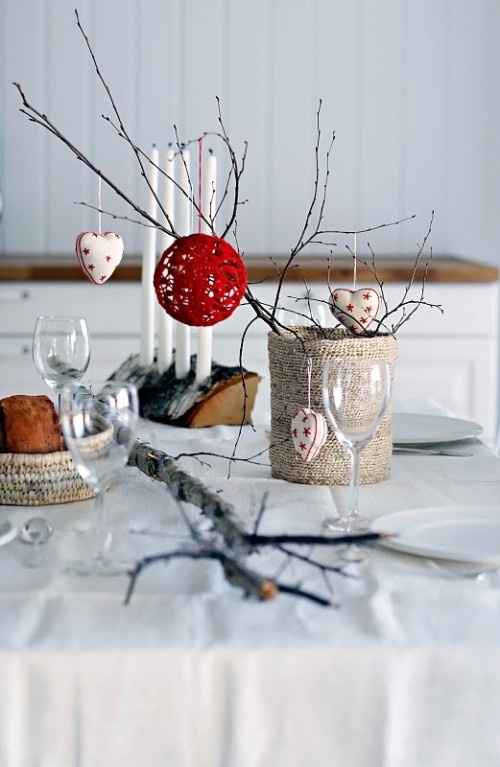
Fresh greenery, pinecones, birch, cranberries, oranges, and unpolished wood stop a Christmas table from looking like a store display. Even a modern purple-and-silver scheme benefits from one organic note—a leaf, a branch, a candle with visible wax drip—so the eye has somewhere soft to rest.
If you use cut greenery, prep it the day before: strip lower leaves, soak stems, and keep arrangements away from heat vents. For long dinners, choose hardy cuttings or mix fresh pieces with a few durable faux stems in hidden water tubes. Scatter less than you think you need; negative space on a runner is part of the design.
Wood rounds, trays, and boards double as risers for candles and as serving platforms. They also protect the tablecloth from wax and moisture. A distressed white table under a blue runner already supplies texture; you do not have to cover every inch of wood.
Match the table to the meal and the room
A formal multi-course dinner can carry more glassware, place cards, and candlelight. A daytime brunch wants lower arrangements, brighter cloths, and easier reach for platters. Buffet service needs a clearer center or a runner that can be cleared in sections. Ask what people will pass, pour, and photograph, then design for that traffic.
Lighting in the room matters as much as candles on the table. Dim overhead fixtures, turn on lamps, and let candlelight do the intimacy work. Harsh ceiling glare kills even a beautiful tablescape. If your dining area opens to a living room tree, echo one color from the tree ornaments on the table so the house reads as one composition.
Small tables need ruthless editing: one runner strip, low candles, and place settings that do not steal plate space. Large tables can handle a repeated motif every two seats—ornament cluster, votive trio, greenery sprig—so the center does not look stranded in the middle of a blank ocean.
A practical build order
Work in this sequence so you do not decorate yourself into a corner:
- Clear and clean the table; decide cloth or bare wood.
- Lay the runner or placemats and set chairs where people will sit.
- Place plates, flatware, and glassware for every seat.
- Add napkins and any place cards or small seat gifts.
- Build the center line last, editing until sightlines across the table stay open.
- Light candles, step back to the doorway, and remove one more object than you think you should.
Photograph the table before guests arrive if you care about the look; once serving dishes land, the composition will change. Keep a tray nearby for leftover décor so you can clear quickly when food needs the real estate.
- One lead color + one metal
- Open sightlines across the table
- Napkins and plates finished before the centerpiece
- At least one natural material
- Candles safe, light soft, room dimmed
If those five checks pass, the meal can do the rest.

Comments
Continue reading
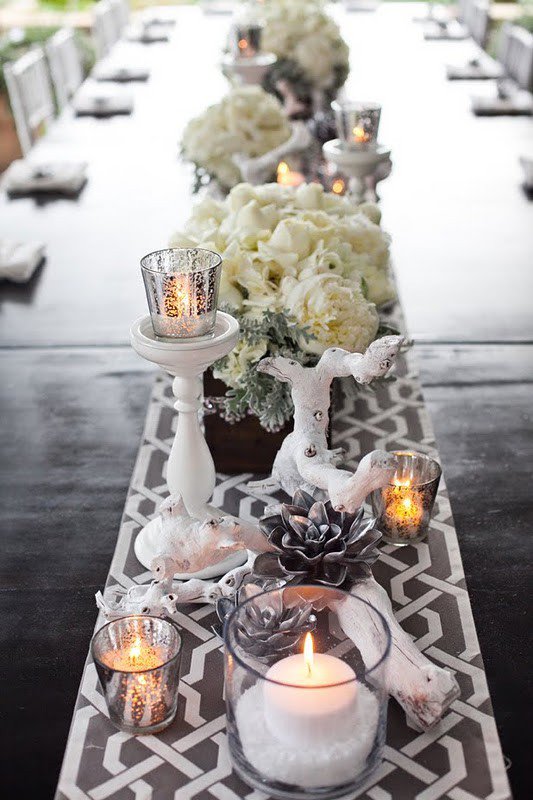
White Winter Creamy Tablescapes
Ivory runners, candlelight, and pale centerpieces — how to build a creamy white winter table that feels seasonal without crowding every place setting.
DIY Christmas Ornaments with Paint, Glitter, Crystals, and Filled Balls
Turn plain ornament blanks into a cohesive handmade tree with painted swirls, sealed glitter, crystal accents, filled scenes, and ribbon hangers that store cleanly for next year.
Christmas Lights Around the World: Ten City Displays
From Vienna’s markets to Medellín’s river canopy and Singapore’s Orchard Road—ten cities where public Christmas lights turn night into a destination.