
Global Street Style #2: Layering in Tokyo, Seoul, and London
Creative-district street fashion through denser stacks—texture contrast, length mismatch, and cold-weather layering moves that still walk.
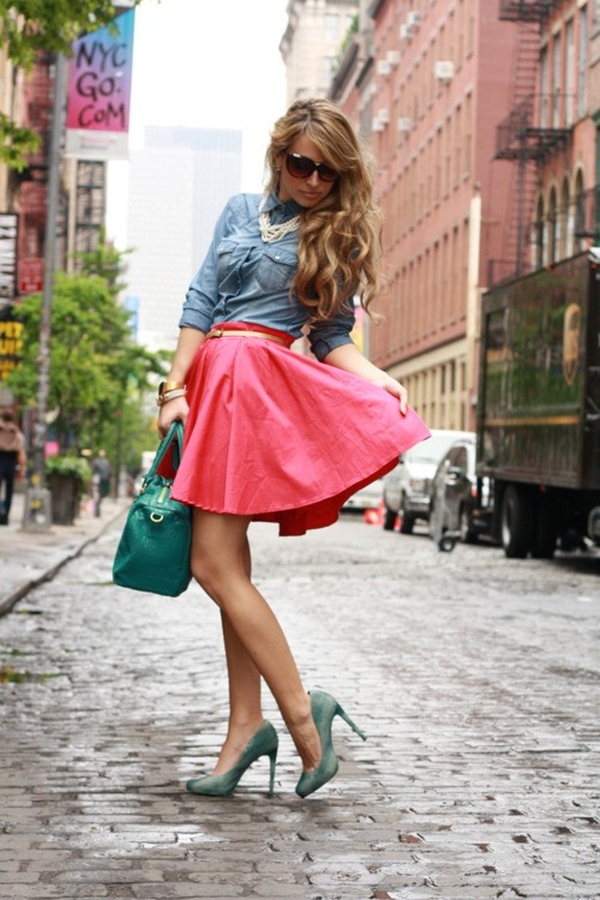
If the first global street style gallery taught capital-sidewalk polish, this second set turns toward denser layering and creative-district risk. Think Tokyo backstreets, Seoul youth hubs, and London’s colder months—places where pattern clash, volume stacking, and unexpected proportions read as fluency, not accident.
These photographs still celebrate individuals rather than runway front rows. The difference is temperature and texture. More coats over coats. More knit against leather. More sneakers under tailored pieces. More hair and makeup that refuse the “neat for the show” code. Where part one favored clean architecture, part two favors collage you can wear onto a train.
Why colder cities invent better layers
When weather demands insulation, style becomes a stacking problem. You cannot rely on a single perfect dress. You build systems: base, mid, shell, scarf, hat. Each layer must earn its place in motion. That constraint produced some of the most interesting street photographs of the early 2010s—outfits that look assembled rather than purchased as a set.
Tokyo and Seoul scenes especially rewarded visible construction: contrasting hems, peeking prints, socks as design, bags worn across the body like equipment. London added wool, waxed cotton, and a certain muddy glamour that survives bus spray. Across these cities, the camera loves depth—clothes that reveal a second idea when the wearer turns.
Layering also democratizes experimentation. A thrift coat, a graphic tee, and a sharp blazer can hit the same compositional notes as a fashion week sidewalk if lengths and textures negotiate well. Cost matters less than rhythm. That is why this chapter feels different from the polished capital set: the hero is the stack, not the single perfect coat.
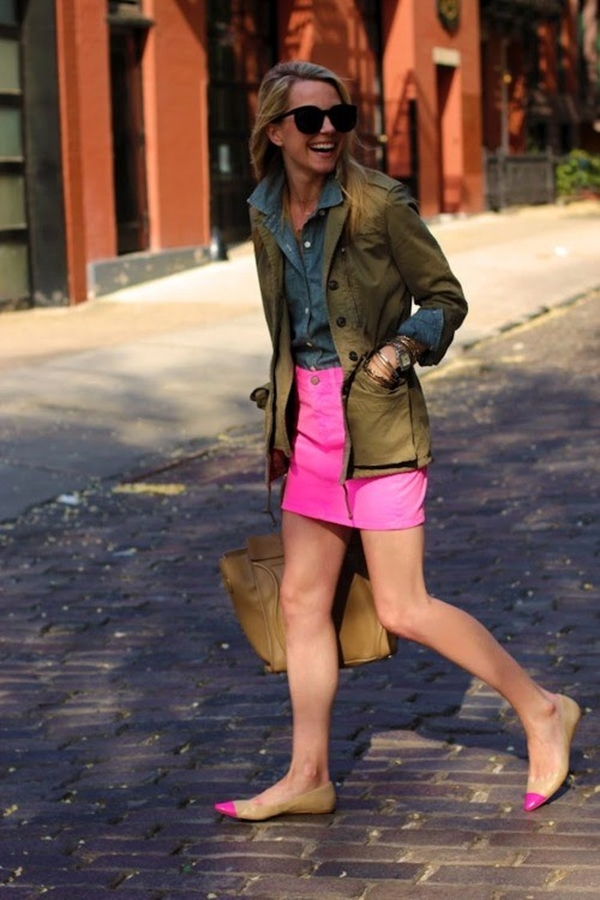
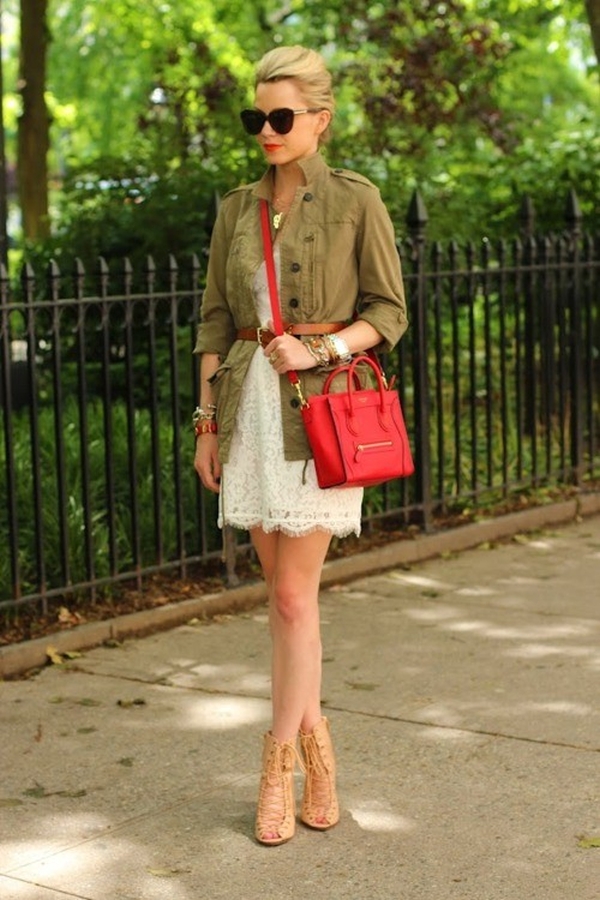
Six layering moves visible in this gallery
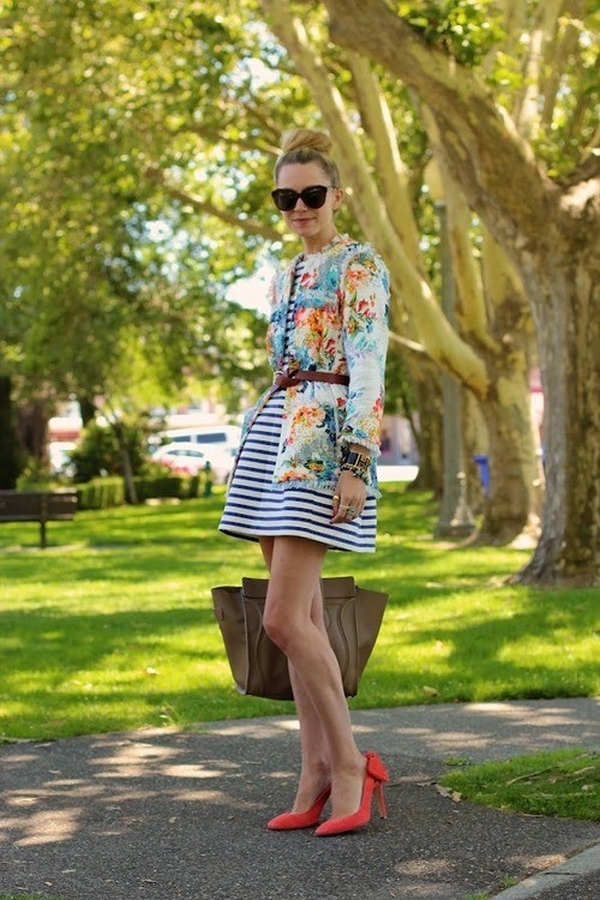
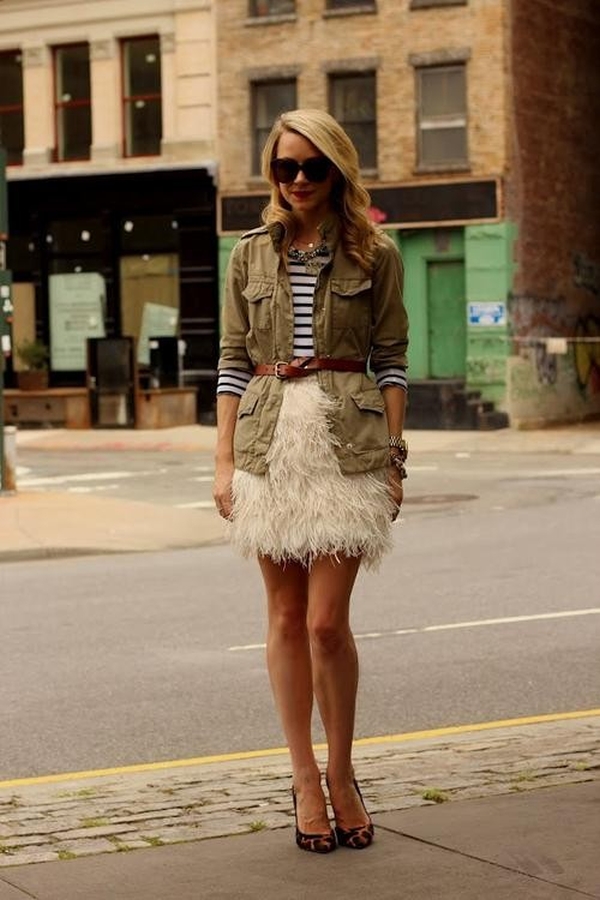
- Length mismatch on purpose. A short jacket over a longer shirt or dress creates a horizontal break the eye reads as intentional design.
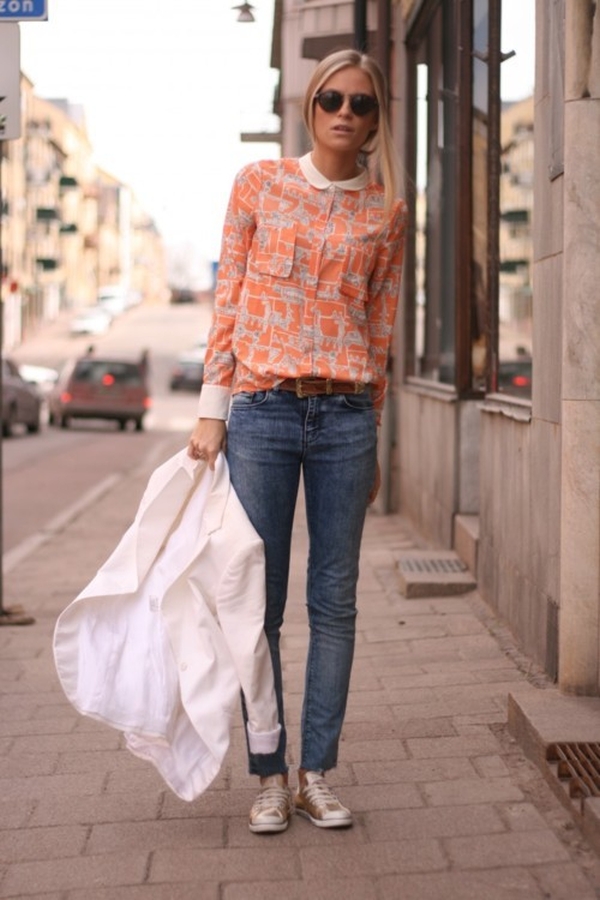
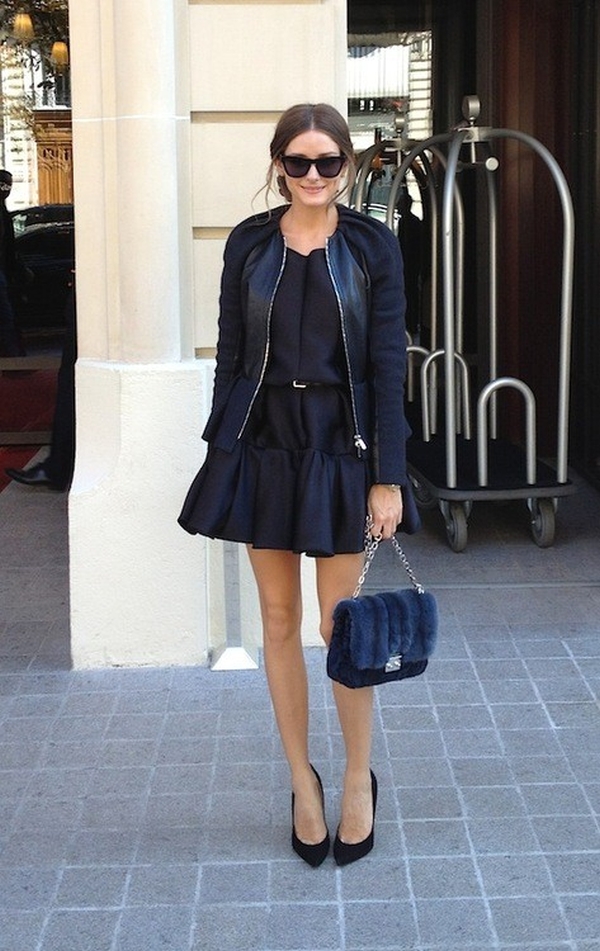
- Hard over soft. Leather or denim shells over knits and chiffon give photographs tactile contrast even in flat light.
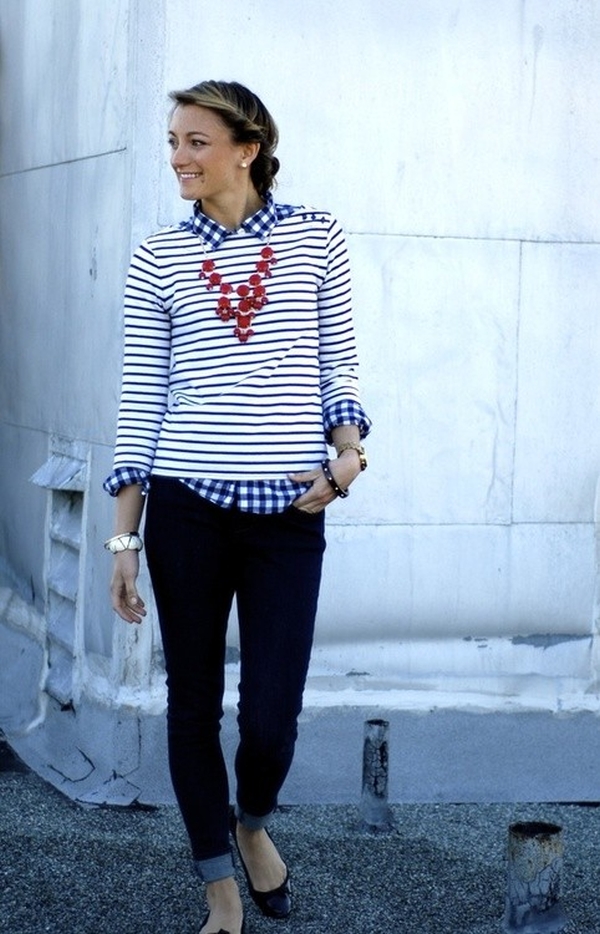
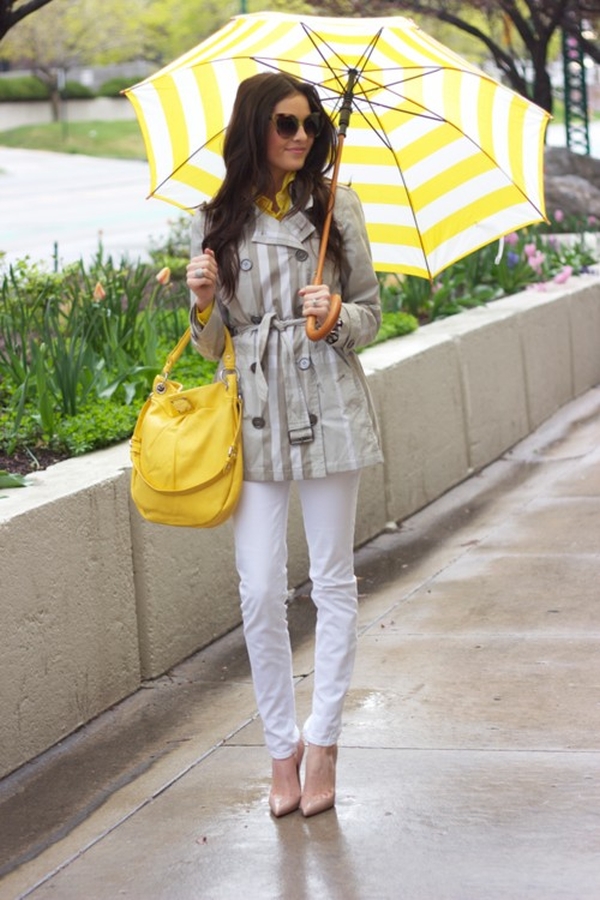
- Pattern as secondary, not primary. A checked scarf or printed lining peeks; it does not drown the silhouette.
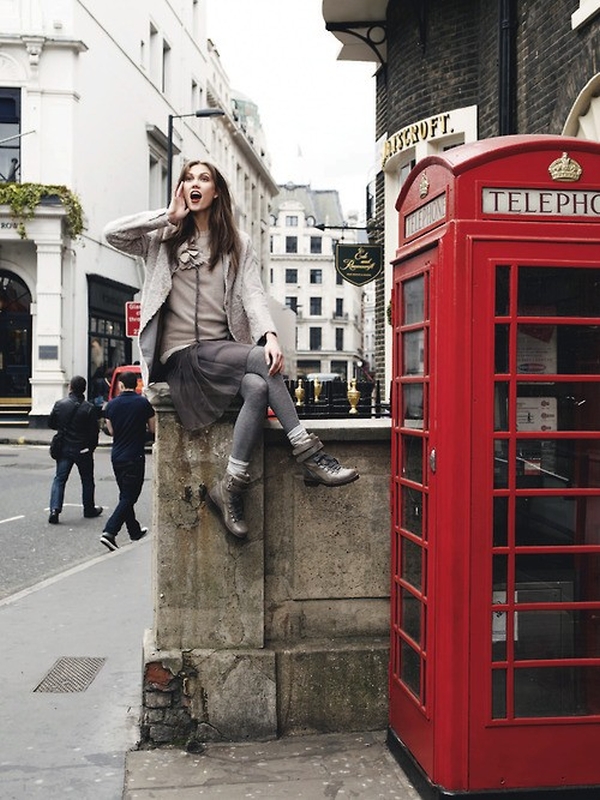
- Footwear that can walk. Boots, chunky soles, and well-worn sneakers keep layered looks honest. Fragile heels belong more to the polished capital set.
- Bag as counterweight. Crossbody straps and backpacks free the hands and change torso geometry—essential when coats already bulk the frame.
- Head and hands finished. Beanies, berets, gloves, and statement glasses complete cold-weather stories that would otherwise stop at the collar.
Practice naming which move you see in each photo. Once you can label the move, you can rebuild it with different garments. That is the difference between mood-board tourism and styling literacy.
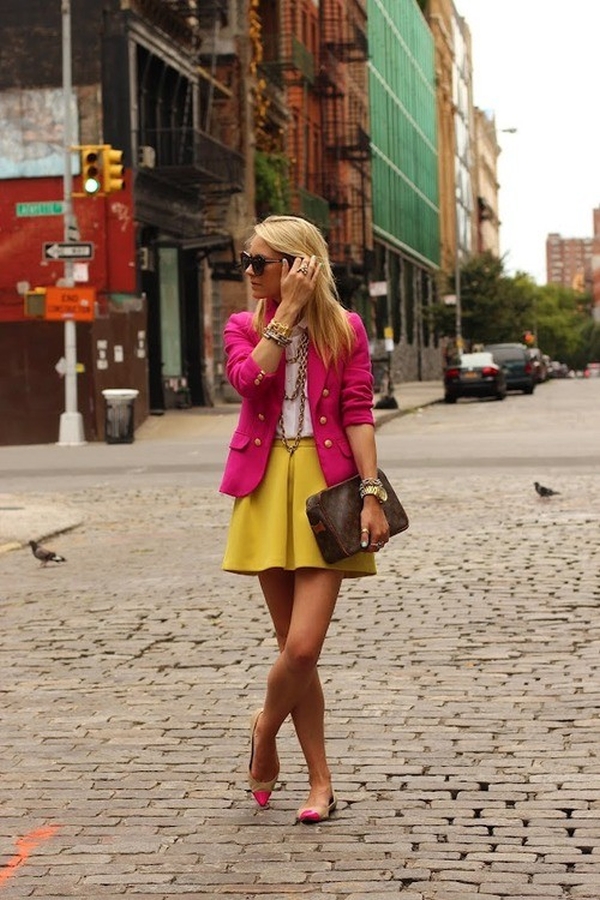
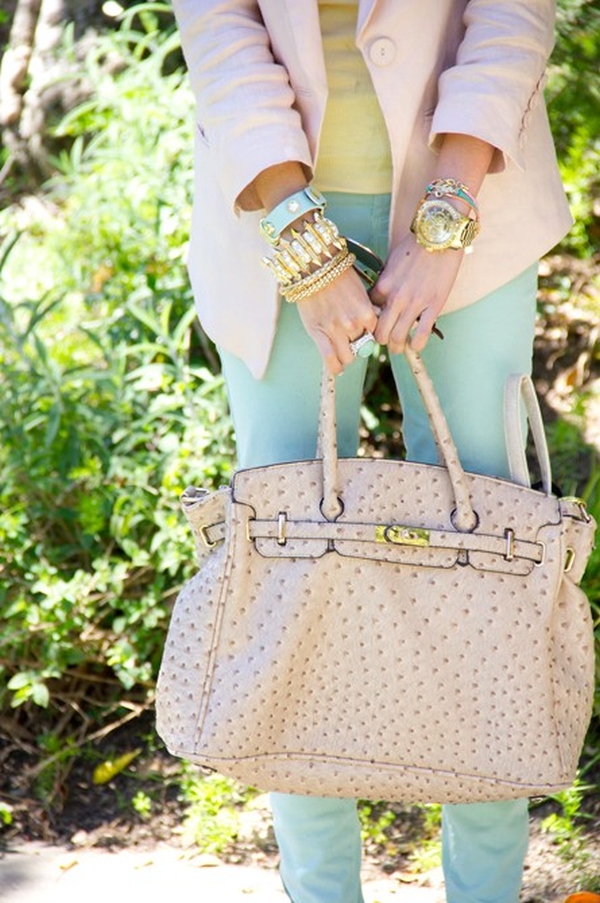
Tokyo, Seoul, London—three denser dialects
Tokyo street frames often play with scale: oversized coats, cropped bottoms, socks and shoes treated as a full chapter. Color can be muted or sudden; either way, the outfit usually contains a surprise when the wearer moves—an unexpected lining, a second bag, a silhouette that breaks classic waist rules. Subcultures coexist; the camera catches the collision.
Seoul youth-district energy favors crisp grooming against experimental pieces: soft makeup next to hard boots, pastel knits under dark shells, logos used as graphic punctuation. The look can feel both polished and rebellious in one frame. Proportion play—short over long, slim over volume—shows up constantly.
London cold-weather style leans into practical romance—trench and wool hybrids, patterned scarves, trousers that can handle rain, shoes with grip. The city’s fashion weeks flooded blogs with layered attendees, but the lasting lesson was how locals dress between shows: weather-first, personality second, never costume-only. If a look cannot survive a damp pavement, it belongs to another chapter.
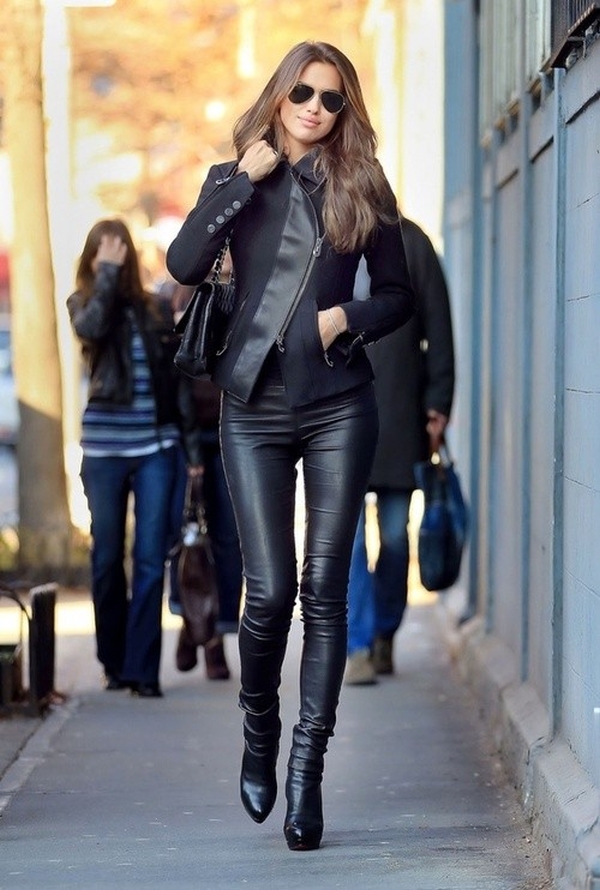
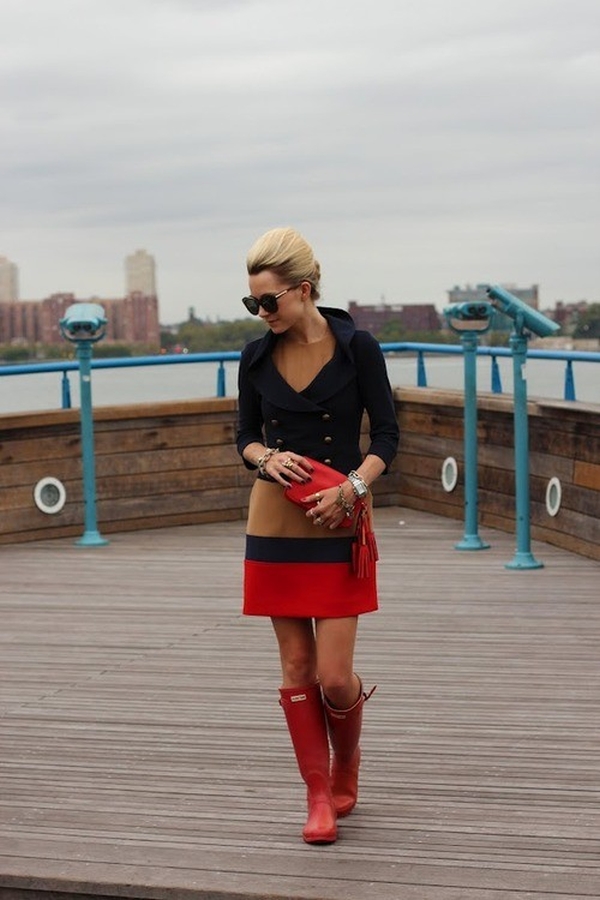
How to build a layered outfit that photographs
Start from the shell and work inward, then edit ruthlessly:
- Choose the outermost coat for shape and color mood.
- Add one mid-layer with a different texture (knit, denim, technical fabric).
- Keep the base simple so the stack does not become visual static.
- Raise or lower one hem to create a deliberate break.
- Test a full turn and a seated pose—layers that fight sitting will fight your day.
- Remove one item. If the look improves, leave it off.
- Check side views; bulk often hides in the mirror’s front-only glance.
Photographers of street style often crop tight on interesting midsections—belt meetings, bag straps, overlapping hems. If you are documenting your own experiments, shoot details as well as full lengths. The collage happens in the seams. A phone camera at waist height often flatters layered coats better than an arm’s-length selfie from above.
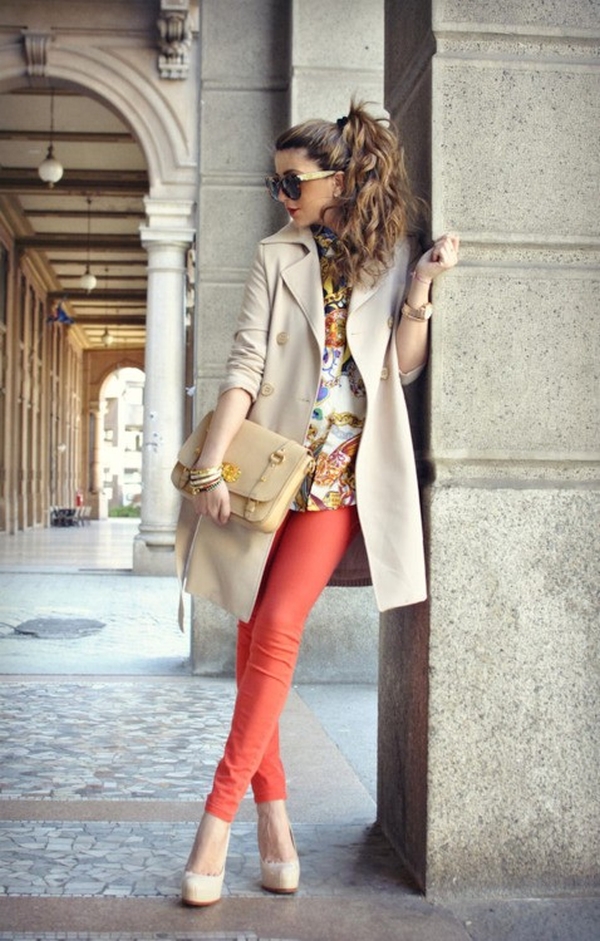
Common layering mistakes this gallery quietly avoids
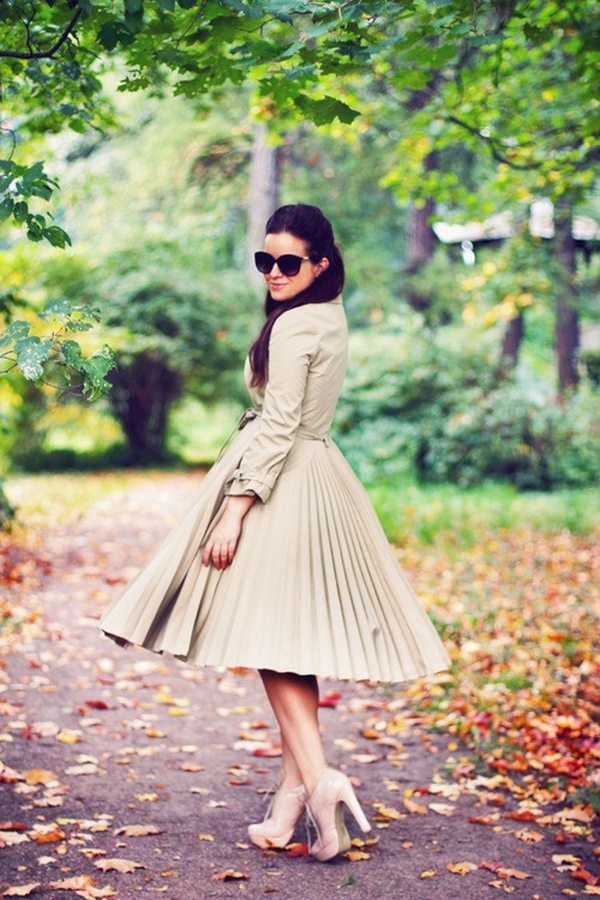
Busy prints on every layer cancel each other. Matching sets that look like a uniform kill the “found on the street” spark. Shoes too delicate for the coat’s toughness create costume dissonance. Bags so large they erase the waist make even great coats look like tents. Hair that fights the collar—huge volume under a tight hood, for example—reads as unfinished rather than intentional.
Also watch color temperature. Cool greys and blues can stack beautifully; add one warm accent (camel, rust, berry) so the photograph does not flatten into fog. Conversely, all-warm stacks benefit from a single cool note—denim, silver hardware, a white tee—to keep depth. Neutrals are not boring when textures differ; they become boring when every fabric feels the same weight.
A weekend drill for denser styling
Pull five outer pieces, three mid-layers, and two pairs of walkable shoes. Build three outfits using the length-mismatch and hard-over-soft rules. Photograph each against a plain wall and against a busy street. Compare which stack still reads clearly when the background competes. Keep the clearest one in rotation for a week and retire the muddy ones. Write one sentence after each wear: what felt heavy, what felt missing, what strangers’ glances seemed to notice.
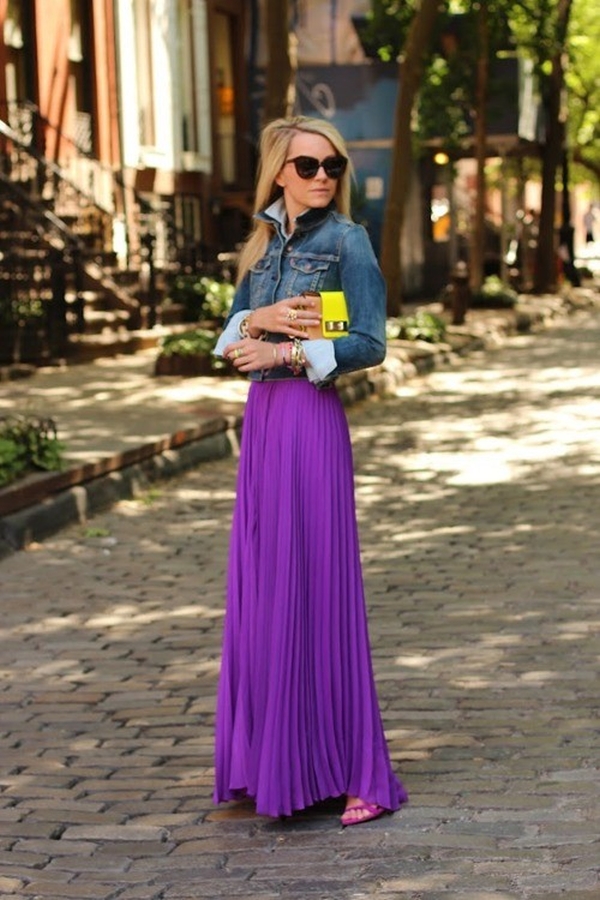
Part three in this series shifts again—toward color, warmer climates, and statement accessories that lead the photograph. For now, stay with the stack. The people in these frames prove that global street style is not only about looking expensive in soft light. Sometimes it is about looking prepared, textured, and slightly overbuilt in the best way—clothes that can take a train, a gust, and a second glance without unraveling into costume.

Comments
Continue reading
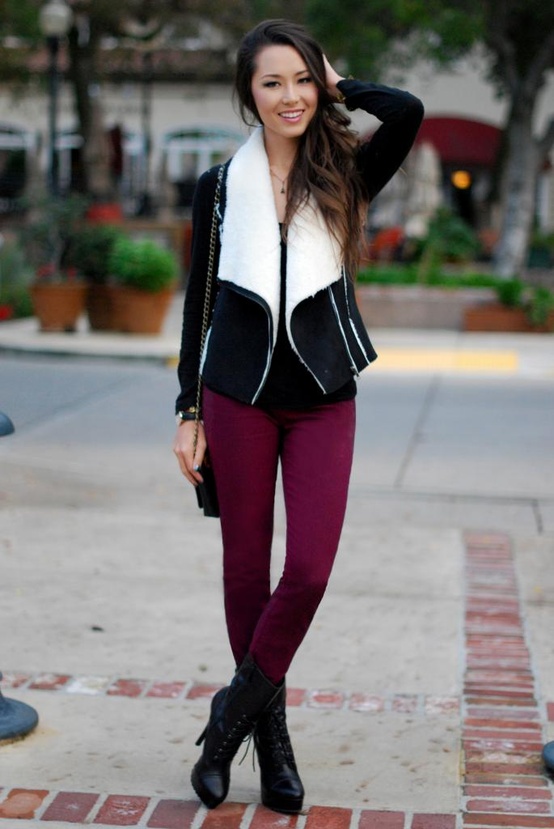
Global Street Style #3: Color, Warm Climates, and Hero Accessories
LA, Mediterranean, and Rio-spirited street looks where bags, shoes, sunglasses, and jewelry lead the silhouette instead of heavy coats.
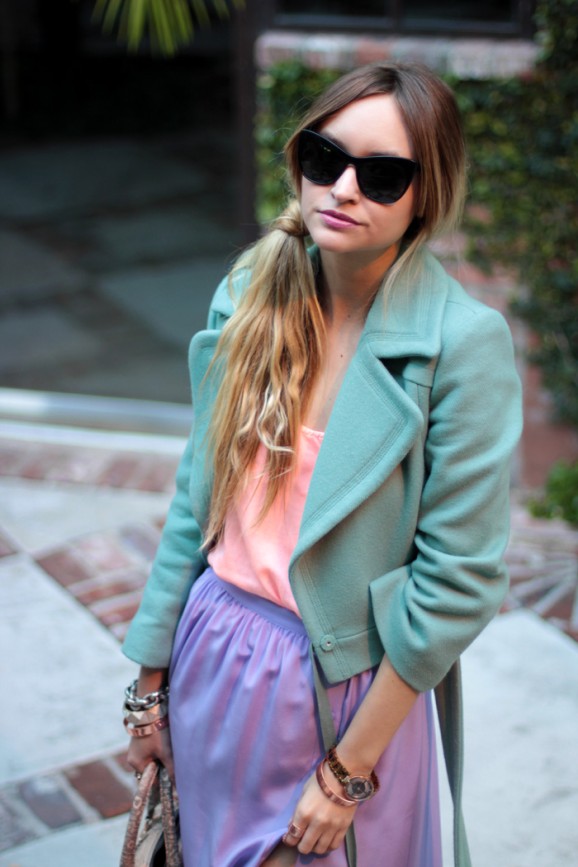
Global Street Style: Fashion Capitals and Coat Architecture
How to read polished sidewalk style from Paris, Milan, and New York—coats, shoes, bags, and the five cues that make capital-city looks click.
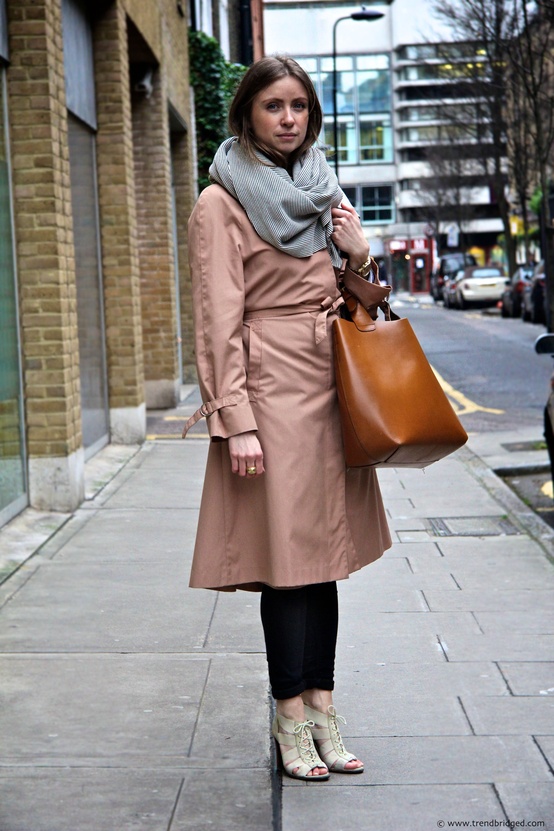
Winter Street Style, Part 2: Layering Systems That Hold Up Outside
A second look at winter street fashion—coat architecture, wearable layers, footwear honesty, and three outfit formulas built for real cold-weather days.