
ELLE Bulgaria September 2012: Georgi Andinov’s Editorial
A historical look at ELLE Bulgaria’s September 2012 fashion story—Georgi Andinov’s photographs, the creative team, and how early-2010s magazine polish still reads.
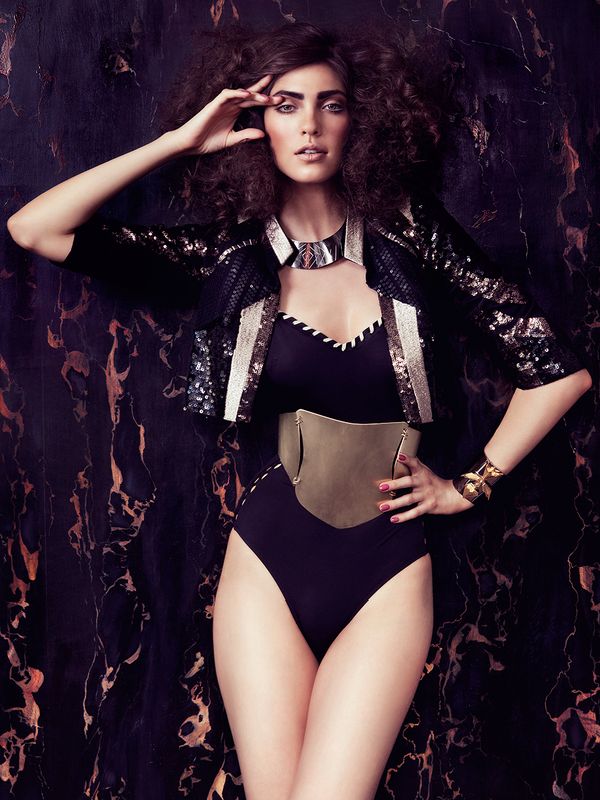
In September 2012, ELLE Bulgaria published a fashion story photographed by Georgi Andinov—work that moved quickly from the magazine page into online portfolios and design blogs as a clean example of early-2010s editorial polish. The frames collected here belong to that moment: a print culture that still trusted still photography to set the season’s tone, and a regional ELLE edition that framed Bulgarian creative talent inside an international title’s visual language.
Reading the set now means treating it as a dated editorial document. The clothes, hair, and makeup sit inside 2012’s grammar of glamour. What remains useful is how the team built clarity—pose, contrast, and styling restraint—so the images still communicate fashion intent more than a decade later without needing to be sold as tomorrow’s trend report.
A Bulgarian ELLE story in 2012
Local editions of ELLE have long functioned as bridges between global fashion vocabulary and regional creative scenes. The September 2012 Bulgarian issue arrived when print magazines still paced how fashion was first seen—before social feeds became the default runway. Editorial pages had to work as still narratives: a sequence of looks that suggested mood without motion, autoplay, or caption overload.
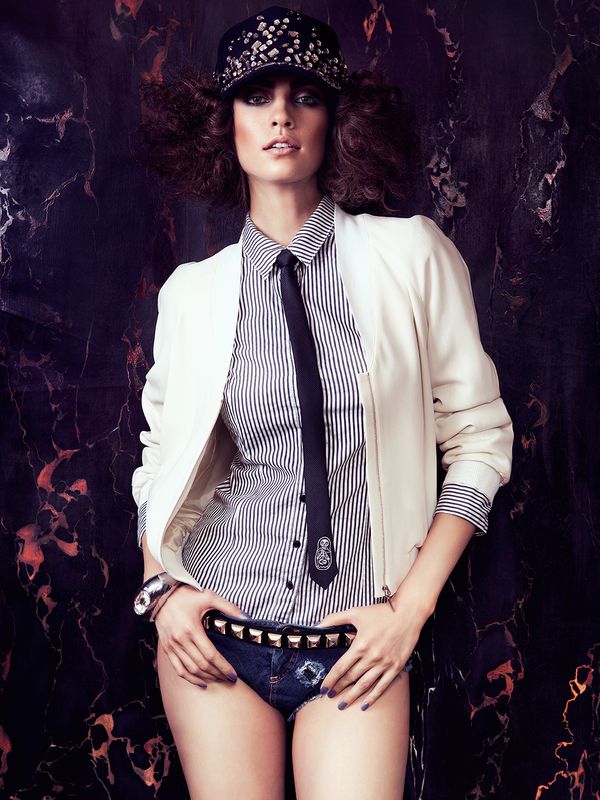
Andinov’s photographs for that issue reflect print logic. Faces are lit for glossy reproduction. Clothing edges stay readable. Negative space around the figure keeps the page from feeling crowded. The result looks at home in a fashion magazine and equally at home in a photographer’s Behance gallery, where the set was also shared for a wider creative audience.
Credits from the period name a full collaborative chain: styling by Antonia Yordanova; hair by Emil Ivanov at Arlet; makeup by Alina Manova; model Valentina Dimitrova; assistant styling by Veronica Blagoeva and Kristina Taneva. Those names matter because editorial fashion is never a single-author object. The photographer’s frame is the final edit of many decisions about fabric, hair height, skin finish, and how a body occupies a set or location.
September issues often carry transitional wardrobes—pieces that acknowledge cooler weather while keeping a polished, back-to-structure energy after summer. Whether individual frames were shot for cover consideration or for an interior fashion well, the same discipline shows: the subject is centered as the authority of the page.
What the images emphasize
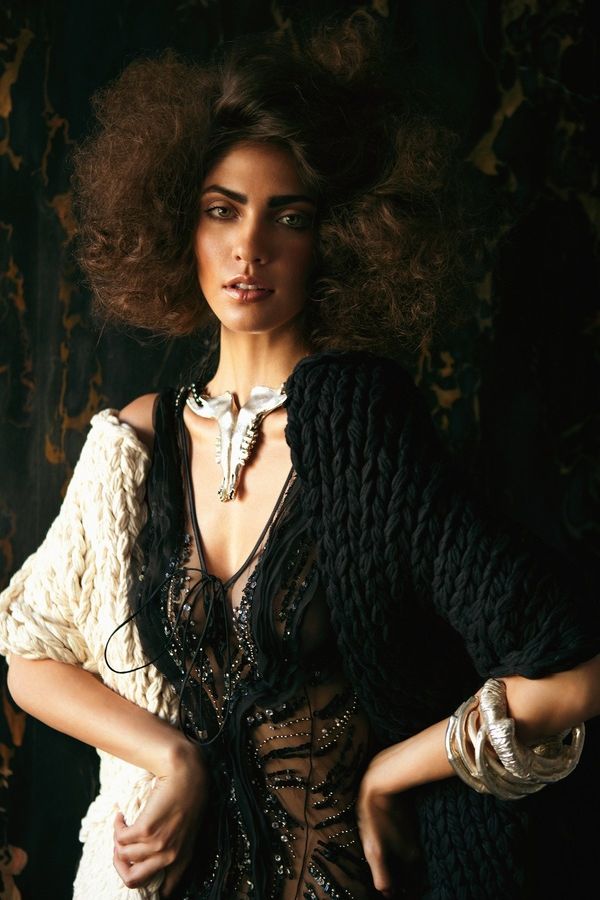
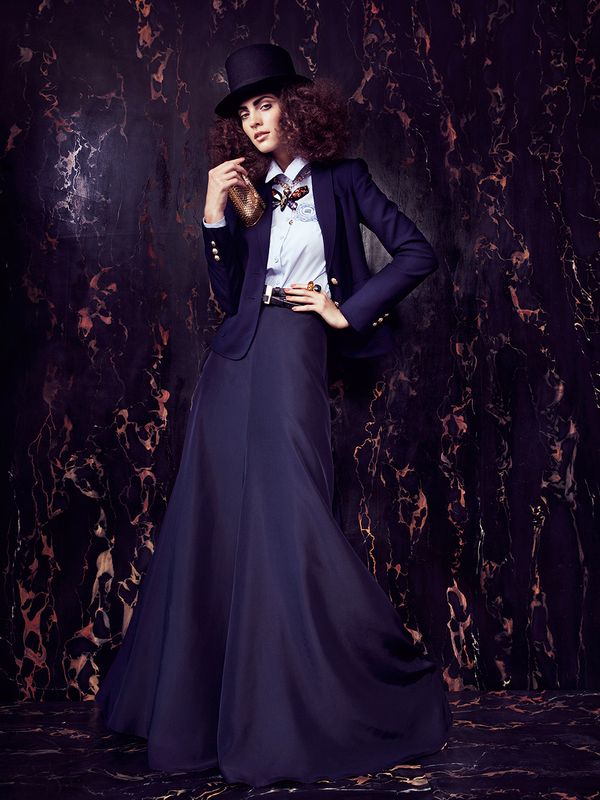
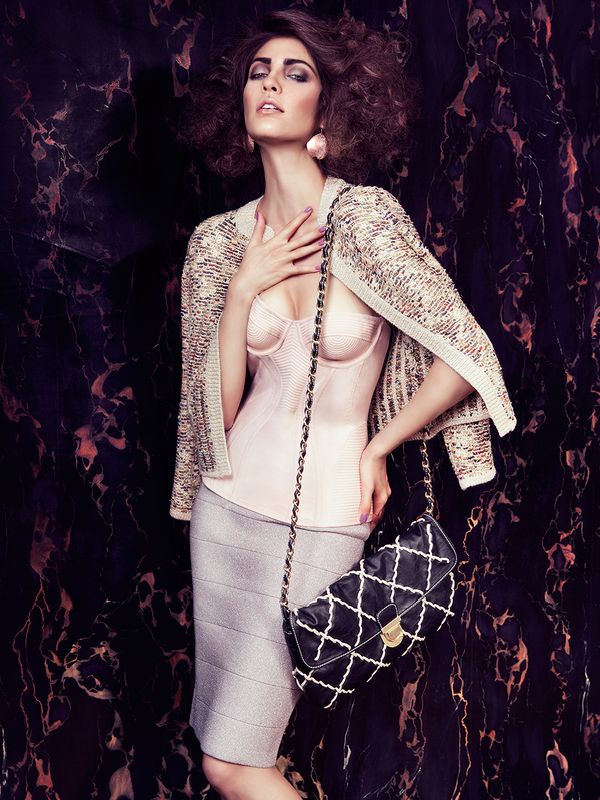
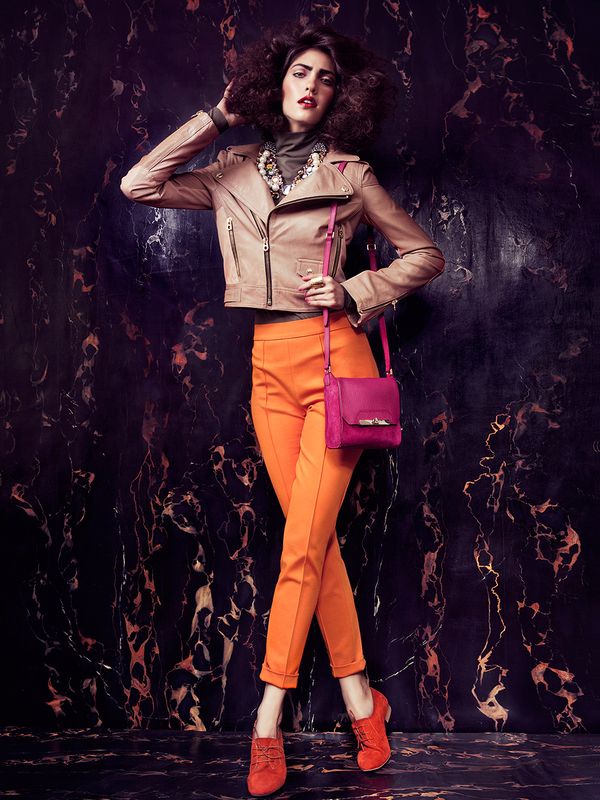
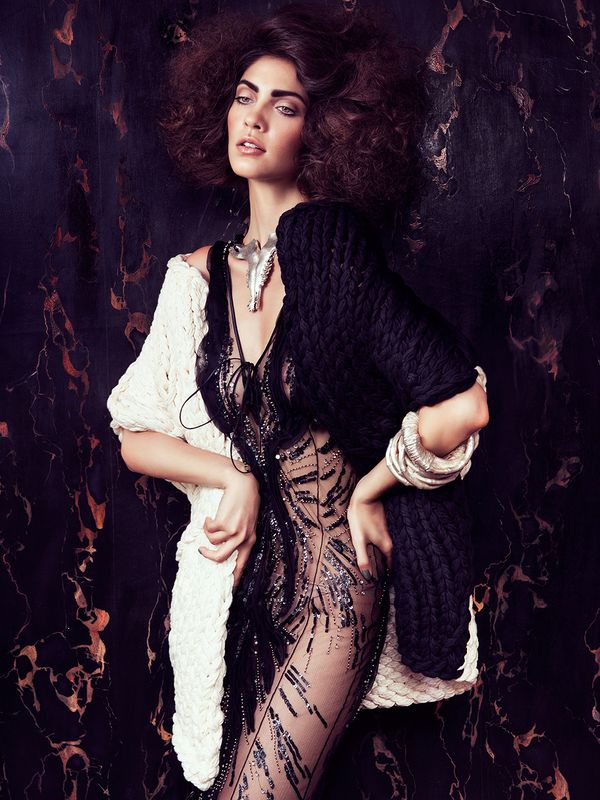
Across the selection, the eye goes first to silhouette and surface. Tailoring and clean lines appear frequently; where softness enters, it usually arrives through hair movement or fabric drape rather than through busy backgrounds. Makeup stays in service of bone structure and print contrast—enough definition for a cover-adjacent image, not enough to drown the clothing story.
That restraint is part of why the set still holds together. Early-2010s fashion photography sometimes chased high-concept sets and heavy props. This ELLE Bulgaria sequence leans instead on classic magazine strengths: a model who can hold a pose, a stylist who edits accessories, and a photographer who knows how much shadow a page can carry before detail collapses in ink.
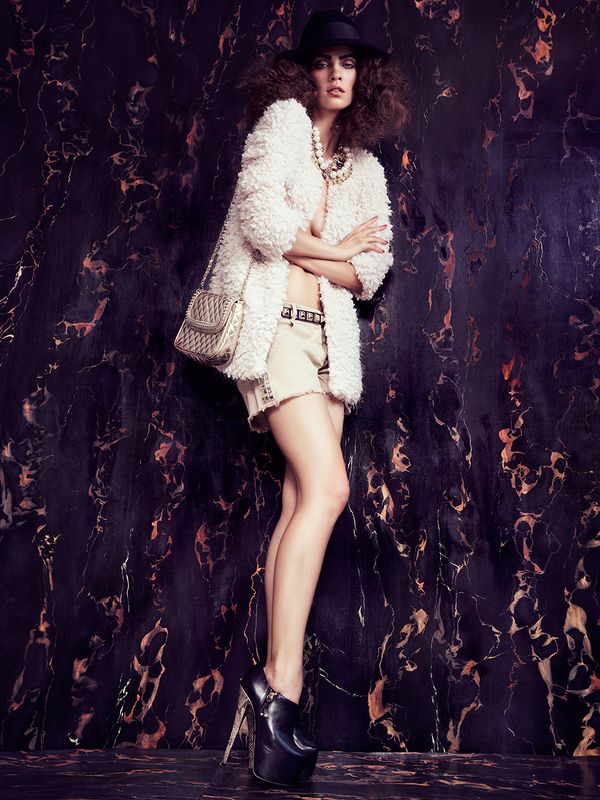
Notice how often the composition isolates the figure. Isolation is not emptiness; it is a tool for making fabric and gesture legible. When a magazine page must compete with advertising and other stories in the same issue, clarity becomes a form of luxury. The viewer should understand the garment’s shape in a second glance, then return for texture and expression.
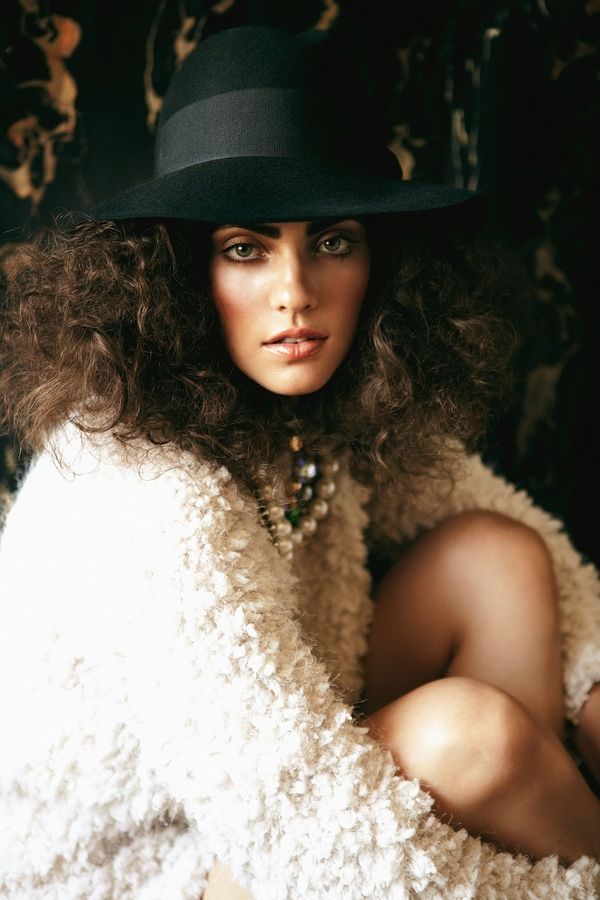
Lighting in these frames favors controlled highlight and soft falloff rather than documentary grit. That choice suits beauty and ready-to-wear storytelling: skin stays luminous, black and jewel tones keep depth, and metallics or jewelry catch without blowing out. For students of fashion photography, the set is a useful case of how much atmosphere can be built without abandoning commercial readability.
How to look at a dated editorial today
Fashion archives reward a slower read. Ask what the clothes were meant to signal in their season: authority, softness, evening polish, daywear ease. Ask how hair and makeup support that signal. Ask whether the lighting flatters fabric texture or prioritizes face. Those questions travel better than asking whether a look would trend on a current feed.
Designers and stylists studying older ELLE editions often hunt for construction details—shoulder line, hem weight, how a belt breaks a proportion—rather than for one-to-one outfit copies. Photographers study catchlights, skin-retouching levels typical of the year, and how much grain or polish the magazine preferred. Models and makeup artists can study expression: the difference between a blank commercial stare and a narrative editorial gaze that still sells a product page.
Historical framing also means accepting that some beauty standards and production habits of 2012 have shifted. The value of the archive is not nostalgia for every norm; it is access to a finished piece of magazine craft from a specific place and time—Sofia’s fashion scene speaking through an international title’s local edition.
If you are building a mood board from this era, pull one or two frames for proportion and lighting, then stop. Overloading a board with an entire magazine story usually blurs the lesson. One strong portrait and one full-length look often teach more than a dozen near-duplicates. Note the negative space, the hand position, and where jewelry sits relative to the neckline; those small decisions are the craft you can borrow without copying the whole look.
Georgi Andinov’s editorial approach
Andinov’s broader body of work includes beauty, portrait, and commercial fashion for titles across Bulgaria and beyond. The September 2012 ELLE set sits comfortably in that lane: controlled, glamorous, and built for reproduction. The photographs do not lean on street reportage; they lean on studio and location control, where every highlight can be managed and every strand of hair can be deliberate.
That approach suits a September ELLE well. The magazine’s job in that slot is often to reassert polish—clothes that photograph as considered, faces that read as magazine-ready, sequences that feel curated rather than casual. Andinov’s framing supports that brief without burying the fashion under concept. Viewers leave remembering silhouette and finish as much as atmosphere.
Seen together, the images form a short visual essay on how a regional edition packaged glamour at the start of the 2010s: collaborative credits, clear lighting, and a model presence strong enough to carry still pages. The story does not need updating into a present-tense trend roundup to remain worth studying; its date is part of its meaning.
Credits
ELLE Bulgaria — September 2012
Photography: Georgi Andinov
Styling: Antonia Yordanova
Hair: Emil Ivanov at Arlet
Makeup: Alina Manova
Model: Valentina Dimitrova
Assistant styling: Veronica Blagoeva and Kristina Taneva

Comments
Continue reading
Adorable Kate Middleton Style: The Early Duchess-Era Lookbook
A historical look at the “Kate Middleton effect”—coat dresses, occasion polish, and the early Duchess of Cambridge wardrobe vocabulary—plus a gallery of outfit references.
Blake Lively Street Style: Celebrity Sidewalk Fashion
How Blake Lively’s early-2010s off-duty looks turned paparazzi sidewalks into usable lessons in polish, proportion, and one-statement accessories.
Classic, Casual, Geeky Men’s Fashion: How the Three Styles Work Together
A practical guide to mixing classic menswear bones, casual ease, and geeky accents—knit layers, Oxfords, dark denim, and thoughtful details that still look intentional.