
Adorable Kate Middleton Style: The Early Duchess-Era Lookbook
A historical look at the “Kate Middleton effect”—coat dresses, occasion polish, and the early Duchess of Cambridge wardrobe vocabulary—plus a gallery of outfit references.
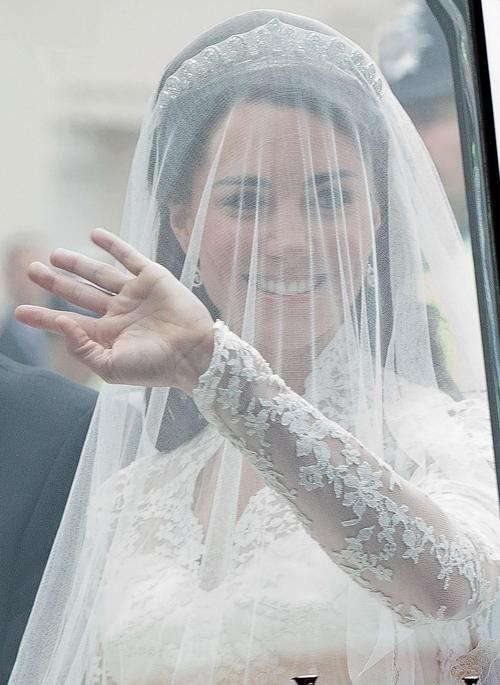
Long before every public appearance was framed as a same-day product alert, Catherine—then widely known as Kate Middleton, and in the years of these photographs as the Duchess of Cambridge—built a wardrobe language that magazines could summarize in a glance. Clean coats, polished day dresses, tonal shoes, and a calm grooming formula turned engagements into a visual brand. Retailers and editors named the aftershock the “Kate Middleton effect”: pieces seen on her in morning coverage could empty from racks by nightfall. The spike was commercial, but the reason it stuck was aesthetic coherence.
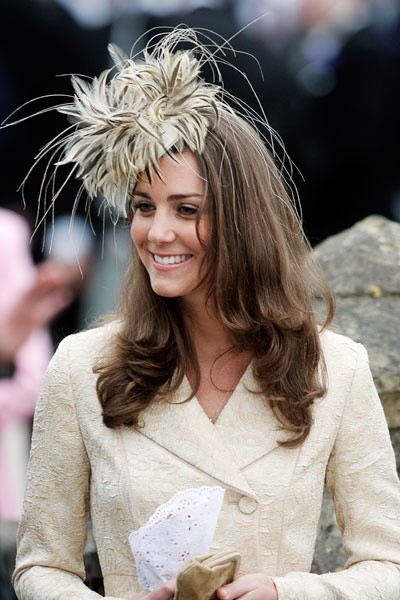
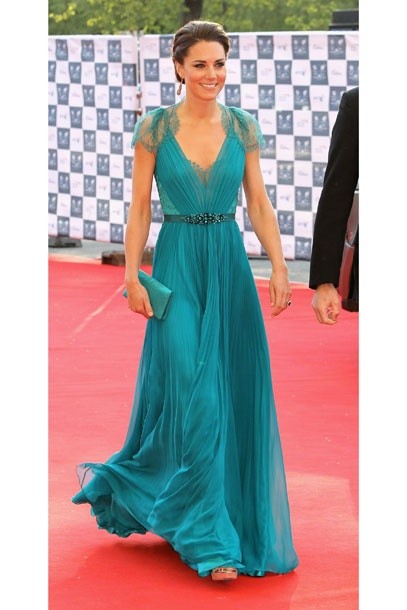
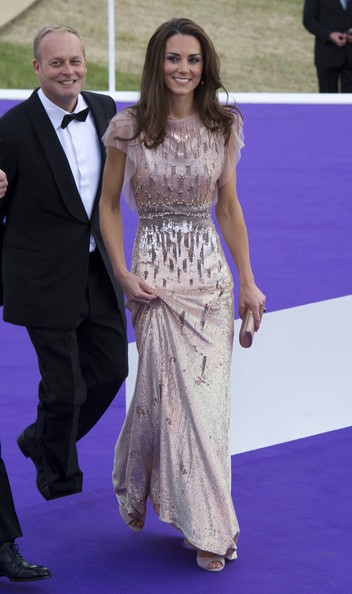
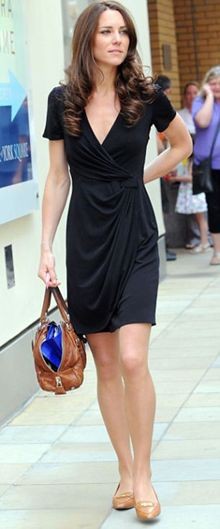
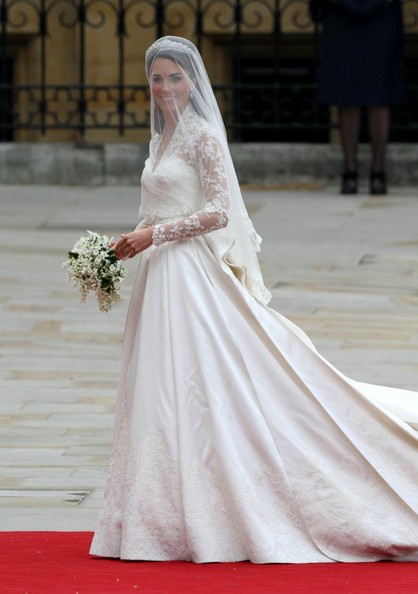
This gallery gathers outfits from that early icon period. Treat it as fashion history—a study of proportion, occasion dress, and accessible glamour—not as a live news brief about titles or today’s calendar. The question these images still answer is simpler: how did one public wardrobe teach so many people what “put together” looked like on camera? The answer sits in the details: waist emphasis, hem discipline, quiet jewelry, and the habit of letting clothes serve the day rather than compete with it.
What the “Kate Middleton effect” meant
The phrase described a pattern, not a metaphor. When she wore a high-street dress or an accessible designer coat, search traffic and sales jumped. Luxury houses benefited too, but the cultural jolt came from the mid-market wins: proof that polish could travel through ordinary shops. Fashion coverage loved the story because it fused monarchy-adjacent visibility with the speed of modern retail and social sharing.
Consistency powered the effect as much as novelty. Soft makeup, orderly hair, modest hemlines for formal daytime contexts, and shoes that lengthened the line without costume drama. Repeating a silhouette was not a failure of imagination; it read as confidence. In a decade that rewarded constant newness, her repeats became signatures. Shoppers were not only buying a dress—they were buying a promise that the dress would behave in photographs the way her versions did, with sleeves that sat correctly and fabrics that held a crease through a windy arrival.
Coat dresses and the architecture of daytime formality
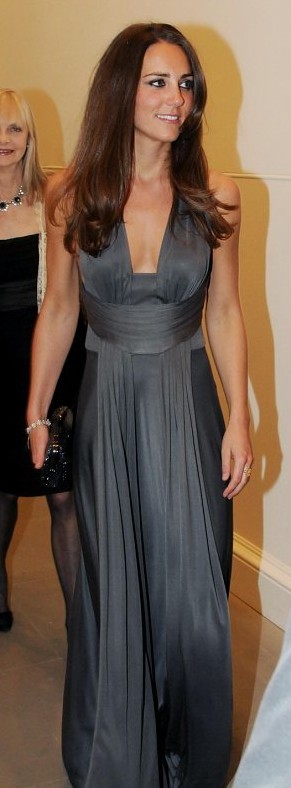
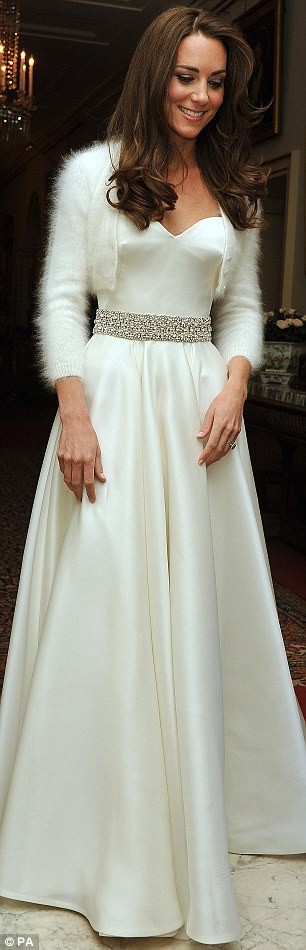
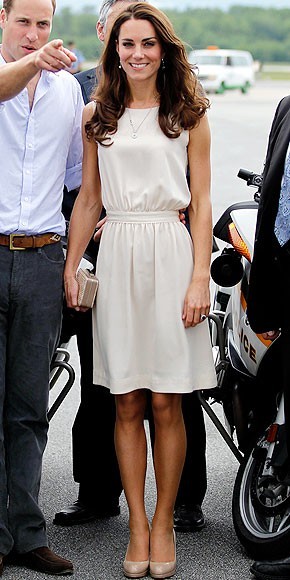
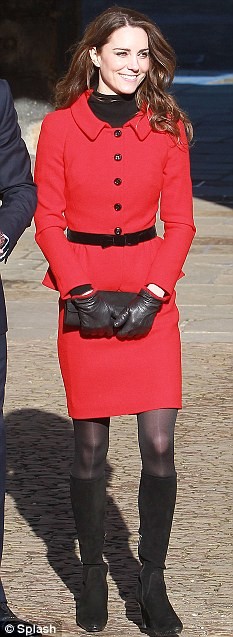
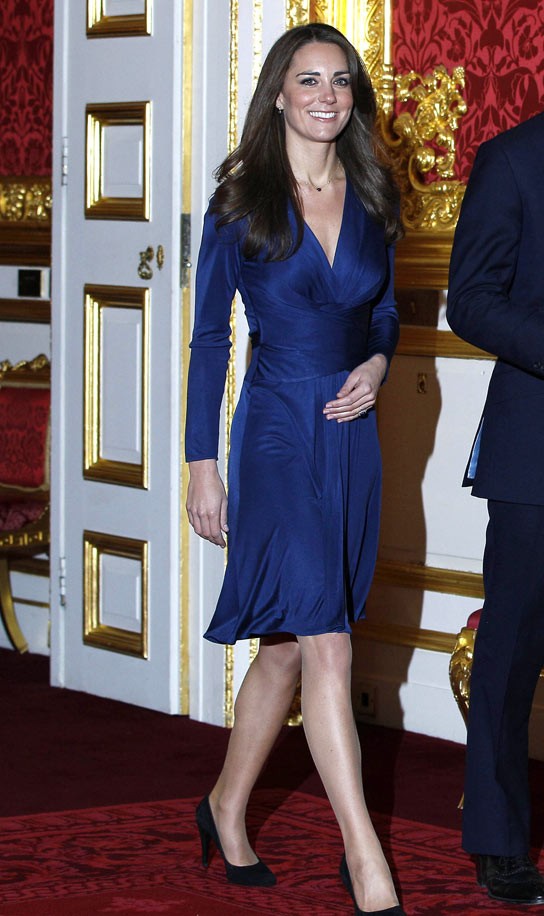
Among the most imitated shapes of the era was the coat dress: tailored enough for outdoor arrivals, finished enough for indoor rooms, and graphic enough for long-lens photography. Defined waists, clean collars, and knee-conscious lengths created a vertical column that survived wind, handshakes, and car doors. It was clothing engineered for a schedule, not only for a mirror.
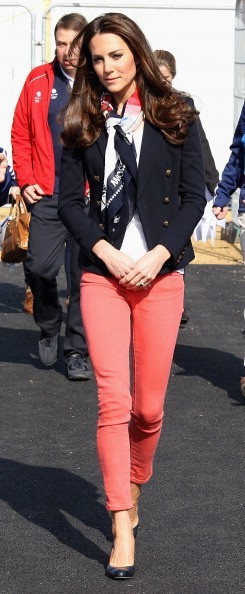
Neutral outer layers—camel, navy, cream, soft gray—did similar work over dresses and skirts. Belts clarified proportion. Buttons stayed restrained. Color, when it appeared beneath or beside the coat, had a frame. That framing habit is one reason the looks still feel “expensive” even when the labels were mixed: the eye meets structure first, decoration second. A coat with collapsed shoulders or a dress with a wandering hem cannot fake that architecture, which is why fit—not only brand—was always the hidden ingredient in the effect.
Color, print, and occasion grammar
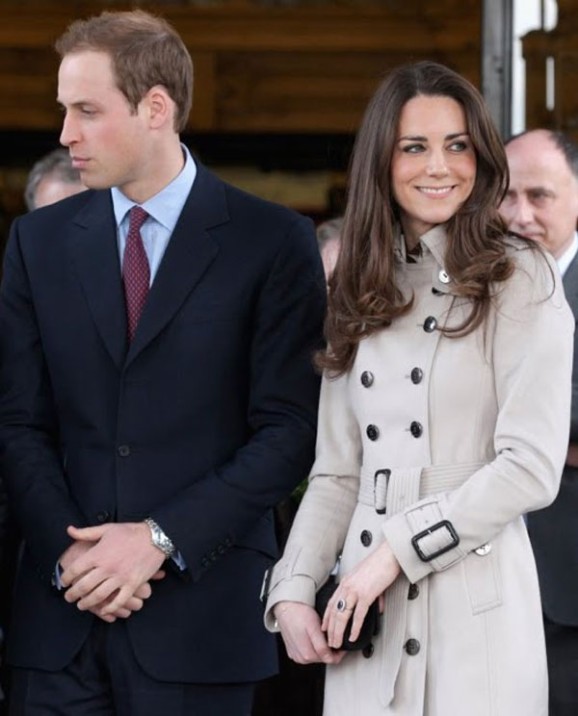
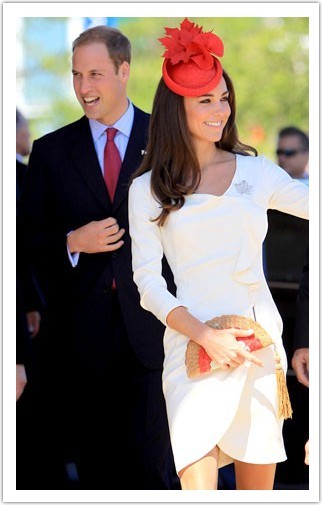
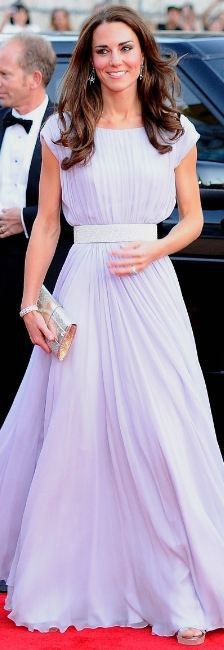
Her public palette in those years moved between soft pastels and decisive reds, blues, and jewel tones on higher-visibility days. Pastels photographed gently against stone buildings and spring light; saturated colors cut through crowds and newsprint alike. Florals appeared, usually scaled so the wearer remained the subject. Black hats and simple clutches turned color into a sharper graphic when the diary demanded formality.
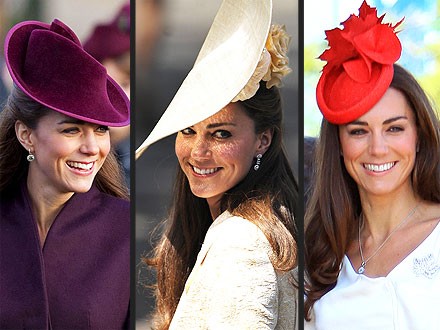
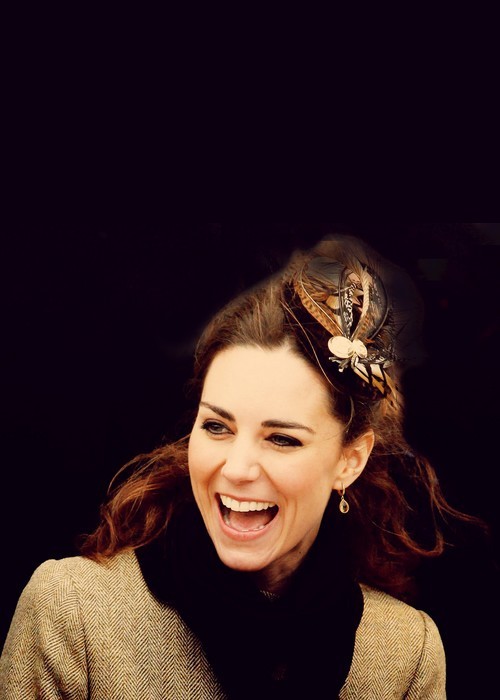
British occasionwear already had rules—hats for certain daytime events, covered shoulders in some settings, hemline judgment. Her contribution was a contemporary, camera-ready dialect of those rules: fascinators and hats that finished the vertical line, nude or tonal pumps that erased a visual break at the ankle, handbags held so posture stayed open for greeting. None of this was invented from nothing. It was edited into something globally legible, which is why women far from London engagements still used the same cues for weddings, christenings, and workplace events that required a little ceremony.
Accessories as quiet punctuation
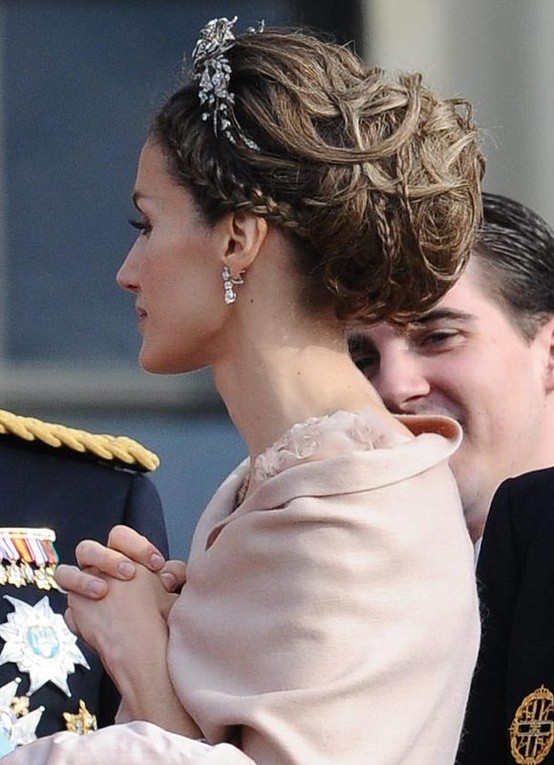
Jewelry stayed relatively quiet in many of the most copied looks: pearl studs, slim bracelets, pieces that nodded to tradition without heavy display. Clutches and structured top-handles kept edges sharp. Belts and sashes refined ready-to-wear. Sheer hosiery, when used, disappeared into the leg line rather than announcing itself. Sunglasses worked as practical punctuation, not celebrity armor.
Shoes carried disproportionate responsibility. Nude pumps became a fashion-desk shorthand for elongation; navy and black looks often grounded themselves in deeper heels; lower heels or wedges surfaced when the day implied standing and walking. The transferable lesson was never “own this exact pump.” It was “finish the proportion.” A graceful dress with a broken ankle line rarely delivers the composure these photographs made famous. Bag scale mattered too: oversized totes fought the line; compact structured bags protected it.
Translation for real wardrobes
Imitation failed when it chased a single viral dress and ignored fit. The wardrobe vocabulary that traveled best was modular: a well-cut coat, a few day dresses with clean necklines, reliable pumps, a simple clutch, and grooming that looked intentional rather than theatrical. Fabric weight mattered. A coat that collapses at the shoulder cannot mimic the architecture in these frames no matter how close the color match.
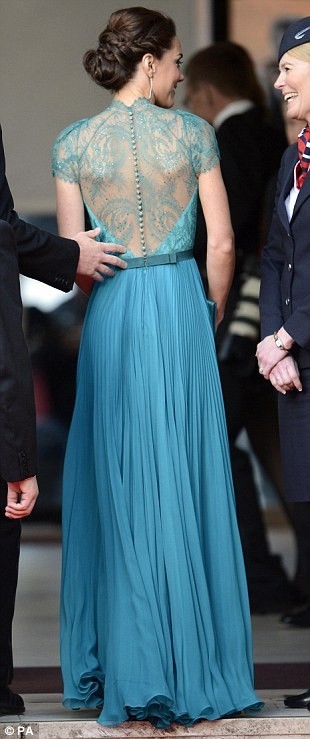
Repeats help budgets and identity. If a shape works, wearing it again is not failure—it is how signatures form. Mix high and low the way coverage of the era often noted: let tailoring and upkeep elevate accessible pieces. Photograph yourself in daylight before an important event; many “Kate-like” outfits succeed or fail under the same hard truth her schedule faced—natural light and movement. Steam the dress. Check the back view. Walk in the shoes at home. Composure is partly preparation.
Why the chapter still matters
Fashion seasons turn over; archives do not. These images remain useful because they document a coherent public femininity built under pressure: clothes that served duty, cameras, and personal taste at once. The “Kate Middleton effect” named the sales spike. The deeper residue is a template of composure—tailoring over chaos, repetition as brand, occasion codes respected without tipping into costume.
Look at the gallery for line and finish. Notice how coats frame color, how heels complete the column, how little jewelry can be enough. Borrow what still fits your life. Leave the rest in history, where it belongs. Style icons endure not by staying in the news cycle, but by leaving behind a set of pictures that still teach proportion when the headlines have moved on—and that, more than any single sold-out dress, is why these adorable, disciplined looks keep circulating.

Comments
Continue reading
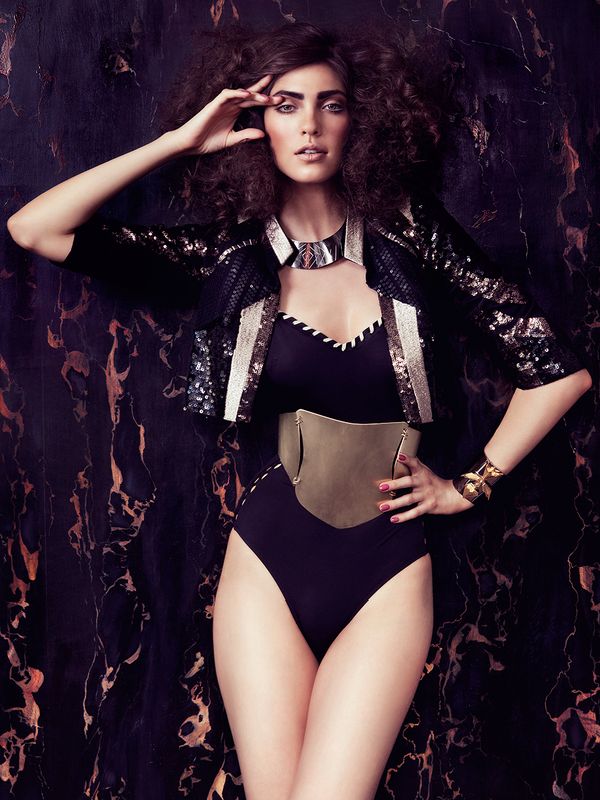
ELLE Bulgaria September 2012: Georgi Andinov’s Editorial
A historical look at ELLE Bulgaria’s September 2012 fashion story—Georgi Andinov’s photographs, the creative team, and how early-2010s magazine polish still reads.
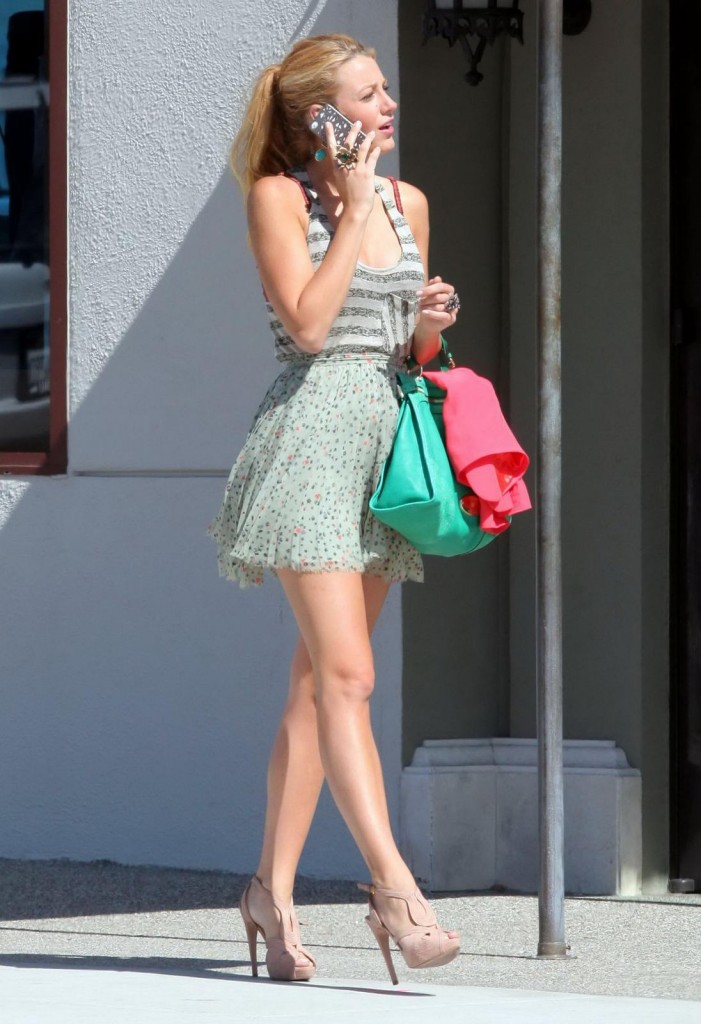
Blake Lively Street Style: Celebrity Sidewalk Fashion
How Blake Lively’s early-2010s off-duty looks turned paparazzi sidewalks into usable lessons in polish, proportion, and one-statement accessories.
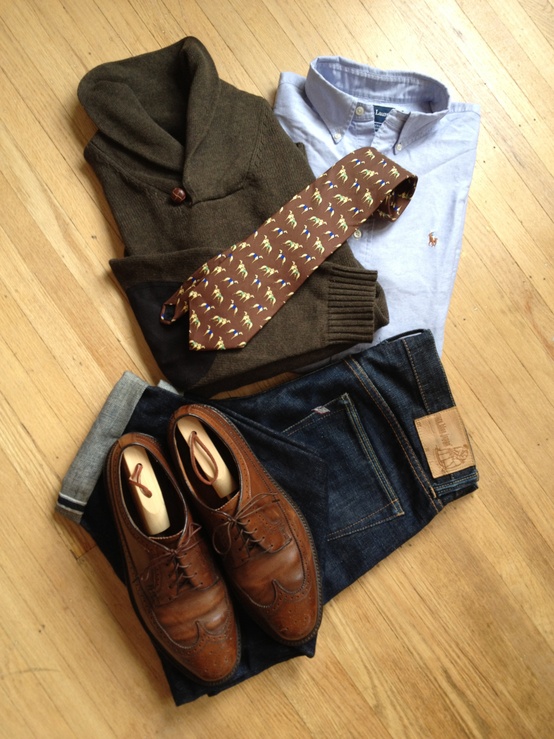
Classic, Casual, Geeky Men’s Fashion: How the Three Styles Work Together
A practical guide to mixing classic menswear bones, casual ease, and geeky accents—knit layers, Oxfords, dark denim, and thoughtful details that still look intentional.