
Julian Calverley’s London Panoramics: Winter Cityscapes in Wide View
UK photographer Julian Calverley stitches high-resolution London panoramics where Thames light, winter air, and skyline landmarks share one continuous frame.
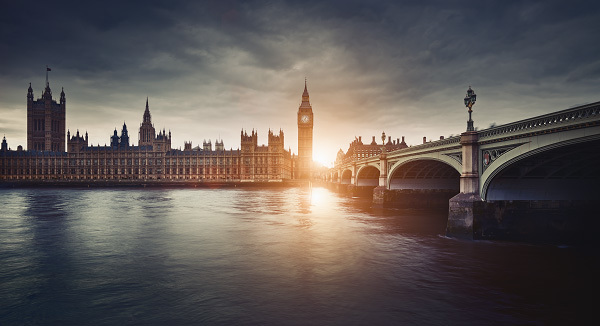
London is photographed constantly, yet most views still collapse into the same postcard shorthand: Big Ben alone, the Eye as a fairground circle, a skyline cropped for social media. UK photographer Julian Calverley approaches the city differently. In his London Panoramics work, the capital becomes a wide, continuous winterscape—river light, bridges, towers, and weather held in one careful horizontal sweep instead of a single landmark trophy shot.
Calverley is best known for atmospheric landscape and advertising photography, with a long-standing preference for low winter light, water, and weather that feels active rather than decorative. That sensibility travels well into London. The Thames is not a backdrop; it is a moving mirror. City lights scatter across the surface while stone and glass hold still. Clock towers and modern towers share the same cold air. The panorama format lets those relationships breathe instead of forcing one hero object into the center of a square frame.
Why panoramics suit London
A wide stitch is more than a technical flourish. London’s river corridor is linear. Embankments, bridges, and skyline layers stack from near water to far towers. A conventional wide-angle lens can include everything and still feel cramped, because edges stretch and verticals lean. Multi-frame panoramics—built from carefully overlapped high-resolution files—preserve detail across a long horizon while keeping the camera closer to a level, architectural reading of the scene.
Public descriptions of Calverley’s London panoramic back plates emphasize exactly that craft: several long shooting days, each final piece assembled from stitched high-megapixel frames so the result can hold up under close looking. That matters for a city people think they already know. When resolution is generous, you can travel from a lit window on the near bank to a distant crane or steeple without the image dissolving into mush. The photograph becomes a place you can explore, not only a mood you glance at.
Winter strengthens the effect. Soft, low sun and early dusk give London a cooler palette—silver water, amber street light, blue residual sky. Fog or haze can separate planes so towers sit in soft distance rather than competing as equal silhouettes. Wet pavement and river chop add movement that a still skyline needs. Calverley’s outdoor work often seeks those transitional conditions; the London set feels of a piece with that habit, even when the subject is urban rather than Highland or coastal wilderness.
Reading the winter city
Look first at the river. In strong panoramic cityscapes, water is the hinge: it reflects architecture, carries light trails, and creates a lower half that answers the skyline. City lights “dancing” on the Thames is not poetry for its own sake; it is what happens when exposure protects both bright façade lamps and the darker mass of the water. Too bright, and the reflections bleach. Too dark, and the river becomes a black void. The balance is part of why these frames feel cinematic.
Then look at vertical landmarks as witnesses rather than logos. An old clock tower in a Calverley-style London panorama does not need to fill the frame to matter. Its presence measures time against modern glass and steel. The Eye, bridges, and newer towers become supporting characters in a longer sentence about the city’s shape. That is a different storytelling mode from tourist photography, which tends to isolate one icon and erase the connective tissue between icons.
Also notice how much quiet the format allows. Panoramas can look busy if every inch is packed with equal detail. The better ones leave breathing room—open water, soft sky, a stretch of embankment—so the eye can travel. Calverley’s commercial and landscape reputation rests on theatrical atmosphere without visual shouting. The London panoramics reward the same kind of slow viewing: start left, end right, and let weather do some of the narrative work.
Craft behind the wide view
Stitched panoramics demand discipline. The camera must stay level; overlap must be consistent; exposure and white balance need to hold across frames so seams do not announce themselves. Moving water and traffic complicate the stitch, which is why experienced panoramic shooters plan for software to reconcile small mismatches while still protecting critical edges of buildings. Working early or late, when light is directional but not brutal, helps both mood and technical consistency.
Calverley’s broader practice—manual, precise camera craft, patience with weather, and intensive post-production—shows in the finished London plates. These are not casual phone sweeps. They are built for scale and for the kind of detail clients once needed as “back plates,” and that galleries and portfolios still need as immersive city portraits. High resolution is not vanity; it is how a winter Thames scene keeps texture when viewed large.
Photographers studying the set can take practical notes without copying the exact vantage points. Choose a river-facing elevation with a clean horizontal. Prefer stitch over extreme distortion when architecture matters. Expose for the relationship between lamps and water. Accept that winter’s short light window is a feature: it compresses decision-making and gives London a shared atmosphere from Westminster to Docklands.
London beyond the postcard
Iconic cities accumulate cliché because certain angles are convenient. Calverley’s panoramics push against that convenience. By widening the stage, he restores context: how light travels along the river, how old stone and new towers share one weather system, how nightfall turns infrastructure into a field of points rather than a list of attractions. The images still include famous silhouettes—viewers will recognize them—but recognition is not the whole point. Presence is.
That is why the work sits comfortably beside London photography that treats Big Ben or the Eye as recurring motifs while still feeling fresh. The freshness comes from format, season, and patience. A high-resolution winter panorama asks you to inhabit the city for a longer visual moment. You do not simply confirm that London is there. You watch lights move on the Thames while the clock tower keeps its watch, and the skyline holds together as one continuous place.
If you return to the image above after reading, try a second pass without hunting for the most famous tower first. Follow the waterline. Track where warm lamps meet cold air. Notice how much of London’s character lives between landmarks. Julian Calverley’s London Panoramics make that in-between space visible—and that is their real gift to a city already photographed nearly to exhaustion.

Comments
Continue reading
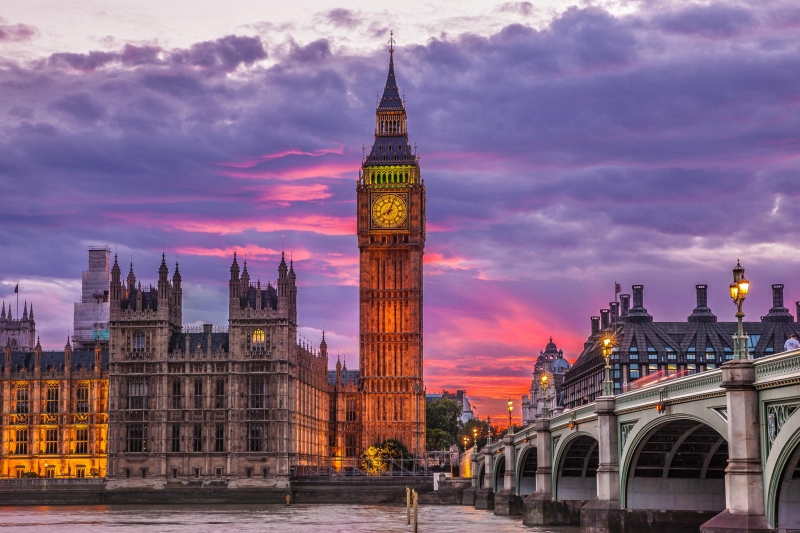
Big Ben Through Different Photographers’ Lenses
Photographing London’s clock tower—viewpoints, weather, craft tips, and how varied photographers keep a famous landmark looking new.
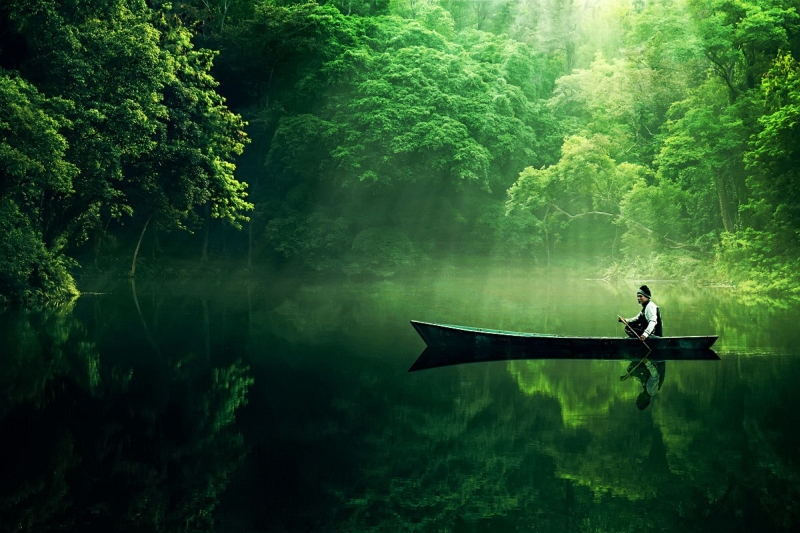
Dramatic Photo Art by Sukron Ma’mun (Ipoenk Graphic)
Cirebon, Indonesia photographer Sukron Ma’mun uses theatrical natural light to frame village life, play, and place in lyrical photo art.
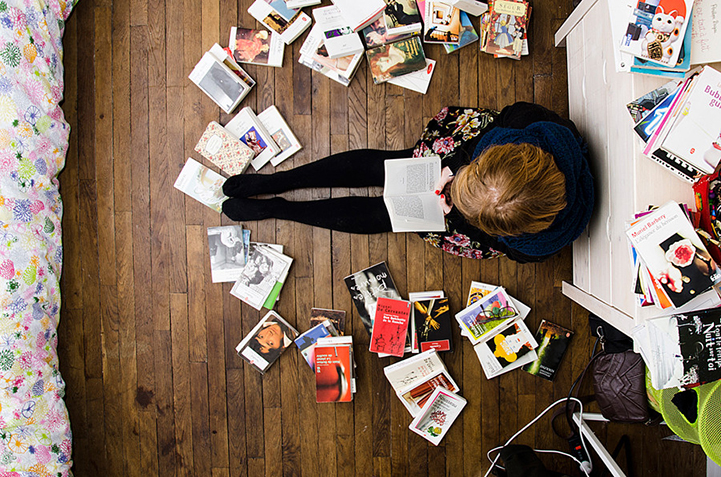
Bird’s-Eye Views: Florian Beaudenon’s Instant Life
Paris photographer Florian Beaudenon’s Instant Life series captures people in their rooms from above—intimate, collaborative overhead portraits of everyday joy.