
Dramatic Photo Art by Sukron Ma’mun (Ipoenk Graphic)
Cirebon, Indonesia photographer Sukron Ma’mun uses theatrical natural light to frame village life, play, and place in lyrical photo art.

Sukron Ma’mun—working under the name Ipoenk Graphic—photographs rural and village life in and around Cirebon, West Java, Indonesia, with a taste for drama that never quite abandons documentary warmth. Sunbeams cut through dust and leaves like spotlights. Children, workers, and quiet shoreline moments sit inside compositions that feel staged by light more than by props. He has described himself plainly: a professional photographer (including wedding work) whose “photo art” is the other side of that practice—personal images that treat everyday Indonesia as subject enough for sustained looking.
Online galleries and photo communities in the early 2010s helped these frames travel beyond West Java. Viewers responded to the same things that still hold: directional light, patient timing, and a refusal to flatten village life into postcard cliché. The photographs do not lecture. They invite you to notice how ordinary hours look when the sun cooperates—and when a photographer is willing to wait for that cooperation instead of forcing a mood with heavy effects.
Light as the main character
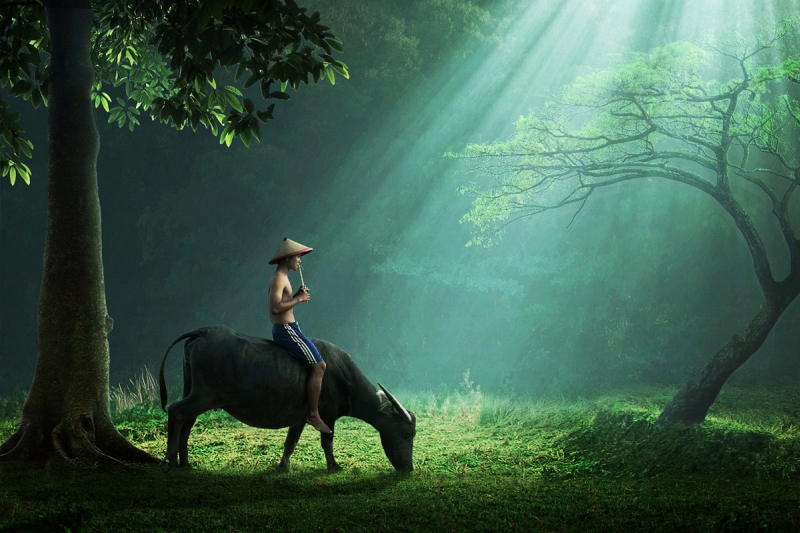
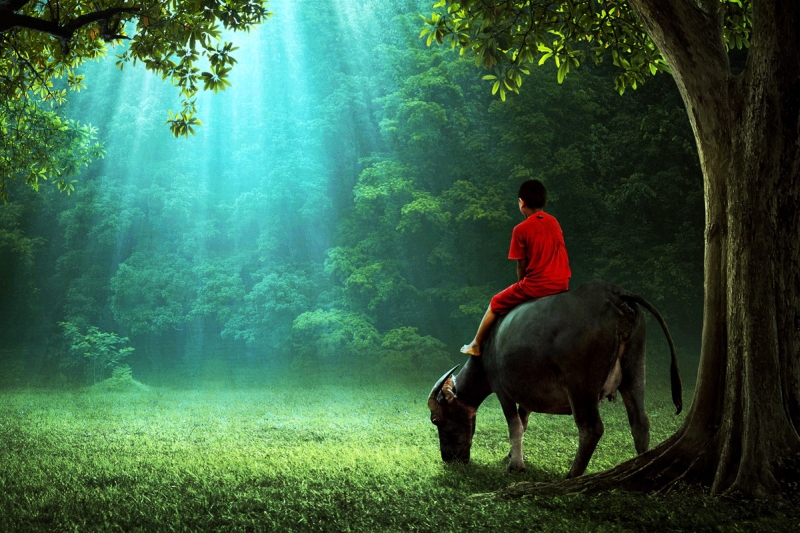
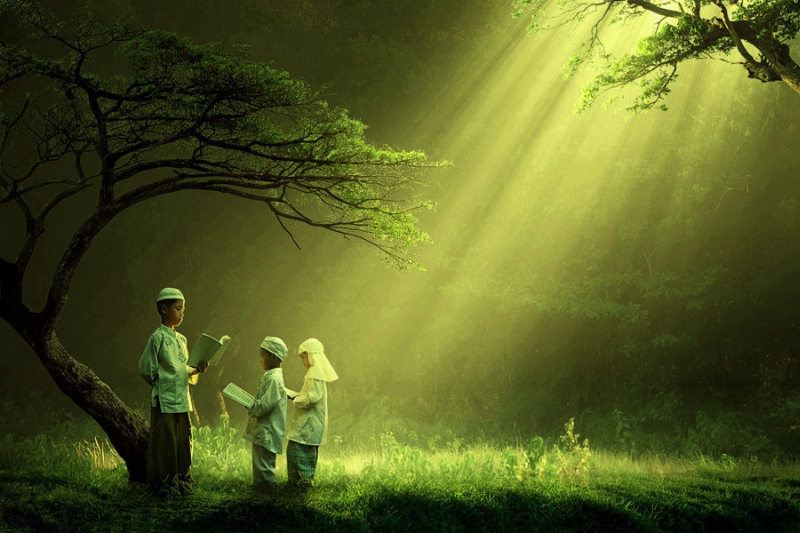
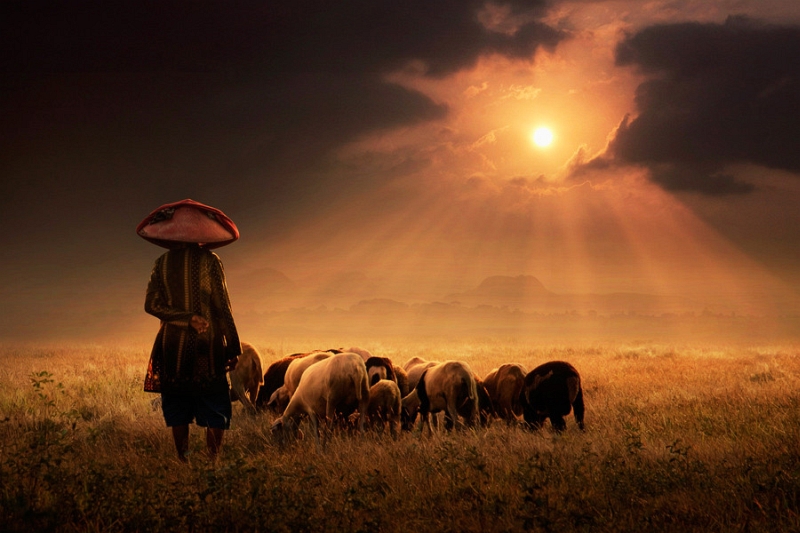
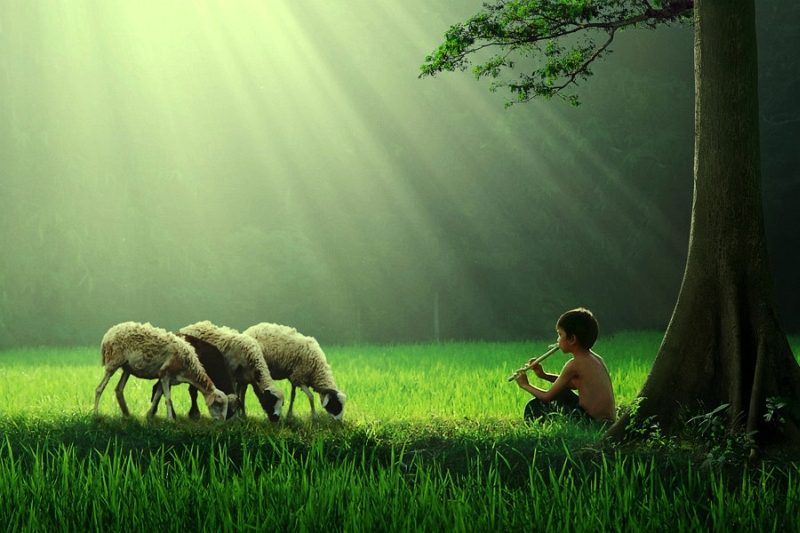
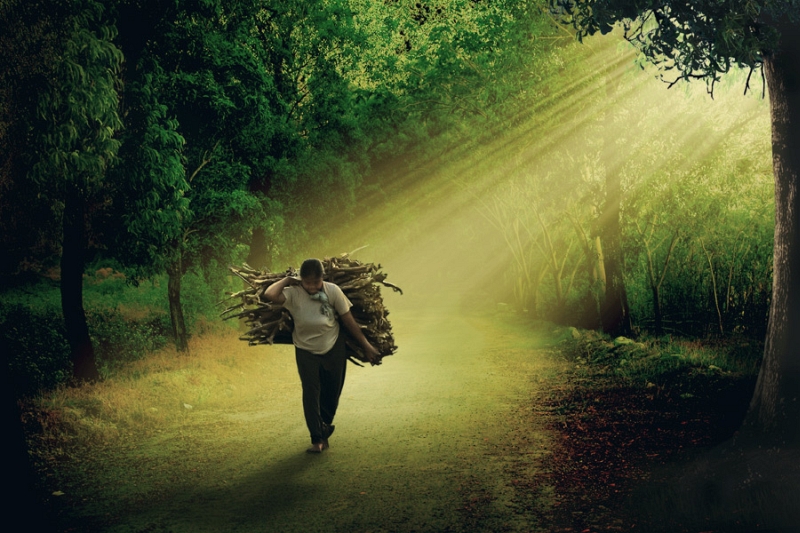
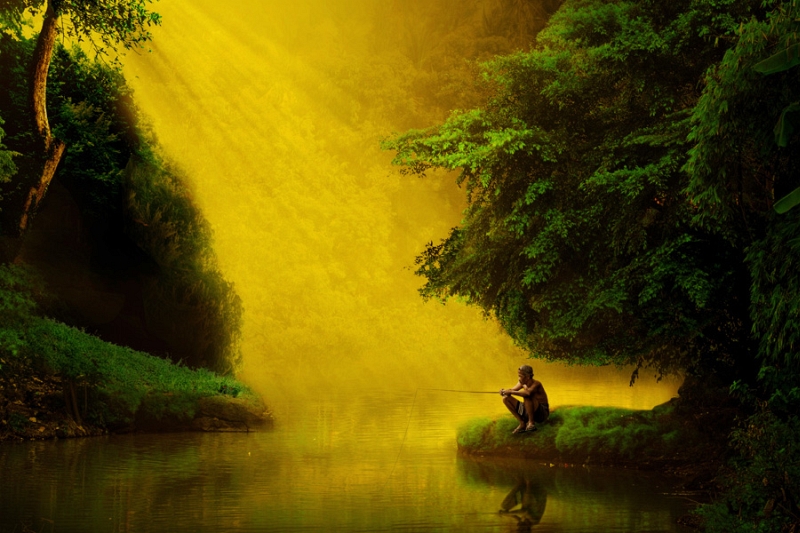
Ma’mun’s signature move is theatrical natural light. Low sun rakes across a path. Rays pierce a canopy and land on a face or a pair of hands. Haze turns into atmosphere instead of obstacle. The effect can feel almost painterly, which is why “photo art” fits his own label—but the craft underneath remains photographic: exposure choices, timing, and where he stands relative to the source. Mistime the beam by a minute and the sentence of the picture changes. That fragility is part of the pleasure; the drama feels earned because weather does not take direction the way a studio strobe does.
That spotlight habit does more than beautify. It selects. Whatever sits in the beam becomes the focus of the frame; everything else softens into supporting texture. In crowded outdoor scenes, the technique guides the eye without needing a heavy vignette. In quieter landscapes, it turns weather into narrative. The drama is not fake fog from a machine. It is local weather, observed carefully and framed with intention.
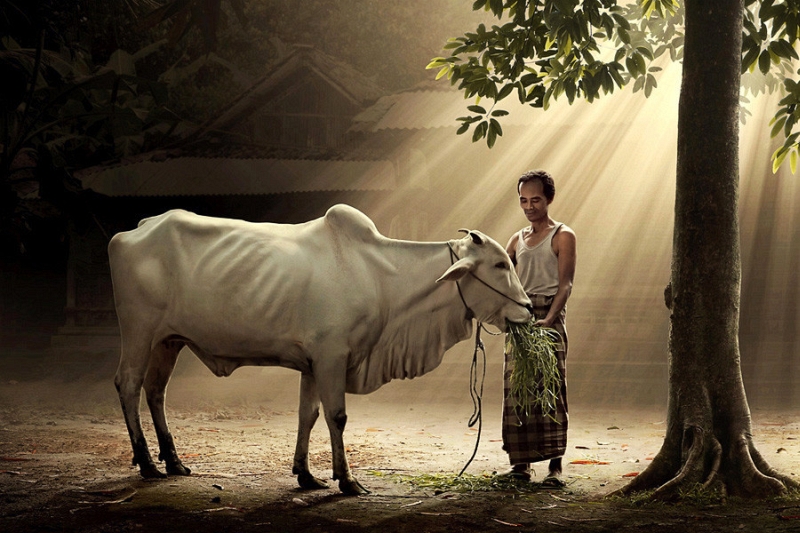
Photographers who chase “god rays” sometimes empty the frame of human meaning. Ma’mun usually avoids that trap. The beam almost always has a destination: a gesture, a glance, a task mid-motion. Light is the amplifier; people and place remain the subject. When a shaft of sun feels almost too perfect, look again at what it is lighting. The answer is usually more interesting than the beam alone.

People, play, and place
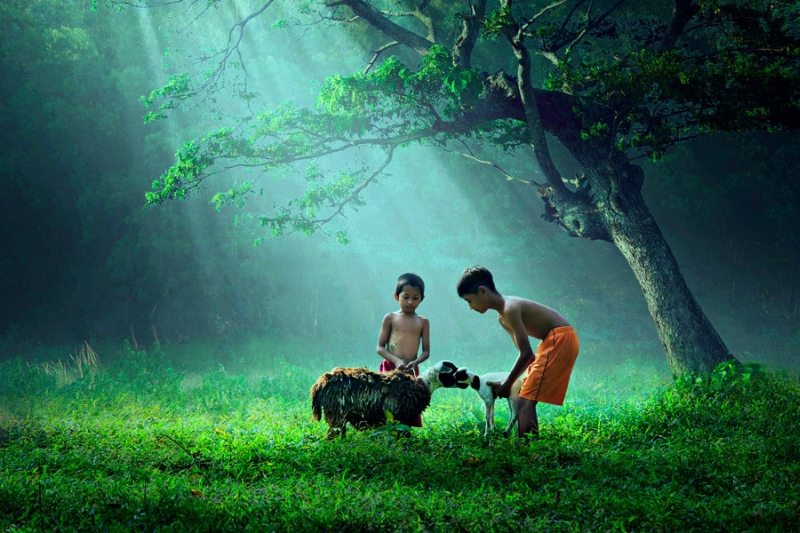
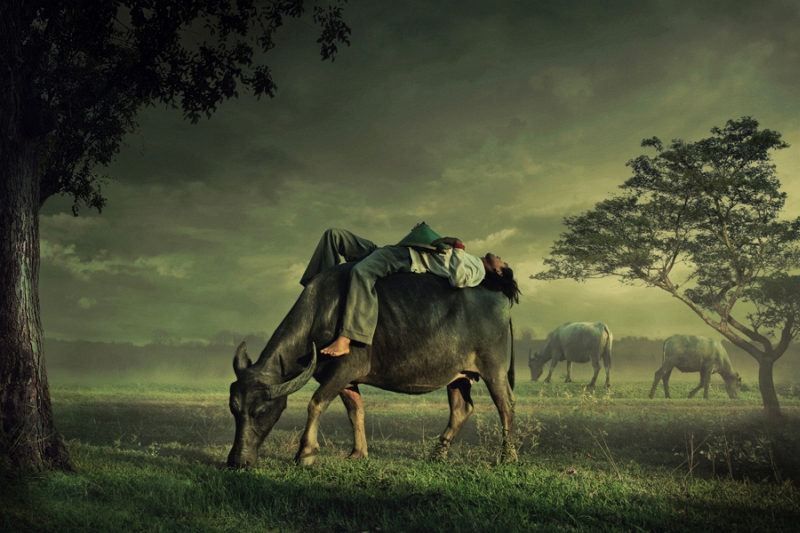
Many of the strongest frames are social without being invasive. Children after school, gestures of play, traditional practice, and daily work appear as lived rhythm rather than exotic display. Titles shared on photo communities—moments of joking, martial tradition, shoreline quiet—hint at how Ma’mun thinks in stories even when a single still is all we see. He is less interested in proving Indonesia is beautiful than in showing how beauty arrives inside ordinary schedules.
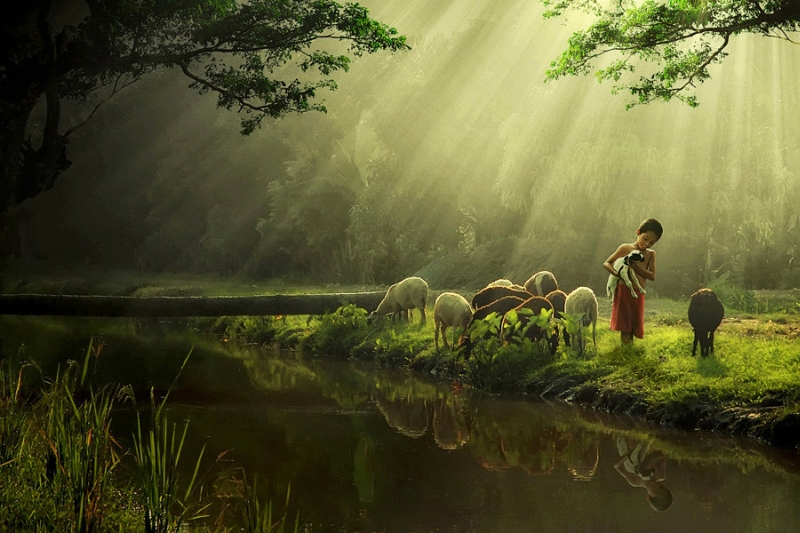
Cirebon’s coastal and inland mix gives him range: water, paths, trees, open sky, and the built textures of village architecture. He moves between closer human studies and wider environmental portraits. The through-line is respect for scale. People are not ants lost in scenery, and scenery is not a disposable backdrop. Both share the frame as partners. That balance is part of why the work reads as photo art rather than pure travel snapshot or pure portrait session.
For viewers outside Indonesia, the pictures often function as invitation. They suggest humidity, dust, late-afternoon gold, and the density of community space. They also push against a single tourist idea of the archipelago. Instead of landmarks alone, Ma’mun offers hours: after school, after work, after the rain starts to lift and the air starts to glow.
Profession and personal series
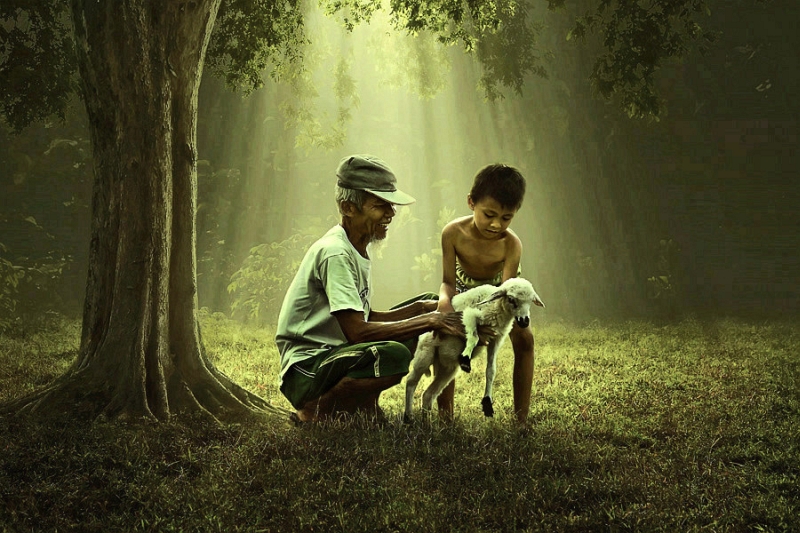
Ma’mun has been clear that “Ipoenk Graphic” is not a claim to be a graphic designer. The alias marks a photographer who also makes personal art. Wedding assignments demand reliability, flattering light, and people skills; the personal work keeps a more lyrical register. That dual practice shows in the polish of his exposures—he knows how to make people look considered—while the subjects of the art series remain rooted in local life rather than studio fantasy.
The professional side also explains the comfort his subjects often seem to have with the camera. Trust is visible in unforced gestures. Dramatic light can make strangers look heroic; Ma’mun’s frames more often make neighbors look luminous without turning them into costumes. That distinction matters ethically and aesthetically. Photo art about village life fails quickly when it feels extractive. These pictures lean toward companionship, which is harder to fake than a sunbeam.
Keeping both practices in view also helps viewers avoid a false choice between “commercial” and “artistic.” Ma’mun’s career suggests the skills travel both ways: patience with people, attention to light, and an eye for the moment when a scene becomes a picture.
How to look at the set
On a first pass, enjoy the spectacle of light. On a second, track gesture—hands, glances, the lean of a body in conversation or play. On a third, notice edges: where haze meets sharp detail, where shadow protects privacy, where a bright shaft feels almost too perfect and yet still believable as weather. Ask what would remain if the sunbeams were removed. In the best frames, a human relationship or a place’s character would still hold. The light is amplification, not the only content. That balance separates dramatic photo art from pure effect hunting.
Compare close social frames with wider environmental ones as you move through the gallery. Notice how often kindness, play, or work—not spectacle alone—anchors the picture. Then pick one image and stay with it longer than a scroll usually allows. Let the spotlight settle until it feels less like a trick and more like a local afternoon you almost remember.
- Watch where the brightest beam falls—and who or what receives it
- Compare intimate human moments with wider landscape frames
- Ask whether the picture would still matter without the dramatic rays
- Note how Cirebon’s coastal and village textures share space with people
- Return to one favorite and look past the light to the gesture
Ma’mun’s Cirebon-rooted photo art makes a simple case worth keeping: drama can grow from patience and weather, not only from exotic travel. The gallery is an argument for looking closer at the hours already around you—especially when the sun starts cutting the air into lines.

Comments
Continue reading
A Thousand Stories by Dewan Irawan
Tangerang, Banten photographer Dewan Irawan frames Indonesian countryside life—people, labor, and landscape—as quiet chapters you can read one image at a time.

Bird’s-Eye Views: Florian Beaudenon’s Instant Life
Paris photographer Florian Beaudenon’s Instant Life series captures people in their rooms from above—intimate, collaborative overhead portraits of everyday joy.
Abandoned Cars Reclaimed by Nature: Rust, Growth, and Quiet Ruin
When neglected vehicles are left outdoors long enough, rust, moss, and trees rewrite them into strange still lifes—sad, photogenic, and slowly returning to the ground.