
10 Unusual Uses for Nail Polish Beyond a Manicure
Clear and colored polish for jewelry makeovers, key coding, earring barriers, needle threading, lace tips, tarnish and rust slowdowns, stocking runs, and sealing envelopes.
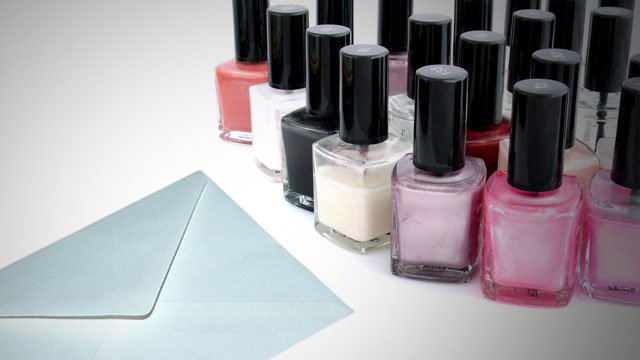
Nail polish is already a tiny bottle of colored (or clear) plastic waiting to dry. That is why it keeps showing up in household tricks: it coats, seals, stiffens, and marks. The ten uses below are the unusual ones—jobs far from a manicure—that still make sense when you understand what polish does as it cures. Work in a ventilated spot, keep bottles away from flame, and never treat cosmetics as a substitute for real first-aid or professional metal finishing when the stakes are high.
Clear polish is the workhorse for most of these ideas. Save bright colors for coding and decoration. Shake well, wipe the neck of the bottle so the cap does not glue itself shut, and give each coat full drying time before a second pass.
1. Refashion jewelry with color
Cheap metal findings, plastic beads, and tired charms can look intentional again under a thin coat of polish. Clean the surface with alcohol so oils do not reject the film. Paint in thin layers, rotating the piece so drips do not pool. Matte top coats calm flashy plastic; glossy clear over a color deepens the look.
This works best on pieces that do not flex much. Soft plastic may crack the film when bent. If you are painting near stones, use a fine brush and tape off areas you want to protect. A refurbished pair of earrings or a recolored pendant is a low-risk craft night—and a good way to use half-empty bottles you would never wear on your nails again.
2. Color-code your keys
A key ring full of identical silhouettes is a daily tax on patience. Paint the head of each key a different color, or stripe only the top edge so the teeth stay clean. Two thin coats beat one thick blob. Let keys dry fully on wax paper before they return to a pocket, or you will glue yesterday’s mail to today’s house key.
Choose high-contrast colors for the keys you use most. If you share a household, agree on a legend—blue for front door, red for garage—and stick to it. When a color chips after a year of metal-on-metal abuse, strip with polish remover and refresh. The system only works if it stays readable at a glance in a dark entryway.
3. Barrier-coat earring posts
Some people react to the metal in costume earring posts and backs. A traditional workaround is to paint a thin layer of clear polish on the part that touches skin, let it cure completely, then wear. The film acts as a temporary barrier between metal and skin.
This is a convenience tip, not medical advice. If you have a known metal allergy, hypoallergenic posts (often titanium, niobium, or surgical steel) are the durable fix. Polish coatings wear off with sweat and friction, so reapply when the shine dulls. Never paint over irritated or broken skin. If redness persists, stop and choose better materials.
4. Stiffen thread to needle more easily
Frayed thread ends collapse into fuzzy mushrooms that refuse the eye of a needle. Dip the tip in clear polish, wipe once between fingers to a point, and let it harden. The stiffened end behaves like a temporary wire. Trim if needed, then thread.
Use the smallest amount possible so you do not create a brittle club that snaps. This trick helps with embroidery floss and older sewing thread especially. Keep a scrap of cardboard as a drying rest so the wet tip does not glue itself to your table. Once the stitch is started, the polish tip disappears into the work.
5. Emergency “liquid bandage” for tiny nicks
Folk wisdom has long used clear polish as a temporary seal over a very small, clean nick—think paper cut—when a real bandage is nowhere nearby. The idea is a flexible film that keeps the edge from catching on fabric for a short while.
Treat this as last-resort improvisation, not wound care. Do not use polish on deep cuts, puncture wounds, animal bites, or anything dirty or actively bleeding heavily. Do not use it near eyes or mouth. Proper first-aid supplies beat cosmetics every time; keep a small bandage tin where you actually get nicks—kitchen, workshop, sewing kit—so you are not depending on a manicure bottle.
6. Stop shoelace ends from unraveling
When an aglet cracks off, the lace frays and becomes useless. Twist the fibers tight, dip the tip in clear polish, shape it, and let it dry hard. A second coat strengthens the new tip. Match polish color to the lace if you care about looks; clear disappears on most fabrics.
Hold the wet end upright or horizontal over scrap paper so polish does not wick too far up the lace. Fully dry before you thread it back through eyelets, or you will paint the shoe. Hiking and kid sneakers eat aglets quickly; a bottle in the mudroom pays for itself.
7. Slow tarnish on costume jewelry
Imitation metals tarnish when air and skin oils reach the surface. A thin clear coat on chains, clasps, and backs can slow that process. Clean thoroughly first—tarnish sealed under polish looks worse, not better. Paint lightly so links still move; thick coats fuse chain into a stick.
Expect maintenance. The film will wear at contact points. Reapply when brass or copper tones start showing through. Store pieces dry and separate so coated surfaces are not scraped by harder metals. Fine jewelry and pieces with porous gems are better left to professional cleaners; this tip is for fashion metal you already treat casually.
8. Seal an envelope when glue fails
Dry envelope adhesive is a small humiliation at the mailbox. A line of nail polish along the flap creates a seal that dries glossy and firm. Clear keeps the look formal; a bright color turns the close into a deliberate design detail—useful for invitations or thank-you notes if that is your style.
Paint a continuous thin bead, press closed, and leave flat until set. Too much polish squeezes out in ridges; too little leaves gaps. For anything confidential, a wax seal or tape may still be wiser, but for everyday mail that will not stay shut, polish is a surprisingly effective stand-in for dead glue.
9. Halt a run in stockings
A snag becomes a ladder the moment it finds freedom to climb. Dab clear polish at both ends of the run—the top and bottom of the damaged line—to lock the knit. Let it dry before you keep walking. The repair is visible up close and temporary, but it can finish an evening or a workday.
Carry a miniature clear bottle in a desk drawer if sheer tights are part of your wardrobe. Dark polish on dark hose camouflages better than clear in some lights; test on a scrap if you can. Once home, retire the pair or reinforce from the inside. Polish stops propagation; it does not weave new fabric.
10. Slow rust on vulnerable small metals
Bathroom fixtures, screw heads, and small steel odds that live near water start rust stains that ruin counters and towels. A clear coat on clean, dry metal can slow oxidation on pieces that are awkward to replace. Degrease first. Paint thinly so threads still turn if the part must move.
This is not marine-grade protection and not a fix for structural hardware. It helps on decorative or lightly used bits—think a spare hook, a washer that leaves orange rings, or the underside of a metal soap dish foot. If rust is already advanced, remove what you can, dry thoroughly, then coat. Recheck after humid seasons; films crack.
A few rules so the tricks stay useful
Ventilate. Polish solvents are not benign just because the bottle is pretty. Keep remover and cotton handy for mistakes on hard surfaces, and test on a hidden spot when you are coating finished wood or painted walls nearby. Do not use polish as glue for anything that must bear weight or protect a person. Do not coat things children will mouth.
Label a dedicated “utility” clear polish so you are not dipping a craft brush into the bottle you still want for manicures. Debris from keys and shoelaces will ruin a beauty bottle fast. Store upright, tightly capped, away from heat.
Used thoughtfully, nail polish is a pocket chemistry set for small problems: mark, seal, stiffen, slow decay. Ten unusual jobs will not replace tape, oil, real bandages, or better materials—but they will rescue a Tuesday morning when the right tool is in another room and the little glass bottle is already in your hand.

Comments
Continue reading
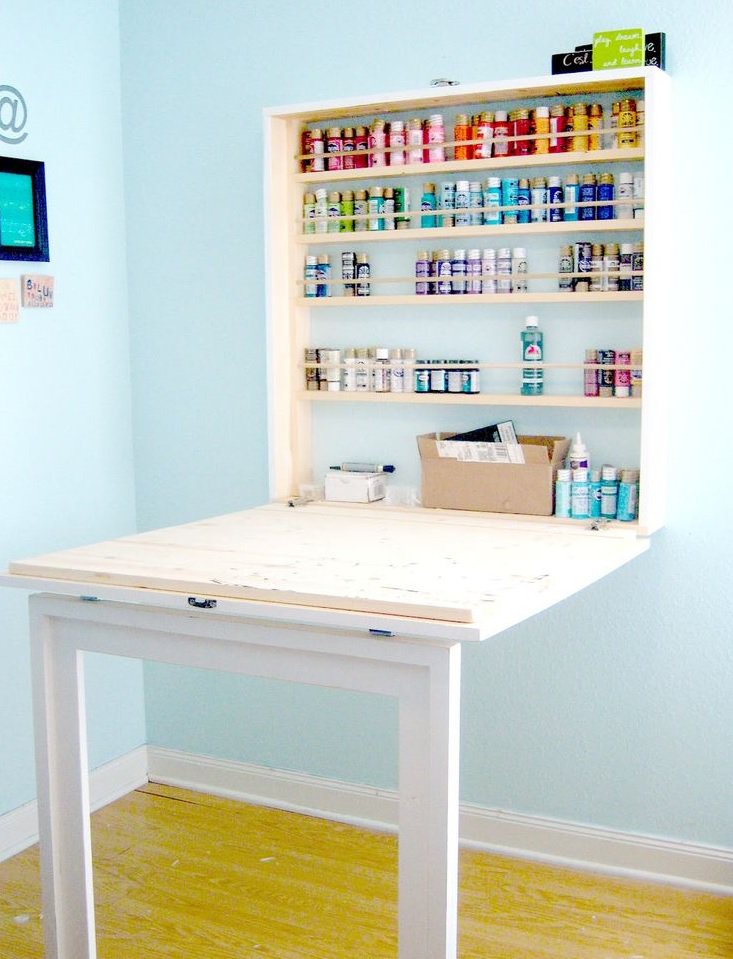
17 Smart Home Improvement Ideas: From Fold-Down Tables to Dryer-Drum Fire Pits
Seventeen clever home upgrades—fold-up frame tables, broom-texture paint, PVC organizers, outdoor watering-can showers, and more—expanded from the original tip gallery.
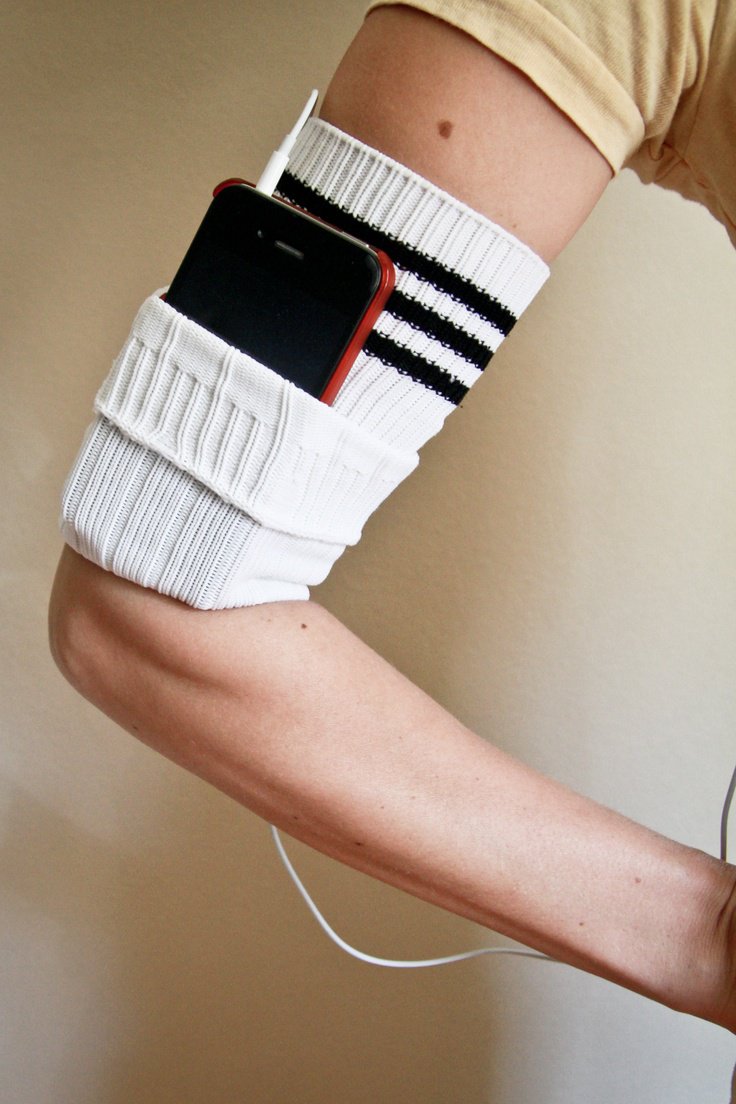
DIY Ideas for Old Socks: Rugs, Puppets, Mittens, and More
Sort leftover socks by fiber, then turn them into braided rugs, hand puppets, soft toys, mittens, and pin cushions with practical cutting and sewing tips.
DIY Ideas with Lace Doilies
Upcycle heirloom lace doilies into framed art, runners, pillows, lamps, and more—practical craft projects that keep the crochet visible.