
Paz Vega on the Cover of GQ Mexico, October 2012
A historical look at GQ Mexico’s October 2012 cover featuring Spanish actress Paz Vega—femme-fatale estate editorial, 2012 career context, and newsstand framing only.
In October 2012, GQ Mexico put Spanish actress Paz Vega on its cover. The issue belonged to a familiar early-2010s newsstand habit: men’s titles across Spanish-speaking markets used Hollywood-adjacent and European screen talent to sell glamour portfolios, short profiles, and a month’s worth of lifestyle packaging. This page treats that October 2012 feature as a historical magazine object—who appeared, which title, which month—not as a live celebrity bulletin and not as a career scorecard updated for later years.
By autumn 2012, Vega was already a recognizable face for readers who followed Spanish cinema into international distribution. She had broken through with Julio Medem’s Lucía y el sexo (Sex and Lucia) in 2001, a film that made her a Goya-winning discovery and a durable European sex-symbol reference in magazine culture. American audiences had seen her opposite Adam Sandler in James L. Brooks’s Spanglish (2004) and later in the independent two-hander 10 Items or Less with Morgan Freeman. Television origins in Spain—especially the comedy series 7 vidas—still framed her as someone who could move between popular TV and art-house heat. GQ Mexico’s cover sat on that résumé: an actress known enough to stop the rack, still mid-career enough to justify a fashion-and-persona package.
What the October 2012 GQ Mexico package was selling
GQ’s local editions in the early 2010s shared a brand language—tailoring, watches, nightlife, and celebrity covers—while adapting casting and photography to regional newsstands. Mexico’s edition, like Spain’s, used Spanish-speaking stars to feel both local and cosmopolitan. Putting Vega on the October 2012 cover was a clear editorial bet: a Seville-born actress with European prestige credits and Hollywood visibility, photographed for the title’s version of adult glamour.
Contemporary entertainment roundups from that season described the Mexican editorial in cinematic shorthand. Period coverage paired GQ Mexico’s Vega feature with GQ España’s own October spotlight on another Spanish beauty, model Ariadne Artiles, shot as a beach figure on Gran Canaria. Vega’s Mexican set was framed differently: a femme-fatale mood on a rural estate—a finca—rather than a seaside vacation register. That contrast mattered for how the cover read. Beach editorials sell summer ease; a finca femme-fatale set sells narrative glamour, the suggestion of a character rather than a holiday postcard.
Magazine covers of this type were never only about clothes. They sold an appointment issue: a face you recognized, a photographic fantasy the title owned, and enough interview or caption texture to feel like access. Vega’s October 2012 GQ Mexico appearance belongs to that machine at full volume—paper, ink, rack competition, and the promise that the interior would deliver more of the same mood.
Career context sealed in 2012
Useful context for this cover stays inside the 2012 window. That year Vega’s name circulated with mainstream animation as well as live-action work: she contributed voice performances connected to Madagascar 3: Europe’s Most Wanted, a global family release that kept her visible beyond art-house circuits. Spanish press of the period also tied her to Pedro Almodóvar’s Los amantes pasajeros (I’m So Excited!), another marker that she remained inside Spain’s major film conversation even while working internationally.
Mexico was not a random backdrop for the magazine. Around the same stretch, Vega was deepening professional ties with Mexican cinema—period reports later in 2012 noted her interest in working more in the country after projects with local directors, including the thriller Espectro and talk of further collaboration. A GQ Mexico cover in October fit that geography: an actress with Spanish roots and Mexican-industry momentum, presented to Mexican readers through a men’s-title lens. The magazine did not need to invent a connection; the career already pointed across the Atlantic.
What this historical note does not do is chase later headlines, relationship timelines, or wealth speculation. The October 2012 issue is a sealed newsstand object. Its job then was to sell magazines and to present Vega through GQ’s glamour grammar. Its job now is to keep that object readable.
How to read a regional GQ cover after the rack is gone
Men’s magazine covers date quickly in typography, retouching fashion, and wardrobe cues, yet they remain useful cultural timestamps. They show how a publication wanted a star to look in a given season, and which fantasy—romantic, dangerous, playful, remote—it tried to attach to that look. Vega’s GQ Mexico October 2012 cover sits at a clear timestamp: post-breakthrough European fame, established U.S. film recognition, concurrent animation and Spanish auteur visibility, and an editorial mood described at the time as femme fatale on estate grounds rather than beach candid energy.
Regional editions complicate the archive in a useful way. The same multinational brand could run parallel October covers with different Spanish talents and different visual theses—Spain’s beach model package beside Mexico’s cinematic actress package. Collectors and magazine historians reading those issues side by side see how GQ localized desire and recognition. Vega’s Mexican cover is one half of that early-October 2012 conversation in Spanish-language GQ culture.
Photographers and stylists for such packages typically aimed for controlled narrative: wardrobe with bite, locations that imply story, lighting that flatters without looking like a red-carpet candid. Even when individual image credits travel unevenly across the web years later, the editorial intention remains legible from contemporary descriptions—pose as character, setting as plot, actress as both subject and brand partner for the month.
Why the cover still belongs to magazine history
Celebrity galleries online often strip context until a face becomes generic wallpaper. Keeping Paz Vega attached to GQ Mexico, October 2012, prevents that drift. The proper nouns matter: the actress, the title, the market, the month. Together they mark a specific bargain between a Spanish screen star and a Mexican edition of an international men’s magazine during a year when her work spanned animation, Spanish film, and growing Mexican production ties.
If you came looking for that cover story’s afterlife, stay with the period framing. Imagine the rack: competing glossies, cover lines, a face already known from Lucía y el sexo and Spanglish, restyled for GQ’s Mexican audience as late-year glamour. The photographs—wherever they circulate now—were built to stop a browser in 2012. The interview or captions that accompanied them, whatever their exact length in the printed issue, completed the product: access plus allure.
Franchise and seasonal covers are easy to dismiss as marketing. Historically, they also function as appointment objects—issues readers expect, argue with, and remember by year and market. GQ Mexico’s October 2012 Paz Vega cover is one of those objects. It documents how a regional edition of GQ wanted to stage a Spanish actress for Mexican newsstands that autumn: cinematic, glamorous, and timed to a career that already crossed borders. That is the magazine moment these references still point to—nothing more recent required.
When you file the issue away in memory, keep the simple citation intact. Paz Vega; GQ Mexico; October 2012; femme-fatale estate editorial in the season’s press shorthand. Later roles and later covers belong to other pages. This one stays on the newsstand where it first sold.

Comments
Continue reading
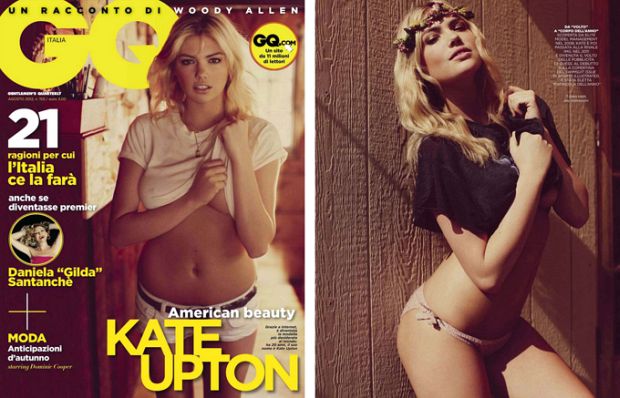
Kate Upton for GQ Italy, August 2012
Guy Aroch photographs Kate Upton for GQ Italia’s August 2012 cover, styled by Emily Current and Meritt Elliot—soft, retro-leaning European men’s-magazine sensuality.
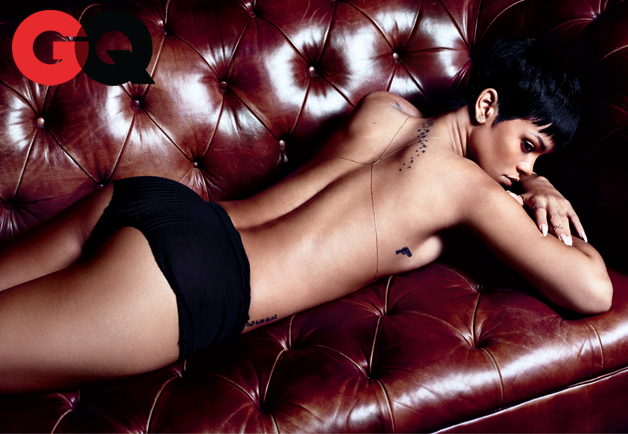
Rihanna for GQ, December 2012: Obsession of the Year
A historical look at Rihanna’s GQ Men of the Year cover and Mario Sorrenti portfolio from December 2012—Unapologetic-era styling, credits, and context.
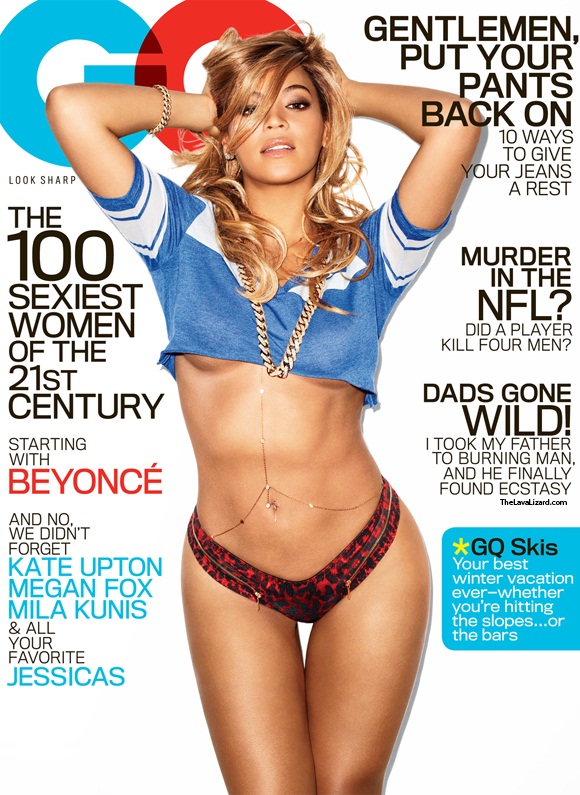
Beyoncé for GQ, February 2013
Period context for Beyoncé’s GQ February 2013 cover feature—work ethic, album collaborators, influences, and Super Bowl prep, with the editorial images.