
GQ’s 2012 Gallery: Fashion and Pop-Culture Faces of the Year
A 2012 time capsule through GQ’s year-end gallery—from Revolution and Mad Men to Hunger Games, Skyfall, Rihanna, and Kate Upton—read as fashion and fame weather, not a beauty verdict.
Magazine “sexiest” lists from the early 2010s were a media genre of their own: part red-carpet scoreboard, part fashion scrapbook, part argument about who owned the year’s visual culture. GQ’s 2012 roundup—circulating as a ranked gallery that ran from Tracy Spiridakos at twenty to Kate Upton at one—was never a scientific survey. It was a snapshot of which faces, roles, and campaigns the magazine’s audience and editors kept returning to as the year closed.
Seen from a distance, the list works better as a pop-culture and style time capsule than as a verdict on anyone’s worth. 2012 was a hinge year: prestige cable still defined watercooler talk, network procedurals and soaps minted new leads, Victoria’s Secret and high-fashion casting fought for the same attention economy, and social platforms were turning models and musicians into always-on brands. The names below map that weather.
How to read a list like this
Rankings flatten complicated careers into a countdown. A more useful approach is to notice clusters. Television supplied several entries because 2012 was still a peak era for appointment viewing. Film prestige and franchise heat mattered. Music video aesthetics competed with runway seasons. Modeling was splitting between classic glamour campaigns and a broader, more international casting conversation.
The photographs that traveled with the gallery—editorial, red-carpet, and campaign-adjacent images—did as much work as the numbers. Hair, tailoring, color stories, and pose vocabulary tell you what “glamour” looked like that year: stronger brows, athletic ease next to old-Hollywood polish, bodycon dresses beside architectural couture, and a growing appetite for faces who already felt familiar from Tumblr, Twitter, and YouTube clips.
What follows keeps GQ’s published order as a historical spine, then reframes each stop as a fashion or culture note from the period—not a beauty contest commentary.
#20–#16: Breakouts, icons, and the runway
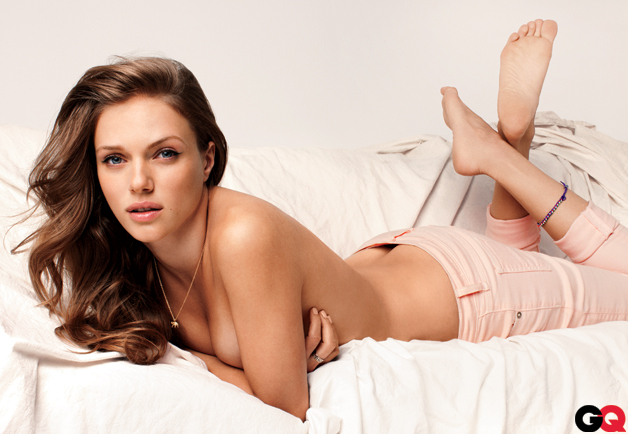
#20 Tracy Spiridakos
Spiridakos entered wider recognition with NBC’s Revolution, a fall 2012 drama that sold post-blackout America with leather jackets, practical hair, and adventure-show casting. Her placement marks how quickly a network lead could jump from genre pilot buzz into year-end galleries.
#19 Scarlett Johansson
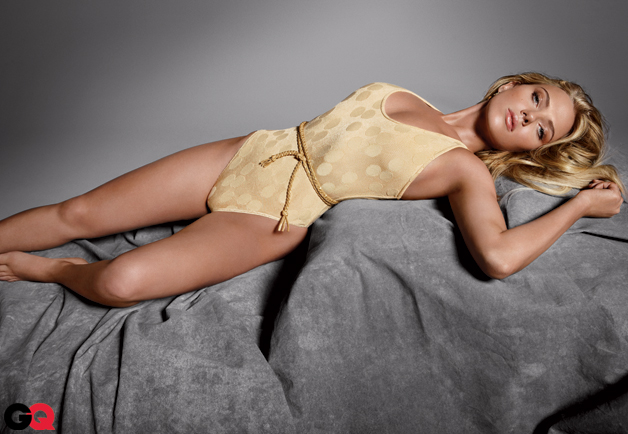
Johansson’s early-2010s presence mixed franchise visibility with a fashion-week constant: sculptural dresses, platinum-era glamour references, and a red-carpet ease that magazines treated as default star power. She represents the established Hollywood pole of the list.
#18 Lara Stone
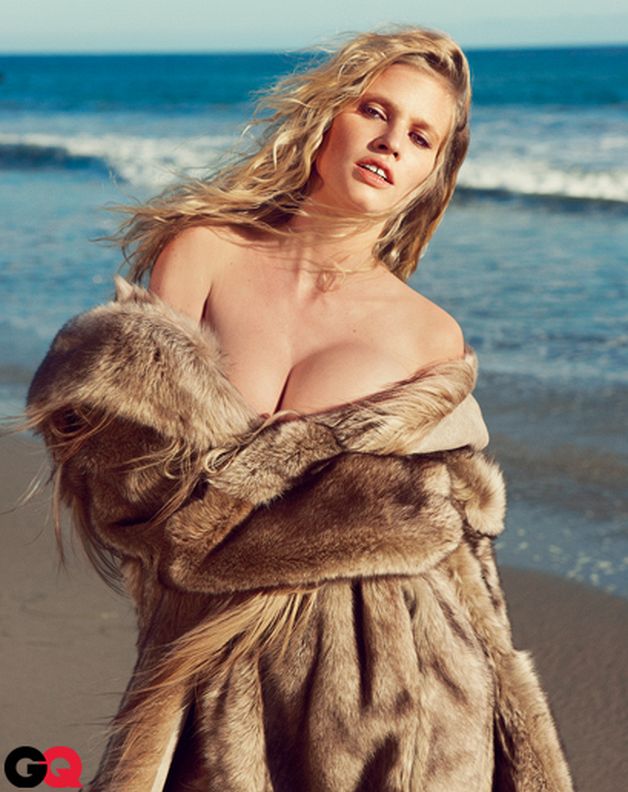
Stone’s modeling career had already rewritten beauty norms in high fashion—gap-toothed confidence, strong features, campaign authority. Including her kept the gallery tethered to editorial photography, not only screen roles.
#17 Brooklyn Decker
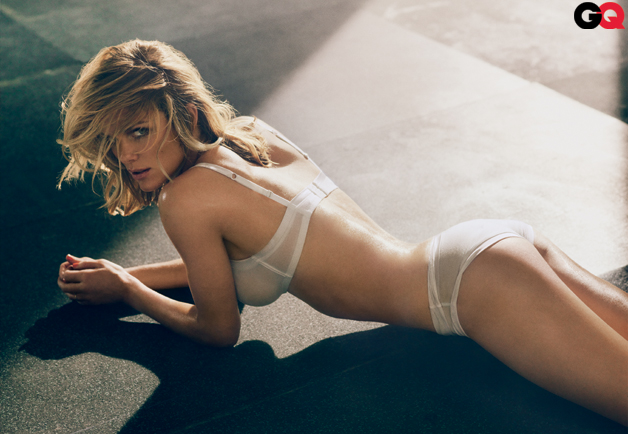
Decker’s Sports Illustrated-to-acting path was a familiar early-2010s crossover. The look associated with her public image—sunlit ease, swimwear-era familiarity, mainstream polish—sat comfortably inside men’s-magazine visual language of the time.
#16 Liu Wen
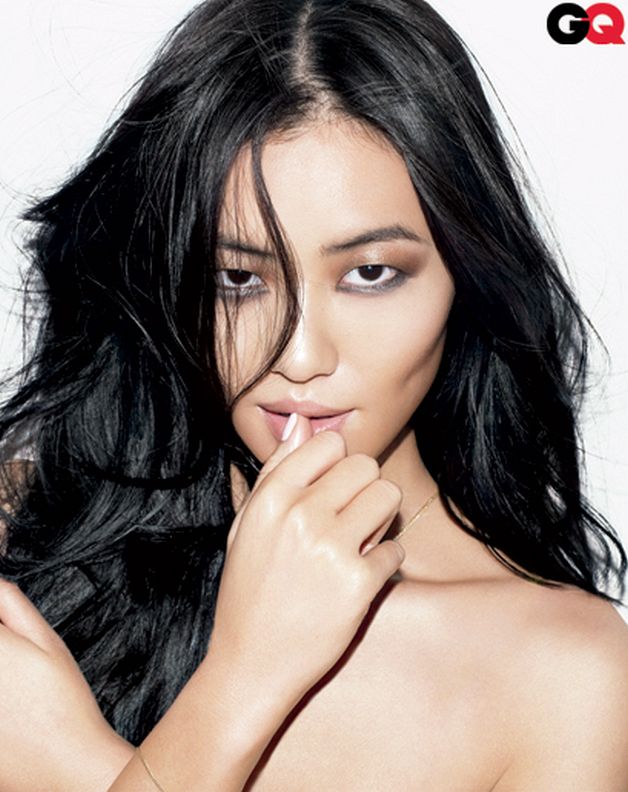
Liu Wen’s rise signaled how global casting was changing the face of luxury advertising. By 2012 she was a regular in major campaigns and runway seasons, proof that the year’s “most seen” conversation was no longer only a Hollywood roll call.
#15–#11: Prestige TV, pop, and franchise heat
#15 January Jones
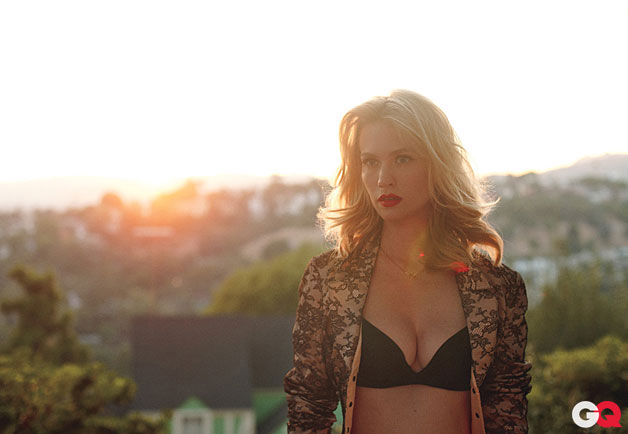
Mad Men still owned a slice of cultural conversation, and Jones’s Betty Draper silhouette—period precision, restrained palette, devastating stillness—had become a fashion reference beyond the show itself. Costume drama as style education.
#14 Lea Michele & Dianna Agron
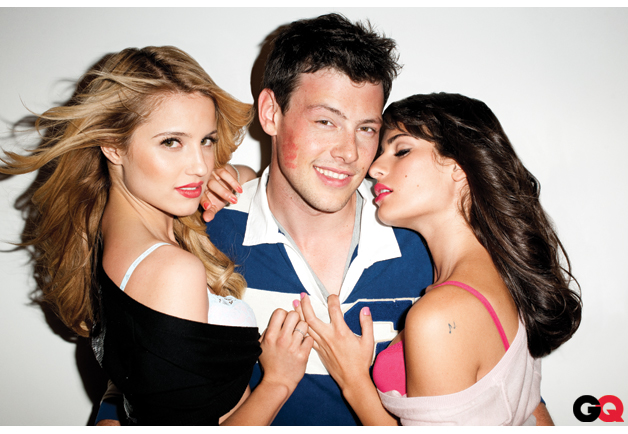
Glee remained a pop-culture engine, and the dual placement treats the show’s leading women as a paired phenomenon: award-show sparkle, young-Hollywood tailoring, and the strange fame of characters people felt they knew weekly.
#13 Rita Ora
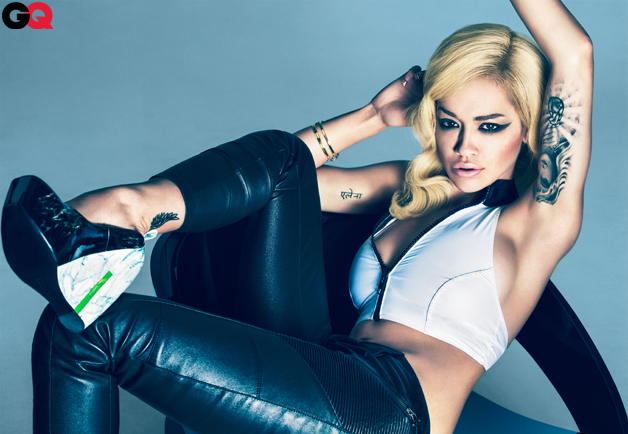
Ora’s early chart run and fashion-forward public image—bold color, sporty-luxe hybrids, music-video gloss—represent the British pop invasion lane on the list. Sound and wardrobe traveled together.
#12 Jennifer Lawrence
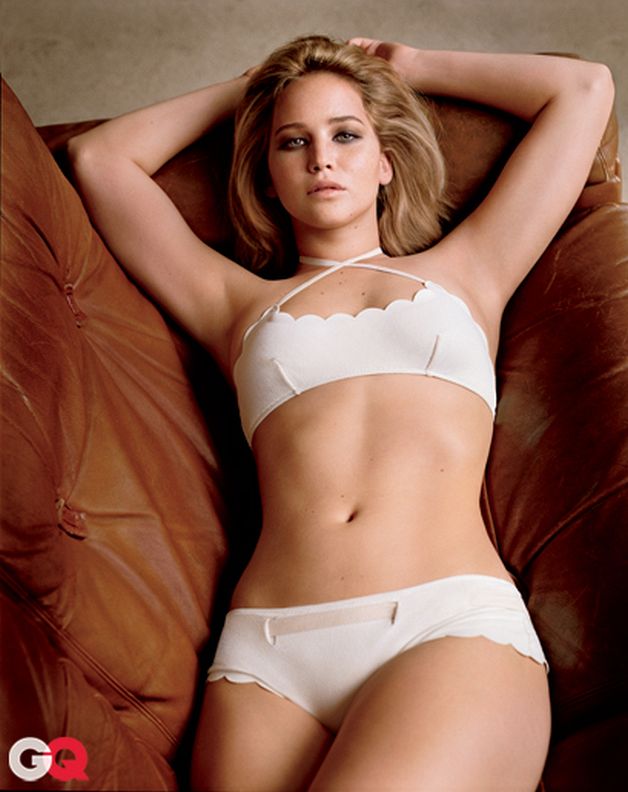
2012 was a Lawrence inflection point: The Hunger Games made her a franchise center of gravity, while awards-circuit appearances cemented a public persona of approachable glamour. The year’s fashion press loved the contrast between Dior-level dressing and anti-diva sound bites.
#11 Miranda Kerr
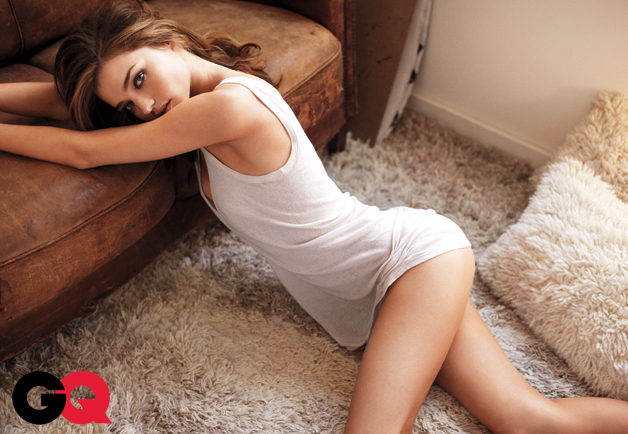
Kerr’s Victoria’s Secret era and beauty-branding work made her one of the decade’s most circulated commercial faces. Soft glam, beach-light skin, and campaign smile vocabulary—highly legible in thumbnail culture.
#10–#6: Music, soaps, and mid-century cool
#10 Cassie
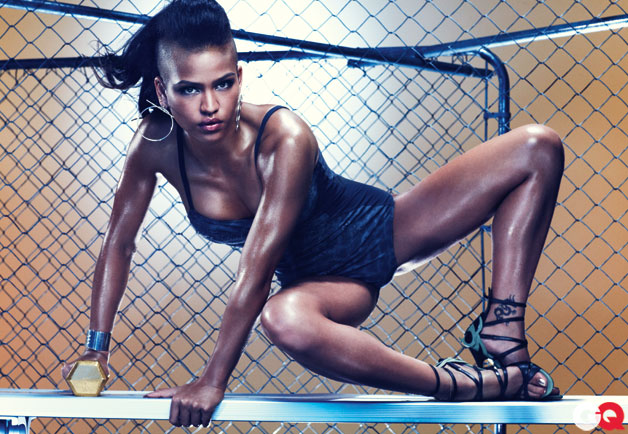
Cassie’s R&B and video presence kept a sleek, minimal glamour in rotation—clean lines, understatement as flex. She anchors the list’s music-fashion overlap beyond stadium pop.
#9 Emily VanCamp
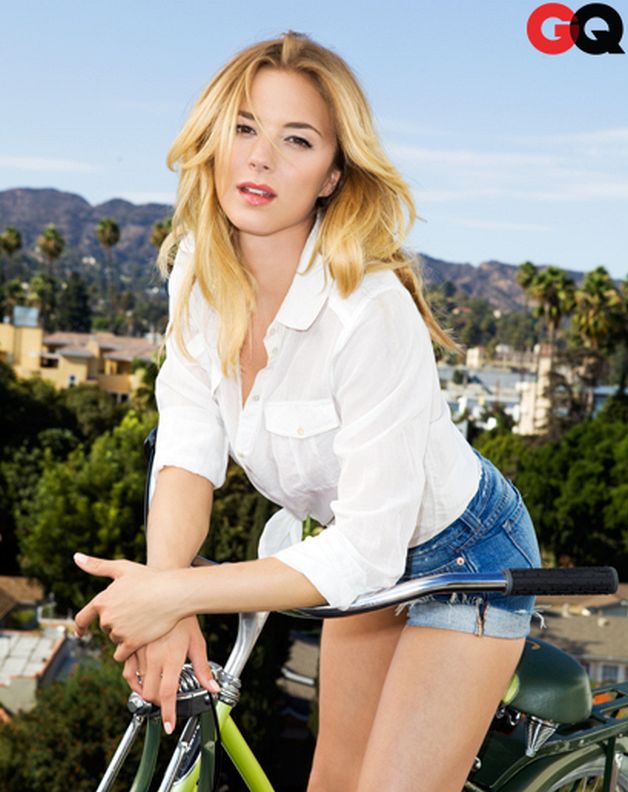
As Emily Thorne on ABC’s Revenge, VanCamp embodied a very 2012 network fantasy: Hampton wealth aesthetics, tailored neutrals, and revenge-plot chic. Soap-adjacent primetime still minted style references.
#8 Candice Swanepoel
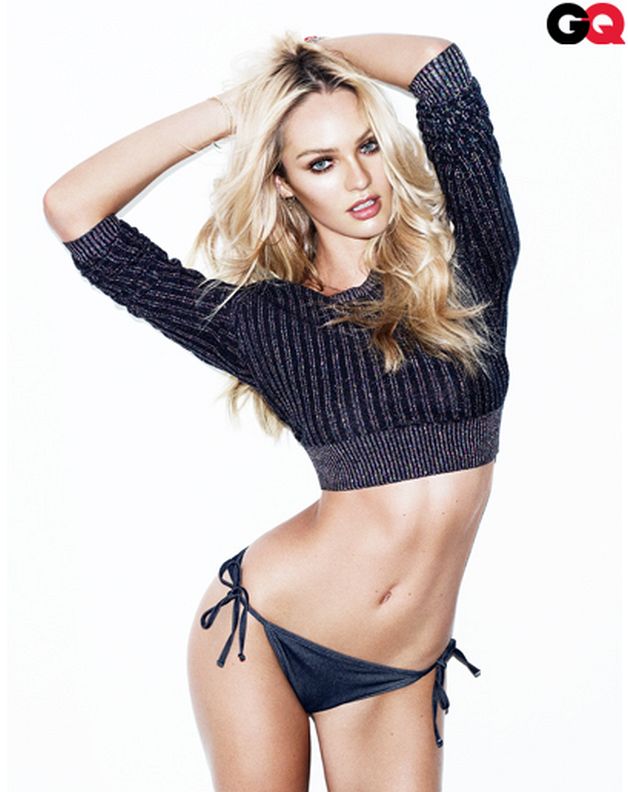
Swanepoel’s Victoria’s Secret dominance made her a default image of early-2010s commercial modeling—athletic line, campaign hair, wing-era spectacle. The Angel machine was still a mainstream fashion event.
#7 Mila Kunis
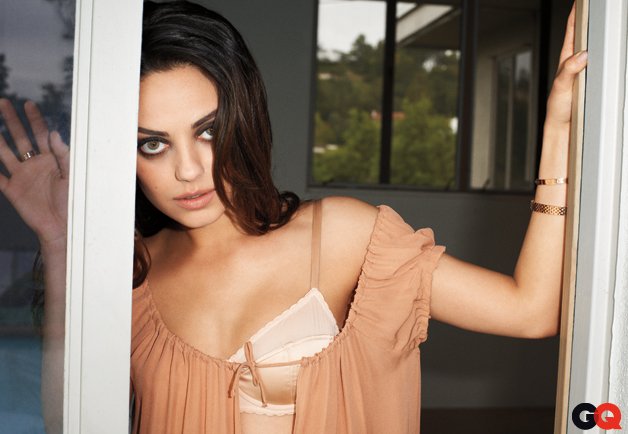
Kunis occupied the film-and-magazine sweet spot: comedy and drama visibility, strong brows, and a public image that magazines framed as both glamorous and conversational. Off-duty tailoring mattered as much as gowns.
#6 Jessica Paré
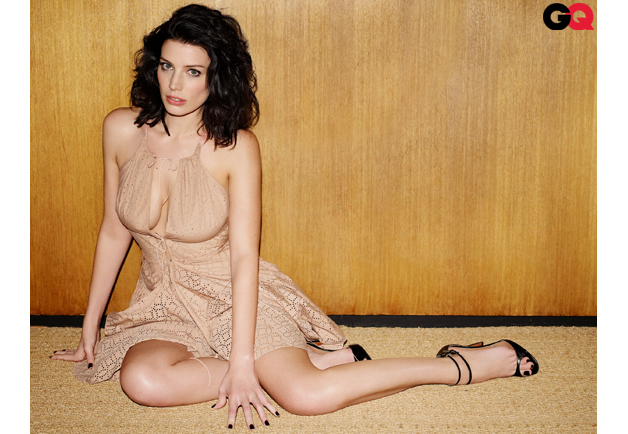
Paré’s Megan on Mad Men brought 1960s mod energy into 2012 conversations—graphic dresses, performance scenes, a different temperature from Betty’s freeze. Prestige TV kept feeding fashion editors period silhouettes.
#5–#1: Bond, indie prestige, legacy fame, and the viral cover girl
#5 Bérénice Marlohe
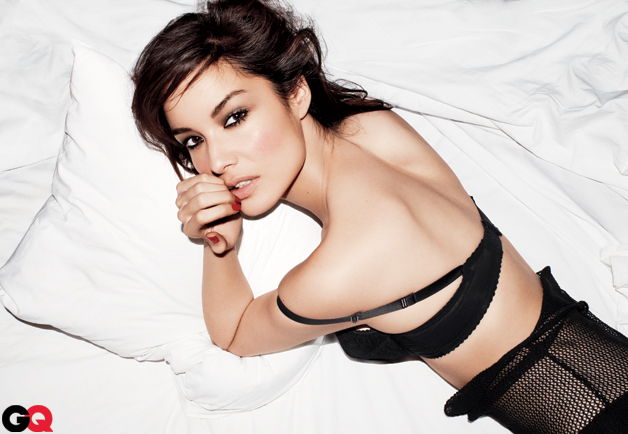
Skyfall arrived in late 2012, and Marlohe’s Bond-girl turn placed her inside one of the year’s biggest global film events. Eveningwear drama, casino light, franchise mythology—classic magazine bait with a new face.
#4 Michelle Williams
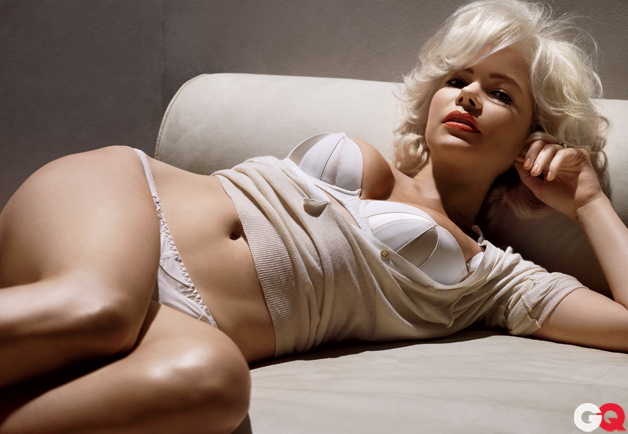
Williams represented awards-circuit prestige and a quieter red-carpet intelligence—delicate color stories, thoughtful styling, craft-first fame. Her inclusion widens the list beyond pure commercial glamour.
#3 Jennifer Aniston
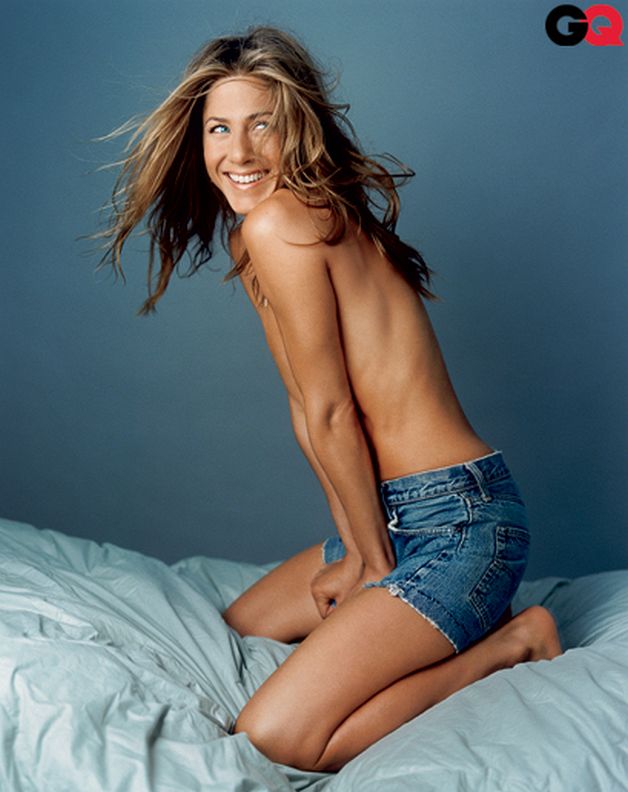
Aniston’s endurance is the point. By 2012 she was both a nostalgia engine and a contemporary magazine cover staple: California polish, precision hair, and a familiarity that compressed twenty years of tabloid and rom-com history into one recognisable silhouette.
#2 Rihanna
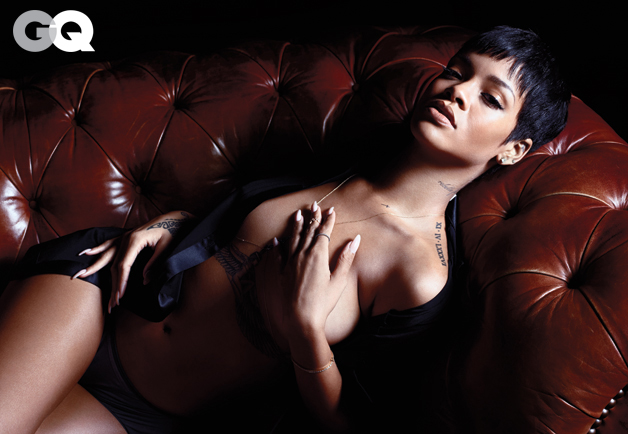
If one person on the list embodied 2012’s fashion-forward pop stardom, it was Rihanna. Hair experiments, sculptural outfits, street-style documentation, and album-cycle visuals made her a moving target in the best sense—music and wardrobe updating each other in public.
#1 Kate Upton
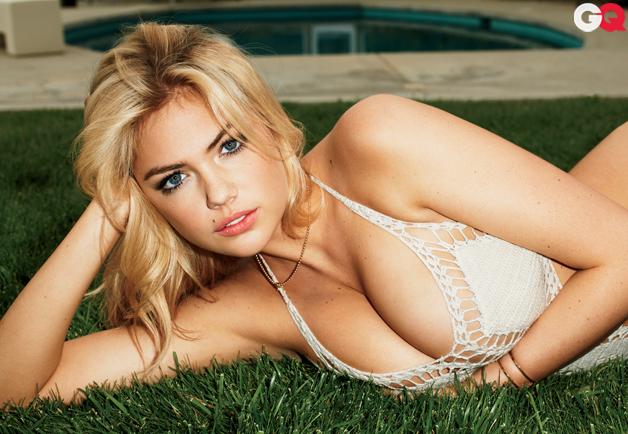
Upton’s ascent was a case study in how internet-native fame met old magazine power. Viral clips, Sports Illustrated heat, and a major GQ cover moment earlier in 2012 combined into the year’s defining “suddenly everywhere” modeling story. The ranking freezes that surge in place.
What the year looked like
Read as a group portrait, the gallery is almost a moodboard of 2012’s mainstream gaze: cable polish, network melodrama, Bond sheen, Victoria’s Secret theatricality, Hunger Games-scale celebrity, and a pop star rewriting her silhouette in real time. Some names were at the start of wider fame. Some were already institutions. The ranking pretended they could share one ladder.
They could not, really—and that is why the list is interesting now. It shows which industries were allowed to define “visibility” in a men’s-magazine frame that year, and which aesthetics the frame preferred: glossy, camera-ready, already circulating. Fashion history is often preserved in odd containers. A countdown is one of them. Flip through the images for the clothes, the hair, the lighting, the roles people were inhabiting. The numbers are just the filing system the magazine used at the time.

Comments
Continue reading
Funny Animal Signs That Warn People (While Animals Ignore Them)
From a seagull on a no-birds disc to classic zoo and park ironies—why animal warning signs get funny, and what the rules are still for.
How to Find Local Amenities on Vacation: Mechanics, Haircuts & More
Locate trustworthy local services and everyday spots while traveling or settling in—using publications, reviews, map apps, neighbor tips, and low-pressure exploration.
Kristen Stewart for V Magazine, Spring Preview 2013
V81’s Wild at Heart cover story—Kristen Stewart shot by Inez & Vinoodh, styled by Joe McKenna, in pale minimal spring glamour.