
How to Find Local Amenities on Vacation: Mechanics, Haircuts & More
Locate trustworthy local services and everyday spots while traveling or settling in—using publications, reviews, map apps, neighbor tips, and low-pressure exploration.

Travel used to mean arriving somewhere and hoping the hotel concierge knew a decent restaurant. Relocating—or spending long enough in a place to need a haircut, a mechanic, or a dentist—raises the stakes. You want amenities that work, not only photogenic cafés. Finding them is a research project with a pleasant side effect: you learn the texture of a town faster than any guidebook chapter can teach you.
Whether you are on an extended vacation, a work trip with weekends free, or settling into a new city, the same toolkit applies. Mix local publications, reviews, maps, apps, and human recommendations. Treat advertising as a lead, not a verdict. And when the risk is low—lunch, a bookstore—experiment. When the risk is high—brakes, a bad haircut before a wedding—borrow other people’s hard-won shortlists.
Image via Flickr by NS Newsflash
Read what locals actually read
Most cities still produce a web of local media: daily or weekly papers, business journals, culture magazines, parenting newsletters, neighborhood blogs, and advertisement circulars. Skim them for restaurant roundups, shop profiles, farmers’ market calendars, and service-business features. Parenting magazines often know pediatric dentists and rainy-day activity spaces; business journals tip you toward established firms and new openings.
Advertising spend is not quality. The loudest auto shop in the circular may simply have the biggest marketing budget. Cross-check any interesting name against recent customer reviews and, when possible, a newspaper or independent blog review. For restaurants, compare critic notes with recent diner photos and comments—menus and kitchens change.
Leave room for taste. A reviewer who loves a loud trattoria might steer you wrong if you want a quiet table. Keep a short list of “try” and “maybe,” then let your own visits sort them. Discovering a modest bakery that never buys ads is one of the quiet pleasures of learning a place.
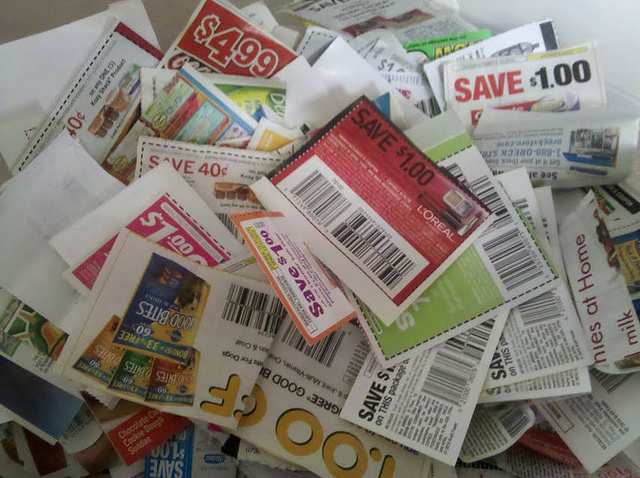
Image via Flickr by sdc2027
Use deals as discovery tools, not as the whole plan
Discount platforms and local deal newsletters can introduce you to spas, restaurants, fitness studios, and experiences you would not have searched for by name. Sign up for a couple of city-specific lists while you are in town, then redeem offers that sit near where you are staying or living. The point is reconnaissance: a discounted first visit teaches you whether the place deserves a full-price return.
Search engines still matter. Try queries like “mechanic near [neighborhood],” “barber [district],” or “Saturday market [city].” Read the business’s own site carefully. Does it emphasize rock-bottom price, specialized expertise, or appointment-only craft? That positioning is a clue. Then compare the claim with review patterns—recurring praise for honesty or recurring complaints about upselling tell you more than a single five-star outburst.
Travel and city-guide sites help for attractions and day trips—caves, trails, museums, ferry routes—especially when you want one planned adventure alongside everyday amenities. Keep tourism marketing separate in your mind from service businesses you will trust with your car or your hair.
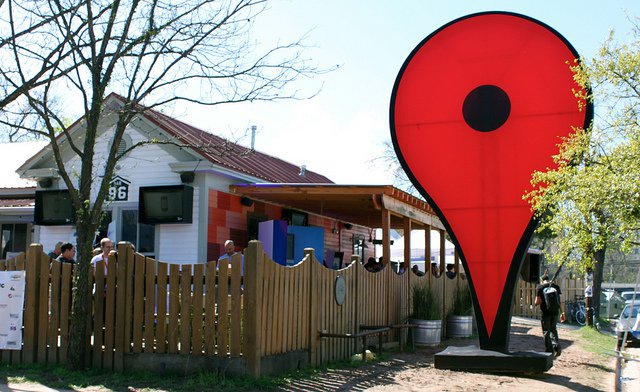
Image via Flickr by leyla.a
Map apps repay curiosity before you need them
Phone maps and local discovery apps are strongest when you browse before you are hungry, late, or stranded. Pick a calm hour and explore layers: restaurants by cuisine, theaters, transit hubs, pharmacies, and fuel prices. Save pins to lists—“coffee,” “emergency,” “weekend”—so you are not improvising under stress.
Change the map center. In a metro area ringed by smaller towns, searching only the big city name can hide excellent barbers, discount cinemas, and repair shops in the outskirts. Set the location to neighboring municipalities and compare results. Specialty places often rank better in their own town than in a metro-wide search dominated by chains.
Chains have a role when you are brand-new somewhere and need a predictable haircut or oil change quickly. Once you have bearings, the same map habits that found the chain can uncover independent salons and long-running garages with stronger local reputations. Read recent reviews for specifics: wait times, price clarity, whether appointments are required, and how problems were handled when something went wrong.

Image via Flickr by jdn
Ask people—especially when trial and error is expensive
A mediocre sandwich costs an hour and a little money. A careless mechanic or a rushed stylist can cost far more. For high-stakes amenities, prioritize recommendations from people who live with the consequences: neighbors, coworkers, the parent next to you at a park, someone in line whose haircut you admire.
Simple questions work. “Who do you trust with your car?” “Is there a market you’d miss if you left town?” “Any barber who is good with thick hair?” People usually enjoy being helpful when the ask is specific and brief. Community boards at libraries, schools, and civic centers still carry flyers for services and events; bulletin boards are unglamorous and surprisingly current.
Watch for patterns. One glowing endorsement is a lead; three unrelated people naming the same shop is a shortlist. Ask what went wrong last time, too—how a business handles mistakes is as useful as how it handles a perfect visit.

Image via Flickr by mpeterke
Leave the algorithm and look around
Some of the best finds do not rank well online. Plan a low-pressure loop by car, bike, or transit through neighborhoods you have only seen as map pins. Street-level reality—parking, noise, cleanliness, how staff greet walk-ins—often differs from website photography. Duck into a few places, take notes, and return later for the ones that feel right.
Visitor centers and welcome stops near highways still stock racks of brochures for regional attractions, trails, and seasonal events. Many of those outings sit closer to your rental or new address than you expect. Pick two or three, then fill the rest of the week with ordinary local life: the hardware store, the reliable coffee counter, the clinic that takes walk-ins.
A simple system for vacation or new-city weeks
- Day one: save map pins for pharmacy, grocery, urgent care, and fuel.
- Day two: skim a local publication and add three “want to try” food or culture spots.
- Midweek: ask two humans for a mechanic and a haircut recommendation; verify with recent reviews.
- One afternoon: wander without a booking and note places that look better in person than online.
- Before you leave—or once you settle—write your own shortlist so the next visit starts smarter.
The search for a good mechanic and a good haircut is really a search for trust in unfamiliar streets. Use publications to widen the field, reviews to filter hype, apps to navigate, people to de-risk the expensive choices, and your own eyes to catch what rankings miss. The amenities you keep will feel less like tourist infrastructure and more like a temporary hometown—which is often the point of staying somewhere long enough to need them.

Comments
Continue reading

Funny Animal Signs That Warn People (While Animals Ignore Them)
From a seagull on a no-birds disc to classic zoo and park ironies—why animal warning signs get funny, and what the rules are still for.

Kristen Stewart for V Magazine, Spring Preview 2013
V81’s Wild at Heart cover story—Kristen Stewart shot by Inez & Vinoodh, styled by Joe McKenna, in pale minimal spring glamour.
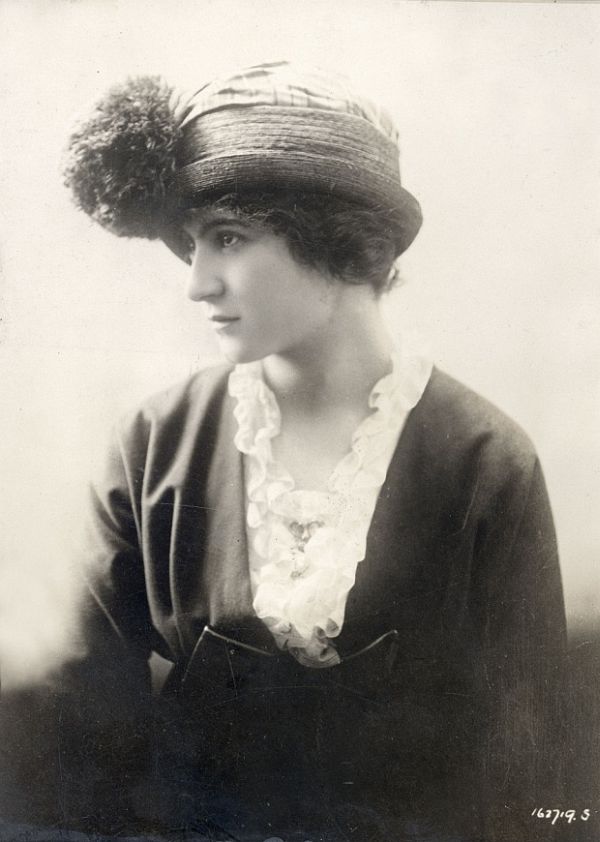
Women’s Hats, 1913–1915
A historical look at women’s millinery from 1913 to 1915—when Edwardian picture hats narrowed toward wartime angles—told through a gallery of period portraits.