
Modern Rocking Chair Designs #1: Form, Comfort, and Clear Arcs
First gallery in a two-part look at modern rocking chairs—updated silhouettes, materials, room placements, and a practical shortlist for comfort.
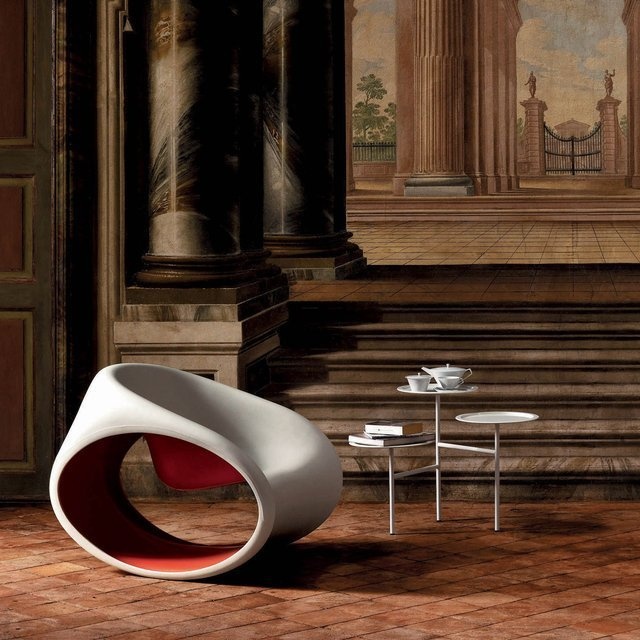
A rocking chair is one of the few furniture types that promises motion as comfort. After a long day, the gentle arc does what a static lounge cannot: it gives the body a rhythm. Modern rocking chairs keep that promise while shedding the porch-cliché silhouette—cleaner lines, smarter materials, and proportions that sit comfortably in contemporary living rooms, nurseries, and reading corners without costume drama.
This is the first of two galleries on modern rocking chair designs. The emphasis here is form language and everyday comfort: how designers update the rocker without turning it into a novelty object. The companion gallery continues with another selection and a different slant on materials and settings. Together they map the category; alone, this set is enough to start choosing well.
What makes a rocker feel modern
Traditional rockers announce themselves with ornate spindles, high combs, turned details, and deep wood tones that recall farmhouse porches and heritage catalogs. Modern versions usually simplify: continuous bentwood loops, tubular metal runners, upholstered shells on discreet arcs, plywood laminates that read as sculpture, or mono-material frames where joinery becomes the only decoration. Color stories shrink. Ornament steps back.
Modern does not mean uncomfortable. The best updates keep lumbar support, a seat depth that does not dump you forward, and armrests at a height that works for reading or holding a child. If the chair looks like a museum piece but fights your spine, it fails the category. Motion should soothe, not negotiate. Try before you buy whenever possible; photographs flatten the pitch of a seat and the aggression of an arc.
Scale is the other modernity test. Oversized “statement” rockers can dominate a small apartment and make every other seat look apologetic. Compact runners and low profiles tuck beside a sofa or under a window. Measure the arc carefully: rocking chairs need clear floor space in front and behind, or every pleasant sway becomes a wall-tap or coffee-table collision. Modern rooms are often tighter than porch memories allow.
Visual weight matters as much as physical weight. A pale plywood loop can disappear into a bright room; a black metal frame draws a graphic outline that needs calm neighbors. Choose the silhouette for the company it will keep—sofa fabric, rug pattern, window mullions—not only for how it looks alone in a white studio.
Materials and the feel of the ride
Bentwood and laminated plywood deliver the classic continuous curve with a lighter visual weight. Well-made versions creak less and age into a soft sheen. Solid hardwood frames feel substantial and repairable; they pair well with removable cushions and can be refinished when life scuffs them. Metal runners—steel or aluminum—look crisp and can reduce the visual bulk of the base, though cold floors may want a rug underneath for acoustics, warmth, and scratch control.
Upholstery changes the personality entirely. A fabric or leather shell turns the rocker into a lounge chair that happens to move. Tight upholstery keeps the modern silhouette; skirted or overly plush treatments slide back toward traditional. Performance fabrics matter in family rooms; leather and tightly woven textiles patina differently in adult reading spaces. Removable covers are a quiet luxury if spills are likely.
Runners deserve scrutiny equal to the seat. Wide, gentle arcs feel calm. Short, aggressive arcs feel jumpy and can tire the legs. Caps or pads on the ends protect floors and quiet the ride. If you have radiant heat, delicate hardwood, or soft vinyl, ask how the contact points are finished before you fall in love with a photo. The modern look fails if the floor pays for it.
Hardware and fasteners should disappear or become intentional dots of metal—not a scatter of mismatched screws. Glides that can be replaced extend the life of the piece. A chair that cannot be maintained is only temporarily modern.
Where modern rockers earn their place
Nurseries made the upholstered glider famous, but a true rocker still belongs there when parents want analog motion without motorized bases and battery packs. In living rooms, a modern rocker can replace a second lounge chair and add a kinetic focal point that guests notice without needing an explanation. On covered patios, weather-minded materials extend the category outdoors—confirm finishes against sun, moisture, and temperature swings rather than assuming “modern” equals “marine-ready.”
Reading corners are ideal. Pair the chair with a floor lamp and a small side table set just outside the maximum rock arc. Because the body moves, clearance planning is part of the furniture plan, not an afterthought. Headphones and a throw complete the ritual without cluttering the silhouette that made you choose a contemporary design in the first place.
Offices and studios sometimes adopt compact rockers as thinking chairs. Motion can help restless focus during calls or drafting. Keep the chair from colliding with desk chairs, cable paths, and rolling pedestals. A rocker that looks poetic in a catalog can become an obstacle course in a tight workroom if the arc was never measured against the desk return.
Multigenerational homes should prioritize easy entry and exit. Arms help. Seat height that is not too low helps. A rocker that traps someone with limited mobility is a beautiful mistake. Modern design includes dignity of use, not only a clean profile.
Design details worth comparing
Seat pitch: a slight recline invites longer sits; a flatter seat suits upright conversation and shorter pauses. Back height: full shoulder support helps adults reading for an hour; lower backs look sleeker and may need a small lumbar cushion. Armrests: essential for getting up safely, especially for older users or anyone holding a child. Without arms, rising from a deep rock can feel like a small athletic event every time.
Weight and moveability matter more than people admit. A chair you cannot rotate to clean behind will annoy you within a month. Felt pads, rounded runner tips, and a center of gravity that does not tip when you lean to grab a book are quiet signs of good design. If the piece is meant to migrate between rooms, check whether one person can lift it without drama.
Color strategy: natural wood keeps the piece timeless across renovations. Black frames graphic-ize a pale room and pair well with monochrome art. Soft upholstery colors—clay, sage, oatmeal, muted blue—modernize without shouting. High-chroma rockers exist; treat them like art objects and keep the rest of the corner quiet so the motion, not the hue, remains the event.
Sound is part of comfort. A soft thud on a rug differs from a hard click on bare tile. If your evenings are quiet by choice, test the chair on a surface like yours, not only on the showroom carpet.
A practical shortlist for this first gallery
When you scan modern rocking chairs in this set—and later in the companion gallery—judge each candidate against the same practical questions before style debates begin:
- Does the arc feel calm when you sit, not only when you look?
- Is there enough floor clearance for a full rock in your actual room?
- Do materials match the room’s humidity, light, and cleaning habits?
- Can you enter and exit with a drink, a laptop, or a child in arms?
- Will the silhouette still make sense if neighboring furniture softens or changes?
- Can the runners and pads be maintained without specialty drama?
Comfortable motion is the product. Everything else—bentwood poetry, metal minimalism, upholstered cocoon—is a dialect of the same idea. Pick the dialect that matches how you rest. Leave the next gallery room to argue for other materials, moods, and placements; the point of a series is that one frame never has to say everything.

Comments
Continue reading
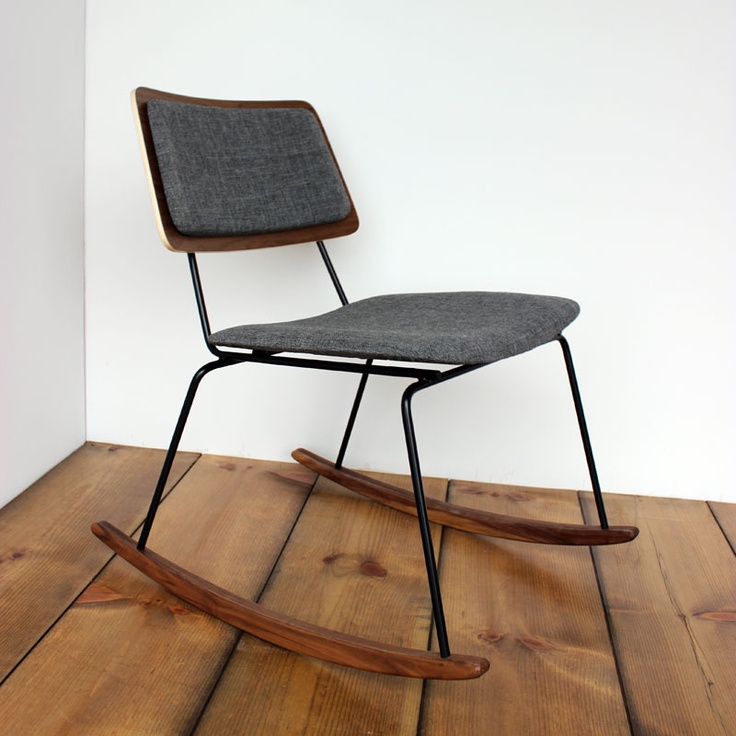
Modern Rocking Chairs as Shape Experiments
A second gallery of contemporary rockers—metal-and-walnut minimalism, crescent lounges, a white tête-à-tête, textile-wrapped color, woven cord, and bentwood blue—read as form and room dialect, not only comfort.
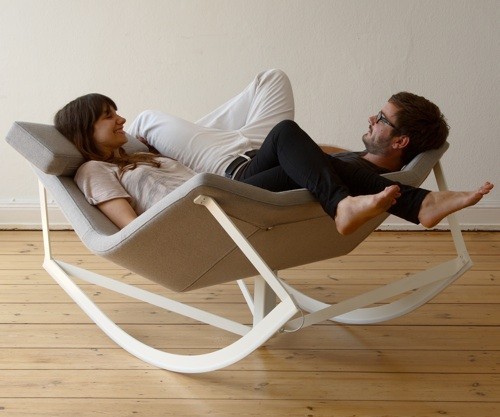
How to Choose a Rocking Chair for Home
Match the rocker to its job, check clearance and materials, and place it so the motion fits your room instead of fighting the layout.

Garden Decoration Beyond Beds: Lace, Mosaiculture, and Upcycled Yard Art
From dressed topiary and floral cyclists to license-plate dragonflies and lace between trees—garden decorations that give a yard a voice.