
How to Choose a Rocking Chair for Home
Match the rocker to its job, check clearance and materials, and place it so the motion fits your room instead of fighting the layout.
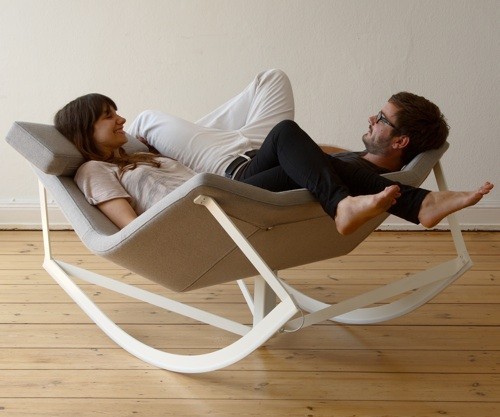
A rocking chair earns its place by doing something most seating cannot: it invites slow movement. The gentle arc settles restless legs, softens evening wind-down, and turns a corner of a room into a habitual landing spot. Done well, the chair is also a strong visual piece—curved runners, upright or wingback posture, wood grain or woven seat—so it works as both comfort furniture and a design accent.
This is a practical style guide for choosing and placing rocking chairs at home. It covers room roles, materials, proportions, comfort checks, and how to keep the motion from fighting the rest of your layout. One well-chosen rocker beats a catalog of lookalike photos.
Decide what the chair is for
Before you fall for a silhouette, name the job. Nursery rockers prioritize upright support, washable fabrics, and quiet runners. Living-room rockers can lean more sculptural—bentwood, mid-century spindles, leather sling seats—because guests see them as much as use them. Porch or balcony rockers need weather-aware materials: teak, eucalyptus, powder-coated metal, or outdoor-rated woven seats, plus enough depth so the runners never hang off a step.
Reading chairs want a taller back and arms you can rest a book against. TV rockers should not tip you so far back that neck strain appears after an episode. If you mainly want a decorative curve in a corner, a lighter Scandinavian wood rocker may be enough; if you want daily use, prioritize seat depth and lumbar contact over Instagram geometry.
Materials that age honestly
Solid wood (oak, walnut, maple, ash) feels substantial and can be refinished. Look for tight joints at the runner-to-leg connection—that is where cheap rockers fail. Oil or wax finishes warm with use; heavy glossy lacquer can chip where heels kick.
Bentwood and molded plywood give continuous curves and a lighter visual weight. They suit smaller rooms because they do not read as bulky. Check that the seat does not flex with an alarming creak; a little give is fine, structural bounce is not.
Upholstered rockers add softness and color. Removable covers are worth seeking if you have pets or kids. Tight weaves hide wear better than open bouclé in high-traffic homes. Avoid very pale fabrics next to a sunny window unless you accept fading.
Woven seats and backs (cane, rope, paper cord) keep airflow high in warm climates and look tailored. Inspect the weave for even tension. Sagging centers appear early on poorly made pieces and are hard to ignore once you sit daily.
Metal frames work outdoors and in industrial interiors. Confirm the rocker arcs smoothly on your floor type; metal on hard tile can be loud. Felt pads or outdoor mats help indoors.
Proportion and the “clearance oval”
Rockers need a clearance oval, not just a chair footprint. Measure the full swing: sit, rock fully forward and back, and note how far the runners travel. Leave several inches beyond that path so walls, baseboards, and plant stands stay unharmed. Side tables should sit outside the arc or on a side that never clips a knee.
Seat height matters. Too low and standing up becomes a workout; too high and your heels hover, which kills the rocking rhythm. Aim for feet flat on the floor with a slight bend at the knees when you are centered in the seat. Seat depth should support your thighs without cutting into the back of your knees.
Arms help you sit and stand, especially if the chair will serve older family members. Arm height should let your shoulders relax. If you knit, feed a baby, or hold a tablet, test that posture in the store or with a return-friendly purchase.
Style directions that stay coherent
Classic spindle or Windsor-inspired: airy, traditional, easy beside a fireplace or in a farmhouse kitchen nook. Pair with linen cushions rather than heavy quilting if you want a fresher look.
Mid-century curves: tapered legs, warm wood, maybe a leather pad. Keep surrounding furniture simple so the rocker reads as the soft geometry in the room.
Modern sculptural: continuous shell seats, bold color, or exaggerated runners. One is enough. Surround it with calm walls and a quiet rug so it does not compete with patterned everything.
Outdoor porch classic: wide arms, deep seat, weather finish. Add a outdoor cushion you can store when storms come. Keep the path clear—porch rockers often share space with doors that swing outward.
Match wood tone to nearby floors or contrast deliberately. A walnut rocker on pale oak floors can look intentional; three unrelated wood species in one corner usually look accidental. Metal rockers pair cleanly with stone and concrete; soft woods pair with rugs and textiles.
Placement ideas that actually work
Living rooms: angle the chair toward conversation, not only toward the TV. A rocker beside a sofa can feel friendlier than a matching armchair if the scale is right. Keep runners off thick rug edges that catch mid-rock; either place fully on the rug or fully on hard floor.
Bedrooms: a rocker near a window creates a dressing or reading pocket. Leave wardrobe door swings clear. Soft bedroom rugs are fine if the entire rocker sits on a flat surface.
Nurseries: prioritize stability and non-toxic finishes. Avoid sharp decorative spindles at toddler head height if the room will evolve quickly. A small side table for water and a lamp with a warm bulb makes the chair usable at 2 a.m.
Entry or hallway: only if the clearance oval is real. A beautiful rocker that blocks a coat closet becomes furniture you resent.
Comfort upgrades without redesigning the chair
A thin lumbar pillow can fix a pretty chair with a flat back. Choose a cover you can wash. Seat cushions should have enough grip not to slide when you rock—non-slip backing or ties under the seat help. Footstools work only if they do not collide with the runners; test before you commit to a matching set.
Noise is part of comfort. A squeak usually means dry joints or a runner rubbing unevenly. Tighten hardware, add a drop of appropriate wood-safe lubricant where the manufacturer allows, and check that floors are level. A felt strip under runners can quiet hardwood without killing the glide if applied carefully and evenly.
Buying checklist
- Sit for at least five minutes, not five seconds.
- Rock to both ends of the arc; listen for cracks or scrapes.
- Inspect runner tips for finish wear and sharp edges.
- Confirm return policy for online orders—comfort is personal.
- Measure doorway width; some rockers are wider than they look in photos.
- Ask about weight capacity if multiple adults will share the chair.
Care that keeps the motion smooth
Dust runners so grit does not sand the finish into your floors. Refresh wood with the finish type already on the piece—oil into oil, not random polish cocktails. Rotate cushions. Tighten bolts seasonally; wood moves with humidity and joints loosen quietly until one day the chair feels tipsy.
If you buy secondhand, check for repaired breaks along the runners. A glamorous vintage rocker with a hairline crack at a stress point is a future failure. Solid, slightly scuffed wood you can refinish is a better project than a compromised structure with perfect upholstery.
When the chair finally sits in its corner and you notice yourself choosing it without thinking, the selection worked. Style photos help you shortlist shapes; daily use decides whether those curves belong in your home.

Comments
Continue reading
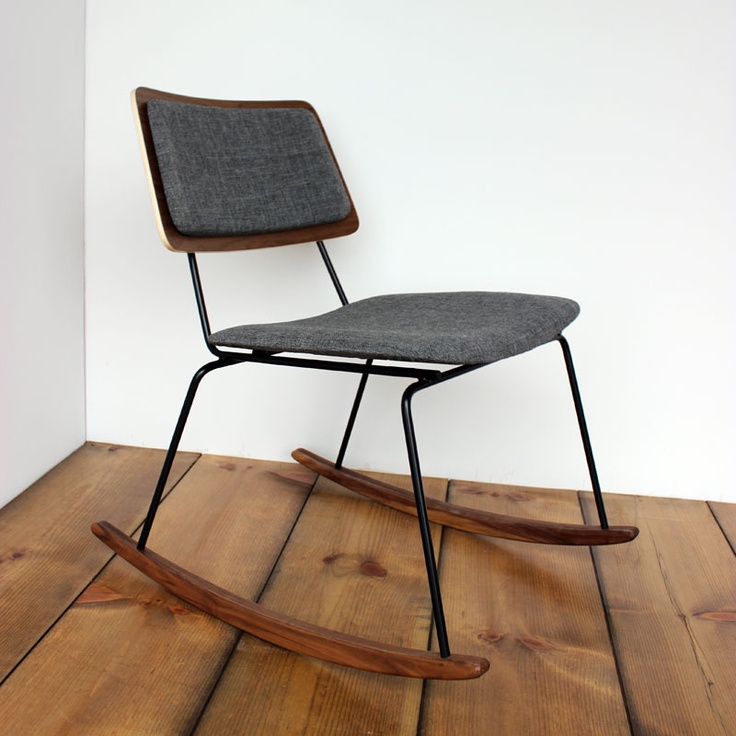
Modern Rocking Chairs as Shape Experiments
A second gallery of contemporary rockers—metal-and-walnut minimalism, crescent lounges, a white tête-à-tête, textile-wrapped color, woven cord, and bentwood blue—read as form and room dialect, not only comfort.
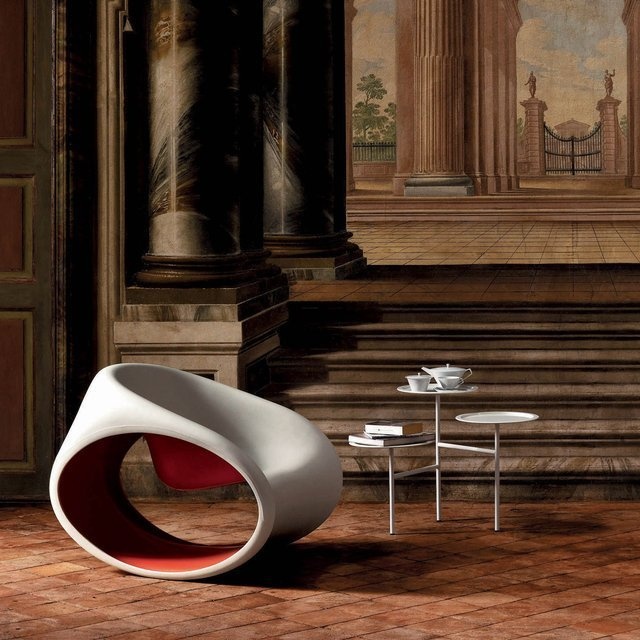
Modern Rocking Chair Designs #1: Form, Comfort, and Clear Arcs
First gallery in a two-part look at modern rocking chairs—updated silhouettes, materials, room placements, and a practical shortlist for comfort.

Garden Decoration Beyond Beds: Lace, Mosaiculture, and Upcycled Yard Art
From dressed topiary and floral cyclists to license-plate dragonflies and lace between trees—garden decorations that give a yard a voice.