
Skull Jewelry: A Tasteful Style Guide
How to wear skull-themed jewelry with proportion and restraint—one hero piece, metal harmony, dress-code tips, and collecting habits that stay stylish past the novelty.
Skull jewelry has a reputation problem: people assume it must shout. In practice, the motif is older, wider, and more wearable than carnival spikes and novelty rings suggest. From memento mori lockets to polished silver charms, bone-shaped silhouettes have marked mourning, rebellion, craft tradition, and simple graphic taste. This guide treats skull-themed pieces as a style choice you can calibrate—scale, metal, context, and how many statements one outfit can honestly carry.
The original collection post on this URL was thin: a teaser without much counsel. What follows keeps the pathname’s promise—a jewelry collection mindset—while offering tasteful rules you can use whether you own one discreet pendant or a whole tray of rings.
Why skulls keep returning to jewelry
A skull is an efficient symbol. It reads instantly at thumbnail size, which is why it thrives in pendants, earrings, and signet faces. Historically it has signaled mortality and remembrance; in modern wardrobes it often signals independence, humor, or a soft refusal of purely sweet ornament. Neither reading cancels the other. The same polished skull can look romantic beside pearls and severe beside black denim depending on proportion and finish.
Because the icon is strong, materials matter more than slogans. High-polish silver or gold softens the motif into sculpture. Matte blackened metal pushes it toward grit. Gem-set eyes or pavé surfaces can tip into glamour or into costume, depending on craft quality. The question is rarely “skull or no skull.” It is “what kind of object is this skull allowed to be?”
Start with one hero, not a costume
Tasteful skull style usually begins with a single focal piece. A medium pendant on a simple chain, a signet with a low-relief skull, or small stud earrings give the motif room to speak without turning the outfit into a theme party. If every finger, wrist, and earlobe repeats the same icon, the look collapses into uniform. Repetition works only when sizes and finishes vary thoughtfully—one bold ring, one quiet chain—rather than when identical charms multiply.
Placement changes volume. Near the face (earrings, short pendants), a skull becomes conversational. On a hand, it becomes gesture and habit; you will see it while typing and talking. On a lapel or deeper neckline, it behaves more like a secret. Choose the social temperature you actually want on a Tuesday, not only the fantasy of a night out.
Proportion, metal, and the rest of the jewelry story
Match skull scale to bone structure and neckline the way you would match any statement jewel. Delicate collarbones and fine chains often suit smaller charms; heavier knits and open shirts can carry larger pendants without visual strain. If you already wear a watch and wedding band, a skull ring may need to be flatter and quieter so the hand does not become a traffic jam.
Metal harmony keeps the motif adult. Mixing yellow gold skulls with cool silver stacks can work, but it should look intentional—bridged by a two-tone piece or by repeating both metals elsewhere—not accidental. Pearls, plain hoops, and slim bangles are excellent neighbors; they prove the skull is a choice inside a broader jewelry language, not the only word you know.
Consider finish against wardrobe texture. High polish loves silk, white shirts, and evening tailoring. Oxidized or brushed metal loves leather, wool, and workwear. Enamel details can be charming; cheap color blocking ages faster than honest metalwork.
Dress codes where skulls behave well
- Everyday sharp. Black crewneck, clean sneakers or boots, one silver skull pendant. The rest of the jewelry stays minimal.
- Soft contrast. Cream knit, gold hoops, a tiny skull charm on a fine chain. The tension between soft clothes and hard icon is the style.
- Tailored edge. Blazer, open collar, signet skull ring instead of a loud necklace. Keep nails and watch simple.
- Evening. Let cut and fabric lead; use a jeweled or high-polish skull as punctuation, not as the entire personality.
Offices and formal events vary wildly. When in doubt, choose smaller scale and finer craft. A discreet piece reads as personal taste; a fistful of novelty skulls reads as costume in rooms that did not ask for theater.
Buying with a collector’s eye
Inspect weight, clasp quality, and how the skull is modeled. Castings with muddy features look like toys under daylight. Clean anatomy—or intentional stylization that still shows craft—ages better. For rings, check comfort fit and whether high points will catch on fabric. For earrings, confirm posts and backs feel secure; faces move, and heavy charms swing.
Ask what the piece will sit beside in your existing collection. If your jewelry box is mostly thin chains and small studs, a monumental skull pendant may need a wardrobe upgrade to feel coherent. If you already love chunky silver, a refined micro-skull might disappear. Buy for the life you dress, not only for the mood board.
Secondhand and artisan markets can be excellent for this motif because skull jewelry has decades of makers behind it—from traditional silversmithing regions to contemporary studio jewelers. Provenance and maker marks beat anonymous bulk when you want the piece to last.
Care, symbolism, and personal boundaries
Treat metal skull jewelry like any good piece: remove it for harsh chemicals and heavy gym sessions, store chains untangled, and polish according to the metal. Blackened finishes can wear at high points; that patina can look handsome if even, patchy if neglected.
Symbolism is personal. Some wearers mean memento mori; others mean rock lineage; others simply like the graphic shape. You do not owe strangers an essay. You do owe yourself honesty about whether the piece feels like you after the novelty cools. The best skull jewelry still looks right on an ordinary morning—coffee, commute, no special soundtrack required.
If you are gifting, err toward smaller scale and classic metal unless you know the recipient’s taste well. A forced motif becomes clutter. A well-chosen one becomes a signature.
Building a small skull collection over time
Think in chapters rather than bulk buys. Year one: one daily pendant or ring. Year two: a second piece in a different scale or metal that can trade places with the first. Year three: perhaps earrings or a cuff that echoes the motif without cloning it. Collections feel intentional when each addition solves a gap—formal versus casual, gold versus silver, quiet versus bold—rather than repeating the same thrill.
Photograph your combinations in daylight. Phone photos reveal when a look has become costume. Edit ruthlessly. Style is often what you refuse to wear at the same time.
Skull-themed jewelry earns its place when it behaves like jewelry first and symbol second: good weight, good proportion, good company on the body. Wear the motif as punctuation. Let craftsmanship carry the sentence. Then the collection—however small—reads as taste, not as a costume trunk tipped onto the sidewalk.

Comments
Continue reading
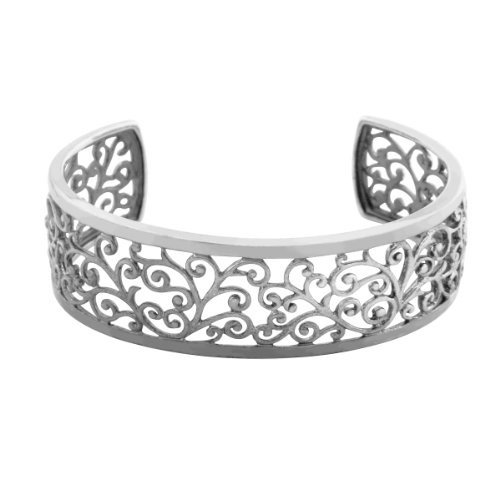
Charming Bracelets and Bangles: Cuffs, Stacks, and Filigree
How bracelets, bangles, and open silver cuffs differ—plus proportion, stacking, care, and styling lessons from a filigree statement cuff.
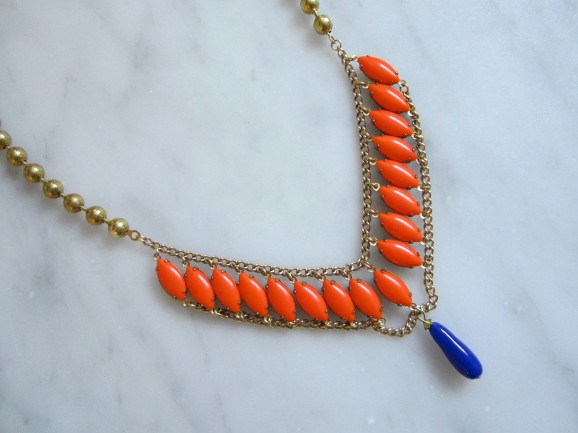
Be Jeweled: How to Style Statement Jewelry with Intention
A jewelry styling gallery covering focal pieces, mixed metals, necklines, stacks, day-to-evening sparkle, and care tips.
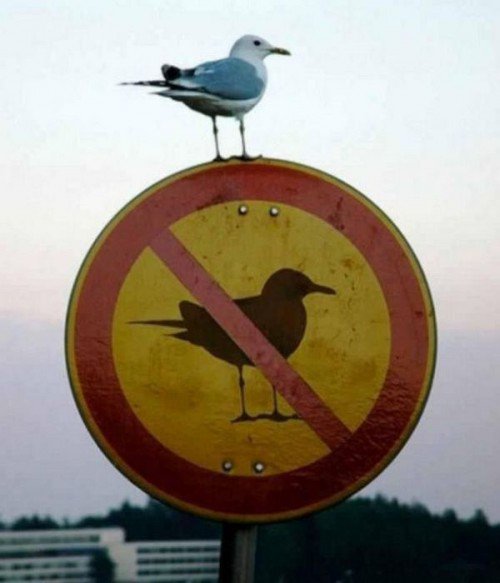
Funny Animal Signs That Warn People (While Animals Ignore Them)
From a seagull on a no-birds disc to classic zoo and park ironies—why animal warning signs get funny, and what the rules are still for.