
Be Jeweled: How to Style Statement Jewelry with Intention
A jewelry styling gallery covering focal pieces, mixed metals, necklines, stacks, day-to-evening sparkle, and care tips.
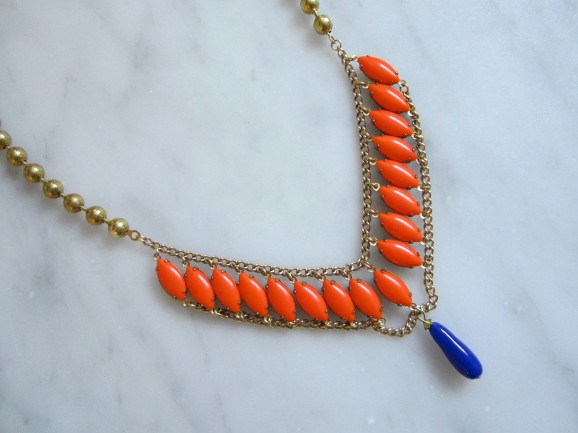
Jewelry does more than finish an outfit. It sets the temperature of a look—quiet or bold, polished or playful—and it is often the detail people remember after the clothes themselves fade into the background. This gallery gathers jeweled moments worth studying: stacked wrists, statement collars, earrings that catch light, and pieces that turn a simple dress into something intentional.
Think of the images as a mood board rather than a shopping list. Notice how metal, stone, and silhouette talk to each other. Notice when one strong piece is enough, and when a denser stack feels deliberate instead of noisy.
Start with one focal point
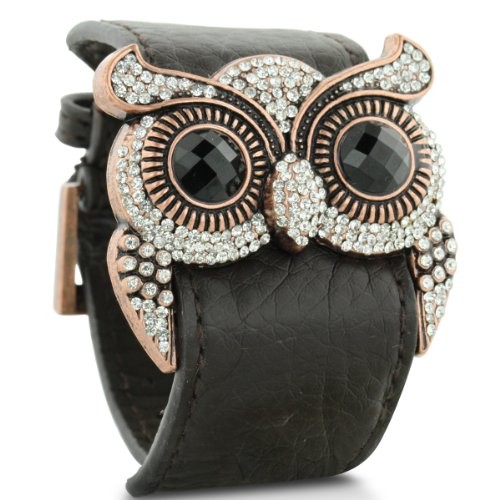
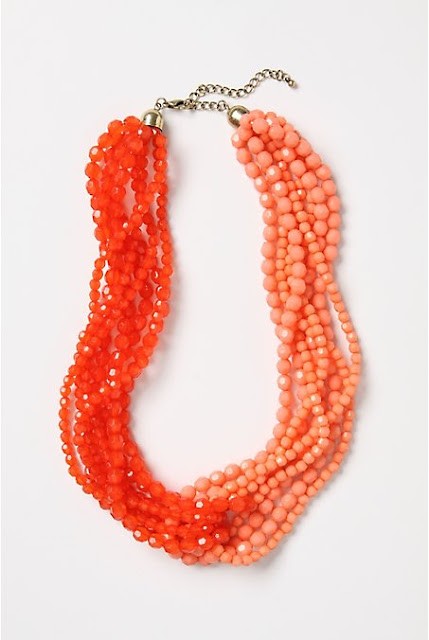
The easiest way to look “jeweled” without looking overdone is to choose a single center of gravity. A bold necklace, a pair of architectural earrings, or a cuff that owns the wrist can carry an entire outfit. Everything else should support that decision: smaller studs when the necklace is loud, a slim bracelet when the earrings do the talking, a clean neckline when the collar piece is ornate.
Focal jewelry works especially well with solid colors and simple shapes. A black dress, a white shirt, a soft knit—plain canvases let stones and metal read clearly. If the clothing already has busy print or heavy texture, scale the jewelry down so the two do not compete for the same attention.
Mixing metals without apology
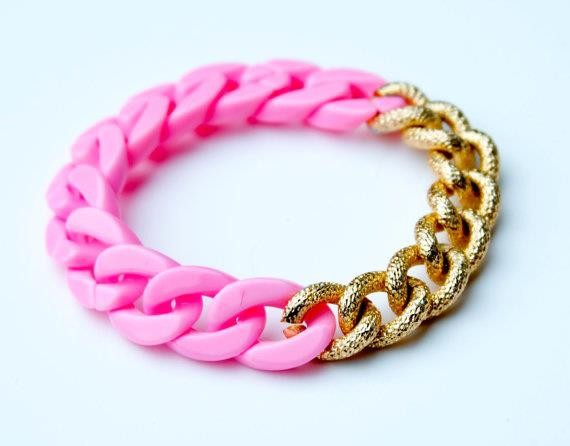
Matching every metal finish used to feel like a rule. It is now more of a preference. Gold next to silver can look modern when the proportions are balanced—say, a warm chain beside cooler studs, or a two-tone watch flanked by bracelets in both families. What matters is rhythm: repeat each metal at least once so the mix feels intentional, and keep stone colors from fighting the metals for dominance.
Rose gold sits comfortably between warm and cool and can bridge yellow gold and silver in the same stack. If you prefer a quieter effect, keep metals mixed but finishes similar—matte with matte, high polish with high polish—so the contrast comes from color, not from texture chaos.
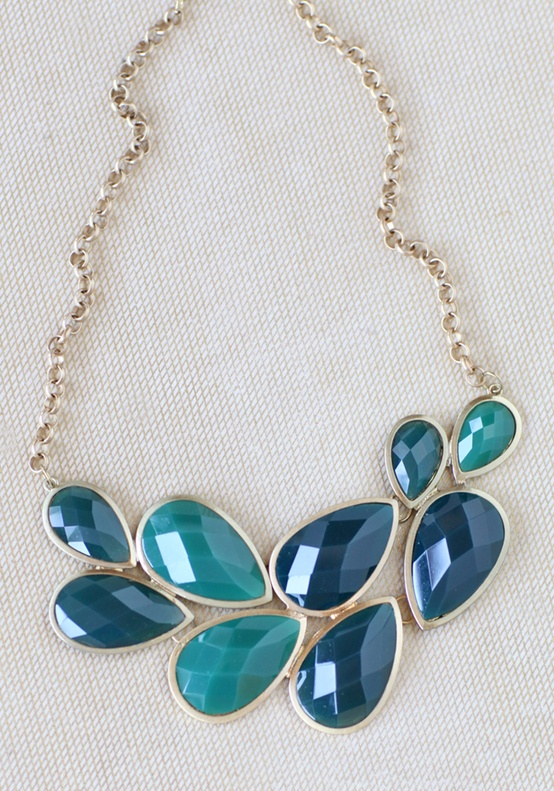
Necklines and earrings as a pair
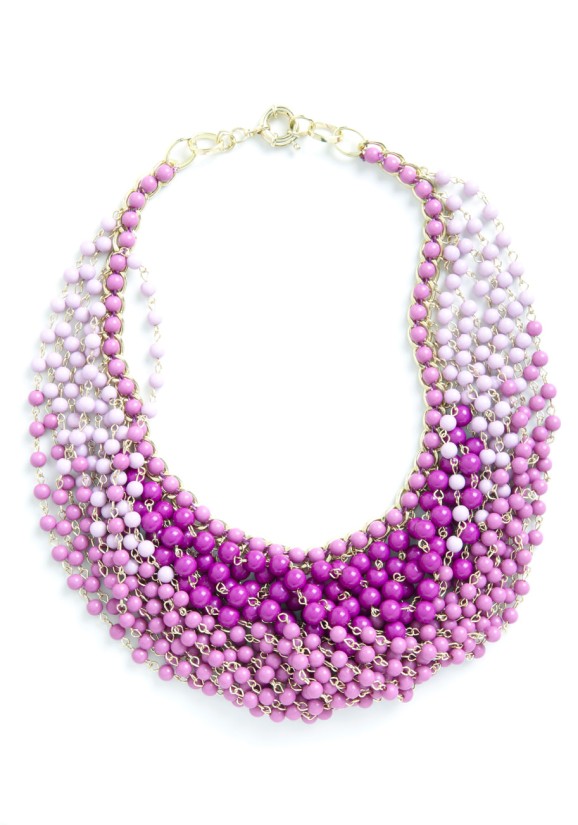
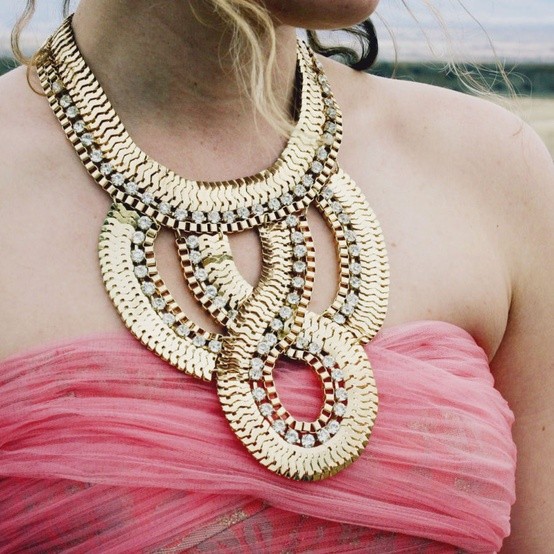
Jewelry decisions start at the neckline. A deep V invites a longer pendant or a Y-chain that follows the line of the fabric. A high collar or turtleneck often looks better with earrings and maybe a cuff, leaving the throat clear. Boat necks and square necks love short, graphic collars or a row of graduated beads that sit right on the collarbone.
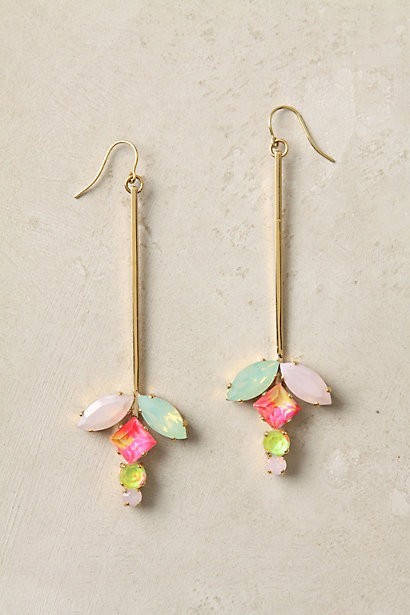
Earrings change how the face frames the rest of the look. Chandelier styles pull the eye upward and pair well with hair worn up or swept back. Hoops add movement without requiring sparkle. Studs keep the focus on a necklace or on makeup. If you wear glasses, test scale carefully: oversized earrings can crowd the temples, while mid-size shapes often look sharper.
The art of the stack
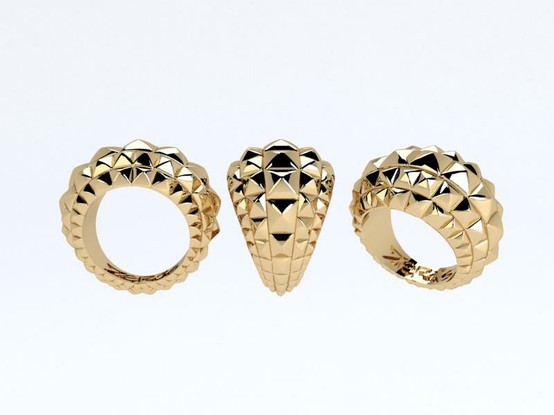
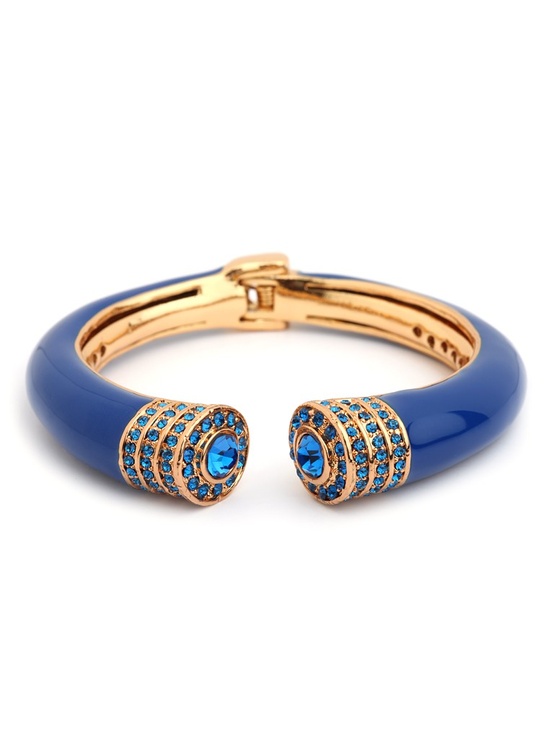
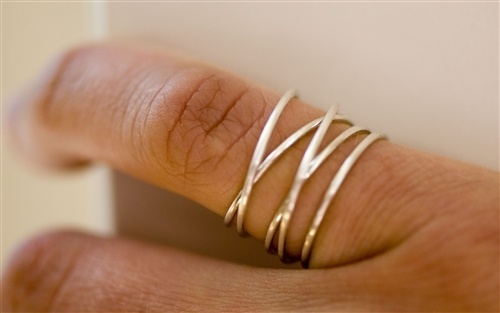
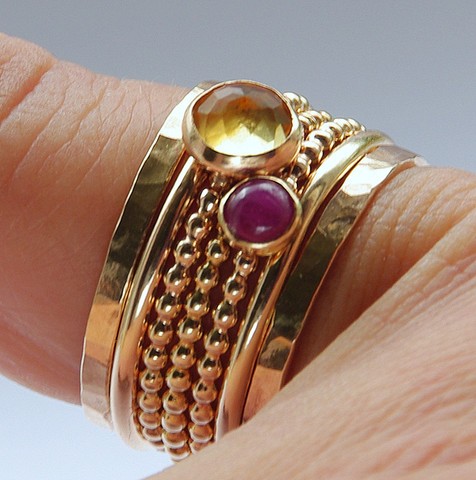
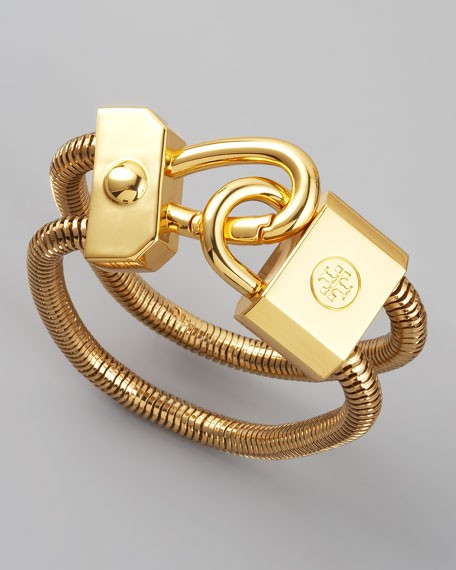
Wrist and finger stacks are where personal style shows most clearly. Start with a base piece you actually like—a bangle with weight, a slim chain, a ring with a familiar silhouette—then add one or two companions that share a theme: similar stone color, related geometry, or a shared era feel. Leave a little skin between groups so the stack breathes.
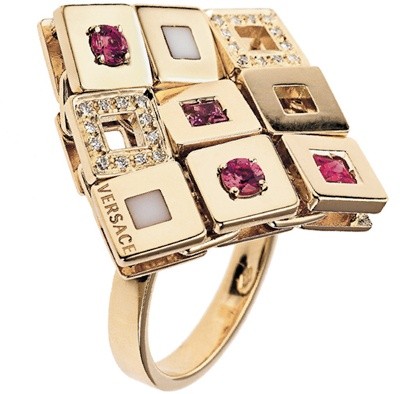
On hands, odd numbers often look more natural than perfectly mirrored sets. A dominant ring on one hand and quieter bands on the other keeps the composition readable in photographs and in conversation. If you type or work with your hands a lot, prioritize comfort and low-profile settings; jewelry that digs or catches fabric will not stay in rotation no matter how beautiful it is in a still frame.
Day looks versus evening shine
Daytime jewelry can still sparkle; it simply tends to rely more on shape and metal than on maximum glitter. Thin chains, small hoops, a single colorful stone, or a sculptural cuff can look sharp with denim, linen, or a tailored blazer. Save denser crystal, dramatic drops, and high-contrast gem combinations for evening, parties, or any setting where low light rewards reflective surfaces.
That said, rules exist to be bent. A cocktail ring with jeans can feel fresh. Pearls with a leather jacket can feel modern. The test is coherence: if you can explain the story of the look in one sentence—“soft tailoring with one loud jewel,” “all metal, no color,” “vintage stones with clean lines”—you are probably in good territory.
Color, stones, and skin tone
Stone color is styling, not just preference. Cool blues and clear whites often sit easily on cooler undertones; warm citrines, coral, and amber tones flatter warmer skin. Plenty of people wear both successfully by letting clothing color do some of the bridging. A cool sapphire against a warm camel coat, for example, can look deliberate rather than mismatched.
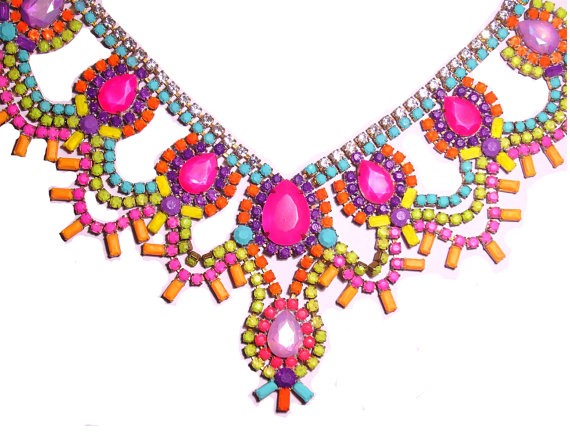
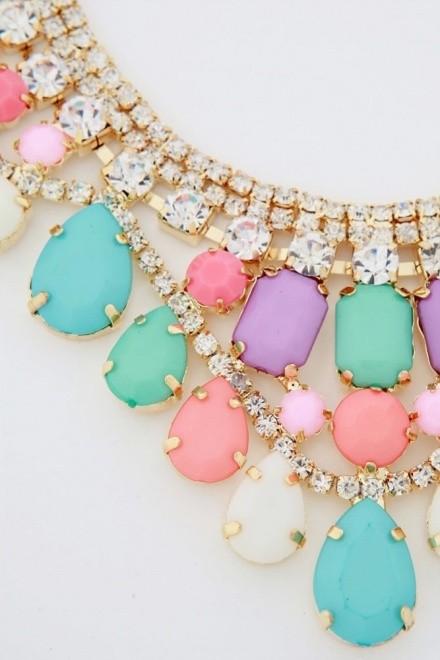
Opaque stones—turquoise, jade, onyx—photograph differently from faceted gems. They read as blocks of color and can act almost like accessories in paint form. Faceted stones throw light and change character as you move. Use that difference: opaque pieces for graphic punch, faceted ones when you want sparkle in motion.
Care that keeps pieces wearable
Beautiful jewelry stays beautiful with unglamorous habits. Put pieces on after perfume, hair spray, and lotion so chemicals do not dull metal or cloud stones. Store chains untangled—individual pouches or a dedicated tray beats a single tangled bowl. Wipe metal with a soft cloth after wear; sweat and skin oils accumulate faster than most people notice.
Delicate settings and antique pieces deserve periodic professional checks, especially before travel or a major event. A missing prong discovered at home is an annoyance; a missing stone on a dance floor is a different story. Rotate favorites so clasps and hinges get rest, and keep a small repair kit mindset: know a local jeweler before you need one.
When you build a look from this gallery, take one photo of yourself in natural light before you leave. Jewelry that looks perfect under bathroom bulbs can disappear outdoors, or overwhelm in daylight. Adjust once, then go. The goal is not to wear everything at once—it is to choose pieces that make the rest of your outfit feel finished.

Comments
Continue reading
Charming Bracelets and Bangles: Cuffs, Stacks, and Filigree
How bracelets, bangles, and open silver cuffs differ—plus proportion, stacking, care, and styling lessons from a filigree statement cuff.
Funny Animal Signs That Warn People (While Animals Ignore Them)
From a seagull on a no-birds disc to classic zoo and park ironies—why animal warning signs get funny, and what the rules are still for.
How to Find Local Amenities on Vacation: Mechanics, Haircuts & More
Locate trustworthy local services and everyday spots while traveling or settling in—using publications, reviews, map apps, neighbor tips, and low-pressure exploration.