
Irresistible Adorables, Part 1: A First Round of Animal Cuties
The opening gallery in a four-part cute-animal series—sugar gliders, patient dogs, comedy cats, a chipmunk heist, and a few wilder guests from late 2012.
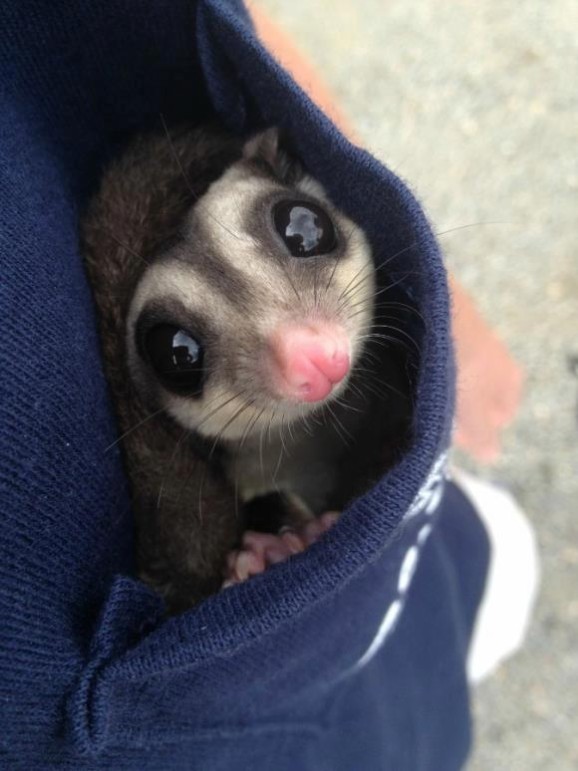
Some photo collections exist only to interrupt a hard day. This one—the first installment in a small series of “irresistible adorables”—gathers animals (and a few human co-stars) at their most disarming: a sugar glider in a hoodie pocket, patient house dogs, garden and kitchen cats, a chipmunk mid-heist, a giraffe calf on straw, a black-nosed lamb in wildflowers. Posted in late 2012, it belongs to the era when cute-animal roundups moved from email forwards onto blogs as full galleries people actually scrolled. Part 1 sets the tone without trying to exhaust every kind of cuteness; later chapters can wander into different mixes, moods, and species balances.
What unites these frames is not a single photographer credit or a scientific theme. It is timing and scale. Eyes are oversized relative to faces. Gestures look accidental—tongue bleps, facepalms, cheeks stuffed past reason, paws covering a sleeping muzzle. Domestic rooms and soft outdoor light do most of the storytelling. Scroll slowly. The point is the pause each image forces, and the way ordinary props—pots, sinks, corn, slippers—make the pause land.
Tiny faces, big trust
The opener is almost unfair: a sugar glider framed by navy knit, pink nose and liquid eyes popping from a hoodie pocket. Close cropping turns the garment into a nest. You see claws on fabric, whiskers against jersey, and the odd intimacy of carrying a pocket pet against a grey outdoor path. Adorable here means vulnerability plus proximity—wild-looking eyes in a human coat. It also announces that Part 1 will jump species freely rather than sticking to cats alone.
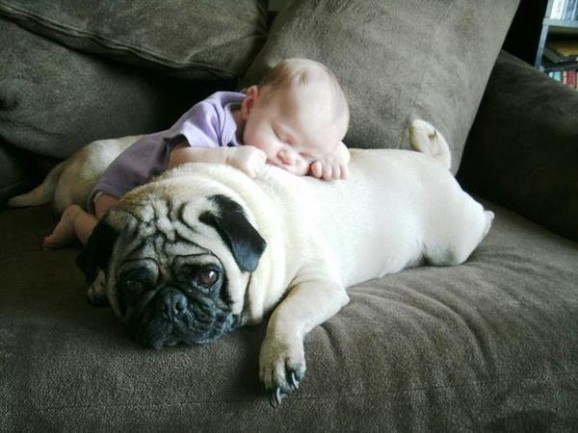
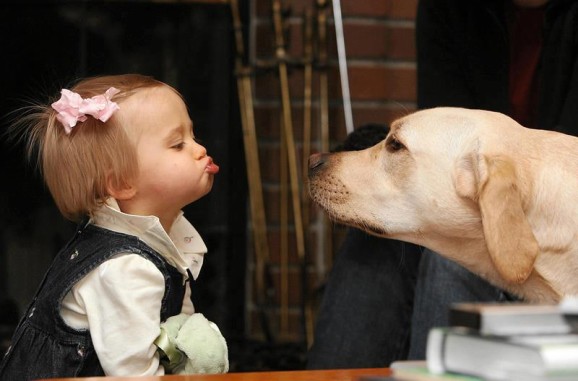
That trust theme returns whenever people enter the frame. A fawn pug lies awake on a brown couch while an infant sleeps face-down across its back in a lavender onesie. The dog’s patient stare at the camera does the emotional labor; the baby supplies absolute surrender. Nearby, a toddler in a pink bow leans in to kiss a yellow Labrador beside a brick fireplace, fireplace tools soft in the background. The dog holds still at child height. These are not wildlife trophies. They are household treaties made visible—supervision implied, chaos possible, gentleness chosen.
Cats inventing comedy
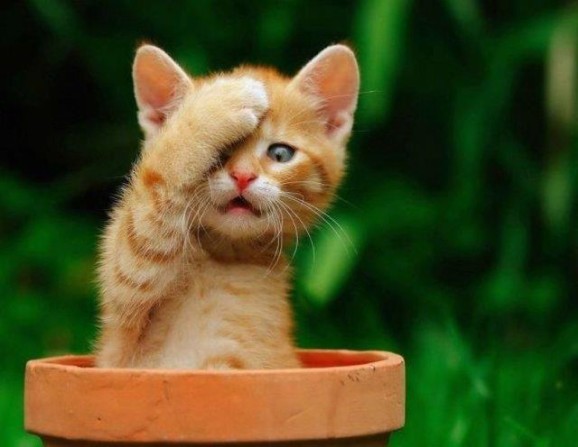
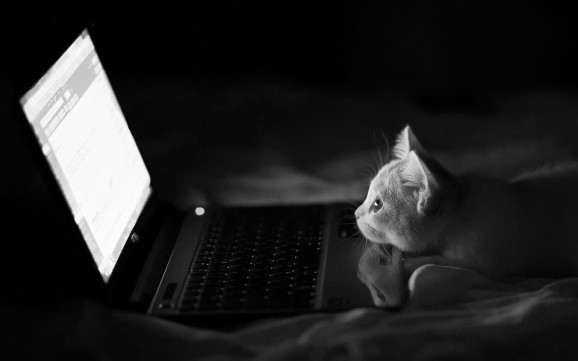
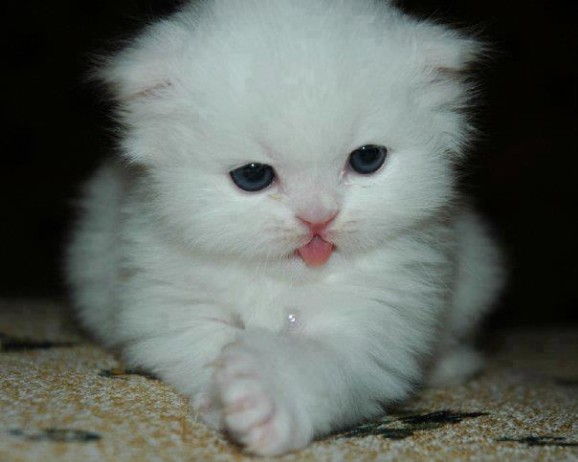
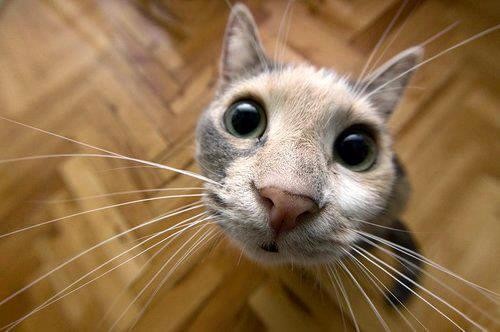
Felines carry a large share of Part 1, each with a different joke or softness. An orange tabby sits in a terracotta pot and lifts a paw to its forehead—pure facepalm energy against green garden blur. A pale kitten studies a laptop screen in near darkness, chin on the wrist rest, face lit only by the glow of text on a monitor. A white fluffball lies on speckled carpet with paws crossed and a tiny tongue blep against black void. A diluted calico presses so close to a wide lens that the nose becomes a planet and the parquet floor curves away in fisheye distortion.
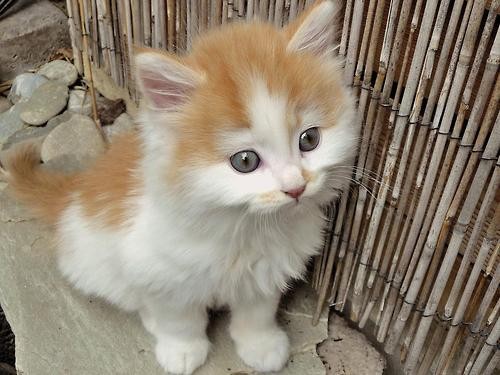
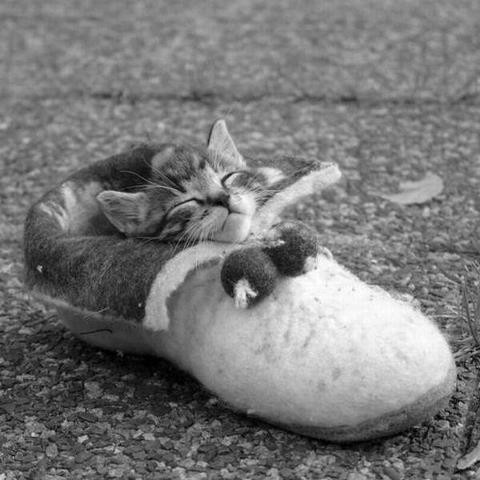
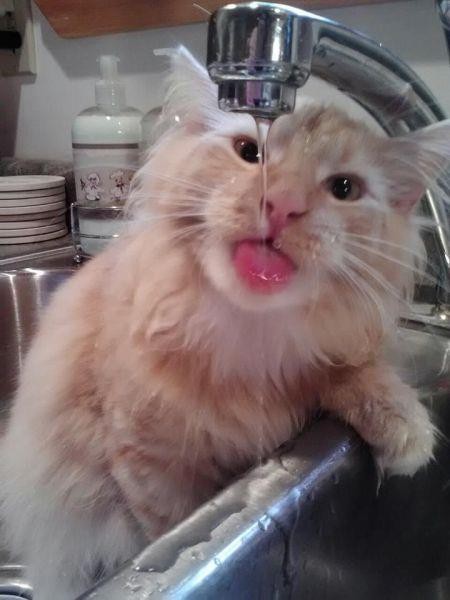
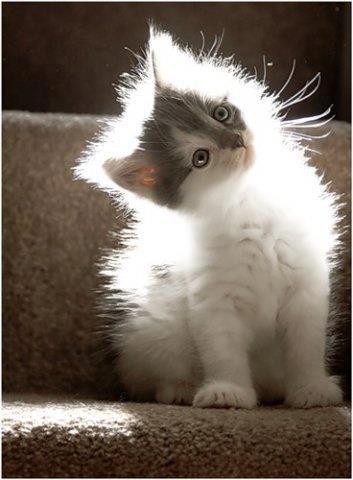
Other cat frames slow the humor into texture: an orange-and-white longhair on stone before a bamboo screen; a tabby asleep in a felted slipper with pom-poms on gravel; a fluffball drinking from a kitchen faucet, droplets on whiskers beside dish soap and stacked plates; a backlit grey-and-white kitten glowing like a halo on carpeted stairs. Together they sketch a house-cat atlas—garden pot, night desk, sink, slipper, stair light—without needing a breed lecture or a “top ten cats” ranking. Later series parts can emphasize other animals more heavily; this opener simply admits that cats were (and are) half the internet’s comedy writers.
Dogs, wrinkles, and street theater
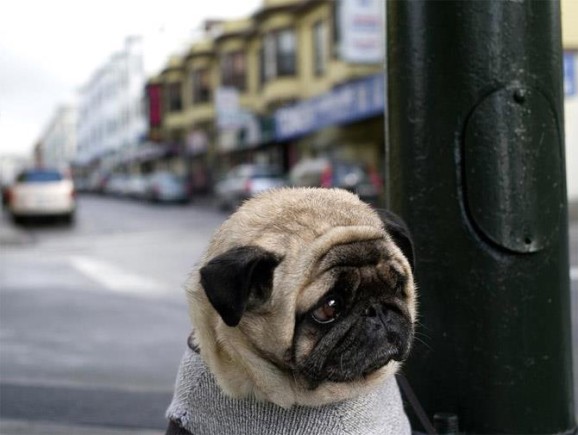
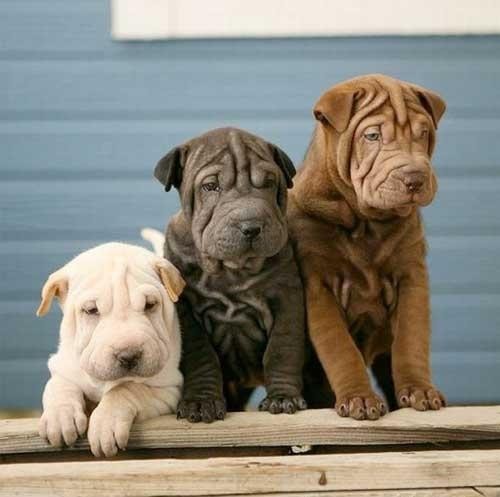
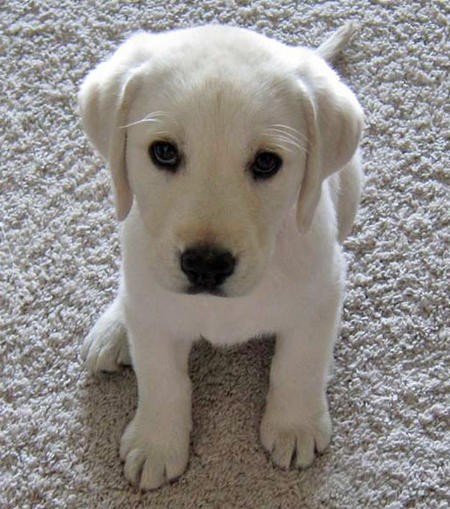
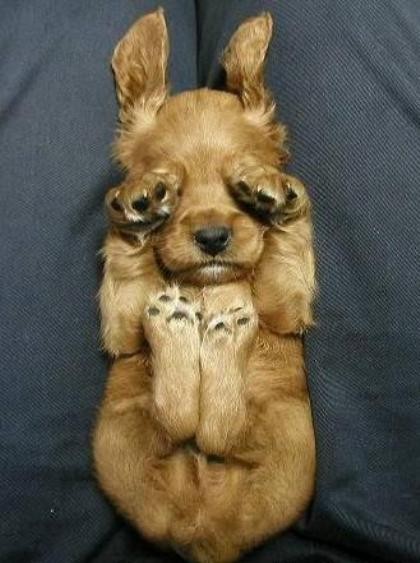
Canines answer with their own range. Beside the couch pug and fireplace Lab come a sweatered pug on a city sidewalk, eyes downcast against blurred cars and storefronts; three Shar Pei puppies in cream, charcoal, and tan lined up on weathered wood before blue-grey siding; a cream Labrador puppy staring upward from beige carpet with oversized paws; a golden puppy asleep on its back, paws covering its face on dark fabric. Expression is the currency—stoic wrinkles, soulful upward glance, total boneless sleep.
The street pug matters because it expands “adorable” beyond nursery softness. Knitwear on a wrinkled face next to a utility pole is comedy and tenderness at once, with shallow focus turning the city into watercolor. The Shar Pei trio matters because repetition multiplies charm: three hippo muzzles, three fold patterns, one shared wooden platform. Puppy paws matter because they promise a dog that has not yet grown into its feet. A series that only showed sleeping kittens would bore itself by part three; dogs give Part 1 structural variety and leave room for later chapters to change the ratio again.
Wilder guests in the mix
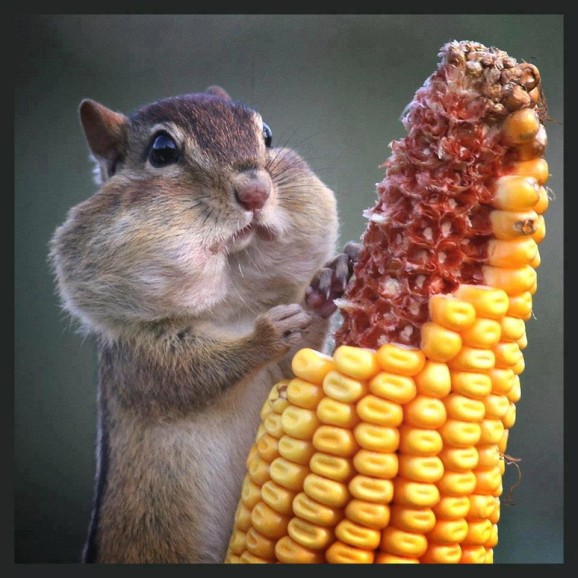
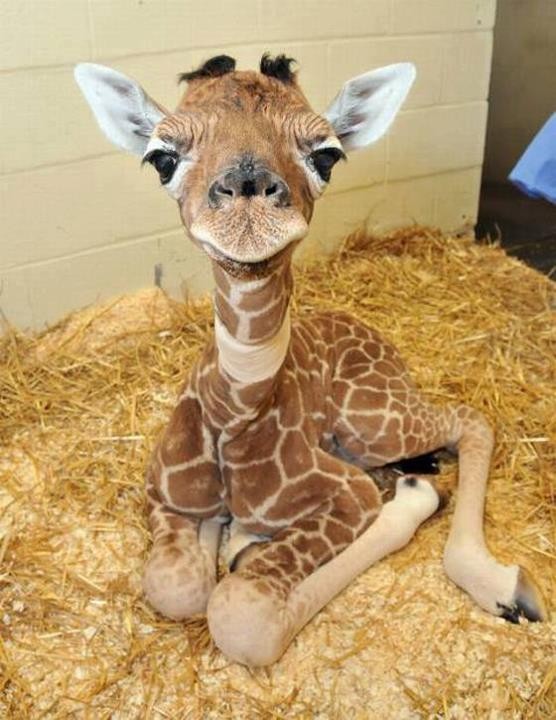
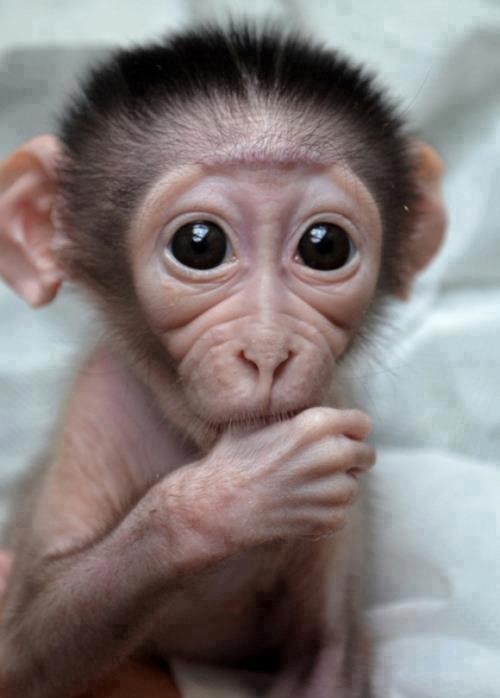
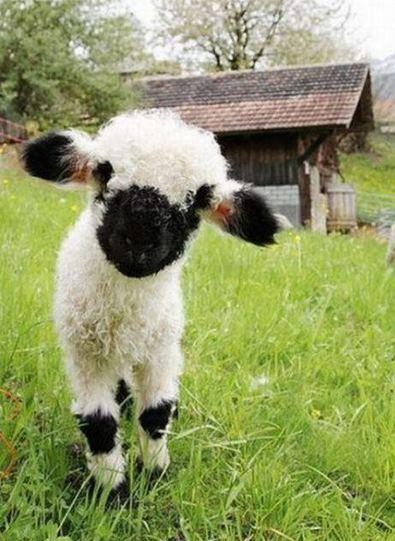
Part 1 is not only pets. A chipmunk stands by an ear of corn with cheeks inflated to cartoon volume—caching behavior timed for maximum comedy, kernels missing from the cob’s top third. A giraffe calf sits on golden straw against a pale brick wall, ossicones tiny, eyes enormous, front legs folded under like a piece of living furniture. An infant monkey faces the lens with sparse fuzz, large ears, and fingers at its mouth. A Valais Blacknose lamb stands in green grass with black face and knee patches, curly white wool against a wooden shed and yellow wildflowers.
Those wilder and farm frames keep the gallery from becoming a single-species moodboard. They also leave clear lanes for later installments: another chapter might lean harder into zoo newborns, farm flocks, underwater oddities, or winter wildlife. This opener’s job is the mixed sampler—pocket pet, household bonds, cat comedy, dog textures, plus a few non-pet scene-stealers—so the series can change emphasis without repeating the same joke four times.
Why these pictures still work
Cute-animal galleries succeed when they respect specificity. A facepalm kitten is not interchangeable with a faucet cat. A bullring is not required; a slipper is enough. Early-2010s blog culture thrived on that specificity because readers forwarded individual frames, not abstract themes. Part 1 preserves that habit: name the gesture, notice the prop, let the animal keep its joke. The misspelled “irresistable” in the URL is itself a period artifact of blog titling—keep it as the series name, and let the pictures do the correcting.
If you are building a similar set yourself, borrow a few practical habits visible here:
- Get low or get close: eye-level and pocket-distance beats distant zooms.
- Use ordinary props: pots, slippers, sinks, corn, hoodies—context makes the cuteness legible.
- Catch one decisive gesture: blep, facepalm, stuffed cheeks, paws over eyes.
- Mix scales: infant pets beside large gentle dogs, then a farm or zoo calf for surprise.
- Leave chapters open: a first gallery should feel complete without claiming every adorable animal on Earth.
Before you leave Part 1, look once more at the chipmunk beside the half-eaten cob. The corn is ordinary. The cheeks are not. That imbalance—everyday object, impossible expression—is the whole series promise in a single still, and it leaves plenty of different promises for parts two through four to keep.

Comments
Continue reading
Irresistable Adorables #3: Stares, Scrambles, and Tiny Effort
Duckling climbs, fox dives, and big-eyed portraits—adorable photos driven by intention, not laundry-line props.
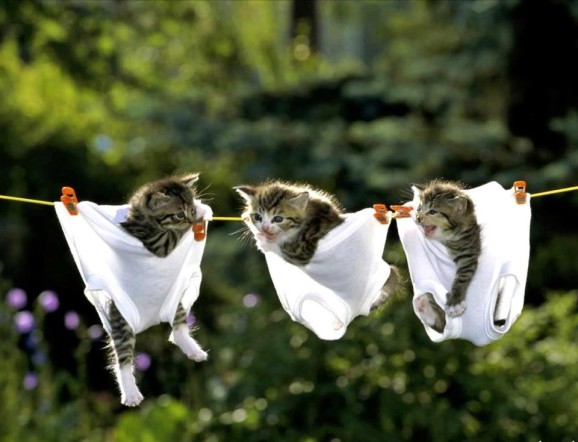
Irresistable Adorables #2: Prop Comedy and Household Cameos
Laundry lines, Santa hats, mugs, and dinner plates—how staged domestic props turn soft animals into short stories.
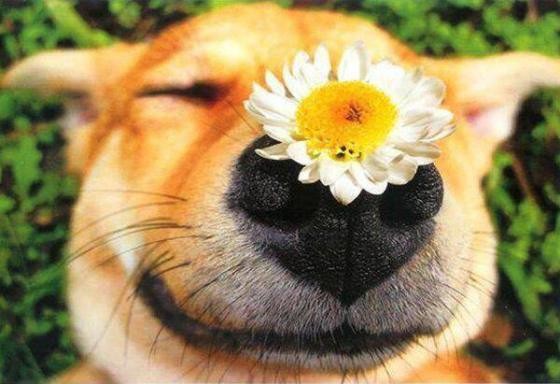
Irresistable Adorables #4: Outdoor Faces, Daisy and Bray
A daisy on a dog’s nose and an alpaca mid-laugh—why two outdoor faces can carry a whole adorables chapter.