
Irresistable Adorables #3: Stares, Scrambles, and Tiny Effort
Duckling climbs, fox dives, and big-eyed portraits—adorable photos driven by intention, not laundry-line props.
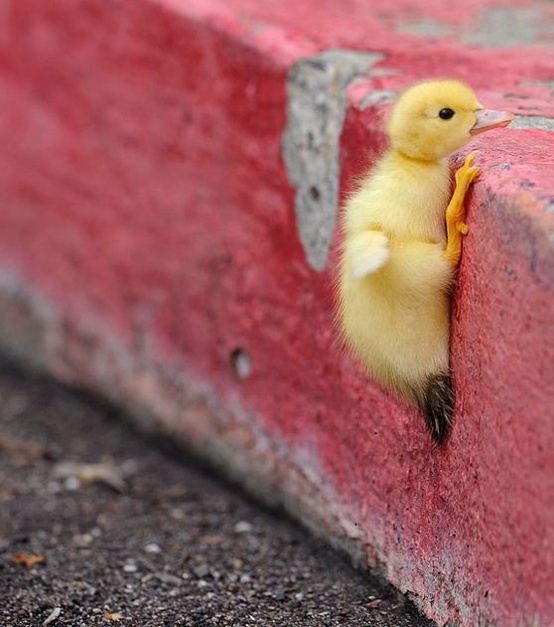
Irresistable Adorables #3 is less about costumes hanging on a clothesline and more about what faces and tiny bodies do under pressure—or under a patient lens. A duckling scaling a red curb, a fox diving headfirst into snow, a wide-eyed longhair locking pupils with the camera: this set runs on effort, eye contact, and the occasional quiet nap after the scramble.
Where a prop-heavy chapter leans on laundry, mugs, and dinner plates, this one leans on expression and motion. Mini outfits still appear—a striped puppy shirt, a sleeping piglet in socks, chicks in cupcake-liner “tutus”—but they serve the face and the moment rather than starring as household theater. The editorial question shifts from “what object shares the frame?” to “what is the animal trying to do, and can we see it in the eyes?”
That shift matters for anyone collecting these installments side by side. Pocket companions, prop comedy, outdoor face studies, and this chapter’s stare-and-scramble mood each scratch a different itch. #3 is for people who like a little plot inside the cuteness: a climb, a dive, a head tilt that feels like a question.
Tiny effort, big stakes
The yellow duckling hooked over a chipped red curb is the thesis image. From adult height the climb looks ordinary; from duckling height it looks alpine. Webbed foot over the rim, wing out for balance, asphalt below—the adorable part is determination, not stillness. Action cuteness works when the obstacle is familiar and the scale is honest. You do not need a mountain range; you need a curb photographed low enough to feel like one.
Effort photos also teach timing. Wait for the foot to catch, not for a perfect studio pose. Blur on a wingtip is acceptable if the eye stays sharp. The story is the attempt.
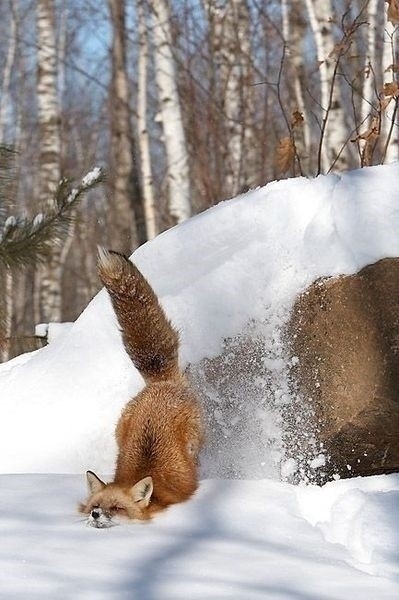
The red fox buried snout-deep in snow, hindquarters and brush skyward, freezes a hunting dive mid-chaos. Spray hangs in the air; birch trunks wait behind. Wildlife comedy and wildlife skill share a frame. Unlike staged laundry gags, nobody arranged the snowbank for likes—the photographer caught the scramble. That authenticity is why this image anchors the chapter: adorable, yes, but also a real behavior compressed into one ridiculous silhouette.
If you shoot wildlife ethically, stay back, stay quiet, and never bait a dive for a picture. The joy of this frame is that the fox was working, not performing.
Stares that stop the scroll
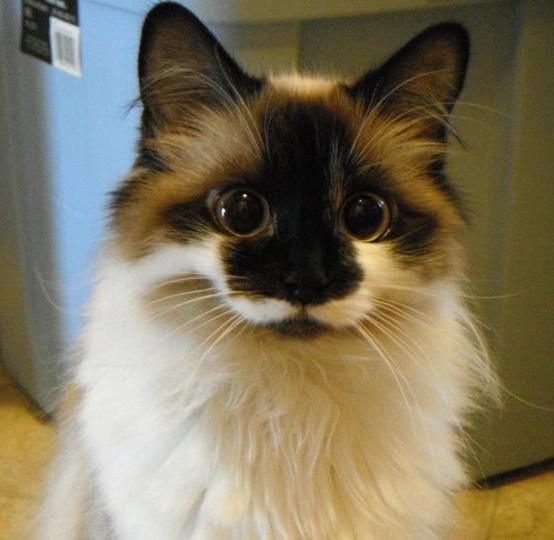
A shaggy longhair with a white “milk mustache” marking and dilated dark eyes is pure portrait power. Dense neck ruff, direct gaze, humble background—the animal does not need a hat. Eye-contact photos succeed when catchlights are clean and the background stays quiet enough not to compete. Dilated pupils can read as intensity or low light; either way, they pull a thumb to a stop on a crowded feed.
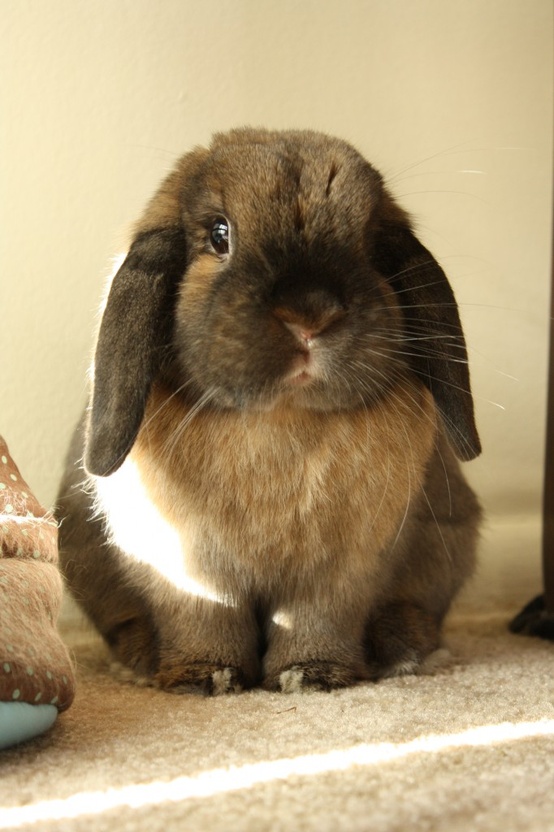
The lop with chocolate ears and a honey muzzle sits loaf-style on cream carpet, sunlight raking one side. Floppy ears lower the silhouette; dark eyes hold the center. Portrait chapters need a few “quiet sitters” so the climbing and diving frames have somewhere soft to land. Think of these as rests between musical phrases.
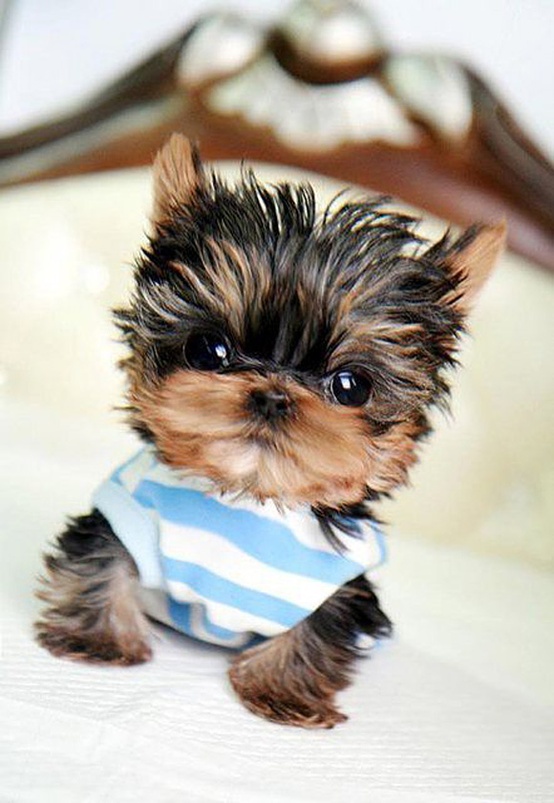
A teacup-scale puppy in a blue-and-white striped shirt tilts its head just enough to look inquisitive. The shirt is a nod to costume, but the real subject is the oversized eyes and delicate muzzle. In this installment, clothing is a supporting actor; the stare gets top billing. If the shirt wrinkles hide the face, the photo has failed the chapter’s test—even if the outfit is cute in person.
Touch, sleep, and miniature costumes
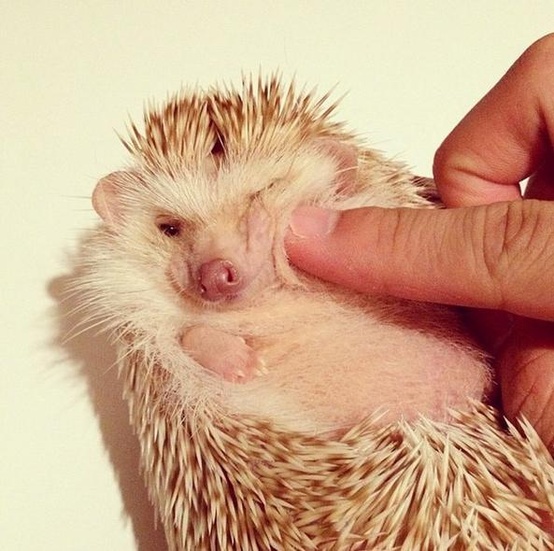
A finger poking a pale hedgehog’s cheek into a squint is interaction cuteness: soft belly, raised paw, one eye nearly shut. Gentle contact photos walk a fine line. Keep pressure light, keep sessions short, and prefer animals that lean in rather than freeze. The wink only works if the hedgehog still looks like a willing participant.
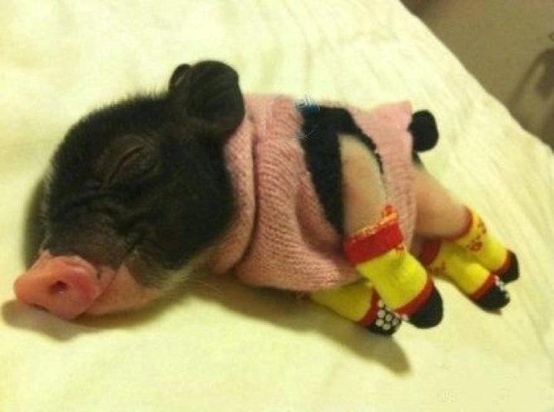
The sleeping piglet in a pink knit and yellow-red socks is rest after effort. Closed eyes, pink snout, doll-scale clothing—the joke is scale, the feeling is trust. Sleep photos belong in a stare-and-scramble chapter because they prove the animal felt safe enough to stop performing. Without a few rest frames, a motion gallery can feel breathless.
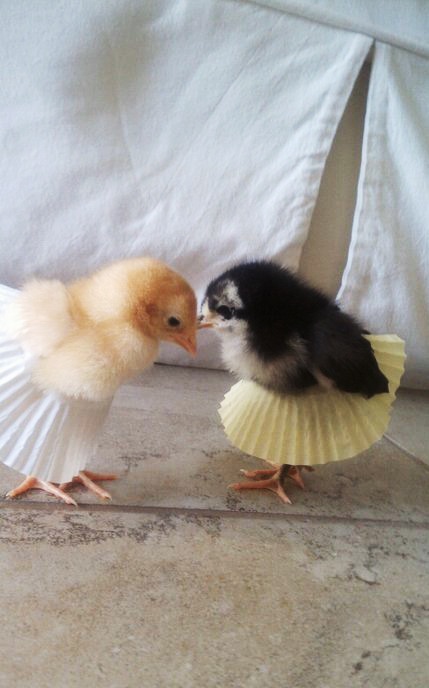
Two chicks in inverted cupcake liners—one yellow in white pleats, one black-and-white in pale yellow—face each other like dancers between songs. The tutu gag is playful, yet the frame still hinges on posture and encounter, not a kitchen appliance. Mini costumes appear here as punctuation, not the whole essay. Compare that with a prop-first chapter, where the mug or clothesline would claim equal billing.
Building a set around intention
Once you notice intention—climb, dive, stare, sleep—you can sort almost any adorable roll into usable sequences. Open with effort, move into portraits, add a touch of costume or contact, then close with either wild action or quiet rest. That rhythm keeps viewers from skimming past the twentieth soft face in a row.
It also helps when you are the photographer. Instead of asking “how do I make this cuter,” ask “what is happening?” Happening is easier to light and easier to crop. Cuteness usually follows.
More faces from the same roll
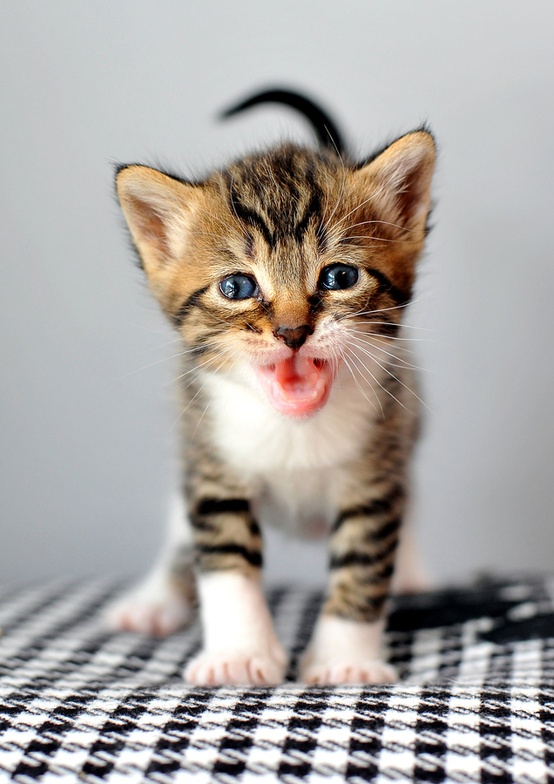
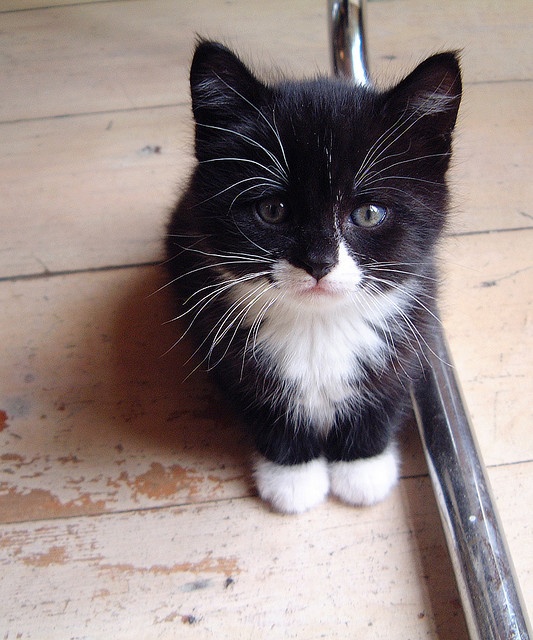
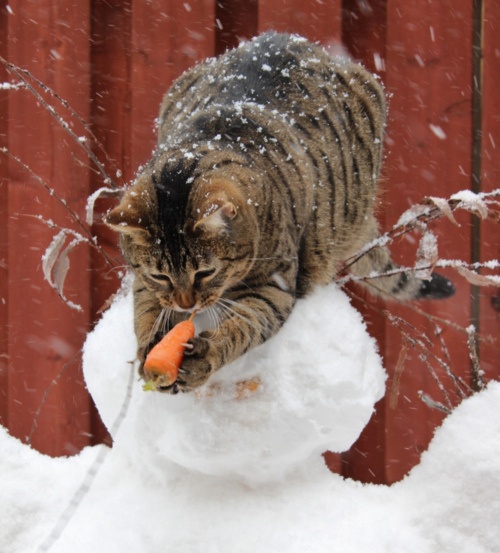
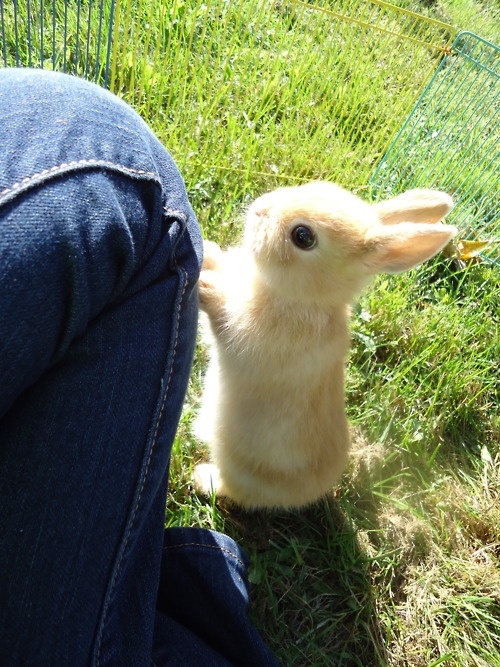
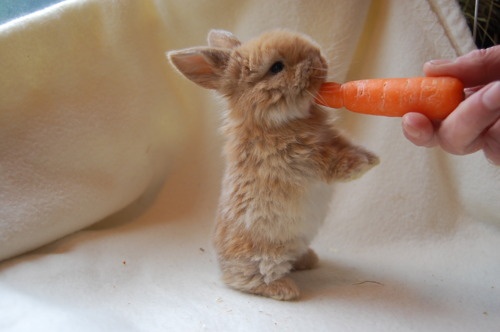
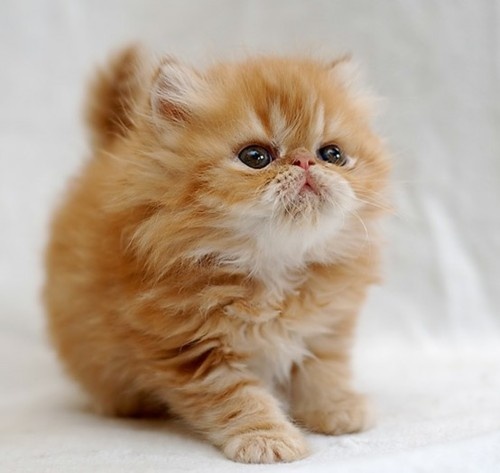
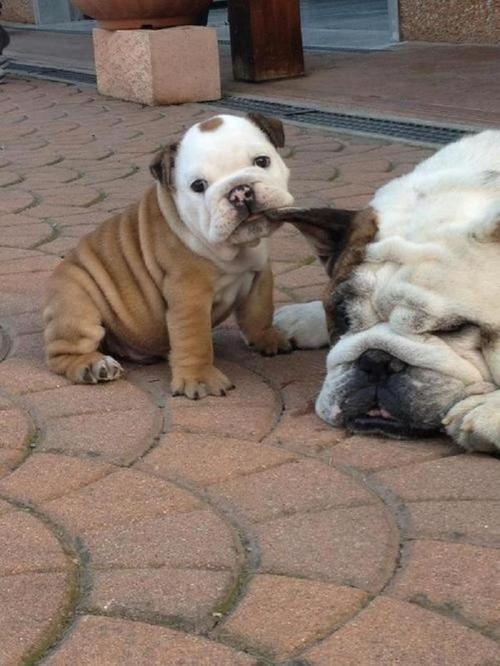
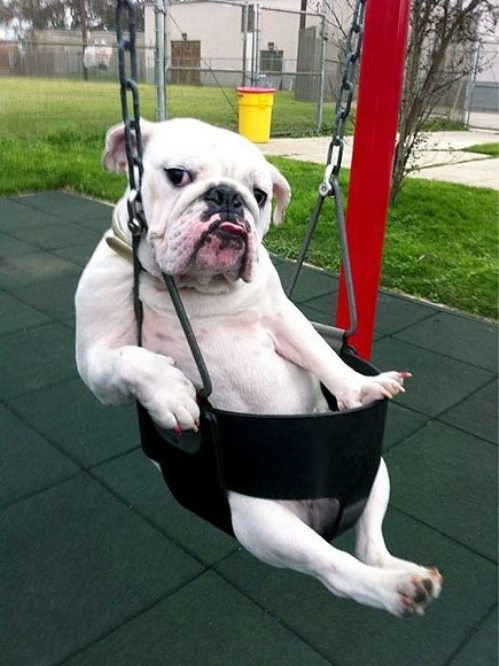
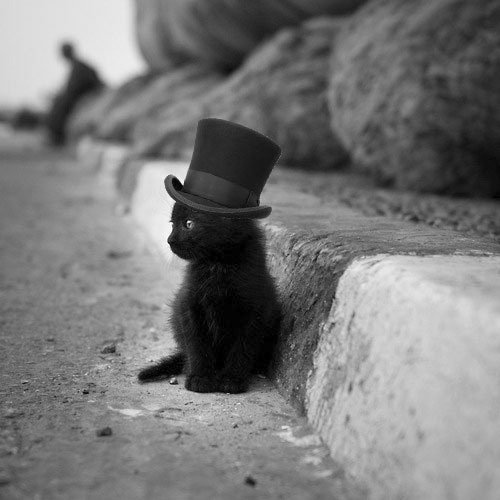
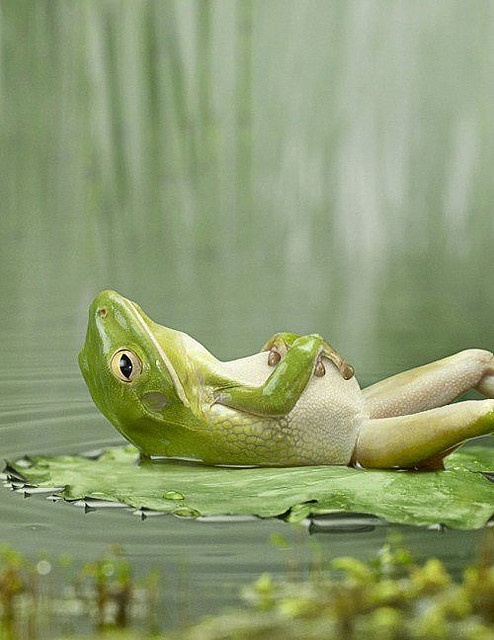
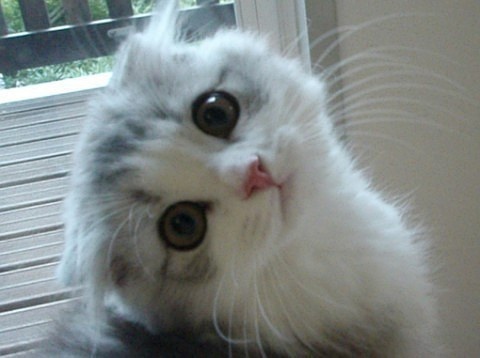
Together these frames keep returning to the same criteria: readable eyes, honest scale, and a moment that feels mid-thought or mid-move. A good “adorables” portrait is not always the softest fur—it is often the clearest intention. Flip through slowly and ask which images would still work in black and white. The keepers usually do, because structure and gaze survive without color.
A practical checklist for expression-led shots
- Get low. Eye-level with a duckling or puppy beats standing over them.
- Watch for catchlights; flat dark eyes lose the stare.
- Prefer one clear action (climb, dive, head tilt) over busy backgrounds.
- If you add a miniature outfit, keep the session shorter than the animal’s patience.
- Alternate motion frames with sleep or loaf poses so the gallery can breathe.
- For wildlife, prioritize the animal’s work over your shot list.
When a small body meets a large curb—or a fox meets a snowbank—decide whether you are documenting the effort or decorating the animal. Irresistable Adorables #3 bets on the effort, then lets the quiet faces collect the applause.

Comments
Continue reading
Irresistable Adorables #2: Prop Comedy and Household Cameos
Laundry lines, Santa hats, mugs, and dinner plates—how staged domestic props turn soft animals into short stories.
Irresistible Adorables, Part 1: A First Round of Animal Cuties
The opening gallery in a four-part cute-animal series—sugar gliders, patient dogs, comedy cats, a chipmunk heist, and a few wilder guests from late 2012.
Irresistable Adorables #4: Outdoor Faces, Daisy and Bray
A daisy on a dog’s nose and an alpaca mid-laugh—why two outdoor faces can carry a whole adorables chapter.