
Newborn Photography by Tracy Raver
Nebraska photographer Tracy Raver’s newborn portraits favor warm studios, early-week sleep, and quiet observation over forced poses.
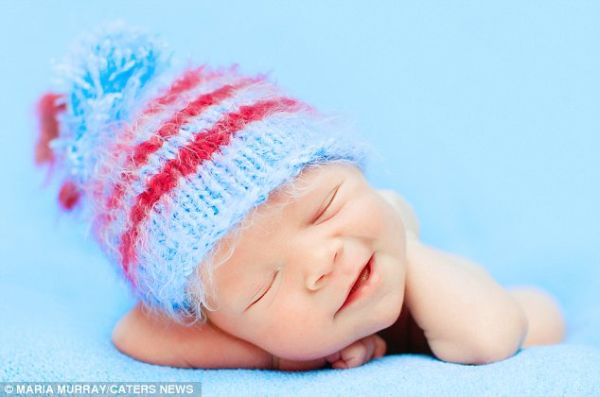
Tracy Raver’s newborn photographs belong to a short, almost secret season of life: the first weeks, when a baby still sleeps as if the world has not fully arrived. Based in Nebraska—often associated with Omaha—Raver became widely known for portraits that treat that sleep as both subject and working method. The pictures are soft, close, and unhurried. Hats, wraps, and simple props appear, but they never overpower the child. What holds attention is the quiet density of a face at rest, the curled posture that still remembers the womb, and the sense that the photographer waited instead of forcing a performance.
Around the years when family blogs and morning-show features circulated her work, Raver described her approach as simple and casual, with little direction and a preference for quiet observation. That sentence is more radical than it sounds. Newborn photography is often sold as a checklist of poses. Raver’s better frames feel less like a checklist and more like a held breath. Timing matters. Warmth matters. A full belly matters. The camera arrives after comfort, not before it.
Why the earliest weeks look different
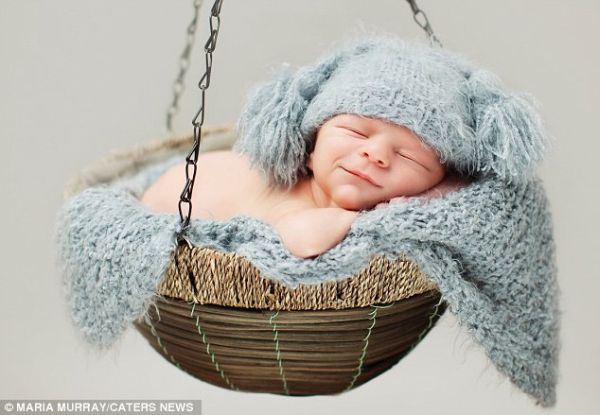
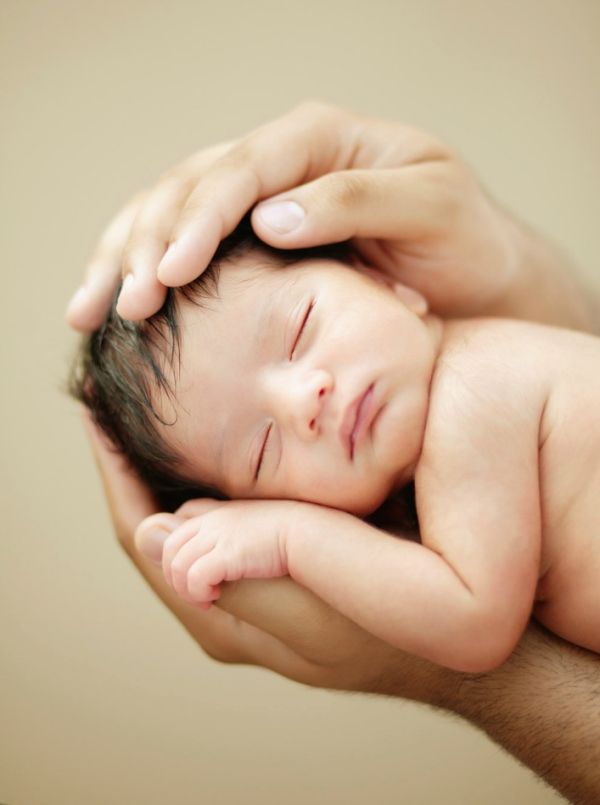
Raver has spoken about photographing babies under about one month of age, often around the two-week mark, when sleep comes easily and limbs still fold with surprising softness. In that window, curled positions feel natural rather than invented. The body cooperates with the idea of nest, sling, or cupped hands because it has not yet committed to the longer stretches and stronger opinions of later infancy. Waiting too long changes the job. A three-month-old can be delightful; that delight is a different genre.
She has also emphasized environment. A warm studio—warm enough that a lightly dressed newborn does not fight the air—helps keep sleep intact. Parents are asked to feed before the drive so the car ride finishes the settling. Those details sound like logistics. In the photographs they become atmosphere: flushed cheeks, heavy lids, hands that stay where they land. The craft is invisible because the baby is not performing wakeful cuteness for a stranger with a lens.
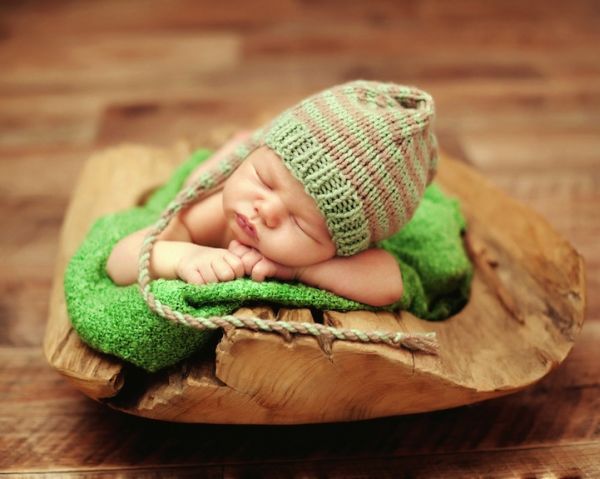
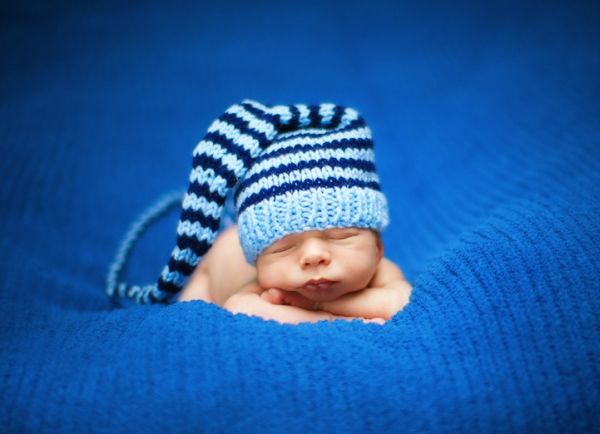
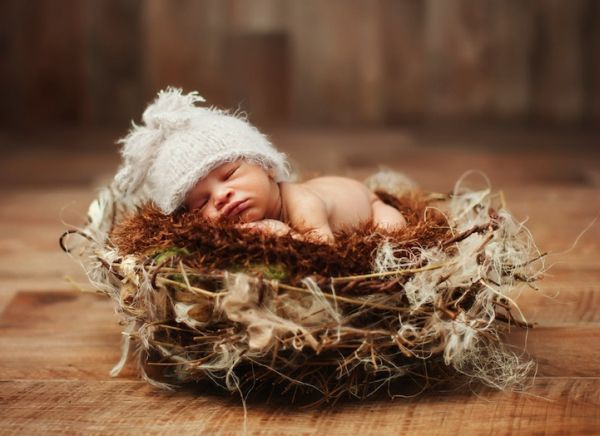
Props in Raver’s work tend to serve comfort and shape rather than theme-park storytelling. A hat frames the face. A wrap supports the curve of a spine. A basket or soft surface creates a small world without insisting on a narrative about seasons or holidays. The best images leave room for the viewer’s own recognition: this is how small a person can be, and how complete.
Observation over direction
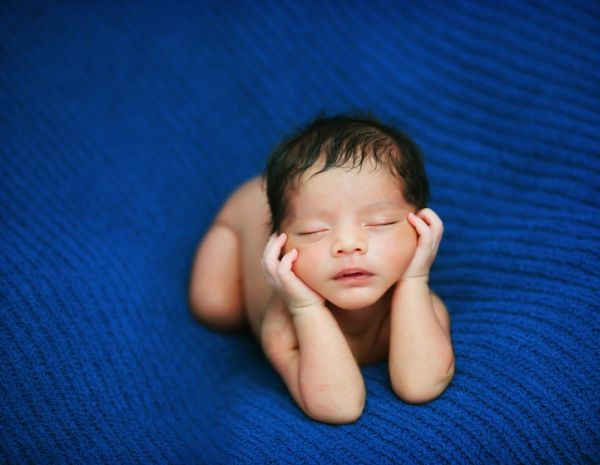
Raver’s public description of style—simple, casual, little direction, quiet observation—explains the emotional temperature of the gallery. She is not barking poses at a person who cannot yet understand instructions. She is watching for the moment when sleep deepens, when a mouth softens, when a fist opens. That patience produces pictures that feel discovered rather than assembled. Parents later remember the session less as a production and more as a protected hour in which someone else handled the looking.
Working with very young babies also means reading temperament. Raver has noted that sessions are not identical; some babies need more coaxing, and the photographer adjusts rather than forcing a favorite setup. “Reading the baby” is the practical skill underneath the softness. It is also the ethical one. Safety and comfort come before the clever angle. Any responsible newborn work—Raver’s included—depends on support, spotting, and refusing poses that look magical in a magazine but stress a real infant.
She has collaborated in the wider public conversation around newborn portraiture with her sister Kelley Ryden as well, helping shape a look that many later studios borrowed: warm light, gentle props, and an emphasis on sleep as the true collaborator. Influence is easy to spot in the industry. What remains specific to Raver’s strongest frames is still the absence of hustle. The pictures do not shout. They invite a longer look at skin texture, eyelash length, the ridiculous perfection of a tiny ear.
What to notice in this gallery
Move through the images slowly. Notice how often the camera stays close enough that background dissolves into tone rather than competing scenery. Notice hands: tucked, splayed, gripping fabric. Notice the difference between a baby deeply asleep and a baby merely resting with one eye half-open. Those micro-states are the real subject. Props change; the quality of rest is the constant.
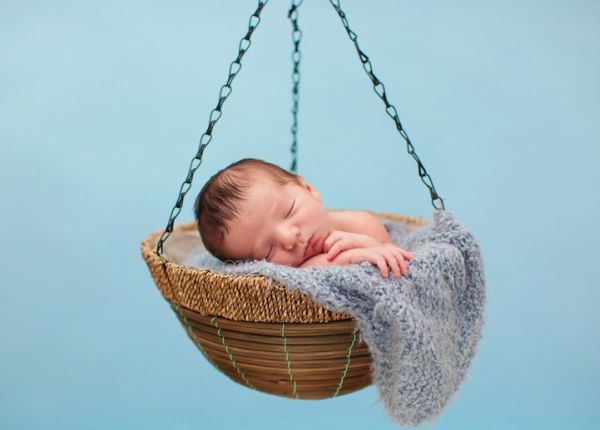
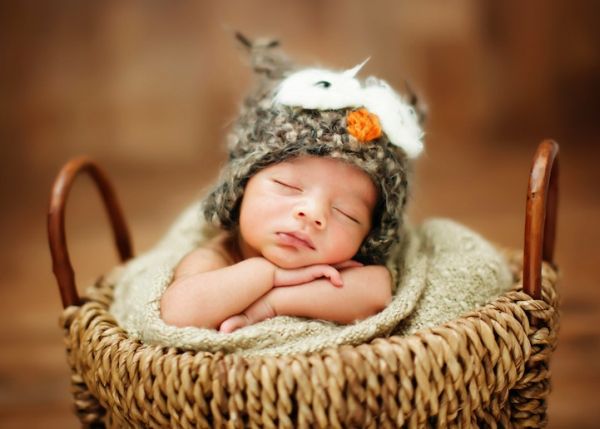
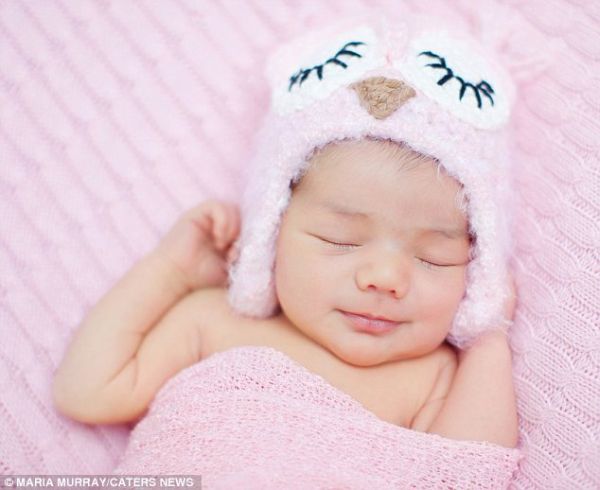
Color stays gentle. Skin is allowed to look like skin. The lighting flatters without turning the child into porcelain. That restraint is why the work still reads as photography rather than as product packaging. It also explains the emotional aftertaste for parents: these are pictures you can return to years later without cringing at a dated prop trend, because the center of gravity was always the baby.
There is a useful distinction for anyone comparing newborn styles. Highly conceptual sets—tiny costumes, elaborate sets, heavy digital composites—can be charming as fantasy. Raver’s lane is closer to documentary tenderness inside a controlled studio. The room is prepared; the baby is not asked to become a character. If you are hiring a newborn photographer, or simply learning from this gallery as a parent with a camera, that distinction helps. Decide whether you want a storybook costume hour or a quiet record of how your child looked while the world was still new.
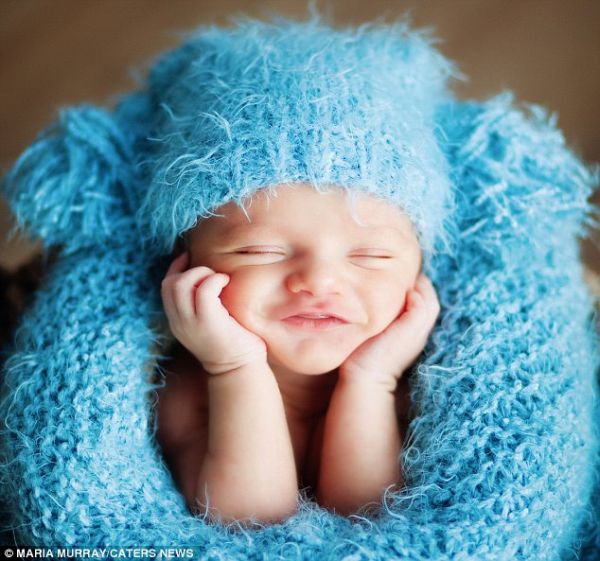
A practical takeaway for parents
Even without booking a studio, Raver’s work suggests a few transferable habits. Photograph in the sleepiest part of the day. Warm the room. Keep backgrounds simple. Get closer than you think, then closer again—to hands, to the curve of a cheek, to the ridiculous luxury of eyelashes. Do not wake a peaceful baby for a smile you can chase later. The newborn chapter is short. Sleep is not a problem to solve for the camera; it is often the picture.
Professionals add training, spotting, and insurance against unsafe posing. Parents at home should never copy advanced wraps or unsupported positions they see online. What you can copy freely is Raver’s patience and her preference for observation. The gallery on this page is a reminder that the earliest photographs do not need noise. They need someone willing to wait until the small face settles, then press the shutter as if the moment might not return—which, for newborns, is exactly the truth.

Comments
Continue reading
30 Newborn Photography Ideas: Props, Light, and Safe Poses
From bold knit sets and window-light cradles to twin mirrors and day-in-the-life documentary—thirty newborn photo ideas with safety notes and two surviving gallery frames.

Dramatic Photo Art by Sukron Ma’mun (Ipoenk Graphic)
Cirebon, Indonesia photographer Sukron Ma’mun uses theatrical natural light to frame village life, play, and place in lyrical photo art.
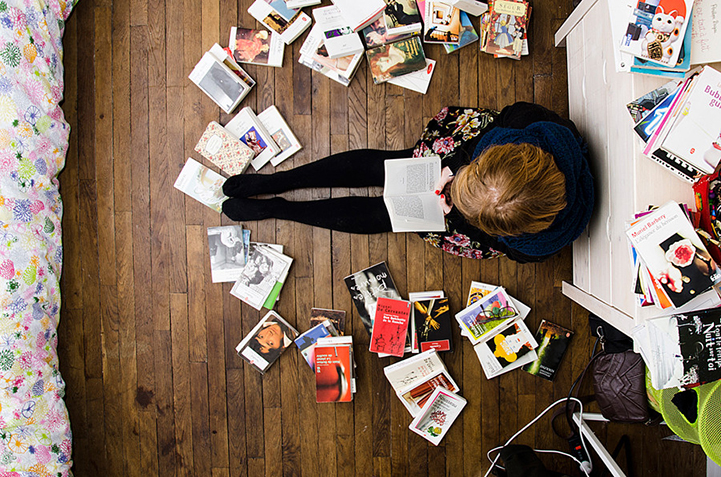
Bird’s-Eye Views: Florian Beaudenon’s Instant Life
Paris photographer Florian Beaudenon’s Instant Life series captures people in their rooms from above—intimate, collaborative overhead portraits of everyday joy.