
Quiet Escapes for the Frugal Traveler
Remote beaches, park-country mountains, and quieter towns—practical ways to travel for calm without inventing bargain hotel rates.
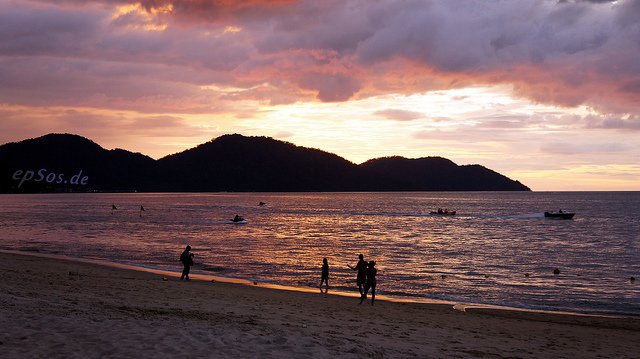
Quiet trips are often cheaper than loud ones. Crowds bid lodging and restaurant prices upward; empty beaches, shoulder-season mountains, and small towns without megaplex tourism leave more room for a modest budget. If you want rest more than nightlife, you can use that preference as a money filter: choose places where the main attractions are free or nearly free—walking, swimming, hiking, watching light change on water—and skip the package resorts that sell “peace” at a premium.
This guide gathers tranquil, relatively frugal destinations that reward flexibility: remote beaches in the British Virgin Islands, Kauai, the Big Island, and Anguilla; mountain bases near Yosemite and the Great Smoky Mountains; and quieter mountain towns when you time them carefully. No invented nightly rates appear here. Prices shift by season and year. What travels well is a method—how to pick quieter shores, when to go, and what to spend money on versus what nature already provides.
Remote beaches that reward the slow traveler
Beach calm is rarely about finding the single “best” postcard cove. It is about choosing islands and bays where day visitors thin out, where swimming and picnicking are the program, and where you can cook or pack food instead of living on resort menus.
British Virgin Islands: quieter bays over headline beaches
In the British Virgin Islands, Tortola and Virgin Gorda still draw boats and day-trippers, yet several beaches stay quieter if you arrive with modest expectations and local transport plans. Brewer’s Bay, Long Bay, Mahoe Bay, and Savannah Bay are the kind of stretches that favor lounging, snorkeling from shore when conditions allow, and leaving before sunset traffic builds. Affordability here is less about a secret discount hotel and more about choosing islands and bays that are not the first name on every cruise itinerary, traveling midweek when possible, and treating the beach itself as the day’s entertainment.
Pack reef-safe sunscreen, water shoes for rocky entries, and a soft cooler. A frugal beach day fails when you buy every snack at the nearest tourist kiosk. It succeeds when the scenery is the product and your bag already holds fruit, sandwiches, and enough water for heat.
Kauai: Hanakapiʻai, Lumahai, Hanalei Bay
Kauai still offers pockets of quiet relative to Hawaii’s busiest resort corridors, though “empty” is relative on any famous island. Hanakapiʻai Beach, reached by hiking the Kalalau Trail segment from Keʻe Beach (check current trail and park access rules before you go), is a day outing for people who want effort before lounging—and who understand that swimming there can be hazardous depending on conditions. Lumahai is better known for sunset watching than for swimming. Hanalei Bay gives a broader sandy arc where early mornings and quieter weekdays still feel less compressed than noon on a cruise-ship day.
Budget discipline on Kauai looks like grocery stops in Kapaa or Princeville-area markets, a rental with a kitchenette when it makes sense for your group size, and choosing free coastal walks over paid excursions every afternoon. The island’s beauty does not require a paid activity stack to feel complete.
Big Island: Hapuna and Kiholo
The Big Island of Hawaii often feels more spacious—and sometimes more practical for budget travelers—than the smaller, denser islands, simply because distances and lodging options stretch farther. Hapuna Beach is one of the island’s better-known white-sand stretches; go early, bring shade, and treat parking and heat as part of the plan. Kiholo Bay and nearby shoreline areas reward people who want black rock, tide pools, and wildlife watching more than a resort pool soundtrack. Photograph views, walk carefully on lava, and leave nesting areas undisturbed.
Frugal Big Island travel leans on driving smart (fuel adds up), packing beach days, and mixing free volcanic and coastal landscapes with one paid experience you truly care about rather than five mediocre ones.
Anguilla: Barnes Bay and Rendezvous Bay instead of the crush
Anguilla’s reputation for clear water does not require camping on Shoal Bay East at peak density. Barnes Bay and Rendezvous Bay are calmer alternatives for travelers who prefer long walks and fewer vendors. Tranquility here is a booking and timing problem as much as a map problem: shoulder seasons, midweek stays, and a lodging base within walking or short-taxi range of the beach you actually want.
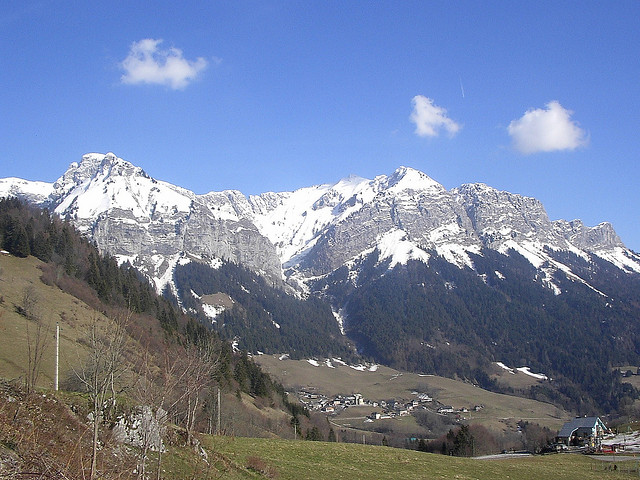
Lonely mountains: parks, cabins, and free days
If humid salt air is not the goal, national park country around Yosemite and the Great Smoky Mountains still offers quiet when you respect seasonality and avoid the densest tourist strips. Lodging can mean hotel, lodge, cabin, tent site, or RV hookup—choose the level that matches how much gear you already own. Many of the best days cost park entrance fees plus gas: hiking, fishing where permitted, swimming in designated areas, biking, and sitting with a view.
Yosemite: spring and fall for milder weather and softer demand
Yosemite’s summer is famous for both beauty and congestion. Spring and fall often bring milder temperatures and a better chance at quieter trails and more flexible lodging choices, though weather and road closures still matter—check conditions. A weekly cabin rental outside the densest corridor can be a smarter frugal move for a group than a string of one-night hotel stays, especially if you cook breakfasts and pack trail lunches.
Free or low-cost outings are the park’s real luxury: waterfall viewpoints in season, valley floor walks at dawn, and high-country day hikes when roads and fitness allow. Skip buying every souvenir; buy a decent map and use it.
Great Smoky Mountains: fall color without the tourist-trap bill
The Great Smoky Mountains reward autumn leaf-peepers, but Gatlinburg and Pigeon Forge can erase both solitude and savings if that is the only base you consider. Look toward quieter gateways such as Bryson City or Lenoir City, Tennessee, when your itinerary is about trails, overlooks, and cabin evenings rather than attractions strips. Book earlier than you think you need to for fall weekends; flexibility on midweek arrival still helps.
Camping and simple cabins keep the trip aligned with the landscape. A frugal mountain day is a thermos, layered clothes, and a trail that matches your fitness—not a schedule of ticketed entertainment.
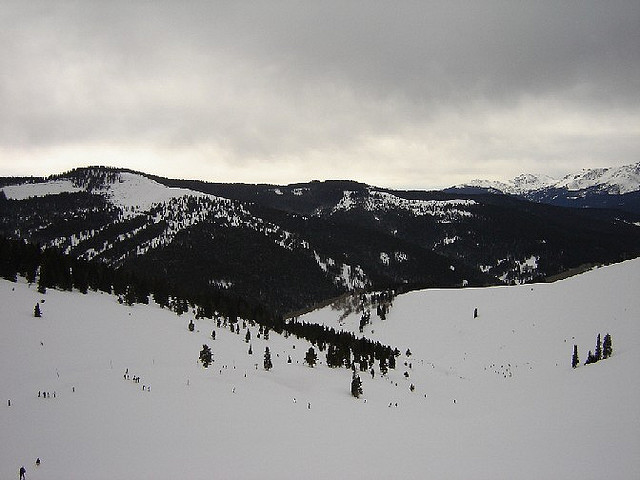
Serene mountain towns—if you play the calendar
Travel polls and lifestyle lists often recycle the same names: Lake Placid, New York; Darby, Montana; Jackson Hole, Wyoming; Vail and Aspen, Colorado; Walland, Tennessee; Park City, Utah; Asheville, North Carolina. Those places can be tranquil and they can also be expensive, depending on whether you arrive for peak ski weekends, festival weeks, or leaf season saturdays. The towns are not automatically frugal. The method is.
- Book early when a destination has a hard peak, or deliberately choose shoulder weeks when businesses are open but demand softens.
- Travel off-peak for the activity you care about—avoid the festival, the holiday, or the championship weekend unless that event is the point of the trip.
- Prefer furnished apartments, cabins, or condos with kitchens so breakfast and a few dinners stay under your control.
- Spend daylight on free views, trails, and town walks; treat paid attractions as optional, not obligatory.
- Stay flexible on room features. A smoking room you will not use, a missing balcony, or a walk-up floor is often cheaper than a “perfect” listing with the same zip code.
Jackson Hole and Aspen will never behave like secret bargains in high season. Darby or Walland may feel more approachable for a quiet week. Asheville and Lake Placid sit somewhere in between: beautiful, walkable, and still capable of emptying a wallet if every meal is a reservation restaurant. The frugal traveler’s advantage is liking the landscape more than the brand of the zip code.
A practical quiet-trip checklist
- Decide the day’s free centerpiece first: a named beach, a trail, a overlook—then build lodging within sensible reach of that centerpiece.
- Shop once for picnic supplies; eat one nice meal out if you want ceremony, not three mediocre ones by default.
- Start outdoor days early. Quiet and parking are both morning commodities.
- Verify access: trail closures, park reservations, ferry schedules, and swim advisories change. A “free” beach that requires a closed trail is not free.
- Leave margin in the plan. Tranquility collapses when every hour is booked.
Whether you end up with sand in your shoes at Rendezvous Bay, mist on a Smokies ridge, or coffee on a rented cabin porch outside Yosemite’s busiest loop, the same rule holds: peace is easier to afford when you stop competing for the loudest version of a place and start showing up for the quieter one.

Comments
Continue reading

Funny Animal Signs That Warn People (While Animals Ignore Them)
From a seagull on a no-birds disc to classic zoo and park ironies—why animal warning signs get funny, and what the rules are still for.

How to Find Local Amenities on Vacation: Mechanics, Haircuts & More
Locate trustworthy local services and everyday spots while traveling or settling in—using publications, reviews, map apps, neighbor tips, and low-pressure exploration.

Kristen Stewart for V Magazine, Spring Preview 2013
V81’s Wild at Heart cover story—Kristen Stewart shot by Inez & Vinoodh, styled by Joe McKenna, in pale minimal spring glamour.