
Wedding Hair Ideas That Last the Day
Updos, waves, braids, and veil placement—bridal hair inspiration paired with dress, venue, and trial checklist criteria so the style survives ceremony to dance floor.
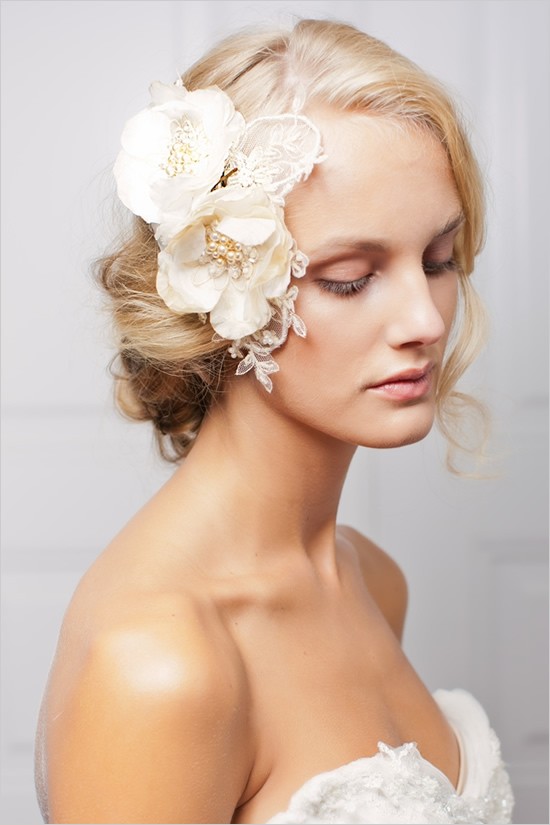
Wedding hair has to do more than look good in a single portrait. It needs to survive vows, hugs, dancing, weather, and hours of photos while still feeling like you. The most inspiring bridal looks are not always the most elaborate—they are the ones that suit face shape, dress neckline, veil plans, and how you actually move through a celebration day.
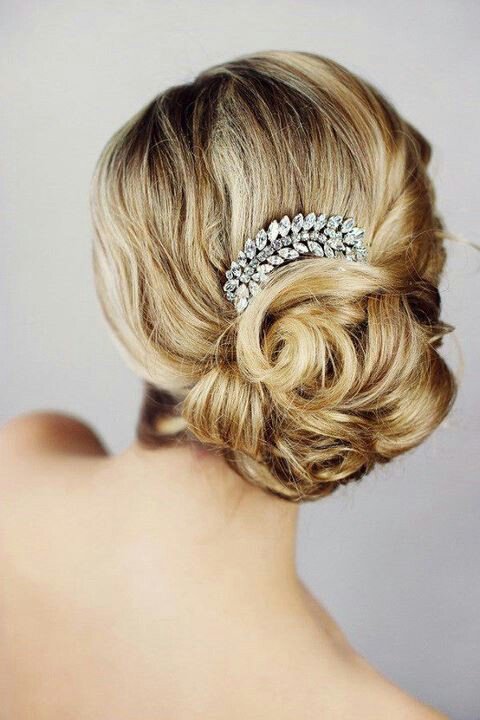
Use the gallery below as a mood board, then translate what you like into practical choices: updo or down, soft or structured, accessory-heavy or minimal. A clear direction before the trial appointment saves time and prevents last-minute panic.
Match the hairstyle to the dress and venue
Necklines set the frame. High necks and detailed collars often look cleaner with hair up or half-up so embroidery and beads stay visible. Strapless and deep V necklines can carry soft waves or a low chignon that keeps attention on the shoulders. Back details—buttons, illusion panels, dramatic cutouts—deserve a style that does not hide them under a heavy cascade unless you specifically want that contrast.
Venue and climate matter as much as fashion. Outdoor ceremonies in wind or humidity favor secured updos, braids, and styles with strong pinning over loose curls that drop. Indoor ballrooms allow more delicate finishes. Beach and garden weddings often look natural with texture and soft movement; formal halls can support sleeker shapes and higher gloss.
Classic updos with modern ease
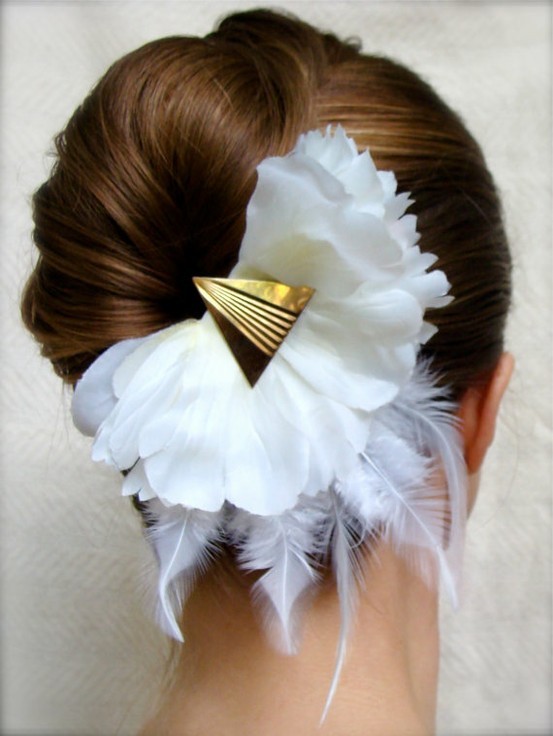
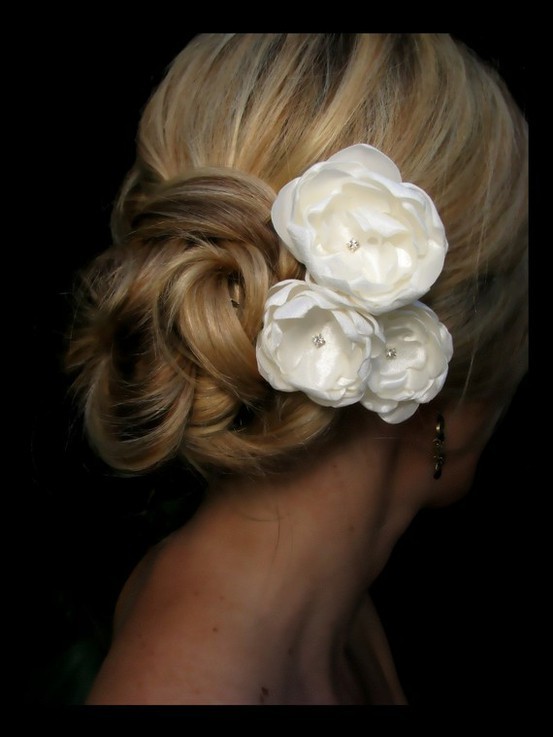
A low chignon at the nape remains one of the most reliable wedding styles. It sits well with most veils, keeps hair off the neck for dancing, and photographs cleanly from the back. Ask for soft pieces around the face if a severe center parting feels too sharp for your features.
Higher buns and French twists read more formal. They work with statement earrings and off-the-shoulder gowns. Make sure the height still clears your veil attachment and does not fight a dramatic headpiece. Comfort counts: a bun that pulls at the temples by hour two will show in every candid photo.
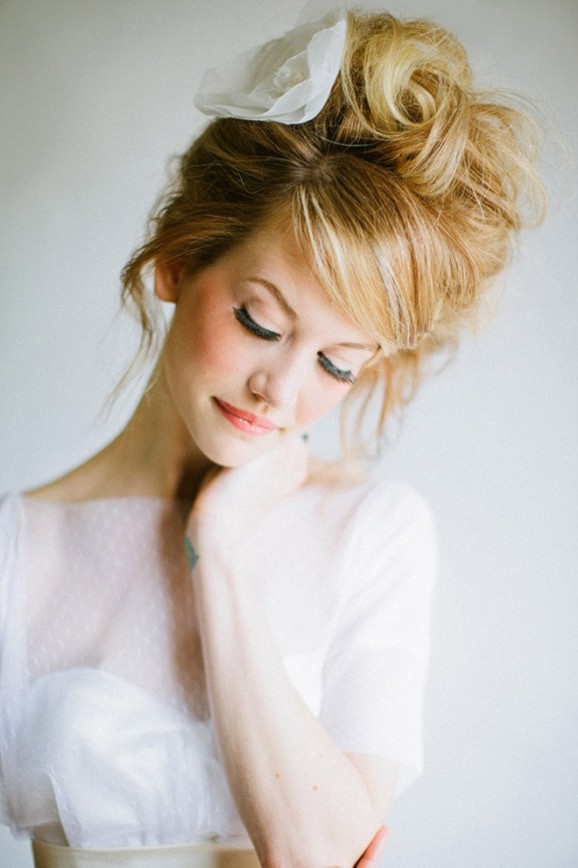
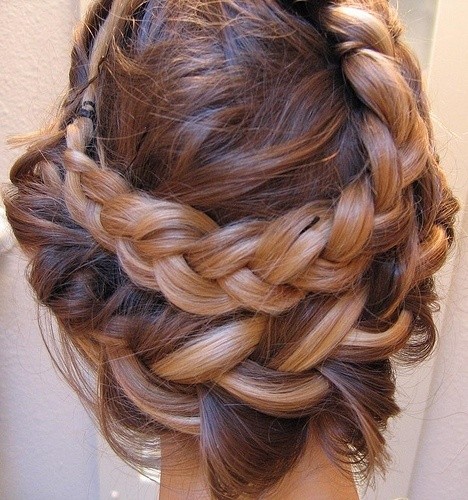
Textured updos—loose twists, soft volume at the crown, a few escaped strands—suit romantic and bohemian themes. They look intentional when the texture is even, not when half the style is collapsing. Strong bobby-pin strategy and a flexible-hold product matter more than extra hairspray that turns the look helmet-stiff.
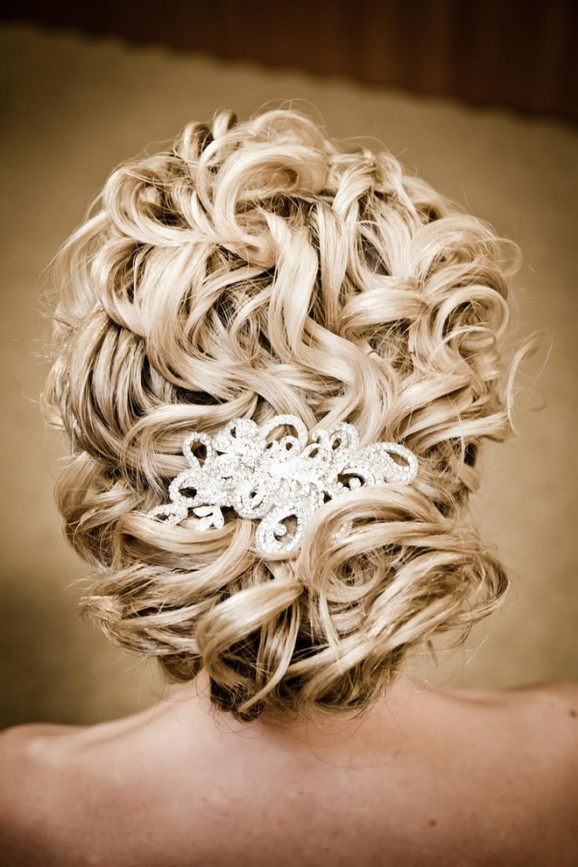
Half-up styles and soft waves
Half-up styles bridge romance and practicality. They keep hair away from the face for the ceremony while leaving length for movement later. Secure the pinned section firmly; this is the part that fails first when guests hug you.
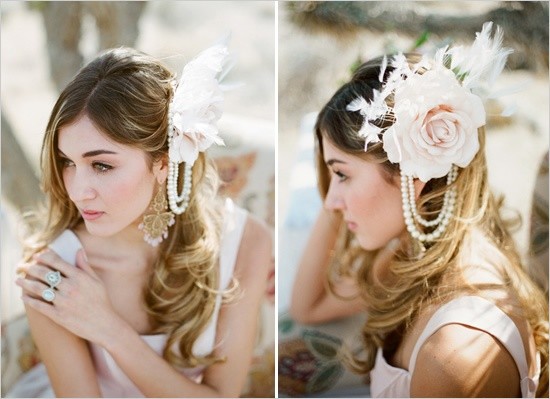
Long waves remain popular because they feel familiar and photograph well in motion. Request waves that start below the cheekbone if you wear statement earrings, and discuss whether you want a center part, soft side part, or brushed-back volume. Bring photos of your hair at its real length and density—inspiration shots on thicker hair can mislead.
If your hair is fine, ask about light padding, a hidden bun base, or a style that creates the illusion of density without obvious extensions unless you already plan to wear them. If your hair is very thick or long, discuss weight: sometimes a polished updo or a substantial half-up is more comfortable than all-down waves in summer heat.
Braids, accessories, and veil placement
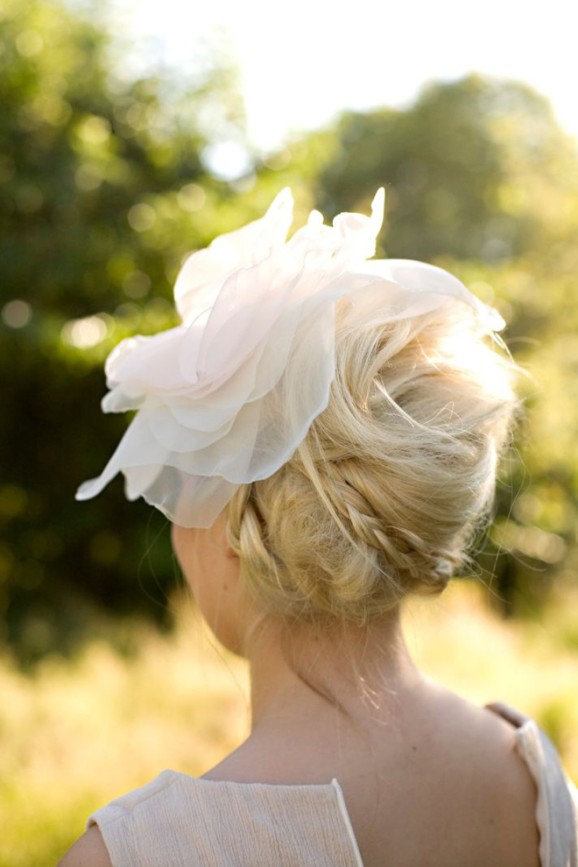
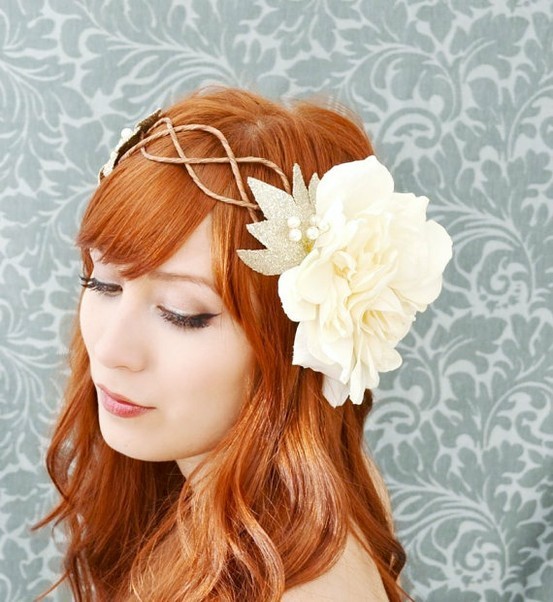
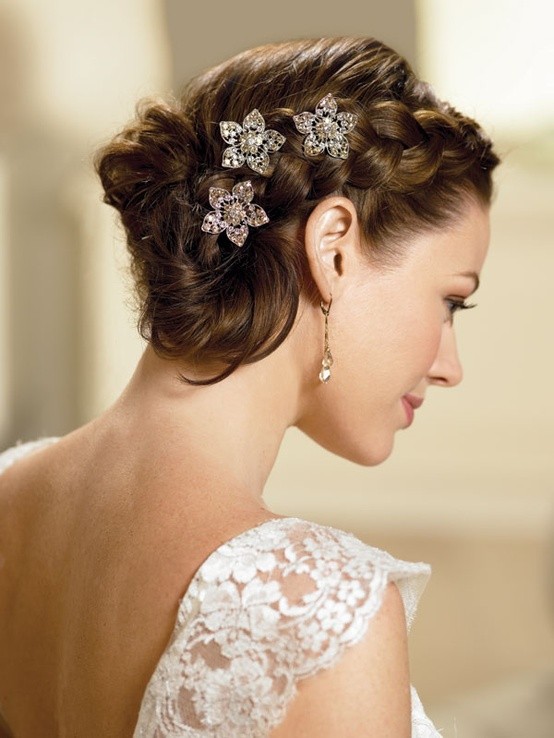
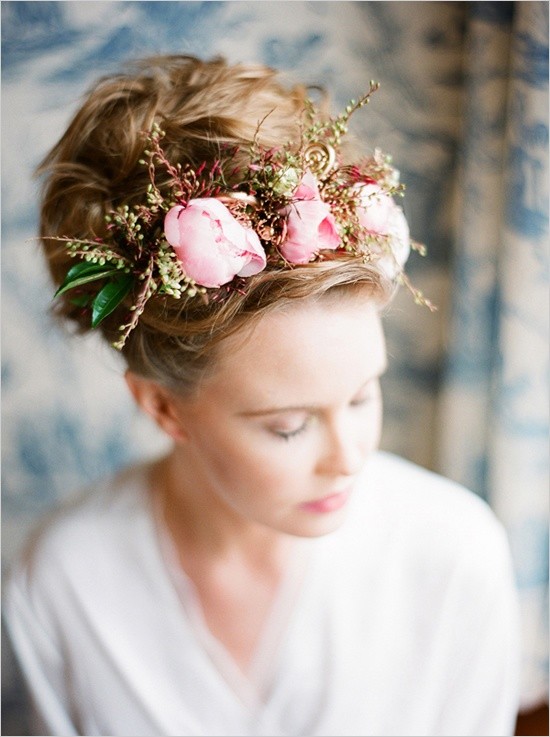
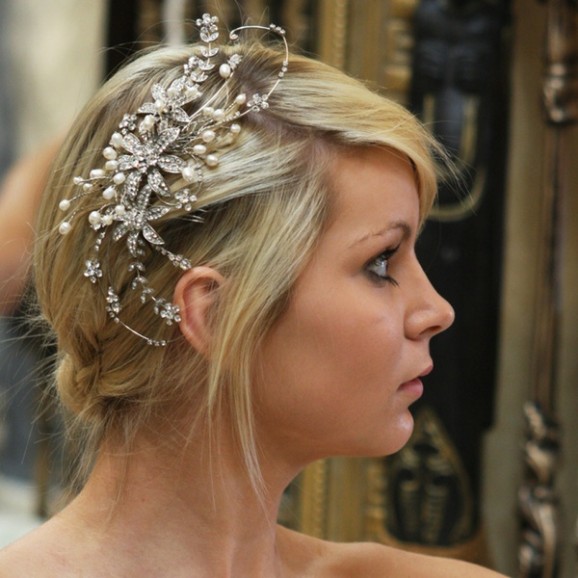
Braids add structure without requiring a full updo. A crown braid, side braid tucked into a low knot, or subtle plait woven through waves can hold flowers, pins, or a delicate vine. Keep braid tension even; too tight reads severe, too loose unravels by dinner.
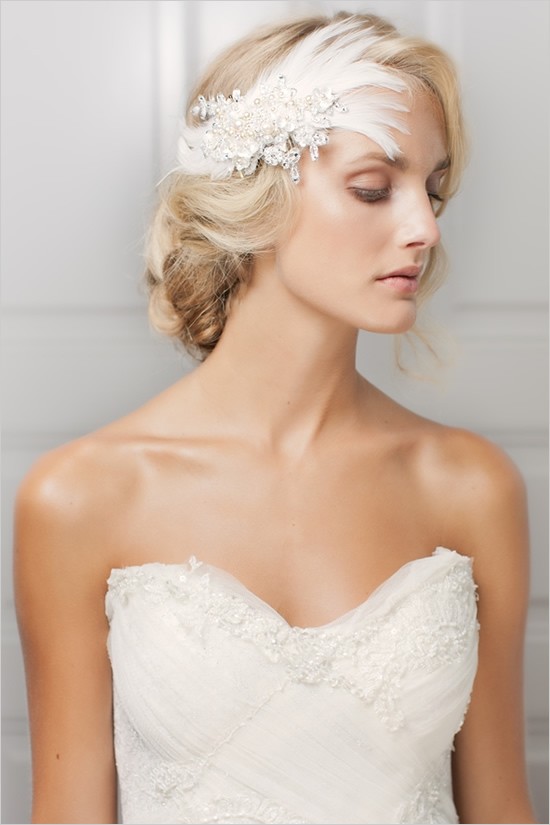
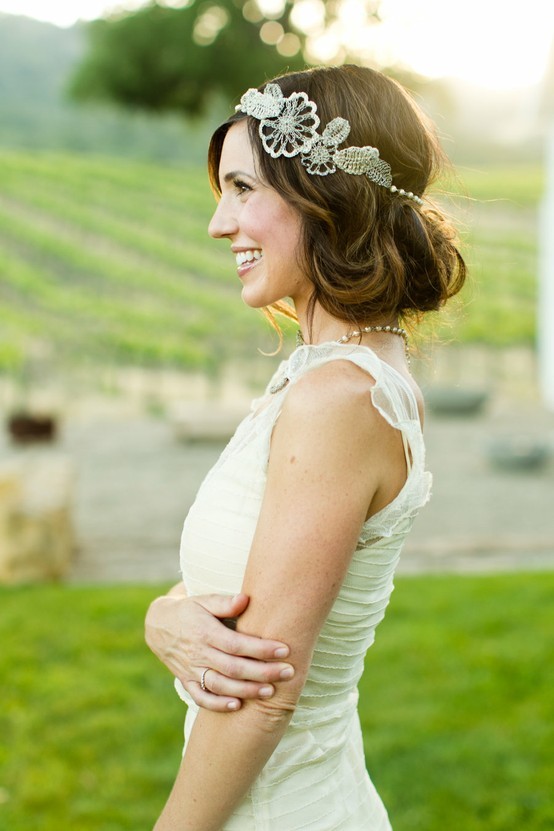
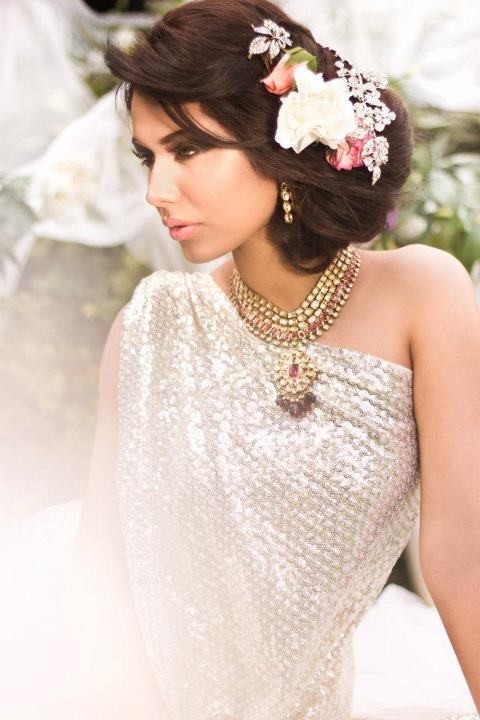
Accessories should support one focal point. A strong tiara usually wants cleaner hair nearby. Scattered pins work better on textured styles than on glassy sleek buns. Fresh flowers need a hydration plan and a backup pin kit—wilting blooms show quickly under lights.
Veils change everything. Decide early whether the veil attaches under a bun, above a half-up section, or with a comb at the crown. Try the veil during the hair trial, not only on the wedding morning. Practice removing it for the reception so the hairstyle underneath still looks finished.
Hair prep that makes the style last
Schedule a trim a few weeks before the wedding, not the day before. Arrive at the trial and the wedding morning with clean hair in the condition your stylist requested—often day-old hair holds better than freshly washed silky strands. Share any color appointments so toner and gloss timing do not clash with styling products.
Discuss hold level honestly. If you cry easily, dance hard, or will be outdoors, say so. A style that looks soft in the salon chair may need invisible structure underneath. Ask which products are used so you can avoid surprise shine or scent that bothers you.
Plan for touch-ups. A small emergency kit—bobby pins matching your hair color, a travel hairspray, a clear elastic, blotting papers for the hairline—belongs with whoever is helping you that day. Assign one person to hold the veil and spare pins so you are not hunting through bags between portraits.
Choosing a direction from inspiration photos
When you save inspiration, note what you actually like: height of the style, amount of face framing, shine versus matte, and how much ornamentation. Bring three to five images to the trial, not thirty. Tell the stylist which parts of each photo matter—volume at the crown from one, the low placement from another—so they can build a hybrid that fits your hair.
Consider your usual self. If you never wear your hair up, a dramatic high style may feel alien in photos even if it is objectively beautiful. If you always wear a ponytail, a refined low knot or sleek pony variation may feel more like you on a dressed-up day. Continuity often photographs more confidently than a total costume change.
Trial appointment checklist
- Dress neckline notes or a photo of the gown
- Veil or headpiece to practice placement
- A few inspiration images with clear notes
- Honest talk about weather, dancing, and comfort
- Photos of the finished trial from front, side, and back
- Agreement on timing for the wedding morning
Leave the trial knowing not only that the style looked good in the mirror, but that you could turn your head, hug someone, and still feel secure. That is the real test—more than matching any single inspiration image frame for frame.

Comments
Continue reading
Red, Dark, and Blonde Ombre Hair Styles
A style guide to ombre gradients—dark bases, blonde fades, and red-copper melts—with gallery examples, contrast tips, and a clear salon brief.
Very French Chignon: Hairstyle Examples and How-To
What makes a chignon French—nape placement, classic shapes, and a practical guide to sleek, braided, and messy summer versions.
Natural Makeup Examples: When the Look Is Soft, Sheer, and Believable
A gallery-led guide to natural “no makeup” looks—skin that still looks like skin, quiet color, and technique that keeps the person ahead of the product.