
Very French Chignon: Hairstyle Examples and How-To
What makes a chignon French—nape placement, classic shapes, and a practical guide to sleek, braided, and messy summer versions.
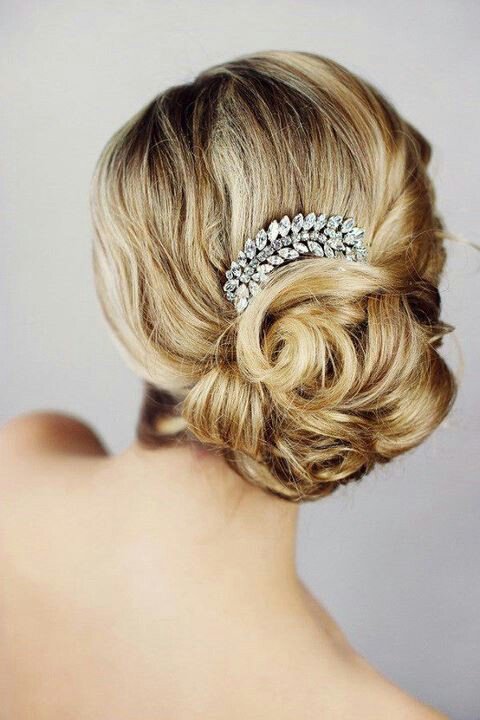
The word chignon comes from the French phrase chignon du cou—literally “nape of the neck.” That origin is not trivia; it is the structural rule. A chignon gathers hair into a pinned knot or twist that sits low and close to the neck, not high on the crown like a topknot and not floating as a loose everyday bun. The placement is what makes the style read French, formal, and quietly deliberate.
You will see chignons at weddings, in ballet dressing rooms, on red carpets, and—especially in warmer months—on city sidewalks in looser, lived-in versions. The same architecture can look polished or undone depending on texture, shine, and how many pins you allow to show. Below is a practical guide to the classic forms, how they differ from related updos, and how to build one that stays put without looking glued.
Chignon vs. bun vs. topknot
People use “bun” as a catch-all, which blurs useful distinctions. A classic bun can sit mid-head or high and often looks round and centered. A topknot rides near the crown and reads casual or athletic. A chignon wants the nape. It hugs the neckline of a dress or collar and lengthens the look of the neck. If you raise the knot too high, you have left chignon territory.
Texture matters as much as height. A sleek chignon with a center or deep side part suggests eveningwear and bridal formality. A slightly messy chignon—soft flyaways, a twisted rope rather than a perfect coil—reads modern and wearable for daytime. French street style popularized that second mood: the “I did this after coffee” finish that still respects the nape placement.
Core shapes worth knowing
Classic low twist. Hair is smoothed back, twisted into a rope, and coiled against the nape, then secured with pins. Clean part optional. This is the silhouette most people mean when they say “French chignon.”
Rolled chignon. Sections are rolled under toward the neck and pinned in a horizontal sausage shape. It photographs beautifully from the side and pairs well with boat necks and strapless lines because it keeps the upper back clear.
Braided chignon. A braid (single, double, or fishtail) is wrapped into the nape knot. The braid adds grip and visual detail without needing heavy accessories. Useful for fine hair that slips out of plain twists.
Messy summer chignon. Same nape placement, less polish. Leave face-framing pieces; encourage soft waves before you twist; pin loosely so air can move through the shape. Ideal when humidity would destroy a glass-smooth finish anyway.
Side-swept chignon. Volume gathers slightly off-center, often with a deep side part. Romantic without becoming a full updo costume. Works especially well with asymmetrical necklines.
How to build a reliable everyday chignon
- Start with grip, not grease. Second-day hair or a light texturizing spray helps pins catch. Freshly washed, silky hair often slides.
- Decide your part first. Center, deep side, or no visible part changes the whole face frame. Set it before you gather.
- Brush back to the nape. Hold the tail of the hair where you want the finished knot to live—low enough that a finger can still fit between knot and collar bone.
- Twist or roll with tension you can control. Too tight looks severe and can ache; too loose collapses by lunch. Aim for firm but compressible.
- Coil and pin in a triangle pattern. Pins crossing in different directions hold better than a single parallel row. Hide ends inside the coil.
- Set with mist, not armor. A flexible-hold spray keeps movement. Save hard lacquer for windy outdoor ceremonies.
If you wear glasses or headphones often, check the sides after pinning. A chignon that fights your temples all day will not stay elegant; loosen the front hairline slightly so the style cooperates with real life.
Hair length, density, and tools
Shoulder length and longer is easiest. Mid-length hair can still make a convincing chignon if you use a small donut, a few extensions for bulk, or a braided base that invents thickness. Very short layers may need more pins and a softer, textured finish rather than a museum-smooth coil.
Fine hair benefits from dry shampoo at the roots and a light backcomb at the crown before you smooth the surface. Thick hair may need sectioning: secure an underlayer first, then wrap the top layer so the knot does not balloon. Curly hair can skip the fight for bone-straight sleekness—define the curls, then twist; the result often looks more intentional than forced smoothness.
Useful kit: bobby pins that match your hair color, a few longer U-pins for dense coils, a soft bristle brush for sleek versions, a tail comb for parts, clear elastics that disappear under the twist, and optional silk scarf for wrapping overnight if you want to preserve the style for a second day.
Occasions and pairings
Weddings and formal events. Choose the sleek or rolled versions. Add a single hairpin, small comb, or thin ribbon only if the dress neckline needs a focal point. Over-decorating a chignon usually weakens it.
Office and daytime. Messy or braided chignons read polished without costume drama. Keep jewelry quieter so the neck remains the feature.
Summer heat. The low knot keeps hair off skin while looking more considered than a high pony. Pair with linen, striped knits, or a simple white shirt—the French stereotype exists because the combination works.
Evening out. Gloss the surface lightly, deepen the part, and let one earring show. A chignon loves collarbones and clean makeup rather than competing drama everywhere at once.
Common mistakes
Placing the knot too high is the most frequent error. Second is over-teasing until the shape looks triangular from the side. Third is using only one elastic and hoping for the best—pins are structural, not optional garnish. Fourth is ignoring face shape: a very tight, severe pull-back can overwhelm softer features; leaving a centimeter of softness at the temples often fixes it.
Also resist copying a photo with different hair density without adjusting method. What looks effortless on thick, wavy hair may need a filler piece or braid scaffold on fine straight hair. Matching the placement matters more than matching every flyaway.
A short practice checklist
- Nape height confirmed in a side mirror
- Part decided before gathering
- Pins crossed in at least two directions
- Ends hidden or intentionally textured—not accidentally poking out
- Movement test: turn your head, put on a jacket, sit against a chair back
Master one reliable low twist first. Once that holds through a full day, experiment with braids, rolls, and messier summer finishes. The French chignon earns its reputation not by being complicated, but by being precise about where the hair lives—and leaving everything else elegantly simple.

Comments
Continue reading

Red, Dark, and Blonde Ombre Hair Styles
A style guide to ombre gradients—dark bases, blonde fades, and red-copper melts—with gallery examples, contrast tips, and a clear salon brief.
Wedding Hair Ideas That Last the Day
Updos, waves, braids, and veil placement—bridal hair inspiration paired with dress, venue, and trial checklist criteria so the style survives ceremony to dance floor.
Natural Makeup Examples: When the Look Is Soft, Sheer, and Believable
A gallery-led guide to natural “no makeup” looks—skin that still looks like skin, quiet color, and technique that keeps the person ahead of the product.