
Natural Makeup Examples: When the Look Is Soft, Sheer, and Believable
A gallery-led guide to natural “no makeup” looks—skin that still looks like skin, quiet color, and technique that keeps the person ahead of the product.
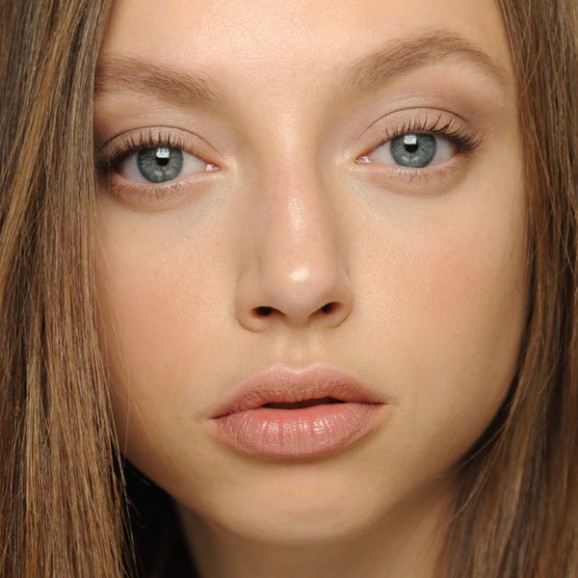
Natural makeup is a paradox that keeps returning to beauty culture: it takes product, judgment, and time to look as if almost nothing was applied. The examples gathered here belong to that “no makeup” tradition—skin that still looks like skin, color that stays close to the face’s own tones, and a finish that photographs as freshness rather than costume.
When makeup looks like no makeup, the goal is not invisibility for its own sake. It is coherence. Features stay recognizable. Texture is softened, not erased. The eye reads sleep, light, and health before it reads packaging.
What “natural” usually means
In beauty language, “natural” rarely means a bare face. It usually means a controlled reduction: even tone without heavy coverage, brows that look groomed rather than drawn, lashes that exist without spider-leg drama, and lips that hold color inside a soft edge. Contour, if present at all, is quiet—more a nudge of shadow than a sculpted stage map.
Lighting decides whether the look succeeds. Soft daylight reveals texture and rewards sheer products. Hard flash can turn the same makeup chalky or shiny in the wrong places. That is why natural looks are often photographed outdoors or near windows: the light agrees with the philosophy. Studio beauty lighting can still work, but it needs diffusion and honest exposure so pores are not punished for existing.
Skin prep does more work than many tutorials admit. Hydration, a light primer where needed, and a foundation or tinted moisturizer matched carefully to neck and jaw matter more than an expensive eye palette. Natural makeup fails most often at the edges—wrong undertone, heavy powder in smile lines, or a foundation line that stops abruptly at the chin.
Reading the examples
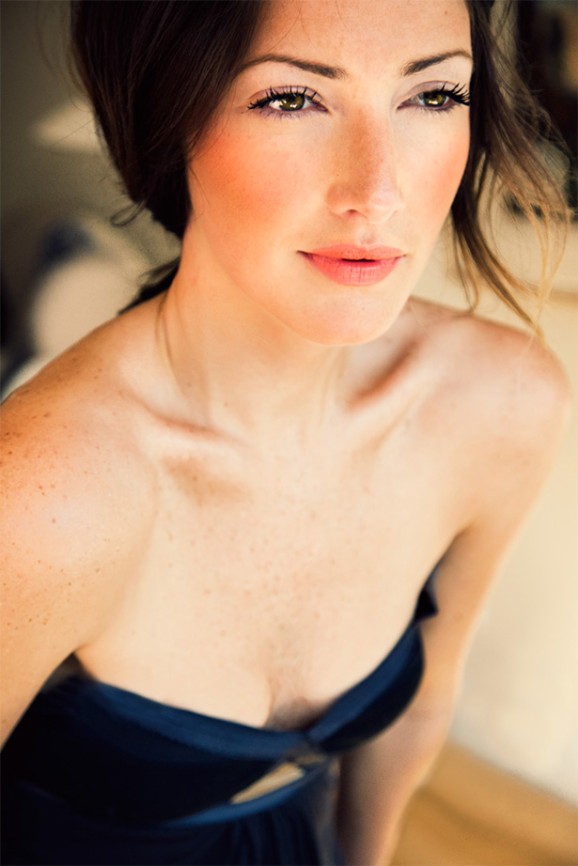
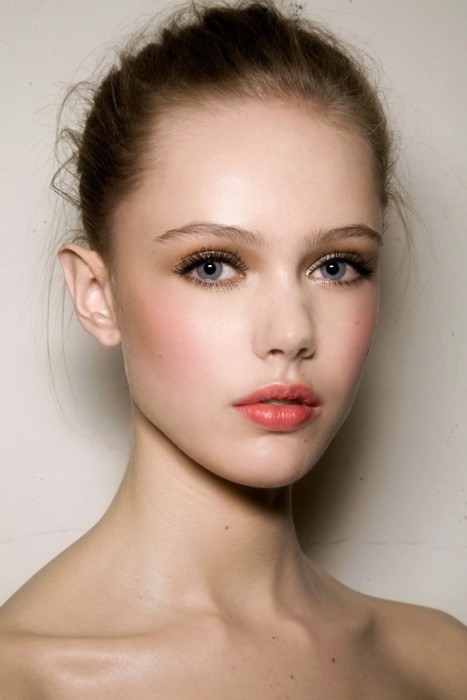
Look first at skin. In the stronger frames, pores and faint freckles still participate. Coverage seems concentrated where redness or unevenness would distract, not painted as a full mask. Highlight, if used, sits on high planes without turning into a disco ball. The face keeps dimension because midtones survive.
Next, study the eyes. Natural does not forbid mascara or soft liner; it forbids the kind of graphic contrast that announces “makeup first.” Soft brown or taupe often reads more believable than stark black on certain complexions. Smudged definition at the lash line can look like shadow from lashes rather than a drawn border. Brows tend to be brushed and filled sparsely so individual hairs remain visible.
Lips and cheeks carry much of the warmth. A flushed cheek that could pass for outdoor air, a lip tint that could pass for bitten color—these cues sell the illusion. Over-blending into a single beige plane is the opposite of natural; real faces have zones of pink, olive, gold, and cool shadow. Compare several portraits in this set and you will see different ratios of warmth, but a shared refusal to flatten the face into one cosmetic tone.
Technique that supports the look
Sheer layers beat one thick pass. Build coverage only where needed. Set strategically—T-zone if you shine, leave cheeks more alive if powder dulls them. Cream products can melt into skin under gentle warmth from fingertips; powders can refine without smothering when used lightly. Tools matter less than pressure: a dense brush can still look natural if the product is sheer and the hand is patient.
Color matching is non-negotiable. Test along the jaw in daylight. Watch for oxidation that darkens foundation after twenty minutes. If you correct under-eyes, keep the brightener close to skin tone so you do not create a reverse raccoon. For many faces, a tiny amount of corrector plus sheer concealer looks more natural than a bright triangle of opaque product.
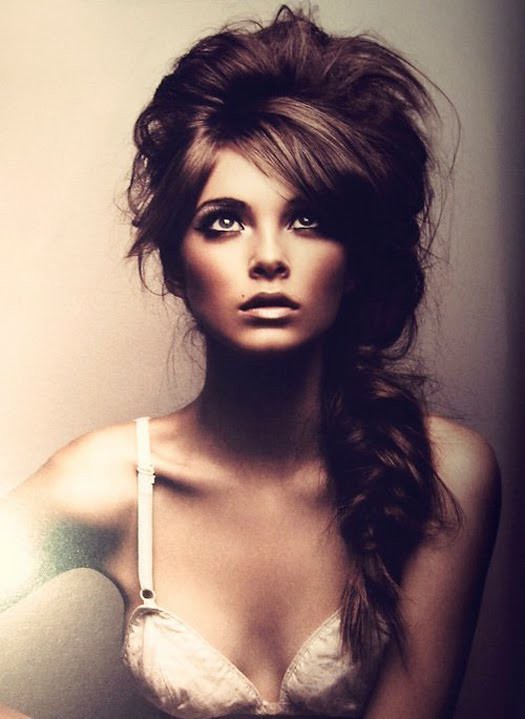
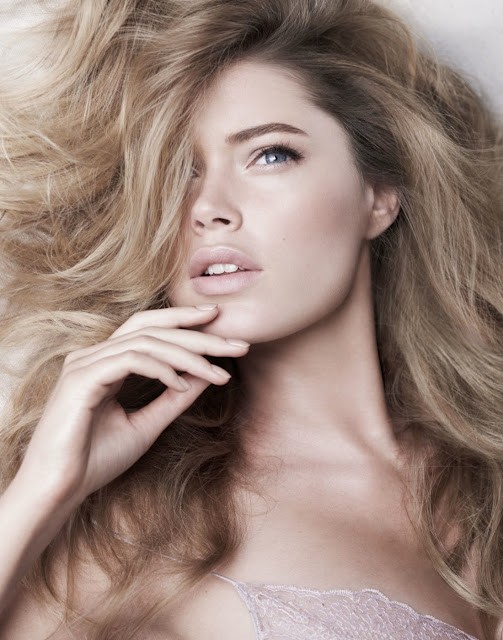
Hair and wardrobe quietly complete the picture in these examples. Soft waves, simple updos, and unfussy clothing keep attention on skin and expression. Heavy jewelry or dramatic styling can fight the “barely there” brief even when the makeup itself is restrained. Natural makeup is a whole-frame idea, not only a face chart.
Where the spell usually breaks
Too much powder in texture-prone areas. Mascara clumps that catch every bit of light. Contour stripes that refuse to blend. Lip liner that sits outside the natural border. Foundation that matches the face but not the neck. Each of these announces effort in the wrong way.
Another frequent miss is copying a reference photo under different light and undertone. A look that seems “nude” on one person can look gray or orange on another. Natural makeup is relative to the individual face. The examples here are invitations to observe ratios—how much color, how much shine, how much definition—not templates to photocopy product for product.
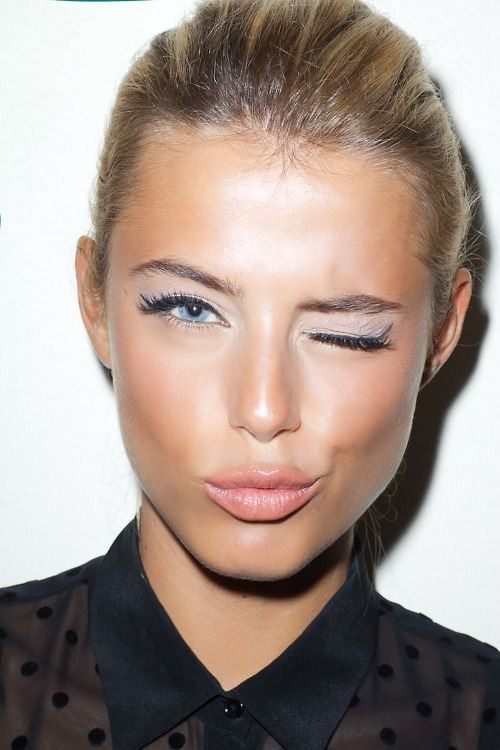
Photography itself can exaggerate. Close crops and high contrast can make sheer makeup look heavier than it did in the room. When you study these images, allow for that translation. Ask what the makeup was trying to do for the camera: even tone, open eyes, soft mouth, and a sense of ease. If a detail only works under a beauty dish, it may not travel to daylight life.
Everyday wear versus editorial “natural”
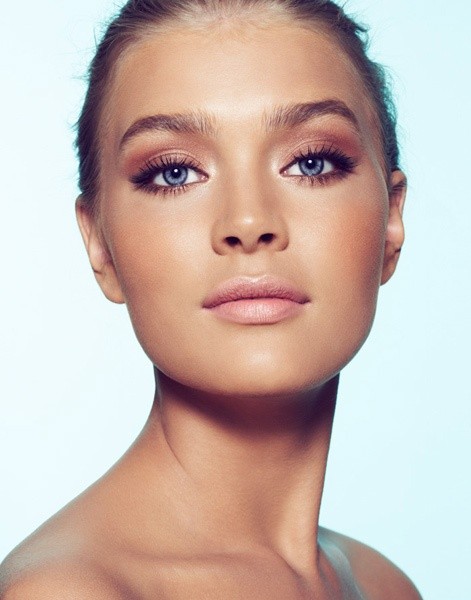
Some of these portraits lean editorial: skin is perfected just enough for a magazine crop, hair is arranged, and expression is directed. Others read closer to everyday wear—the kind of face you might see across a café table. Both count as natural when product logic stays the same: enhance, do not replace. The difference is usually intensity of finish and how much post-production the photograph received.
If you are building a personal routine from inspiration boards, decide which version you want. Editorial natural may include more highlight, tighter brows, and camera-ready lips. Daily natural may stop at tinted moisturizer, groomed brows, mascara, and a cheek-and-lip color shared from one product. Knowing the target prevents overbuilding a look that only made sense under studio light.
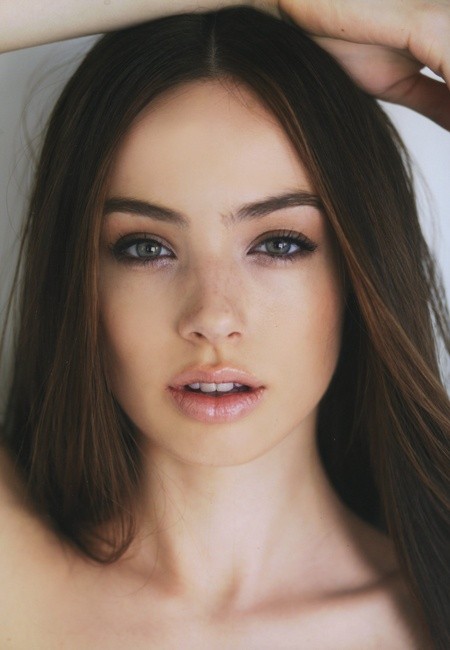
Choose one of the portraits above and reverse-engineer it in three moves only: even the skin where needed, define lashes and brows lightly, add one warm point of color on cheeks or lips. Stop there. Take a daylight photo. If the first thing you notice is product, remove something. If the first thing you notice is the person, you are closer to the idea these images keep demonstrating—that the best natural makeup disappears into the face it was made for.

Comments
Continue reading
Red, Dark, and Blonde Ombre Hair Styles
A style guide to ombre gradients—dark bases, blonde fades, and red-copper melts—with gallery examples, contrast tips, and a clear salon brief.
Elegant Updo Hairstyles: Braids, Buns, and Soft Coils
Polished updos that stay wearable—braided structure, low knots, texture tips, and how to match the silhouette to neckline and occasion without looking overdone.
Very French Chignon: Hairstyle Examples and How-To
What makes a chignon French—nape placement, classic shapes, and a practical guide to sleek, braided, and messy summer versions.