
Red, Dark, and Blonde Ombre Hair Styles
A style guide to ombre gradients—dark bases, blonde fades, and red-copper melts—with gallery examples, contrast tips, and a clear salon brief.
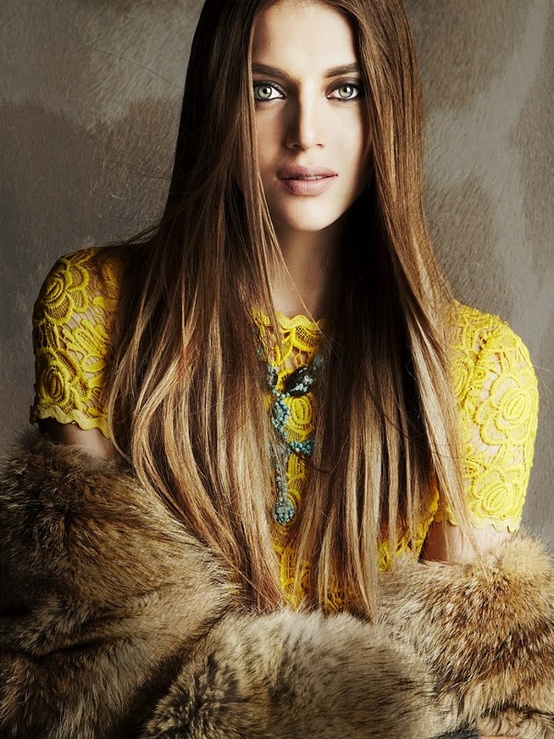
Ombre hair is a gradient: deeper color near the roots, lighter lengths toward the ends, with a blended middle that should look grown rather than striped. The idea is older than the word’s viral years—sunkissed ends and soft grow-out have always existed—but modern color work made deliberate root-to-tip fades a style category of their own. Red, dark brown or black, and blonde each behave differently in an ombre, which is why the same technique can look romantic, graphic, or quietly expensive depending on the palette.
This page is a style guide built around a gallery of examples. Use the images as references for placement of the lightest point, how hard or soft the transition sits, and how ombre pairs with cuts—long layers, blunt ends, waves, and straight falls. The goal is not to copy one photo exactly; it is to recognize which version of the fade matches your contrast level, maintenance tolerance, and wardrobe.
Ombre versus balayage versus sombré
People mix the terms. Ombre usually means a more horizontal shift from dark to light as you move down the hair. Balayage is a hand-painted method that can create ombre-like results with more irregular, hair-by-hair lightness. Sombré is a subtler, softer ombre with less contrast. If you want a clear “two-zone” look for photographs, classic ombre reads strongly. If you want dimension that still photographs as one overall color story, ask for a softer melt or balayage-driven ombre.
Maintenance differs. High-contrast blonde ombre on dark roots needs occasional glossing and end care, but it often grows out more gracefully than all-over bleach because the roots are meant to be deep. Red ombres can fade oddly—warm lengths may shift coral or brassy—so color-depositing care matters. Dark-to-darker soft ombres are the lowest drama: polish and trim keep them looking intentional.
Reading the gallery
As you move through the examples, notice three things: where the light begins (cheekbone, jaw, clavicle length), how wide the mid-blend is, and whether the ends are icy, golden, copper, or caramel. Those three decisions change the mood more than any product name.
#1
#2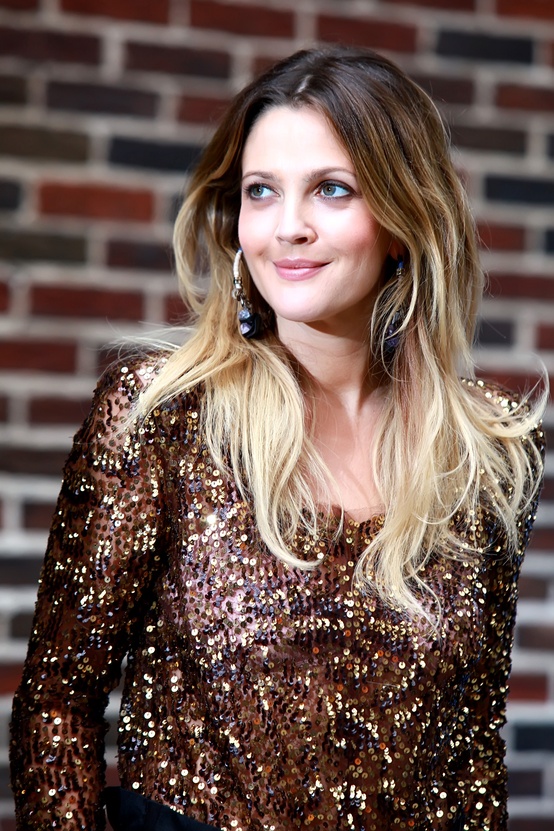
#3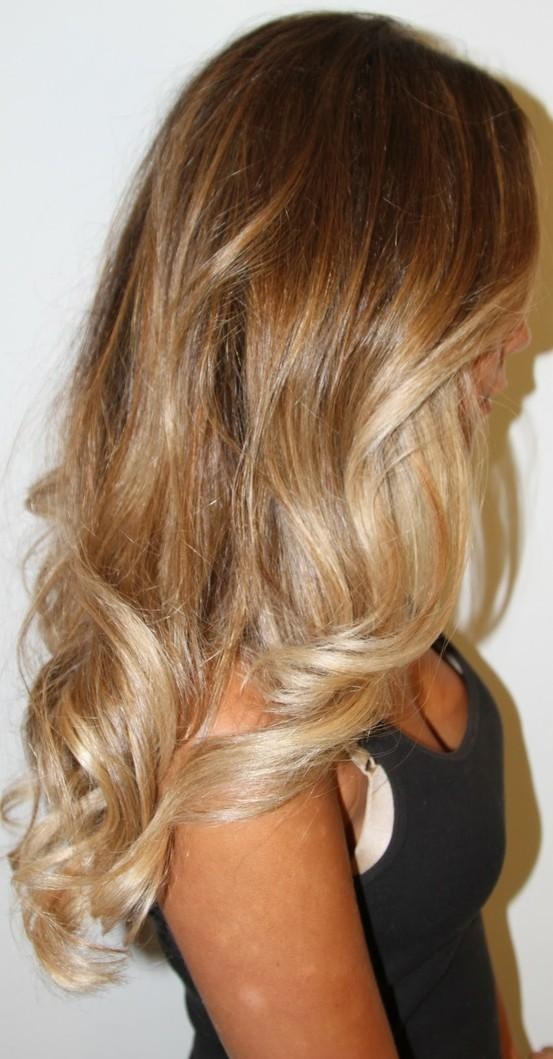
Dark bases: brown and black
Dark roots give ombre its architectural contrast. On near-black hair, even a modest lift at the ends can look dramatic under daylight. Caramel, espresso-to-honey, and chocolate-to-latte fades flatter many skin tones because the root stays rich while the lengths catch light. If your natural color is already dark, you may only need the mid-lengths and ends lightened—less chemical load than a full head of highlights.
Watch for banding: a hard line where dark stops and light begins. A skilled melt uses foils, balayage strokes, or both to stagger the boundary. At home, you cannot easily fix a harsh band without more color work, so err toward softness when describing what you want. Bring photos that show blend width, not only end color.
#4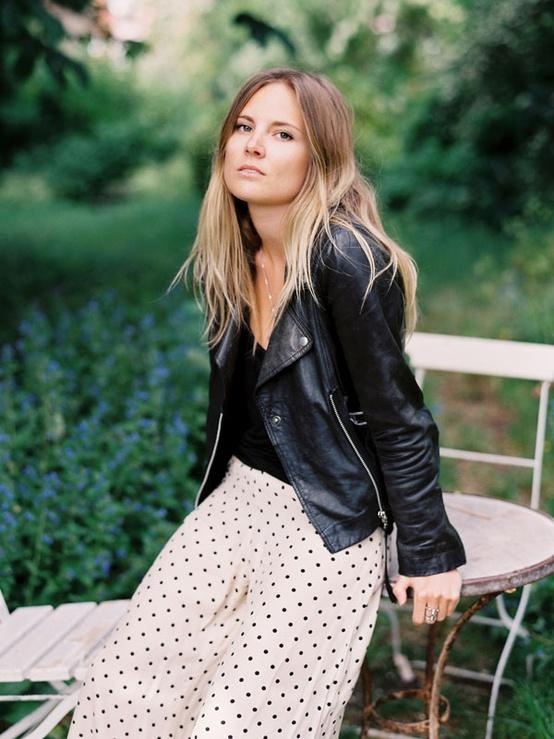
#5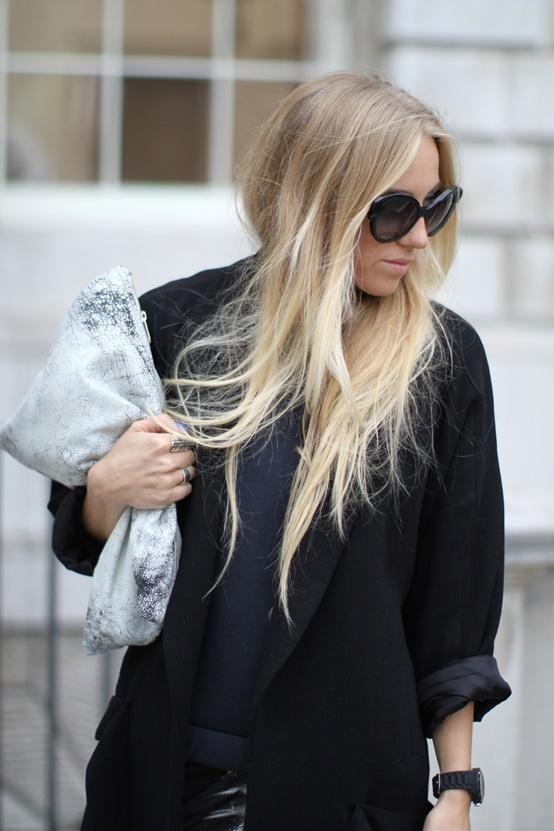
#6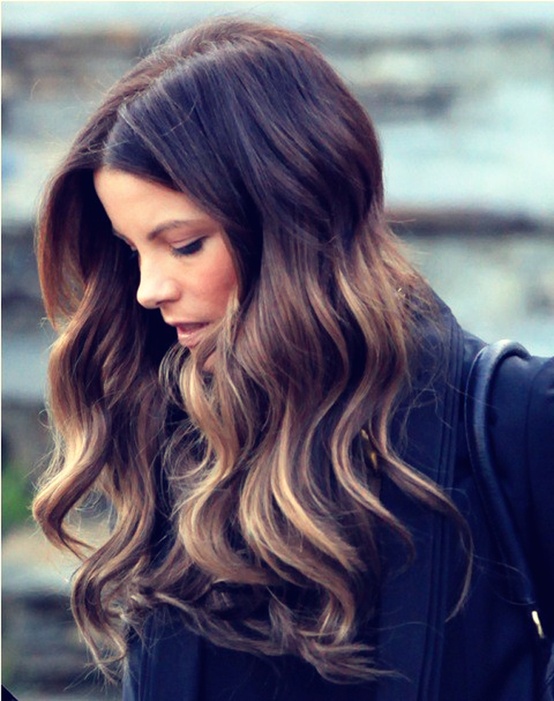
Blonde ombres
Blonde ends on darker roots remain the most requested ombre story. They can look beachy with golden tones or sharper with cooler ash and beige. Cool blondes show brass quickly if the underlying pigment is not neutralized; warm blondes forgive sun and hard water more easily but may clash with very cool wardrobes. Ask your colorist about the target level at the ends and whether you want face-framing lightness higher than the back—many modern ombres lift slightly more around the face so the gradient frames features.
Long hair shows the fade best; short cuts can wear ombre too, but the transition zone shrinks and must be painted with more precision. Waves enhance blonde ombre because bends catch multiple tones at once. Stick-straight styling emphasizes the horizontal shift—beautiful when the melt is clean, less forgiving when it is not.
#7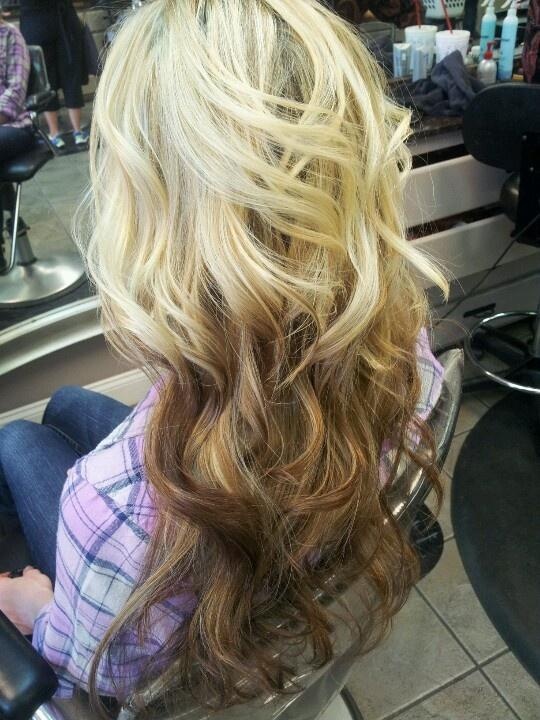
#8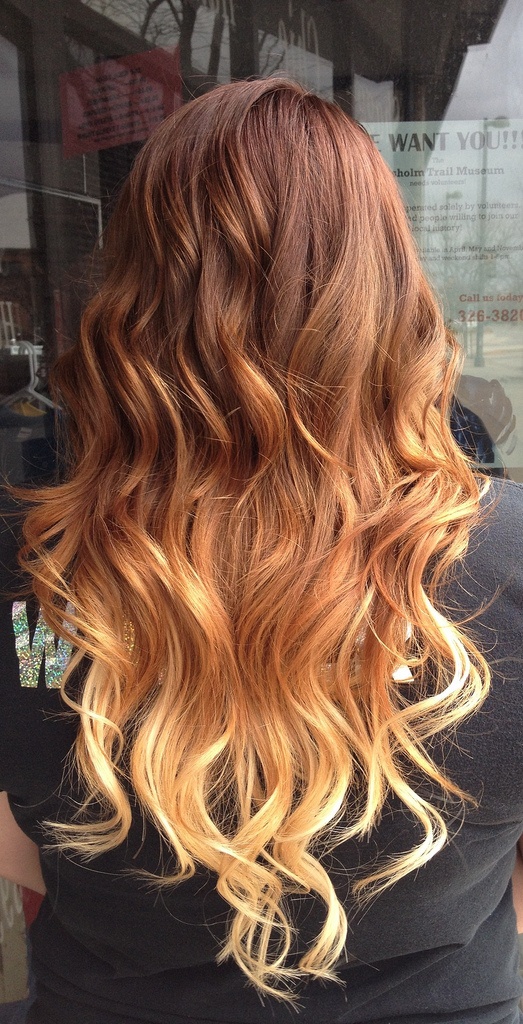
#9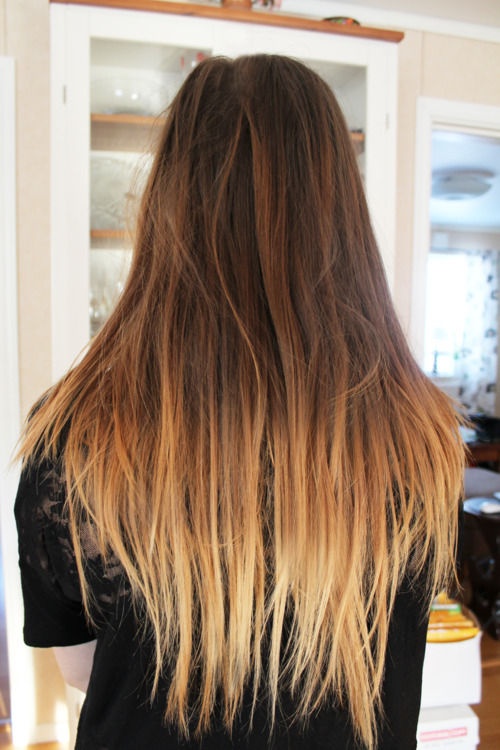
#10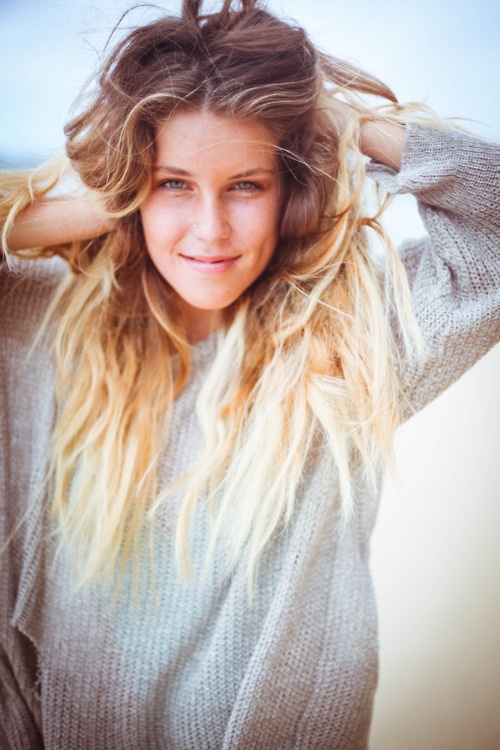
Red and copper ombres
Red ombre is a statement: ruby or auburn roots melting into copper, rose-gold, or lighter strawberry ends. Red pigment fades faster than brown, so plan on refreshing glosses. Between appointments, color-depositing conditioners in copper or red tones keep the mid-lengths from turning dull peach. If your natural hair is cool brown, a red ombre may need a richer base first so the fade does not look accidental.
Copper-to-blonde tips can photograph like firelight; deeper garnet-to-amber reads more editorial. Match intensity to how much attention you want the hair to take in a room. Makeup shifts too—warm blush and lip tones usually sit more comfortably beside red fades than very pink cool glam, though personal style can break that guideline.
#11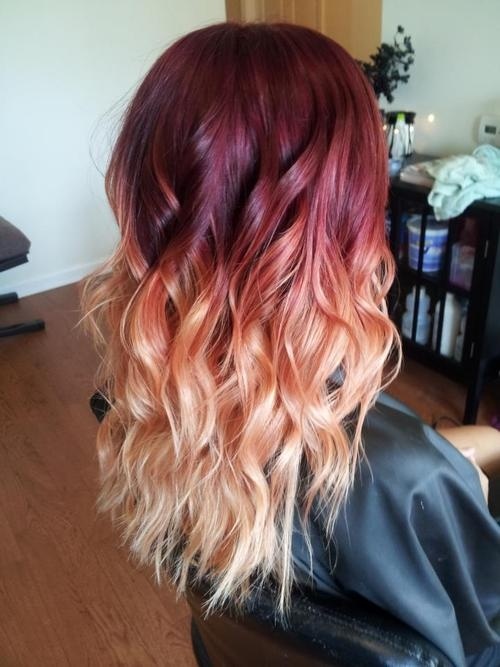
#12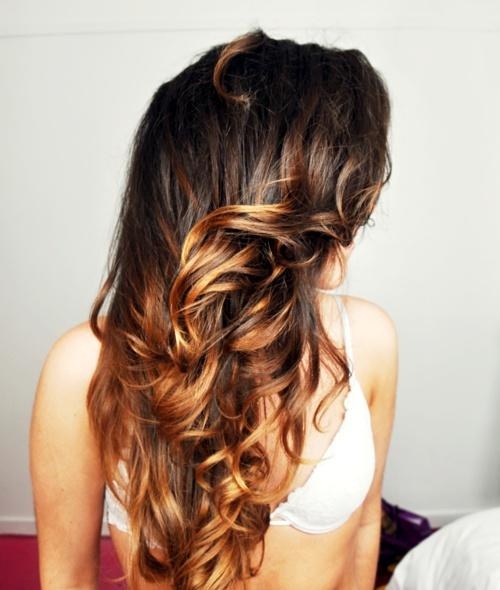
#13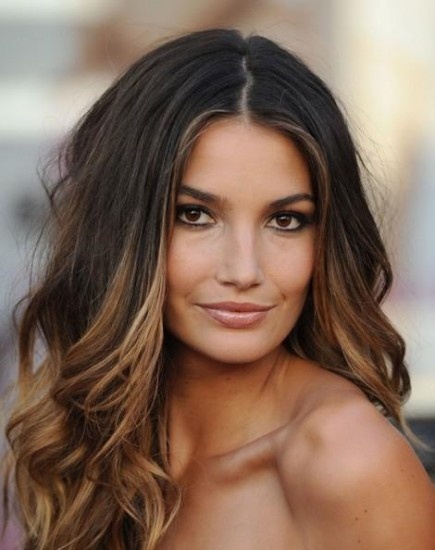
Cut, texture, and styling that flatter the fade
Layers help ombre move. Without layers, a heavy one-length cut can make the color change look like a block. Soft ends and face pieces let lighter tips flicker in and out of view. Curly hair already has tonal variation from light reflection; ombre on curls should respect curl families so lighter ends are distributed through the shape rather than parked only on the bottom two inches.
Heat styling: use protection, especially on lightened ends. Blonde and red lengths are more porous and thirsty. A weekly mask on the bottom half only (roots can get oily if you treat the whole head the same) keeps the gradient looking glossy rather than frayed. Dry shampoo at the root maintains the dark zone’s richness between washes without coating the lightened ends.
#14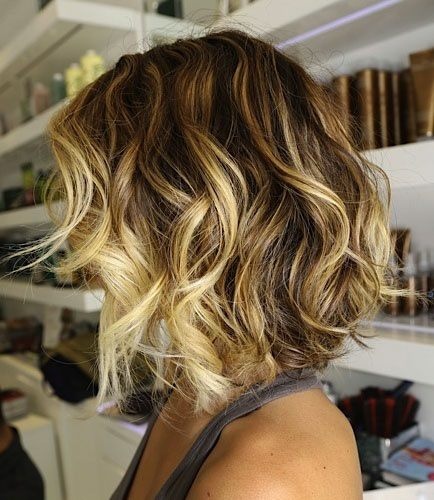
#15
#16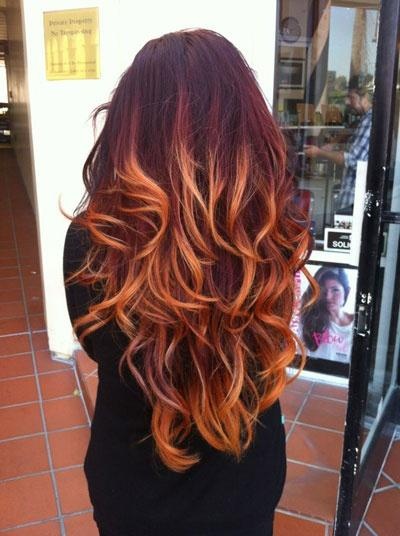
#17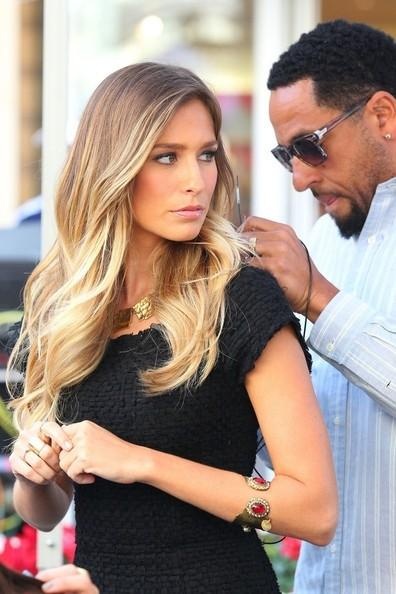
Choosing your contrast level
Low contrast: one or two levels of lift—quiet, professional, grow-out friendly. Medium contrast: the classic magazine ombre, clearly lighter ends without shock. High contrast: dark roots and pale blonde or vivid copper ends—editorial, higher upkeep, stunning in photos. Be honest about blow-dry time and budget for salon glosses. The best ombre is the one you still like in month four, not only on day one.
Skin undertone tips are guidelines, not laws. Golden and caramel ends often flatter warmer complexions; beige and ash melts can flatter cooler ones; reds and coppers love freckles and warm cheeks. When unsure, hold reference photos beside your face in daylight rather than store lighting.
#18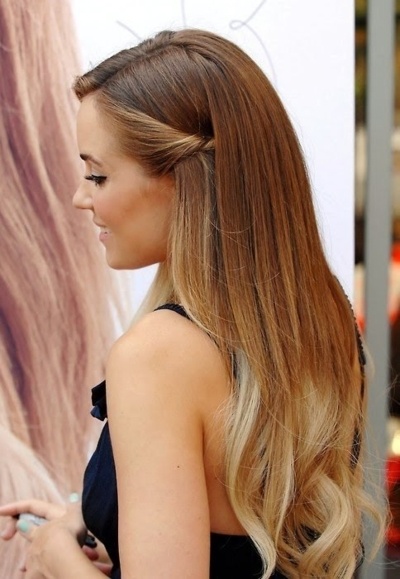
#19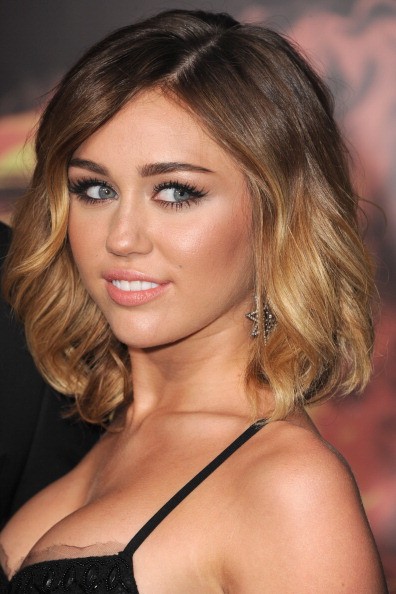
#20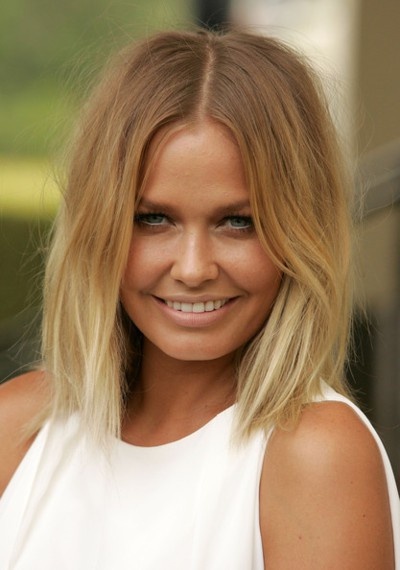
#21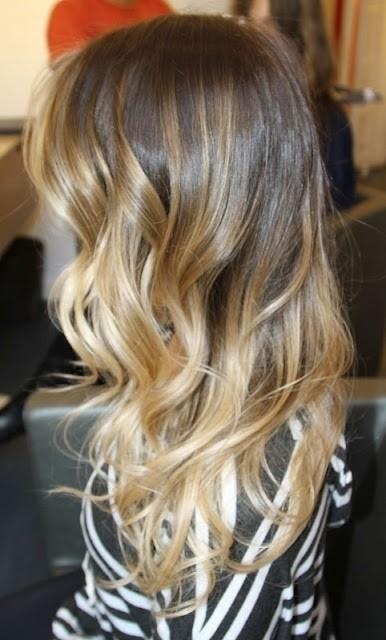
#22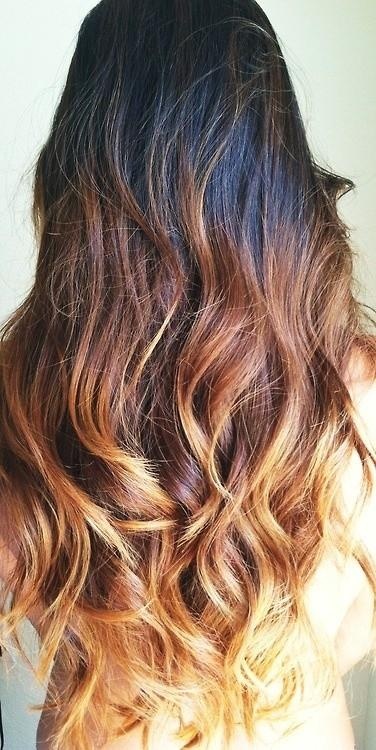
Salon brief you can actually use
Bring two or three images from a set like this and say what you want copied: “soft melt starting around the jaw,” “golden ends not ash,” “keep my natural root,” “less contrast than photo 8.” Mention previous color, how often you wash, and whether you straighten daily. Ask about bond-building during lightening and a home routine for the porous ends. Leave with a realistic refresh timeline—especially for red and pale blonde finishes.
If you are growing out old color, ombre can be a strategic bridge: keep roots natural, beautify the mid and ends, trim damage, and revisit in a season. That path often looks more deliberate than fighting a harsh demarkation line every four weeks.
Save one favorite dark example, one blonde, and one red from the gallery before your appointment. Walking in with a tiny curated trio beats scrolling fifty tabs in the chair—and it keeps the conversation on placement and tone rather than on whatever trend thumbnail loads first.

Comments
Continue reading
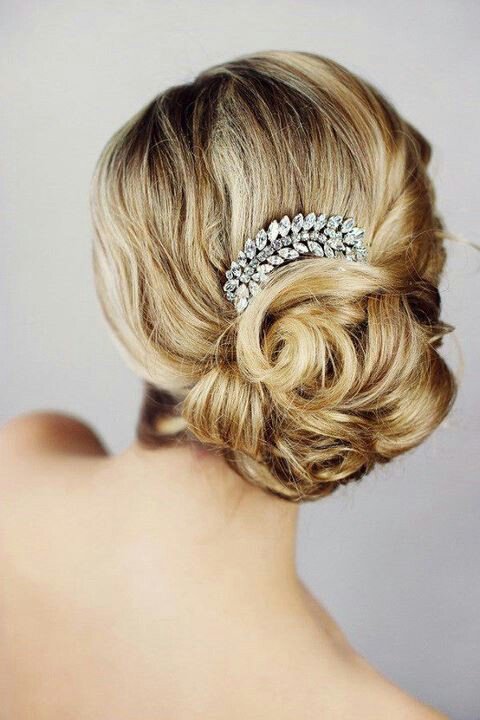
Very French Chignon: Hairstyle Examples and How-To
What makes a chignon French—nape placement, classic shapes, and a practical guide to sleek, braided, and messy summer versions.
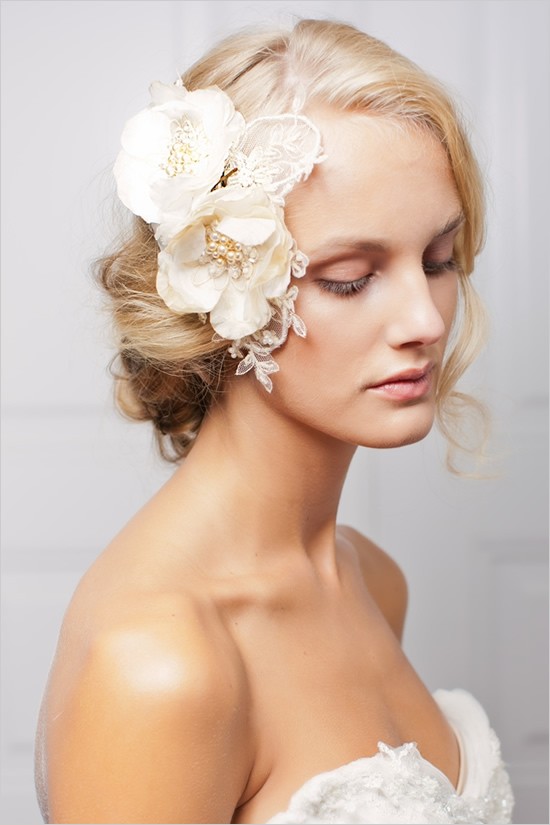
Wedding Hair Ideas That Last the Day
Updos, waves, braids, and veil placement—bridal hair inspiration paired with dress, venue, and trial checklist criteria so the style survives ceremony to dance floor.
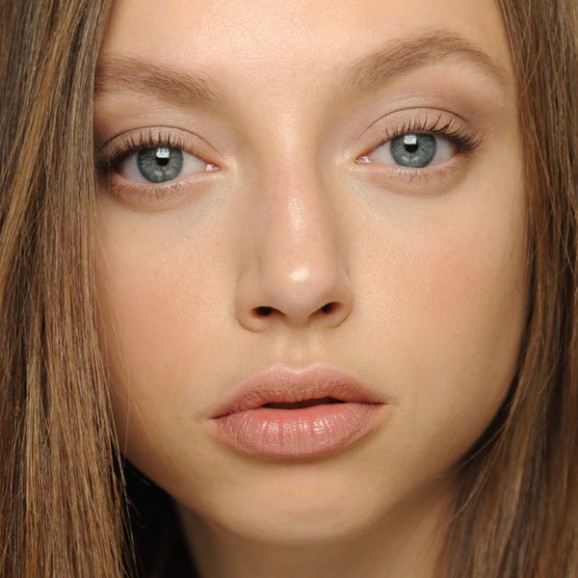
Natural Makeup Examples: When the Look Is Soft, Sheer, and Believable
A gallery-led guide to natural “no makeup” looks—skin that still looks like skin, quiet color, and technique that keeps the person ahead of the product.