
Sink and Faucet Design Ideas for Kitchens and Baths
From vessel basins to gooseneck and wall-mount faucets, a practical guide to choosing sink and faucet designs that fit how you use the room.
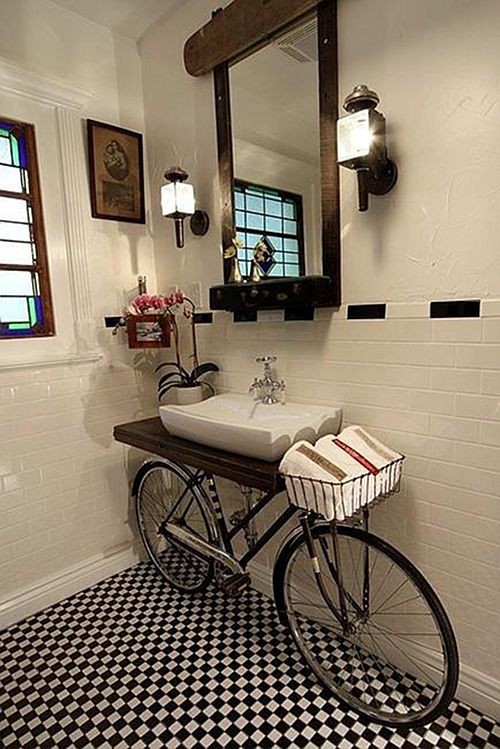
Sinks and faucets do more work than almost any other fixtures in a home, yet they are often chosen last—after tile, paint, and cabinets have already set the mood. That order is backwards. The basin and the spout sit in your eyeline every day. Their shape, finish, and proportions decide whether a kitchen feels calm or cluttered, whether a bathroom feels spa-like or purely utilitarian. Below is a guide to different sink and faucet designs for kitchens and baths, with ideas for matching form to how you actually use water.
Start with how the room works
Before you fall for a sculptural vessel sink or a towering bridge faucet, ask practical questions. How many people use this sink at once? Do you wash large pans, or mostly rinse coffee cups? Is the bathroom a powder room for guests, or a family bath that sees toothpaste, hair dye, and wet towels every morning? Design choices that look brilliant in a photo can fail in daily use if the bowl is too shallow, the spout too short, or the handles too fussy to clean.
Also consider the counter. A sink that drops into a thick stone slab reads differently from one that mounts under a thin laminate. Faucet holes must match the deck or wall you already have—or you must be willing to cut new ones. Remodels that ignore plumbing rough-ins become expensive very quickly.
Vessel, undermount, and apron-front sinks
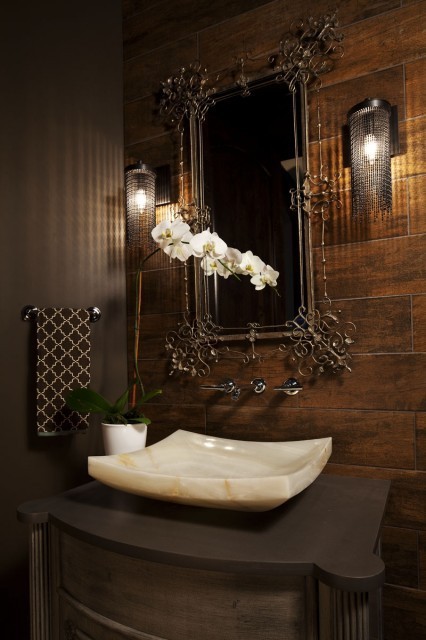
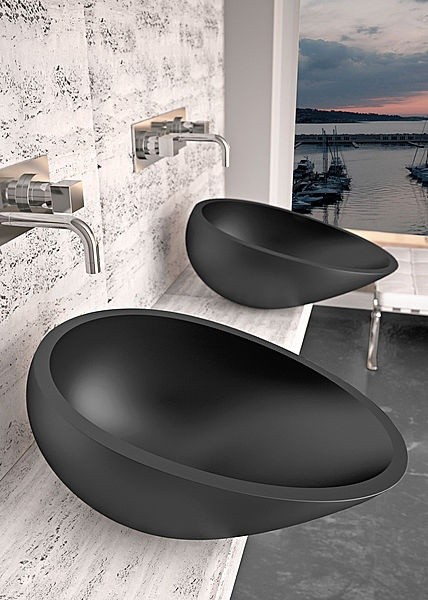
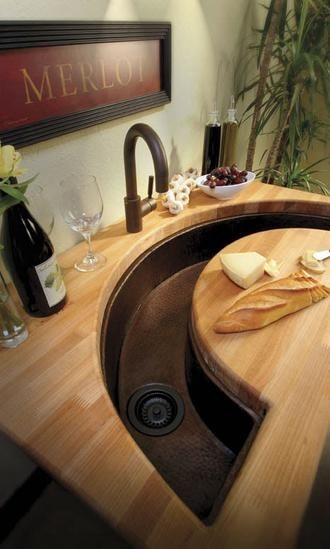
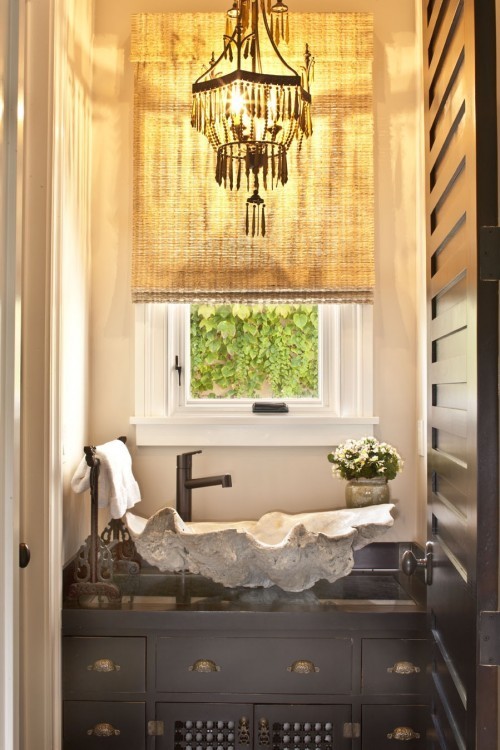
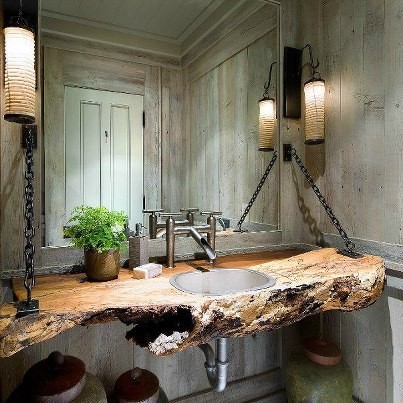
Vessel sinks sit on top of the counter like a bowl. They make a strong visual statement and can turn a small powder room into a gallery moment. The trade-offs are splash control and height: you need a taller faucet, and water can travel farther when it hits the basin. Undermount sinks tuck under the counter for a clean wipe-down—popular in kitchens and contemporary baths because crumbs and toothpaste wipe straight into the bowl.
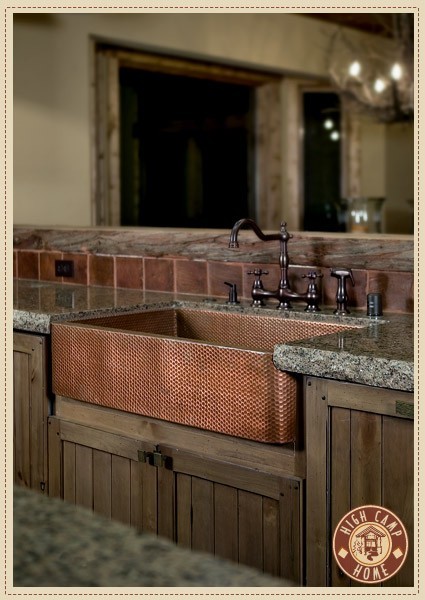
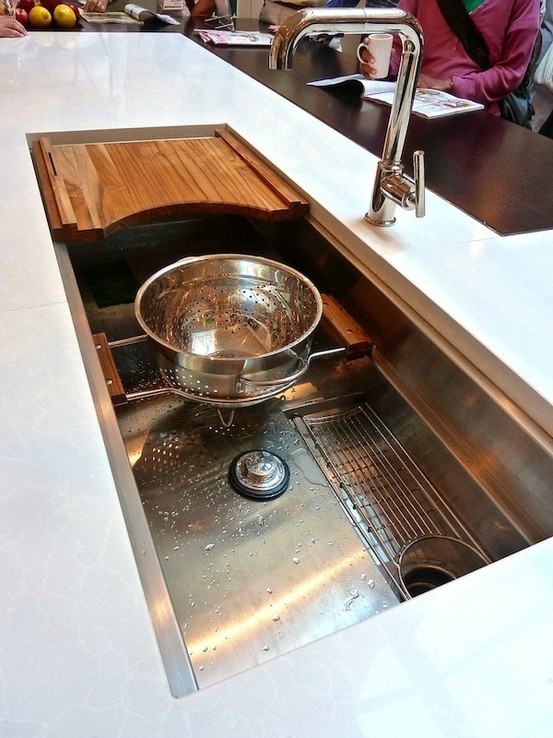
Apron-front (farmhouse) sinks bring a deep, exposed front panel into the kitchen. They are generous for soaking pans and visually anchor a work zone. They also demand careful cabinetry support and a faucet with enough reach and height to clear the tall rim. Pedestal and console sinks free floor space in tight baths and suit traditional or transitional rooms, though storage has to live elsewhere.
Materials that change the mood
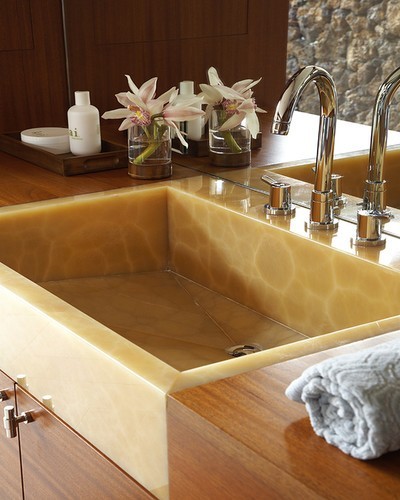
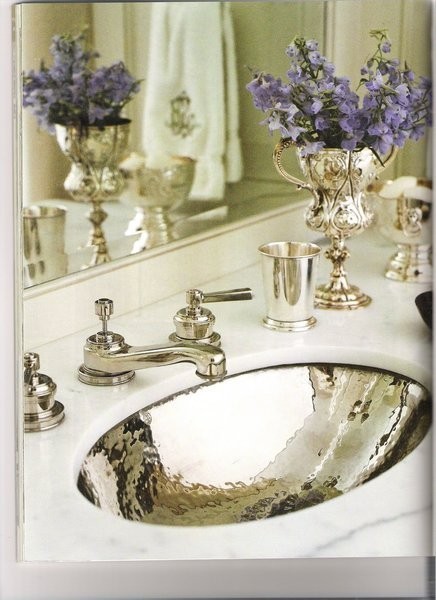
White vitreous china remains the bathroom default because it cleans easily and reflects light. Fireclay and glazed ceramic give apron sinks their classic heft. Stainless steel dominates kitchens for durability and heat resistance; brushed finishes hide scratches better than mirror polish. Stone composite and quartz-composite basins offer color options and a quieter sound when water hits. Copper and brass age into living finishes—beautiful if you like patina, distracting if you want a forever-bright look.
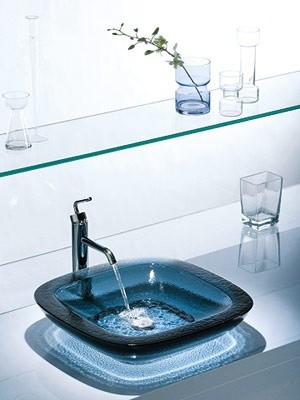
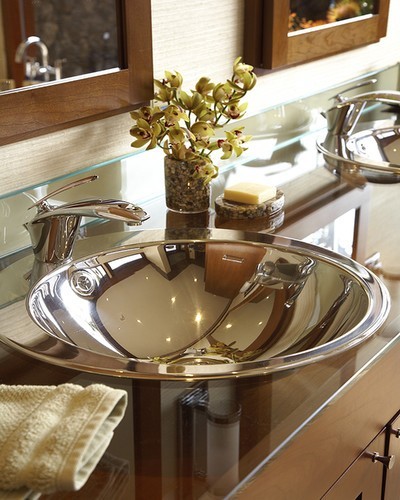
Glass vessel sinks amplify light and color but show water spots. Concrete and cast stone feel architectural and solid; they need sealing and careful weight planning. Match material personality to the room: a polished chrome faucet on a raw concrete sink can look intentional; the same chrome on a rustic copper basin may fight the story.
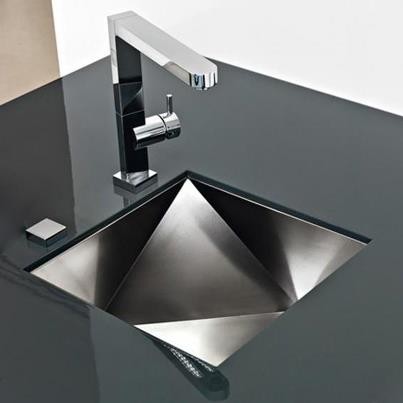
Faucet silhouettes: gooseneck, bridge, wall-mount, and more
A gooseneck or high-arc faucet gives clearance for tall pots and large hands—kitchen favorites for a reason. Low-arc spouts suit shallow sinks and controlled splash zones. Bridge faucets, with a connecting bar between handles, lean traditional or industrial depending on finish. Wall-mounted faucets free the deck entirely and create a hotel-spa feeling, but they require precise plumbing in the wall and careful alignment with the basin center.
Single-handle mixers are fast and easy for soapy hands. Widespread sets (separate handles and spout) look formal and give finer temperature control. Pull-down and pull-out sprays add function in kitchens; in baths, a simple aerated stream is usually enough. Touch or sensor faucets reduce fingerprint marks on polished finishes—useful in powder rooms that see many guests.
Proportion: the invisible design rule
The most common design mistake is a mismatch of scale. A tiny spout over a wide double kitchen sink leaves dry corners and awkward reach. A massive rain-like faucet over a petite powder-room vessel overwhelms the room. Aim for the water stream to land near the center of the bowl, not on the back rim. Leave enough air between spout and basin for washing hands or filling a pot without contortions.
Handles need clearance from backsplash and soap dispensers. If you love a sculptural lever, make sure it can move through its full range without hitting tile. In kitchens, consider where the dishwasher and trash sit relative to the faucet—your dominant hand will thank you.
Finishes and how they age
Chrome is bright, familiar, and shows water spots. Brushed nickel and stainless soften reflections and hide fingerprints better. Matte black can look sharp in modern rooms but reveals dust and mineral residue; plan on regular wiping. Unlacquered brass and bronze change color with time and touch—choose them only if you enjoy that evolution.
Mixing finishes is allowed if you repeat a cue elsewhere: black faucet with black cabinet pulls, brass spout with warm lighting. Random mixing without a link tends to look accidental. Whatever finish you choose, buy sink, faucet, and drain hardware as a coordinated set when possible so undertones match.
Kitchen versus bathroom priorities
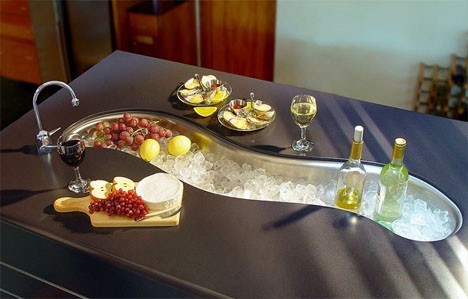
Kitchen sinks earn their keep through capacity, durability, and spray function. Double bowls help separate washing and rinsing; a single large bowl favors roasting pans and baking sheets. Sound-dampening pads under steel sinks reduce the drum effect. In bathrooms, the priorities shift toward silhouette, ease of cleaning, and how the fixture sits with mirror and lighting. A powder room can afford a dramatic vessel. A kids’ bath usually wants a simple undermount and a faucet that is hard to break and easy to reach.
Accessibility deserves a real seat at the table. Lever handles beat tiny cross handles for arthritic hands. Clear knee space under wall-hung or pedestal sinks helps wheelchair users. Anti-scald valves matter wherever children or older adults turn the tap.
A short selection checklist
Measure the cabinet and counter opening before you shop. Confirm how many faucet holes you have—or whether you will drill or patch. Match spout height to sink type: vessels need taller faucets; undermounts are more forgiving. Test handle feel in a showroom if you can; online photos hide stiffness and awkward reach. Read warranty language on finish and ceramic cartridges. Finally, think about tomorrow morning: will you still like wiping this shape after coffee, or will every curve become a chore?
When the sink and faucet agree on scale, finish, and purpose, the whole room settles. Water stops being a hassle and becomes part of the architecture—quiet, useful, and worth looking at twice.

Comments
Continue reading
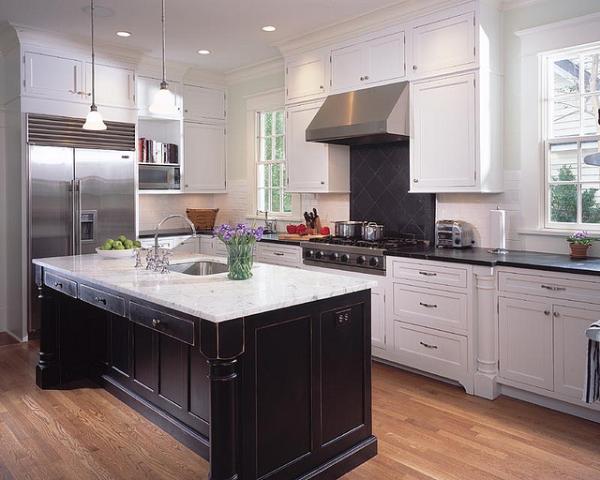
Kitchen Design Ideas: Layout, Storage, Light, and Finishes That Work
Practical kitchen design ideas—work zones, cabinetry, lighting, and durable finishes—so inspiration translates into rooms that cook and gather well.
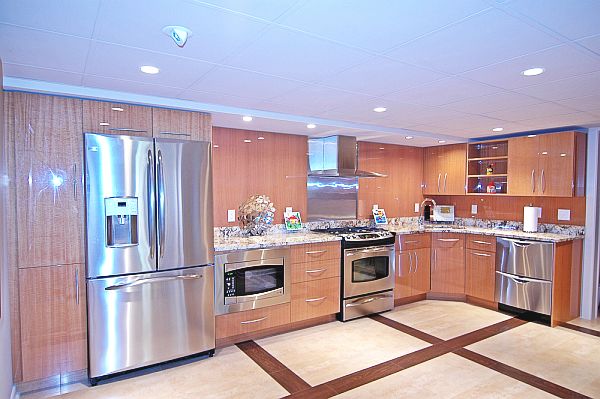
18 Kitchen Design Ideas: Gloss Cabinets, Smart Layouts, and Practical Finishes
Eighteen kitchen design directions—from high-gloss wood-look cabinetry and stainless suites to islands, pantries, lighting, and backsplash strategies—anchored by the surviving gallery photo.
Magnificent Stained-Glass Windows: Color Built Into Daylight
A contemplative gallery of stained-glass windows—craft, sacred and civic storytelling, and how pot-metal color turns architecture into living light.