
Celebrity Airport Outfits
How transit-day celebrity style became its own fashion beat—layers, sneakers, sunglasses, and the early-2010s uniform between curb and gate.
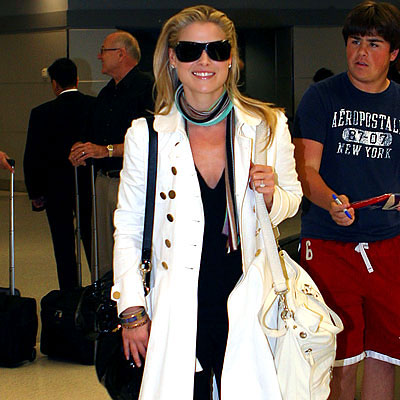
Airport terminals are odd runways. There is no seating chart for the audience, yet the audience arrives with cameras. For more than a decade—especially through the late 2000s and early 2010s—celebrity airport outfits became their own fashion beat: not red-carpet armor, not gym anonymity, but a third costume designed for motion, recognition, and the long hallway between curb and gate.
The photograph above sits in that tradition. Files from the era often tagged actress Ali Larter among the frequent LAX and regional-terminal sightings that fed style blogs. Whether any single frame is a premiere-night leftover or a true travel uniform, the genre rules are consistent. Comfort has to look intentional. Identity has to survive fluorescent light. And the outfit has to survive being cropped into a square for a roundup titled, simply, celebrity airport outfits.
Why airports became a style stage
Red carpets are negotiated. Airports are opportunistic. Paparazzi and fan photographers learned that travel days produce reliable sightings: same doors, same sidewalks, predictable timing around film junkets and awards seasons. Celebrities learned the reverse lesson. If you will be photographed between security and the lounge, the hoodie is no longer invisible. It is a look.
By 2012, the conversation had settled into a recognizable vocabulary. Oversized sunglasses did double duty as glare control and privacy screen. Baseball caps and beanies compressed hair days into silhouettes. Leggings, slim jeans, and later track pants promised hours of sitting without a tailor’s revenge. Structured bags—totes, duffels, backpacks with designer hardware—signaled that “casual” still had a price tier. Sneakers won more often than heels, though a surprising number of stars still risked boots with a heel for the short walk that cameras cared about.
Fashion media treated these images as democratic aspirational content. Readers could not borrow a gown from a stylist’s rack, but they could copy sunglasses-plus-neutral-layers. The airport look sold the fantasy of proximity: same fluorescent hallway, similar uniform, different itinerary.
The early-2010s uniform, piece by piece
Layers that survive climate shock. Planes are cold; curbside can be hot; jet bridges are neither. The durable airport outfit stacks a light base (tee, thin knit) under a jacket you can shed—leather, denim, bomber, or a soft blazer. Actresses photographed in that period often split the difference between street edge and polish: a tailored jacket over something stretchy, so the body reads dressed even when the plan is sleep.
Bottoms that forgive. Skinny jeans dominated the turn of the decade; leather leggings and coated denim showed up when the brief was “noticed without a gown.” Flared jeans and easier wide legs returned as counter-programming. The through-line was movement. If you cannot climb stairs while rolling a suitcase, the photograph may still look good, but the day will not.
Shoes as logistics. Security theater shaped footwear more than mood boards admitted. Slip-on sneakers, ballet flats, and clean low-tops reduced the shoe-bin ballet. When boots appeared, they were often already unlaced in spirit—fashion that anticipated the tray.
Accessories as armor. Dark lenses, headphones, a scarf that becomes a blanket, a hat that hides a washed face: these are not only trends. They are boundary tools. Jewelry stayed minimal in many travel frames, or went bold specifically to give editors a detail crop. Either strategy acknowledges the camera.
Ali Larter and the “off-duty but finished” lane
Ali Larter’s early-2010s street and travel photographs often sat in a lane fashion sites loved: preppy structure meeting a sharper texture—tweed or a crisp shirt against leather, denim with a clean sneaker, black-on-black when the day asked for less commentary. Airport frames of the period typically rewarded that balance. Too sloppy read as unstyled; too formal read as costume. The sweet spot looked like someone who might be recognized at the gate and still wanted to be comfortable in 14C.
That lane matters for this page’s intent. Celebrity airport style is not only about mega-spectacles—giant coats, statement tracksuits, logo walls of luggage. It is also about working actors and musicians who treat transit as an extension of public life without turning it into a premiere. The archived image here belongs to that quieter documentary of fame: the outfit built for repetition, not for one night.
What the photographs actually show
Look past the famous face for a moment. Airport pictures are full of practical tells. Rolling bags with scuffed corners. Boarding passes becoming phone screens. Coffee as a prop and a need. A second bag for the laptop that will not check. The fashion story and the logistics story share the frame.
Lighting is rarely flattering. Overhead fluorescents flatten skin and exaggerate black clothing into voids. Stars who consistently “win” airport photography often lean on shape and contrast: a pale knit under a dark jacket, a clean sneaker line, hair controlled enough to silhouette. Stylists know this. So do celebrities who have walked the same sidewalk fifty times.
There is also a gender script worth noticing. Women’s airport outfits historically carried a double bind—be comfortable, but remain “put together” enough for comment culture. Men’s travel uniforms got more permission to disappear into hoodies. That double bind fueled entire comment sections and, more usefully, a lot of clever layering. The best looks from the era solved comfort without surrendering silhouette.
How to steal the idea without the entourage
You do not need a stylist to borrow the logic:
- Choose one hero texture (leather, denim, ribbed knit) and keep the rest quiet.
- Wear shoes you can remove and replace without a struggle.
- Pack a layer that photographs as a jacket, not as a blanket with sleeves.
- Use sunglasses or a hat if you want a privacy threshold—even if nobody is famous around you, the boundary still works.
- Keep the color story to two or three notes so fluorescent light does not turn the outfit into visual noise.
Then edit for your actual day. A two-hour regional hop is not a transatlantic overnight. Celebrity airport outfits look coherent partly because they are repeated uniforms. Find your repeatable version and stop reinventing it at 5 a.m.
The genre after the first wave
Later years brought athleisure maximalism, luxury sweats, and the influencer suitcase haul. The core bargain remained. Public figures accept that travel is content; audiences accept that comfort can be styled. Roundups like this one—simple title, one or more transit-day frames—preserve an early chapter of that bargain, when the beat still felt novel and a single square crop could define a week’s “look of the day.”
If you return to the image at the top, ask a practical question instead of a gossip one: what in that outfit would still function after a delay, a sprint to a new gate, and a recycled-air nap? The answers that survive are the real grammar of celebrity airport style. Everything else is just the camera catching a famous person between destinations.

Comments
Continue reading
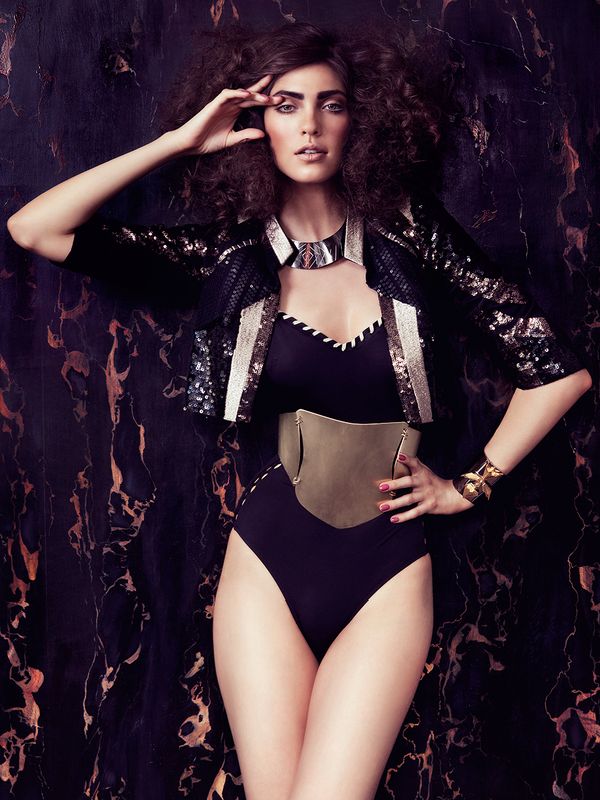
ELLE Bulgaria September 2012: Georgi Andinov’s Editorial
A historical look at ELLE Bulgaria’s September 2012 fashion story—Georgi Andinov’s photographs, the creative team, and how early-2010s magazine polish still reads.

Celebrity Eyeglasses as Fashion: Frames, Shapes, and Style Cues
A fashion look at how bold eyeglasses work on famous faces—acetate shapes, color, carpet and street styling—without gossip or lifestyle speculation.
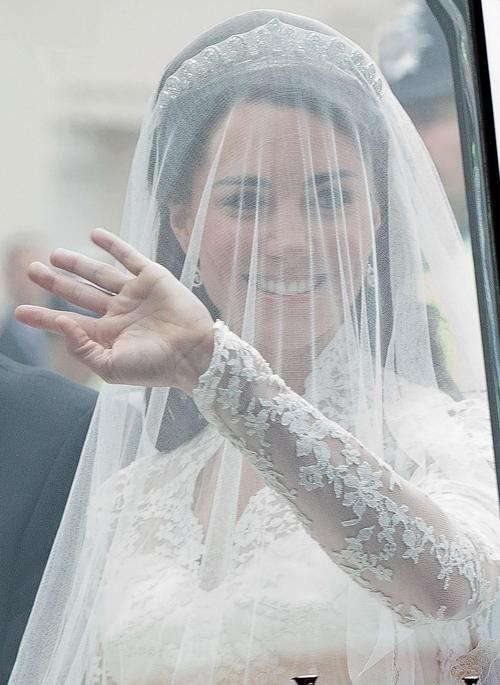
Adorable Kate Middleton Style: The Early Duchess-Era Lookbook
A historical look at the “Kate Middleton effect”—coat dresses, occasion polish, and the early Duchess of Cambridge wardrobe vocabulary—plus a gallery of outfit references.