
Style Icons Whose Looks Still Shape Fashion Memory
From Audrey Hepburn and Marilyn Monroe to Madonna, Princess Diana, and Michelle Obama—ten cultural style icons and what their images still teach.
Style icons are not simply people who dress well in photographs. They are figures whose clothes, posture, and public presence shifted what felt possible—or desirable—for everyone watching. Some did it on screen, some on stage, some in political life. The gallery below gathers ten women whose looks still circulate as shorthand for entire eras. The point is not a ranked contest; it is a respectful tour of how personal appearance can become cultural memory.
Fashion history is full of borrowing, marketing, and myth. These profiles stick to what each figure made visible: a silhouette, a habit of dressing, a moment that other people copied because it said something larger than fabric.
Michelle Obama
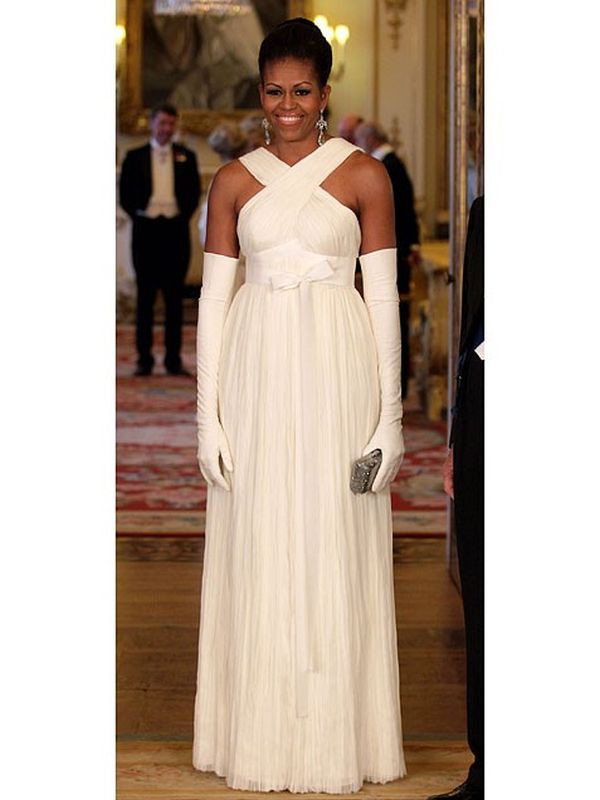
As First Lady of the United States, Michelle Obama treated formal dressing as both diplomacy and self-definition. State occasions called for gowns that photographed clearly across continents—clean lines, confident color, and tailoring that allowed her to move and greet rather than merely pose. Off the red-carpet calendar, she normalized mixing high fashion with accessible brands, which mattered in a role scrutinized for every hemline.
Her influence sits less in a single trademark garment and more in poise under attention: sleeveless dresses that refused apology, structured coats for daytime work, and evening looks that balanced tradition with modernity. The white formal gown look in this set—gloves, polished hair, unforced smile—shows how ceremonial dress can still feel inhabited by a person, not a mannequin.
Marilyn Monroe
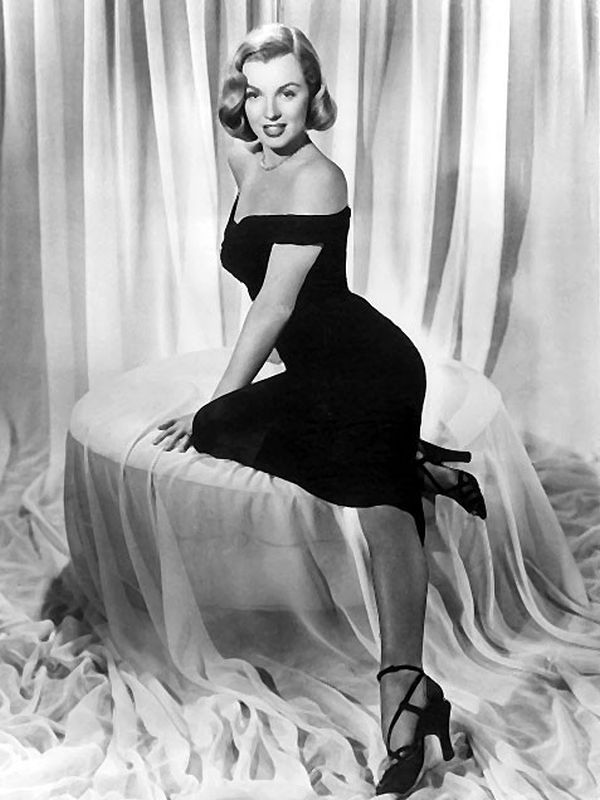
Marilyn Monroe remains one of the most reproduced images in twentieth-century popular culture. The blonde waves, arched brow, and hourglass dress are easy to parody; harder to dismiss is how completely she fused costume, camera, and persona. Studio portraits from the early 1950s—black dress, pale drapery, glance over the shoulder—taught generations what “glamour lighting” was supposed to do.
Monroe’s style legacy is complicated by the industry that packaged her, yet the visual vocabulary endures: the curve-conscious cocktail dress, the strategic shine of pale hair against dark fabric, the sense that a still photograph could behave like a performance. Later icons who play with blonde bombshell references are, knowingly or not, answering her silhouette.
Madonna
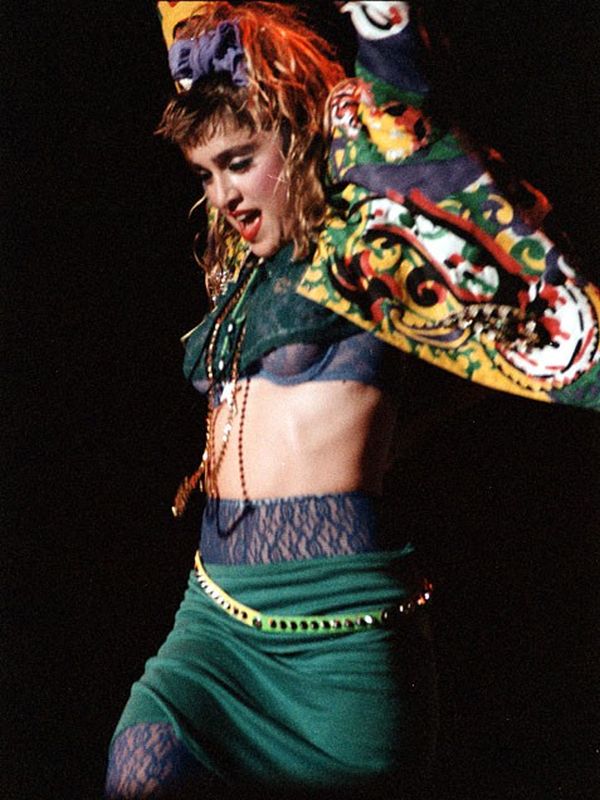
Few performers remade youth fashion as quickly as Madonna in the mid-1980s. Lace, mesh, visible lingerie as outerwear, stacked crucifixes, rubber bracelets, and a deliberately unfinished hairline moved from clubs and stages into suburban bedrooms. The look was not tidy elegance; it was collage—punk, dance culture, and Catholic imagery worn with theatrical nerve.
What made her a style icon rather than a one-tour costume was the habit of reinvention. Each album era proposed a new uniform, training audiences to expect change. The early “Boy Toy” vocabulary still stands as a template for how pop stars use clothing as narrative, and for how fans use thrift and DIY to approximate a stage myth on a student budget.
Katharine Hepburn
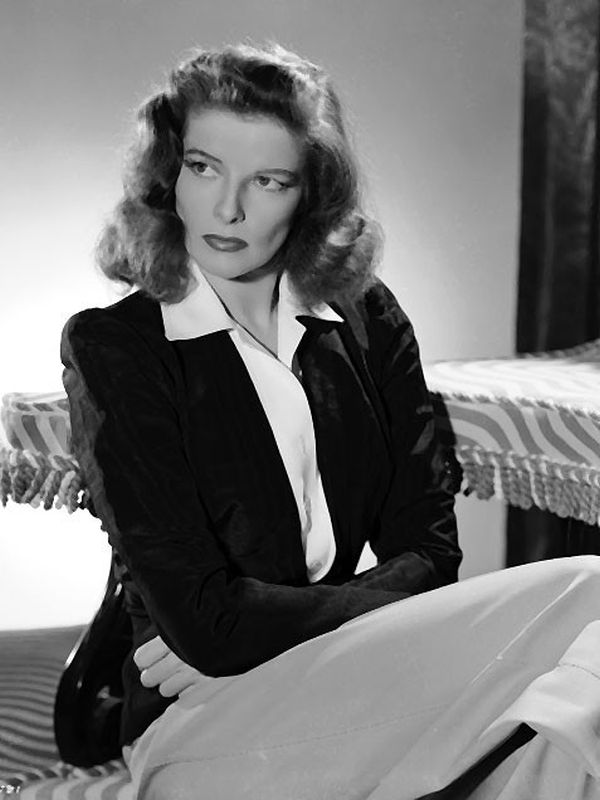
Katharine Hepburn helped normalize trousers and menswear tailoring for women at a time when studios and columnists often policed “appropriateness.” Wide-leg pants, crisp shirts, and jackets cut with authority were not costume for her; they were a working uniform that matched a public reputation for independence.
Her influence is visible whenever a woman chooses a suit for comfort and command rather than novelty. The black-and-white portraits—collar open, gaze angled away—read less like fashion plates and more like character studies. Style, in Hepburn’s case, was inseparable from the idea that a woman could look decisive without borrowing fragility as decoration.
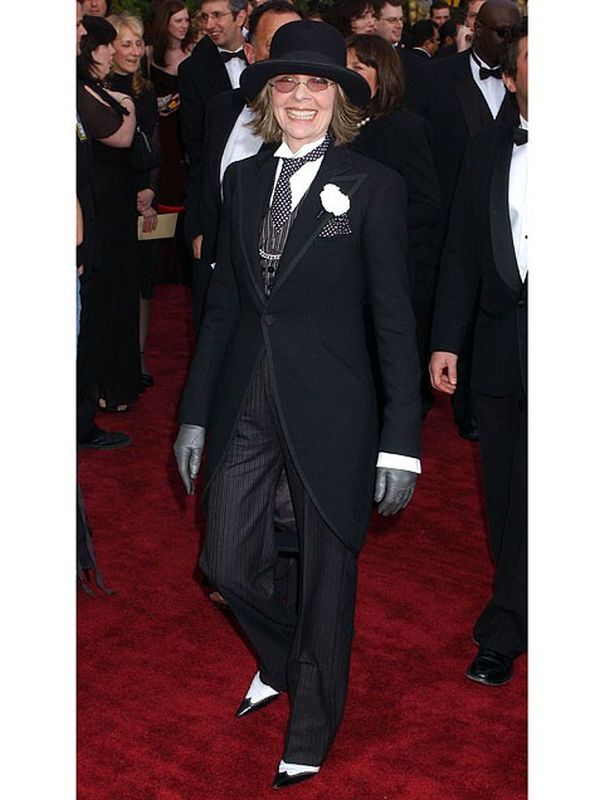
Diane Keaton
Diane Keaton translated androgynous dressing into a late-twentieth-century red-carpet language that still feels personal. Hats, ties, waistcoats, and oxfords—especially after Annie Hall—showed that charm could live in mismatched proportions and thrift-adjacent layering, not only in gowns.
On formal carpets she has often refused the default mermaid silhouette, arriving instead in morning-coat drama or pinstripe theater. The joy in those appearances matters: her style reads as chosen pleasure, not grim statement. Younger designers and actors who treat menswear as a playground rather than a joke are walking a path she kept visible for decades.
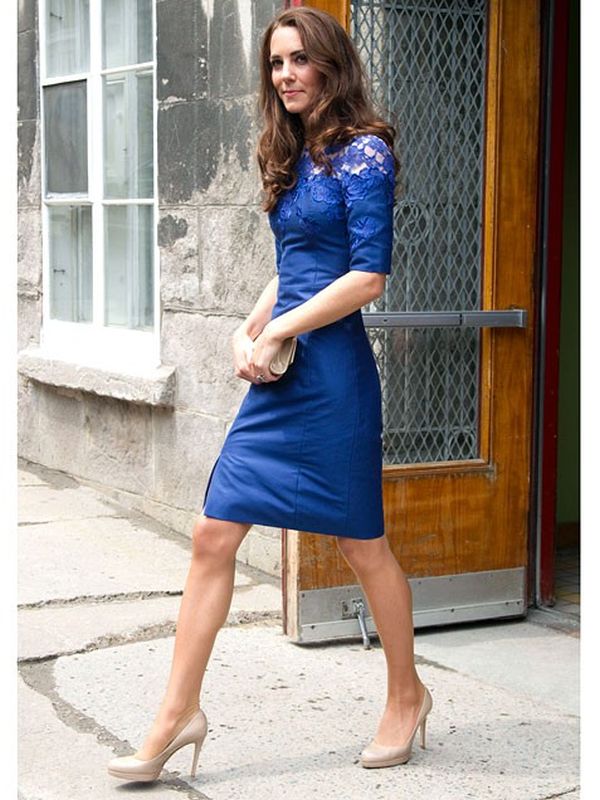
Catherine, Princess of Wales
Catherine’s public wardrobe is studied the way royal clothing has long been studied—for diplomacy, repetition, and the “rewear” ethic that treats garments as working tools. Tailored coats, midi dresses, and carefully chosen color for engagements create a recognizable template: polished, camera-ready, rarely chaotic.
A cobalt lace sheath with nude accessories, for example, shows how contemporary royal style often balances approachability with formality. Influence here is cumulative rather than explosive. Millions watch what she wears to a school visit or state occasion; retailers feel the echo. The icon status comes from consistency under permanent documentation.
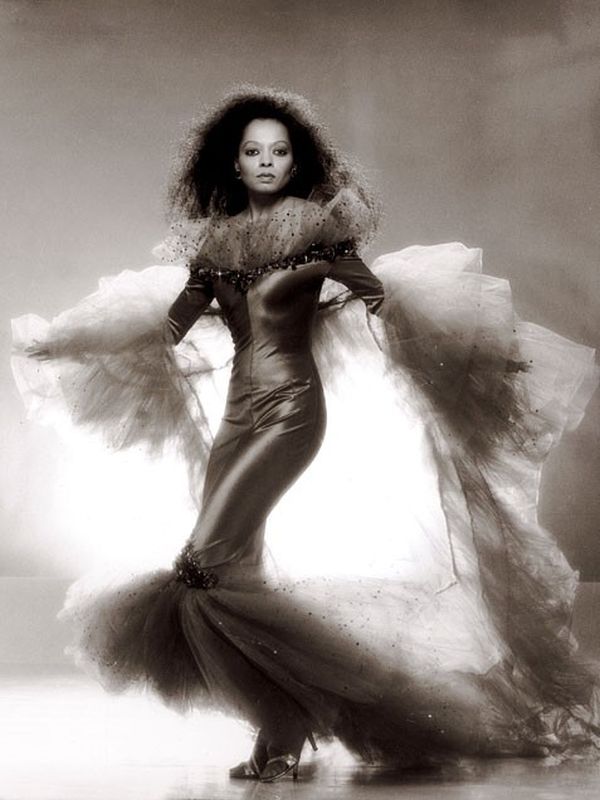
Diana Ross
Diana Ross brought theatrical scale to late-twentieth-century glamour: volumes of tulle, sequined structure, hair as silhouette, and poses that fill a frame edge to edge. Where some icons refine toward minimalism, Ross refined toward spectacle—the gown as stage even in a still studio.
That maximal language shaped how soul and pop stardom could look: not apologetic, not small. Designers and performers who chase “old Hollywood meets disco divinity” are often chasing a Ross proportion—fabric as weather system around a precise center.
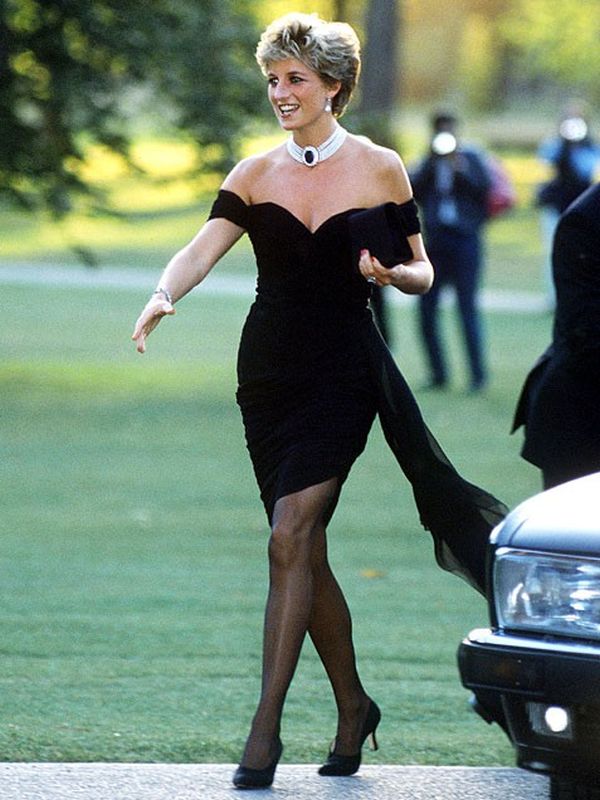
Princess Diana
Princess Diana’s fashion arc moved from romantic early royal dressing toward sharper, more self-directed eveningwear. The short black off-the-shoulder dress paired with a multi-strand pearl choker—widely remembered from a pivotal public appearance—became a symbol of control over image as much as of cut and fabric.
Her broader legacy includes soft pastels, cycling kits, and suits that photographed warmth. She demonstrated that royal visibility could include vulnerability and modernity without abandoning ceremony. Later public figures still quote her jewelry stacking, her strategic black dresses, and her willingness to let clothes speak when protocol constrained speech.
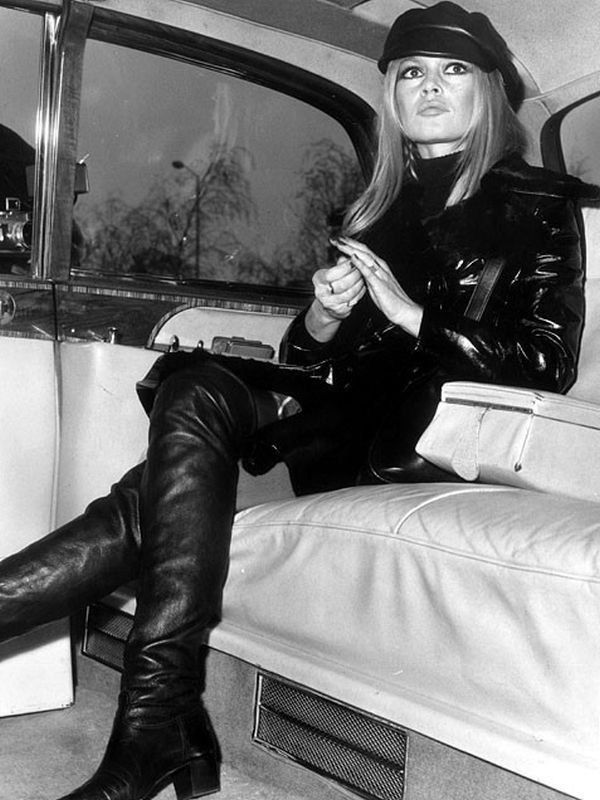
Brigitte Bardot
Brigitte Bardot’s off-duty language—messy blonde hair, ballet flats in earlier years, later leather, caps, and boots—helped export a French idea of sex appeal that looked unstudied even when cameras waited outside the car. The gamine and the rock-edged Bardot both entered fashion’s quote book.
Designers still chase “Bardot necklines” and the apparent ease of beauty that does not look overhandled. Respectful reading of her icon status means separating the marketed myth from the person, while still acknowledging how strongly those photographs trained the world’s eye.
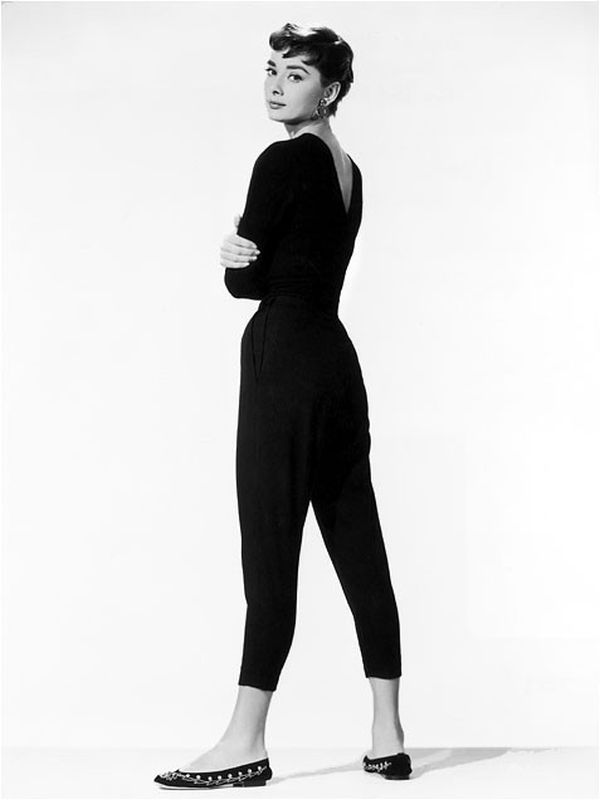
Audrey Hepburn
Audrey Hepburn’s partnership with Hubert de Givenchy and her film wardrobe created a lasting grammar of chic: clean black separates, ballet flats, slim trousers, boat necks, and a pixie cut that made the face the accessory. Where Monroe offered curve and shine, Hepburn offered line and negative space.
The little black dress associated with Breakfast at Tiffany’s is only one chapter. Equally important is the idea that elegance can be lightweight—literal flats, soft fabrics, humor in posture. Her look remains a refuge for people who want polish without armor plating.
What “icon” still means
Across these ten lives, clothing becomes a public instrument: Katharine Hepburn’s trousers, Madonna’s lace, Diana’s black dress, Ross’s tulle, Keaton’s tie. Some icons stabilize a classic; others teach rupture and remix. None of them owed their fame to outfits alone, which is why the images still feel inhabited.
If you collect style references for your own wardrobe, borrow attitudes more than costumes—clarity of silhouette, courage to repeat a uniform, willingness to change when the chapter changes. The photographs keep circulating because they captured people deciding how to be seen. That decision, more than any single designer label, is what lasts.

Comments
Continue reading
ELLE Bulgaria September 2012: Georgi Andinov’s Editorial
A historical look at ELLE Bulgaria’s September 2012 fashion story—Georgi Andinov’s photographs, the creative team, and how early-2010s magazine polish still reads.
Blake Lively Street Style: Celebrity Sidewalk Fashion
How Blake Lively’s early-2010s off-duty looks turned paparazzi sidewalks into usable lessons in polish, proportion, and one-statement accessories.
Classic, Casual, Geeky Men’s Fashion: How the Three Styles Work Together
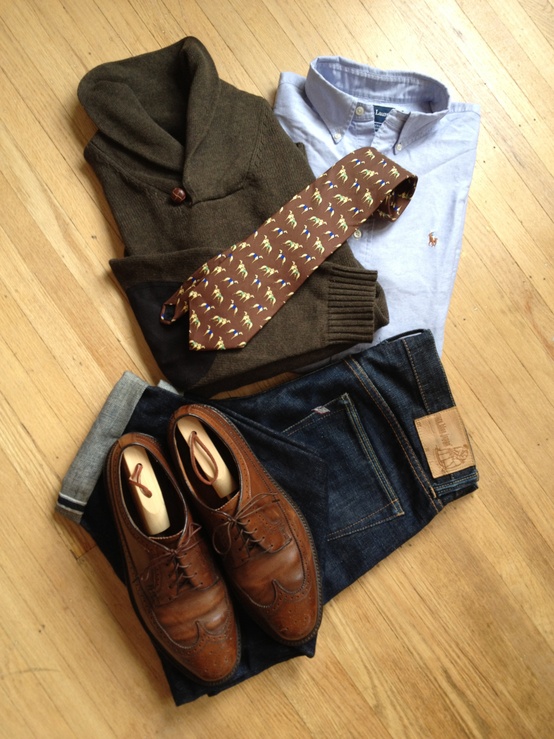
A practical guide to mixing classic menswear bones, casual ease, and geeky accents—knit layers, Oxfords, dark denim, and thoughtful details that still look intentional.