
Outdoor & Nature Photos #2: More Open Air for Screen-Tired Eyes
A second gallery of outdoor landscape photographs—weather, wide horizons, and quiet light—for anyone still stuck indoors at a computer.
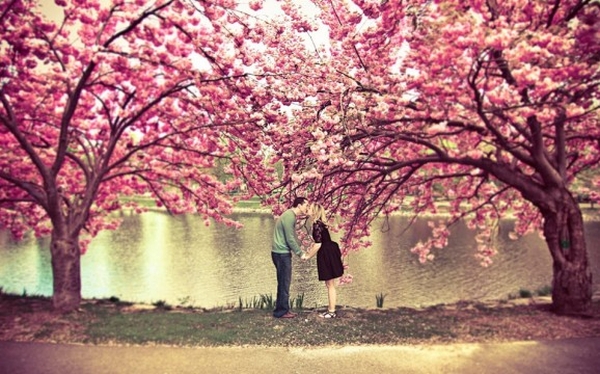
Screens flatten distance. Outdoor photographs put it back. This second gallery continues a simple service begun in the first: gather immaculate landscape and open-air images for people stuck indoors, working under artificial light, needing a longer look than a notification allows. No itinerary is required. Only attention.
The frames here trade in weather, horizon, vertical path, and the kind of quiet volume that makes a room feel briefly larger. Read them as borrowed daylight. Let each one reset the eye before the next task reclaims the cursor.
Horizons against the inbox
A wide landscape is almost rude to a crowded desktop. It ignores unread counts. It offers recession—near ground, middle land, far weather—in a single glance that spreads attention instead of pinning it to one blinking corner. That spread is useful. Human vision evolved for distance cues; office work rarely feeds them. A strong outdoor photograph is a temporary correction.
Purity in these images usually means uncluttered intention. One dominant sky event. One clear landform relationship. Enough empty air that the scene can breathe. Immature landscape posts often overfill the frame with competing subjects. The better outdoor photograph knows what to leave out so light and weather can finish the sentence.
If you only have ninety seconds, use them on one wide frame. Trace the horizon with your eyes as if you were pacing it. Notice where brightness peaks and where shadow pools. That tiny ritual is closer to being outside than skimming a dozen thumbnails while still typing.

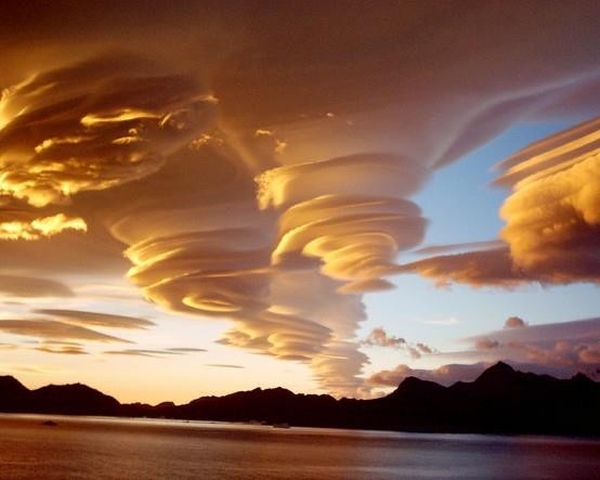
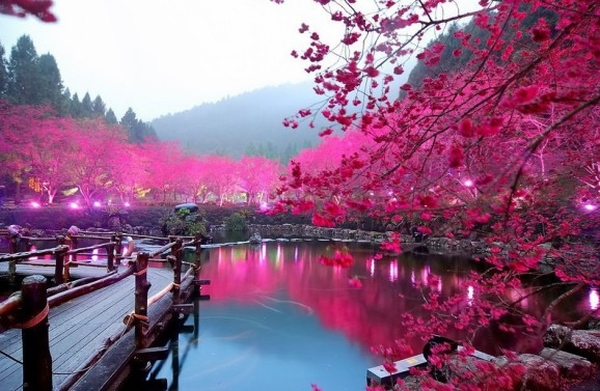
When weather writes the plot
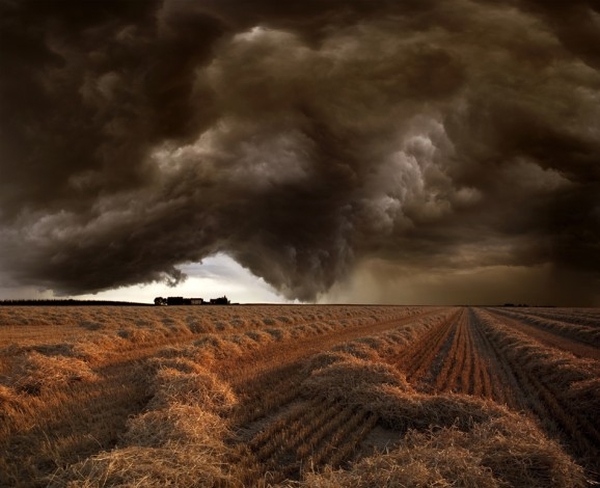
Landscape photographers learn early that land is the stage and weather is often the actor. Fog deletes clutter and leaves structure. Broken storm light turns ordinary slopes into theater. Soft overcast can be kinder to color than hard noon. Clear post-rain air sharpens every ridge until the world looks newly rinsed. Chasing those conditions is patience with a camera; looking at the results is patience you can borrow.
Indoor viewers sometimes want only blue-sky cheer. Fair enough—cheer has its hours. Yet unsettled weather photographs can match an unsettled workday more honestly. Gray depth, wind-leaning trees, and heavy cloud can validate a mood without solving it. Art that refuses forced brightness still offers outdoor contact.
Train yourself to name the weather in each frame. Is the air thick or crystalline? Are shadows short or long? Does the sky feel like a lid or a cathedral? Naming is a way of staying present. It turns passive scrolling into active seeing, which is half the point of keeping landscape galleries near a desk.
Weather also teaches humility about control. You cannot schedule a perfect cloud break the way you schedule a call. The photograph that succeeds usually contains someone’s willingness to wait, return, and fail politely until the light agrees. That backstory sits inside the stillness even when no caption explains it.
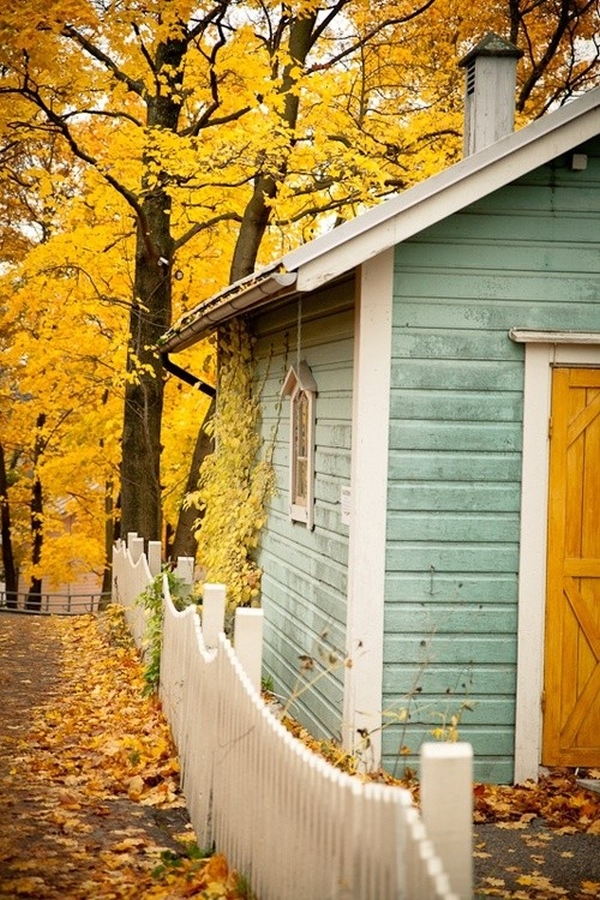
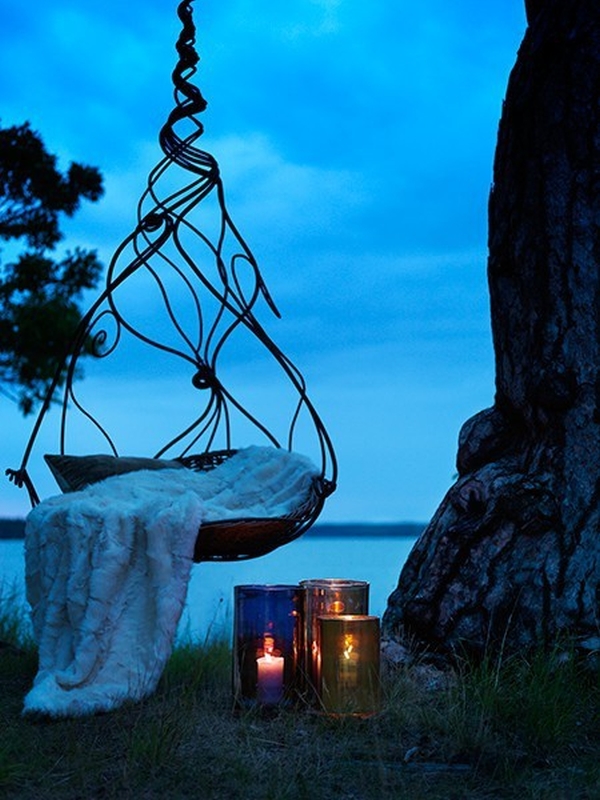
Vertical paths and close ground
Not every outdoor image should be a panoramic badge of travel. Vertical compositions pull the eye up a trunk line, down a fall of water, along a cliff edge, or through stacked bands of sky and stone. On a blog column or phone screen, height can feel more immersive than width because it occupies the reading field completely. You climb with your gaze.
Intimate ground belongs here too. Roots, shoreline foam, leaf litter, cracked earth, the small architecture of rock and moss—these are outdoor facts as legitimate as mountain silhouettes. After hours of aligned UI panels, irregular natural pattern is relief. Nothing snaps to a grid, yet everything still coheres through growth and erosion.
If you ever step out for a short walk between meetings, carry those two habits: look up the vertical corridor of trees or buildings, and look down at the texture underfoot. The gallery’s lesson is portable. You do not need a national park to practice outdoor attention. You need a few unhurried minutes and permission to notice.
Detail photographs also shrink the false gap between “real landscape” and the scrap of green outside an office park. Scale changes; curiosity should not. A puddle can hold sky. A single branch can hold wind. The camera—and the viewing eye—decide whether those facts count.
Light that remembers direction
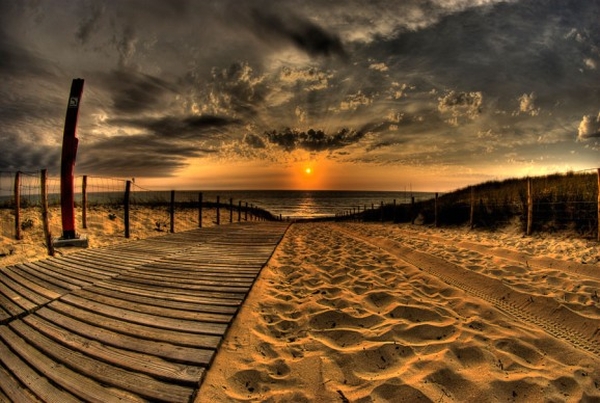
Monitor light is even and emissive. Daylight is directional and reflective. Switching between them is a sensory diet change. Landscape photographs that preserve direction—long shadows, glancing highlights, soft wraparound shade—feed the eye something spreadsheets cannot. Volume returns. Surfaces declare themselves.
Golden hour earns its reputation because low sun models form generously. Blue hour cools the world into calm gradients. Open shade protects color from harsh bleaching. The brief sparkle after rain makes leaves and stone articulate. Brand-name lighting is less important than modeling: can you feel the three-dimensionality of the place?
Spend a pause asking where the light enters each picture and what it leaves dim. That question is a miniature apprenticeship in seeing. It also slows consumption. Galleries meant for the desk-bound fail when treated like cards to swipe. They succeed when one frame becomes a short residence.
Color temperature matters emotionally too. Warm light can feel like late permission to leave work. Cool light can feel like early clarity. Neither is morally better. Matching the photograph’s temperature to your next hour—focus, rest, commute—is a small, private curation skill worth practicing.
Why the series continues
A second outdoor set is not redundancy; it is rhythm. Indoor days repeat. Screen fatigue repeats. So the medicine of open-air images can usefully repeat with new weather and new surfaces. The first gallery may have taken you through castles, lavender, lanterns, and named places. This one keeps the assignment while shifting the visual diet.
Series also teach comparative looking. Place two photographs side by side in your mind: which sky is heavier? Which foreground invites a step? Which image feels nearer to your actual climate today? Comparison keeps the experience active. Active looking is the opposite of the numb tab-switching that exhausts people by midafternoon.
There is a craft ethic hiding in every patient landscape: someone stood still long enough for the world to arrange itself. Viewing is a distant collaboration with that stillness. You inherit the wait without cold hands. In exchange, give the image more than a flick of the thumb.
Leave a little sky in the room
When you return to the keyboard, try to keep one residual sensation—cool air implied by a cloud bank, the pull of a path, the soft noise of imagined water. If restlessness follows, treat it as information. A short walk later may be the real sequel. Until then, these outdoor and nature photographs can hold the door ajar.
They were gathered for the pure and immaculate pleasure of looking outdoors while your body remains indoors. Accept that modest gift without apology. The horizon will still be there when the workday ends; for the moment, let a few carefully made frames keep it visible beside the glow of the machine.

Comments
Continue reading
Outdoor & Nature Photos #1: Landscapes for the Desk-Bound
From Polish waterfalls and Yangshuo rivers to Provençal lavender and a Santorini sunset—landscape photographs for anyone stuck indoors at a screen.
Liz Rusby and the Romantic Beauty of Nature
California photographer Liz Rusby’s soft-focus flowers and spring blossoms—intimate botanical romance without postcard syrup.
Magdalena Wasiczek’s Beautiful Garden: Macro Nature Photography
A look at Polish photographer Magdalena Wasiczek’s dreamlike garden macros—bokeh painting, dew and insects, and how a backyard became a fairy-tale studio.