
Liz Rusby and the Romantic Beauty of Nature
California photographer Liz Rusby’s soft-focus flowers and spring blossoms—intimate botanical romance without postcard syrup.
Liz Rusby’s flower and nature photographs lean romantic without tipping into postcard syrup. Soft focus, gentle color, and close attention to petals and spring canopy give the work a dreamy clarity: you recognize real blossoms and real light, yet the mood feels half-remembered, like a poem you almost know by heart. For viewers who met her images in the early 2010s design and lifestyle corners of the web, that combination—romance plus photographic honesty—was the draw.
Rusby is a California-based photographer, long associated with the San Francisco Bay Area (including Oakland), who has worked professionally while keeping a strong personal pull toward landscapes and wildflowers. Profiles from the period when these galleries circulated often described her as a self-taught hobbyist who grew into professional practice, including boutique real-estate photography, while continuing to chase the quieter beauty of plants and outdoor light. Notes about cheese, chocolate, cute shoes, and a standing daydream of Paris appear beside the lens talk in those introductions—small human details that keep the portfolio from sounding like a brand deck.
What follows is a look at the romantic floral register associated with her name: how the pictures feel, which subjects return, and what a careful viewer can learn without turning the gallery into a gear checklist.
What “romantic” means in these frames
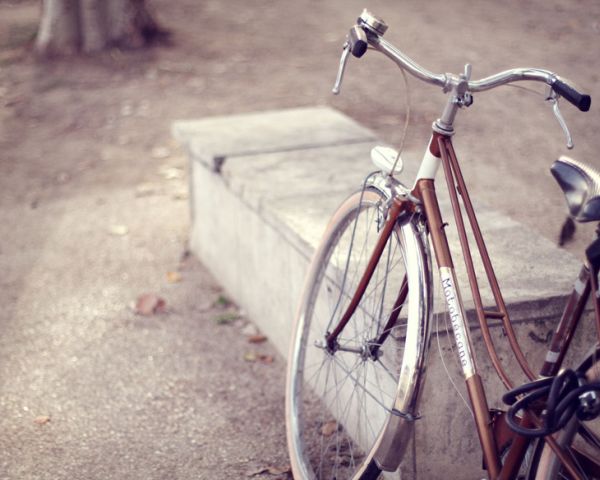
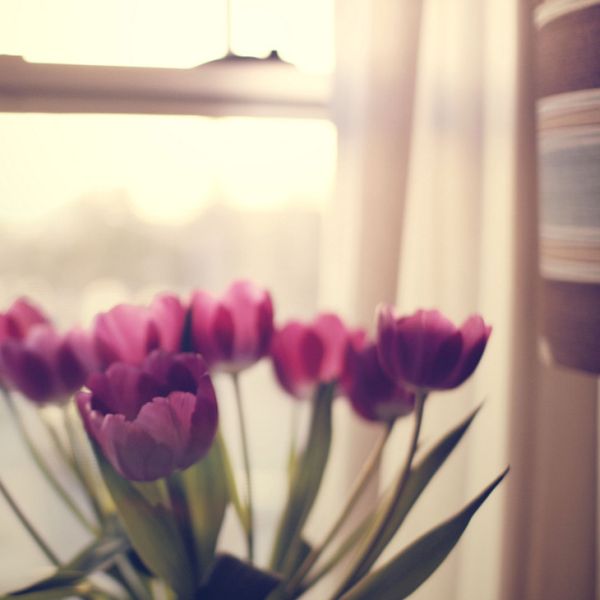
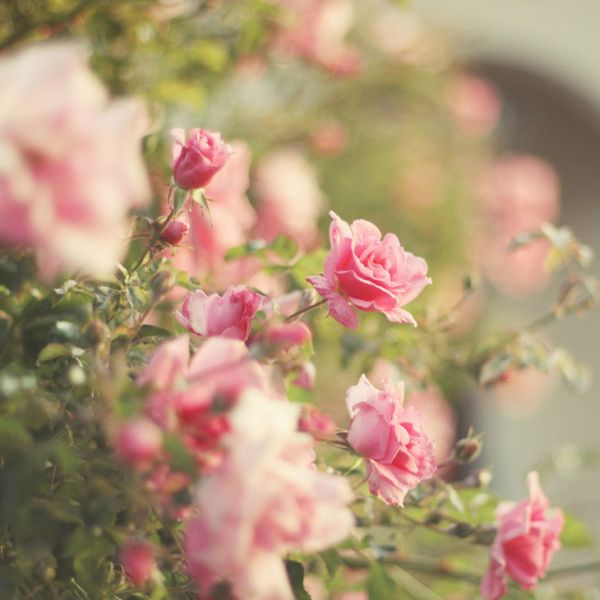
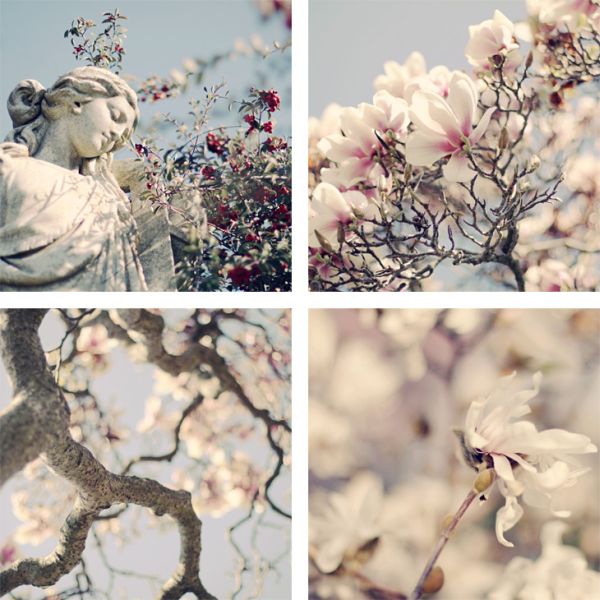
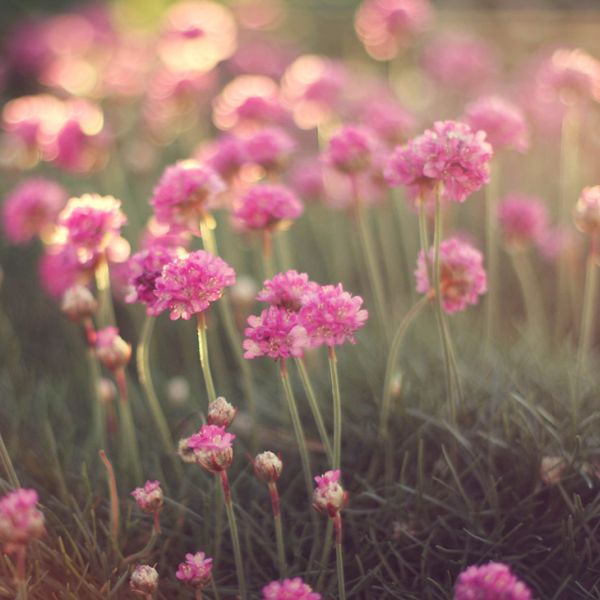
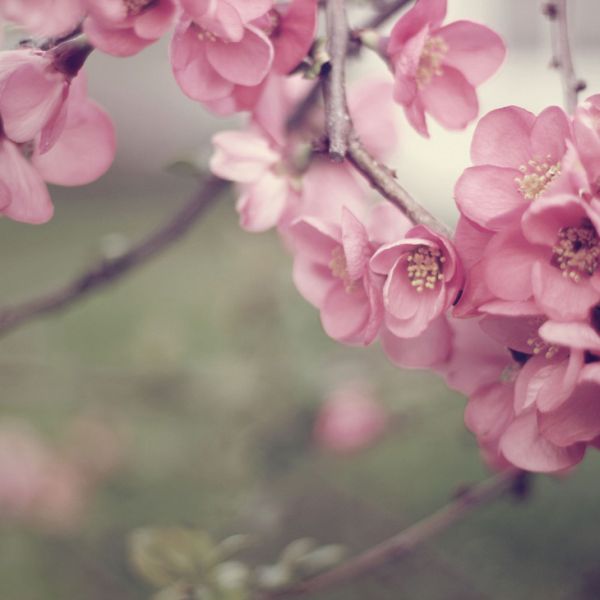
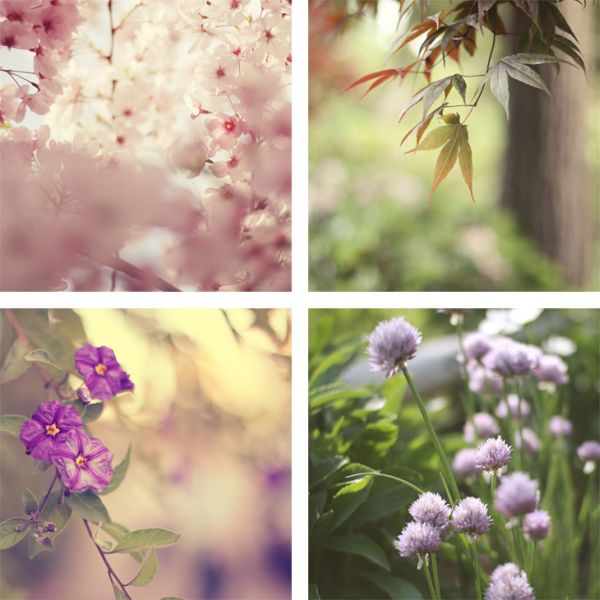
Romantic nature photography can mean many things: storm drama, golden-hour heroics, heavily filtered fantasy. Rusby’s romance is quieter. It lives in pastel transitions, shallow depth of field, and subjects that feel intimate rather than epic—tulips and soft pink blooms, dogwood and cherry blossom seen from below, petals that occupy the frame like portraits of people you would not rush.
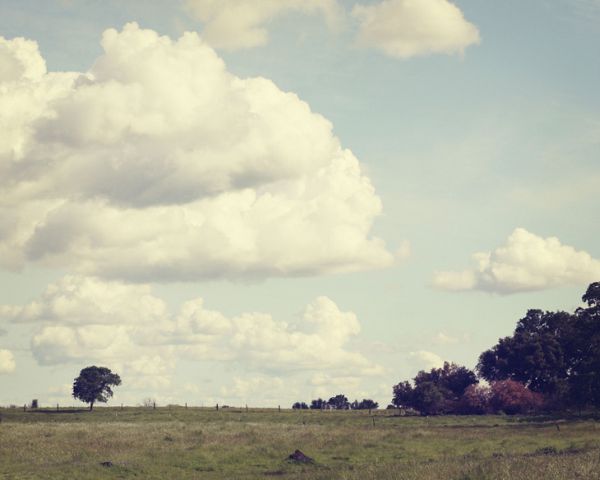
The pictures invite lingering. Edges soften. Highlights bloom gently. Color sits in pinks, lavenders, fresh greens, and spring whites more often than in high-contrast black-and-white austerity. That palette is not accidental decoration; it is emotional temperature. Viewers who describe the work as dreamy are responding to optical choices as much as to subject matter. Softness here is a decision, not a mistake of focus.
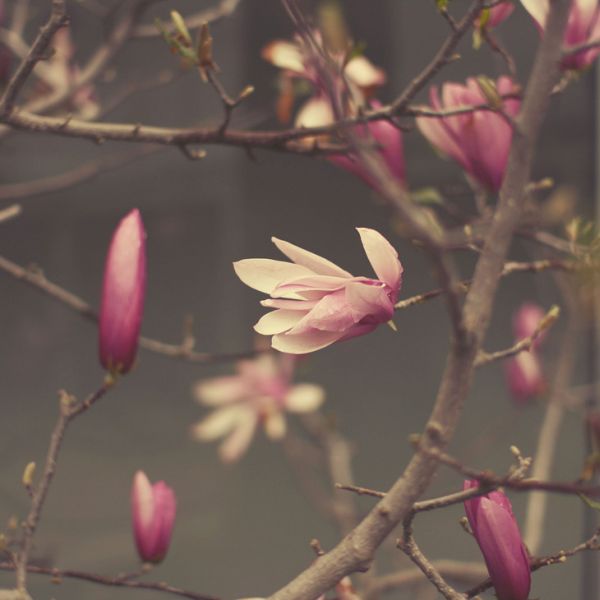
Importantly, the romance does not erase botany. You can still read flower structure, branch gesture, and seasonal timing. The photographs feel observed, not invented in software. That balance—atmosphere without fake fairy dust—is why the gallery still rewards a slow scroll years after the first round of blog shares. The flowers remain specific enough to believe and gentle enough to keep looking at.
Romance, in this sense, is also a refusal of spectacle. There are no hikers silhouetted on ridges, no drone-wide valleys demanding applause. The camera stays near the plant. That nearness can feel old-fashioned in the best way: closer to a pressed flower in a diary than to a travel campaign. Yet the files remain modern photographs—light, color, and depth of field doing the expressive work.
Subjects that return
Across licensed and featured images associated with Rusby’s name, certain motifs keep returning:
- Tulips and soft pink blossoms treated almost as still-life portraits
- Spring canopy looking upward—dogwood, cherry blossom, sky through petals
- Gentle color fields where hue carries as much emotion as sharp botanical detail
- Intimate crop rather than wide landscape spectacle
- Seasonal urgency—blooms that will not wait for a photographer’s perfect schedule
That preference for closeness changes how nature feels. Instead of “here is a famous vista,” the photographs say “here is one bloom worth your full attention.” In an era of travel-bragging landscapes, floral intimacy can feel radical simply by being quiet. A single pink flower, given enough of the frame, becomes a character with a mood.
Looking upward through branches is another recurring move with emotional consequences. The viewer stands under spring rather than surveying it from a hillside. That vantage softens hierarchy: the tree is larger than the person with the camera, and the sky becomes part of the bouquet. It is a small compositional choice that repeatedly produces lift—airiness without needing wind machines or heavy post-processing.
Craft you can borrow without copying
You do not need Rusby’s exact Bay Area locations to learn from the approach. A few practical habits travel well to any neighborhood with a flowering tree or a spring market bouquet:
- Shoot closer than feels comfortable. Fill the frame with petal structure; leave the postcard wide shot for another day.
- Prefer soft light. Overcast spring mornings and open shade protect pastel color better than harsh noon sun.
- Use depth of field as mood. A narrow plane of focus can isolate one bloom while surrounding color dissolves into atmosphere.
- Let color lead composition. Arrange the frame around a pink-to-green relationship or a white blossom against cool sky, not only around centered subjects.
- Edit gently. Oversharpening and heavy contrast kill romance faster than any wrong lens choice.
- Return to the same plant across days. Buds, peak bloom, and petal fall tell different emotional stories from one subject.
Real-estate and commercial work teach discipline about clarity and usable files; personal flower work can spend that discipline on tenderness instead of property specs. The transferable skill is attention—seeing when light makes a petal glow and when it merely bleaches color away. Patience with weather and season matters more than collecting another lens.
If you are tempted to add heavy filters to “make it romantic,” try the opposite experiment: reduce contrast, protect highlight detail in pale petals, and let a little softness remain. Romance in Rusby’s register often comes from restraint. The flower already brings the emotion; the photographer’s job is not to shout over it.
Where this work sits among nature photographers
Rusby’s nature pictures sit comfortably beside other photographers who treat plants as subjects with character rather than as wallpaper. What feels specific in this set is the consistent soft-romantic register: not dark botanical gothic, not hyper-sharp scientific documentation, and not epic wilderness branding. It is a middle path where tenderness and recognition share the frame.
That path also suits how many people actually meet flowers—on sidewalks, in gardens, through apartment windows, on short walks between errands. You do not need a national park permit to practice this kind of looking. You need curiosity about one bloom and enough patience to wait for kinder light. The Bay Area spring canopy may be Rusby’s familiar theater; your local park can be yours.
How to walk this gallery
Try a slow pass rather than a skim. On each image, name one technical choice and one emotional effect. Soft background? Intimacy. Upward angle through blossoms? Lift and spring air. Tight crop on pink petals? Portrait energy. Pale highlights kept from clipping? Delicacy. That pairing keeps appreciation from collapsing into vague praise (“pretty flowers”) and trains your eye for your own next walk outside.
Notice how rarely the photographs need dramatic weather. Romance here is not lightning over a cliff. It is patience with ordinary seasonal beauty—California spring light, backyard-scale wonder, blooms that disappear if you wait a week. The urgency is botanical, not touristic. Miss the week and the subject has moved on without you.
If you leave wanting to look up at the next flowering tree—or to photograph one bloom as if it were a person worth introducing—you have already met the pictures on their own terms. The romantic beauty of nature, in Rusby’s hands, is less a slogan than a habit of attention you can practice the next time pink petals interrupt an ordinary day.

Comments
Continue reading
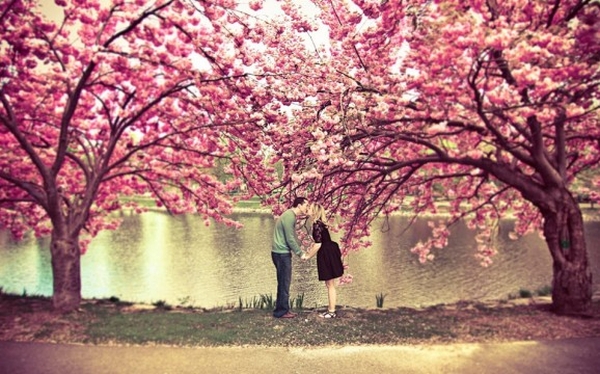
Outdoor & Nature Photos #2: More Open Air for Screen-Tired Eyes
A second gallery of outdoor landscape photographs—weather, wide horizons, and quiet light—for anyone still stuck indoors at a computer.
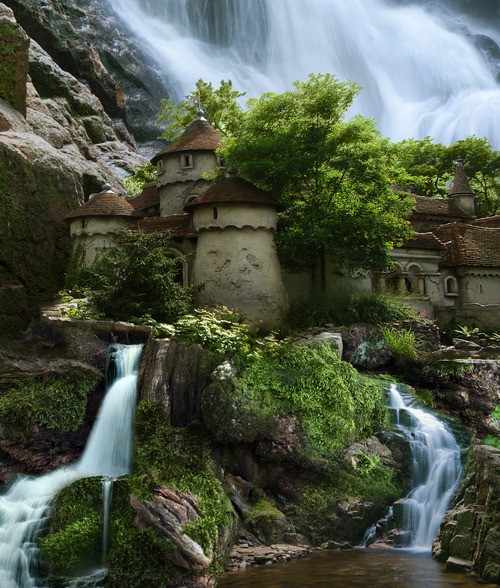
Outdoor & Nature Photos #1: Landscapes for the Desk-Bound
From Polish waterfalls and Yangshuo rivers to Provençal lavender and a Santorini sunset—landscape photographs for anyone stuck indoors at a screen.
Magdalena Wasiczek’s Beautiful Garden: Macro Nature Photography
A look at Polish photographer Magdalena Wasiczek’s dreamlike garden macros—bokeh painting, dew and insects, and how a backyard became a fairy-tale studio.