
Outdoor & Nature Photos #1: Landscapes for the Desk-Bound
From Polish waterfalls and Yangshuo rivers to Provençal lavender and a Santorini sunset—landscape photographs for anyone stuck indoors at a screen.
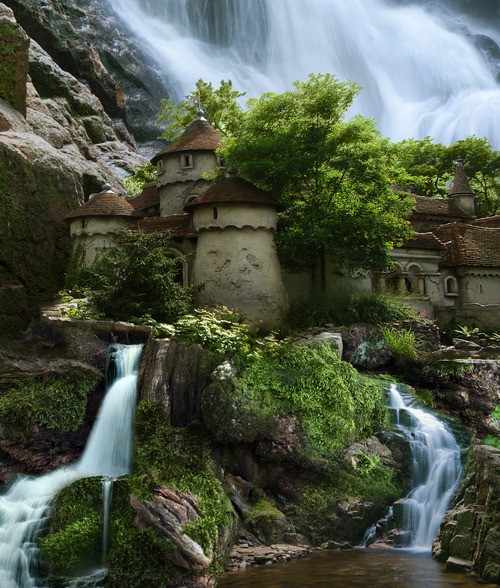
Some days the outdoor world shrinks to a window icon and a weather widget. These landscape and outdoor photographs exist for that exact gap: clean frames of water, stone, fog, festival light, and cultivated color for anyone stuck indoors with a glowing screen. They are not a travel itinerary. They are a reminder that place still outruns the desktop.
The set moves from Polish water and castle stone to Turkish reflections, Chinese river villages, Paris rain, Scottish moss, Dutch moonrise, Provençal lavender, Thai lanterns, Pennsylvania fog, Italian arches and balconies, Adirondack autumn, Stockholm winter, Lake Como wisteria, Edinburgh’s silhouette, and a Santorini sunset. Each image keeps a simple promise—look longer than a scroll usually allows.
Water, stone, and the first exhale
Waterfall Castle in Poland opens the gallery with motion against monument. Falling water softens hard architecture; stone gives the cascade a stage. Landscape photographs often succeed when two tempos share a frame—one rushing, one patient. Here the eye can rest on masonry while the water refuses to freeze, a useful contrast for viewers whose own day has been nothing but static pixels.
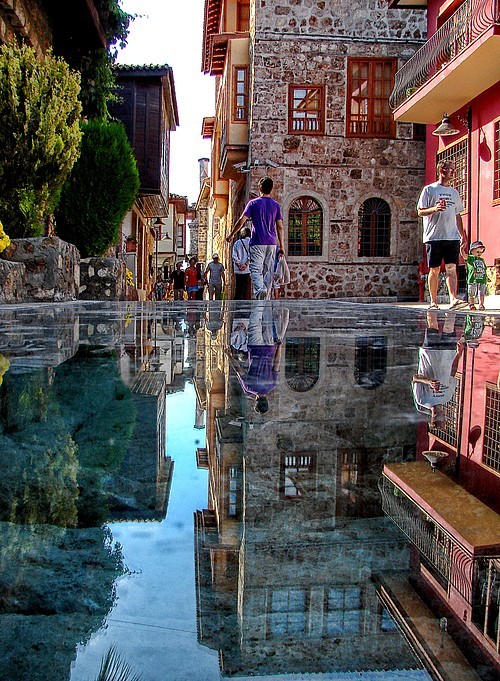
The Stone Mirror in Istanbul continues the water theme as reflection. Cities become double when harbors and pools cooperate. A mirror surface edits noise: it keeps shape and light while discarding some of the street’s chaos. Reflection photographs teach a compositional habit—compose for the duplicate as carefully as for the “real” subject—because the copy is where many of these images find their quiet.
Villages, rain, and weather as collaborator
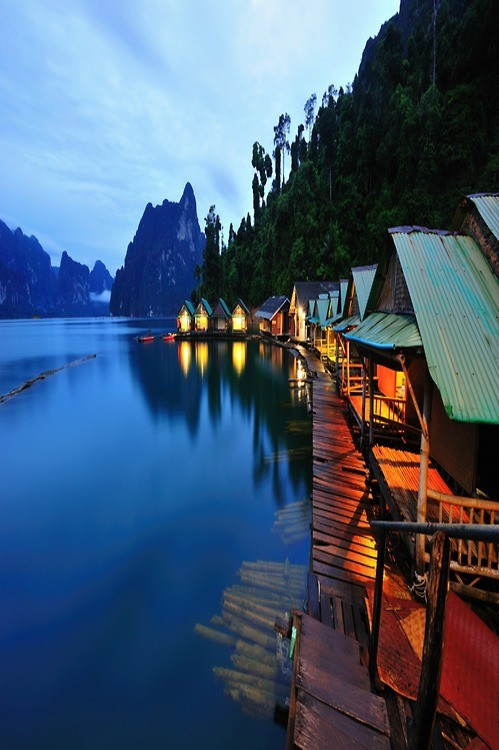
River Village in Yangshuo places human settlement inside geology’s larger grammar. Karst hills and water routes have made this region a classic for landscape shooters precisely because culture and landform interlock. The photograph’s gift to an indoor viewer is scale: roofs and paths look intimate while the surrounding land remains vast. You feel the difference between living beside a river and merely knowing rivers exist as map blue.
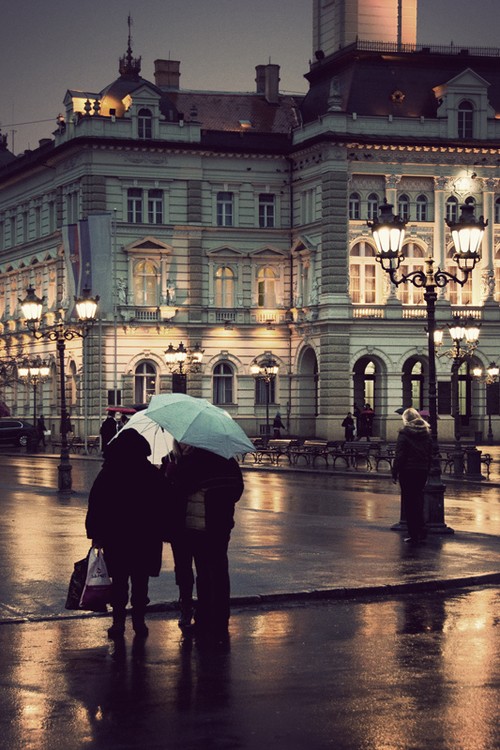
Rainy Night in Paris flips purity toward urban weather. Rain is not a spoiler here; it is varnish. Wet pavement turns lamps into longer sentences of light. Night photography of this kind is outdoor work even when trees are absent, because atmosphere—mist, reflection, temperature you can almost feel—still rules the frame. For the desk-bound, rain images can be oddly consoling: the world outside is active without demanding that you leave the chair yet.
Green steps, moon, fields, and sky lanterns
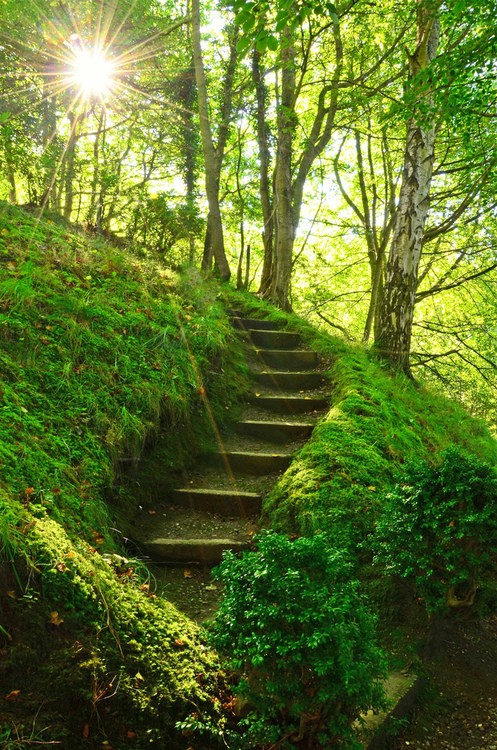
Mossy Stairs in Perthshire slow the gallery down to footfall scale. Nature reclaiming stone is a favorite outdoor motif because it compresses time: someone built steps; moss and damp rewrote them. Close looking at texture—soft green against hard edge—works especially well on a screen, where detail can replace the missing smell of wet woodland.
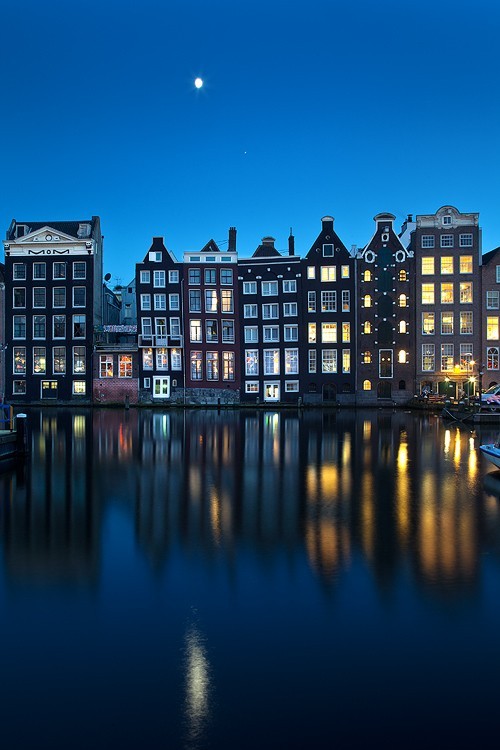
Moonrise over Amsterdam adds a vertical calm. Urban canals and night skies have long invited photographers to treat the city as a landscape of horizontals and lights. The moon is a shared clock. Seeing it in a photograph can sync a remote viewer to a larger night than the one above their own building.
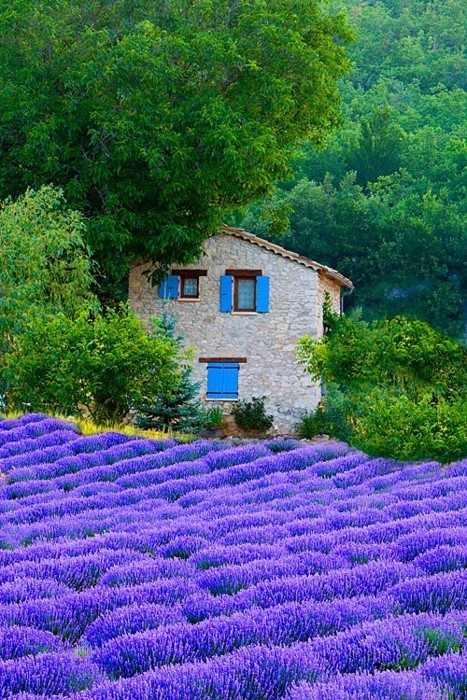
Lavender Fields near Sault in Provence deliver cultivated immensity: rows that behave like brushstrokes, color that saturates without needing a filter story. Agricultural landscapes remind us that “nature photos” often include human tending. Beauty here is seasonal labor made visible.
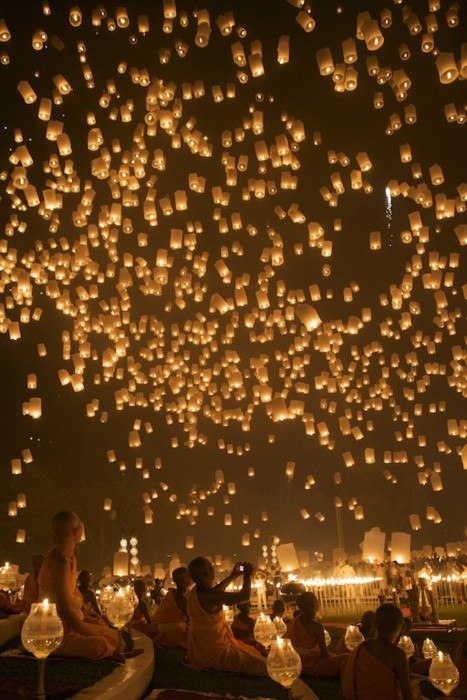
Lantern Festival in Chiang Mai lifts the outdoor theme into celebration. Light leaves the ground and becomes a flock. Festival images stretch the category beyond quiet forests; they show open air as social space. For someone indoors, the lift of many small lights can feel like a borrowed exhale.
Arches, fog, and the lived outdoor edge
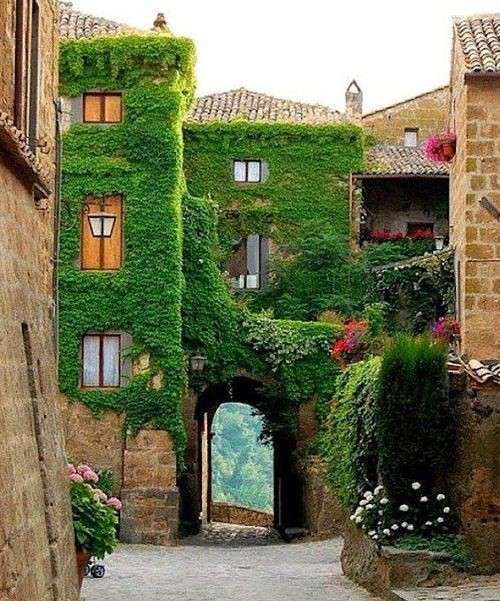
Ivy Arch in Provence returns to the marriage of plant and architecture. An arch frames what lies beyond; ivy softens the geometry until the passage feels grown rather than only built. Framing devices inside photographs help indoor viewers enter the scene—an invitation shaped like stone.
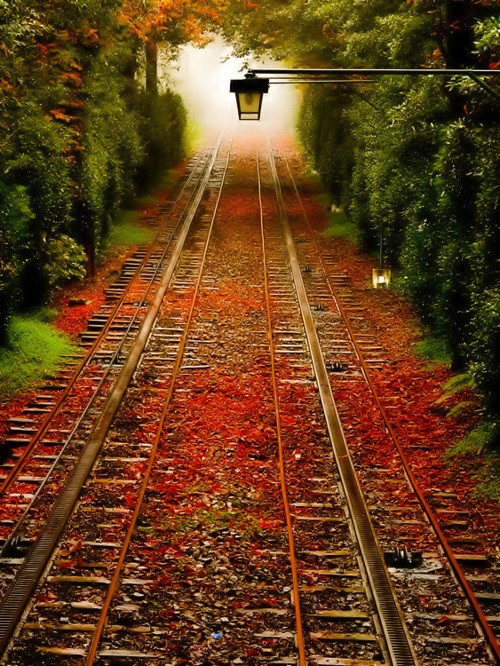
Into the Fog near Scranton shows how atmosphere can erase distance and replace it with mood. Fog is democratic: it can transform an ordinary road, hillside, or treeline into mystery without exotic travel. That matters in a gallery meant for people who cannot leave their desks today. Wonder is not reserved for postcard capitals.
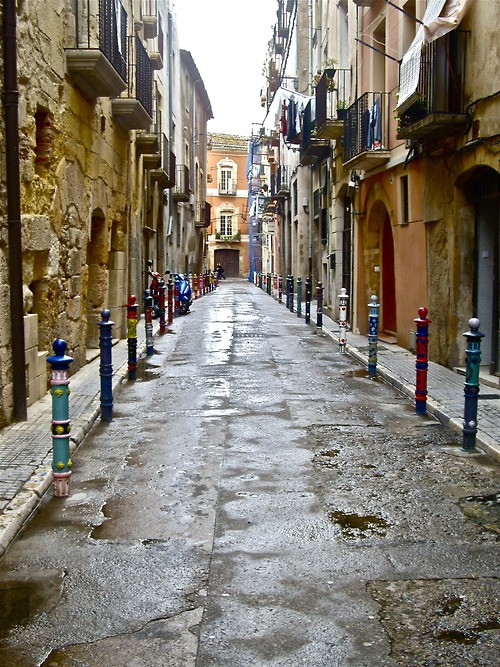
Rome’s balconies pull the outdoor theme onto façades where plants, laundry lines, and human niches meet open air in miniature. Not every outdoor photograph needs wilderness. Sometimes the outdoors is a railing and a pot of green above a street. Those images still interrupt screen fatigue because they prove that air and light reach into daily architecture.
Season, history, cold light, and bloom
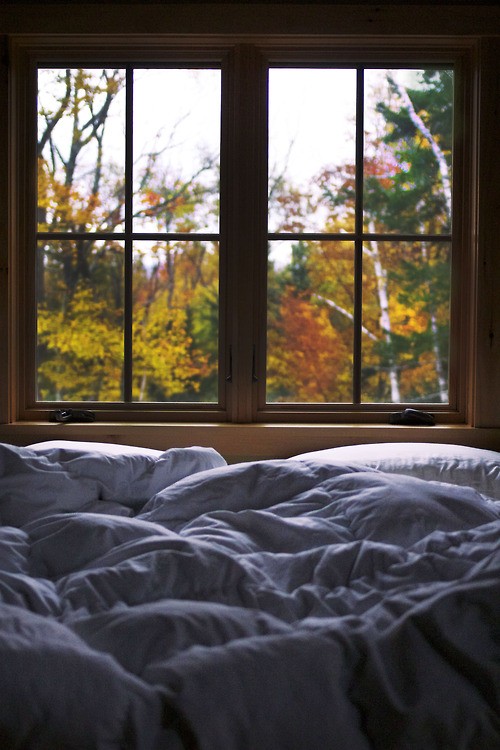
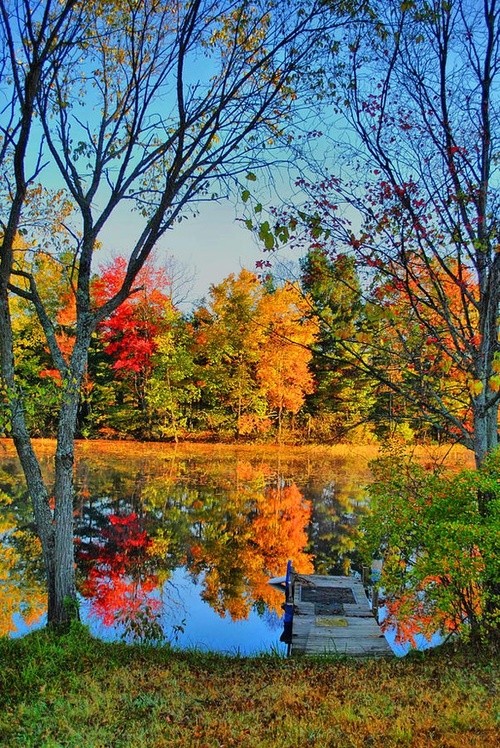
Autumn Lake in the Adirondacks is classic North American landscape: water, woodland color, and the sense that the year is turning whether or not your calendar app has noticed. Seasonal photographs are useful medicine for indoor routines that flatten months into identical weeks.
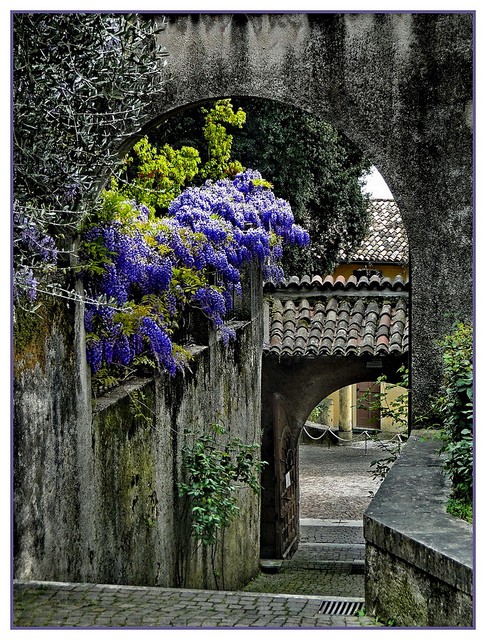
An ancient archway in Lombardy offers deep time in a single spanning curve. Walking through such a passage—or imagining the walk—connects outdoor looking to history. Stone remembers traffic you will never meet.
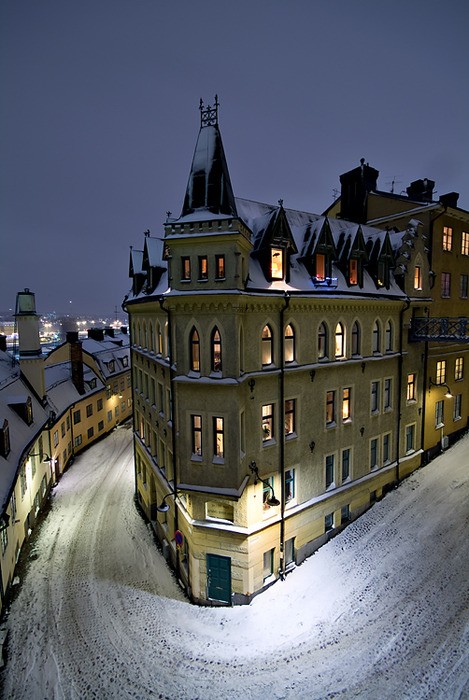
Winter’s Night in Stockholm proves cold can be luminous. Northern evenings compress daylight and intensify artificial glow against snow or dark water. The photograph does not need to be warm to be welcoming; clarity and quiet can comfort as much as sunlit fields.
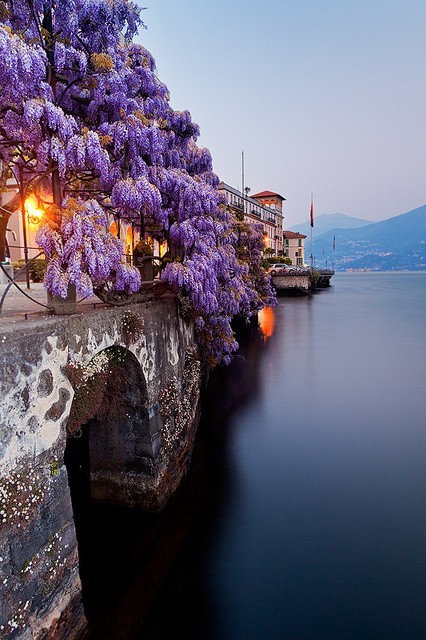
Wisteria at Lake Como spills violet abundance over structure and shore. Bloom photographs are almost unfair in their generosity. They hand color to anyone whose office view is beige. That generosity is the point of this collection’s original brief: immaculate outdoor seeing for eyes tired of monitors.
Castle silhouette and last gold
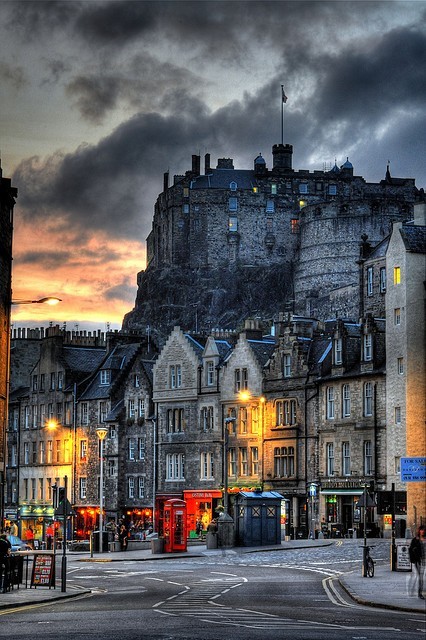
Edinburgh Castle holds the skyline like a thesis about elevation and story. Castles in landscape photographs work because they concentrate human narrative inside weather and rock. You do not need the guidebook open; the silhouette already argues for history under cloud.
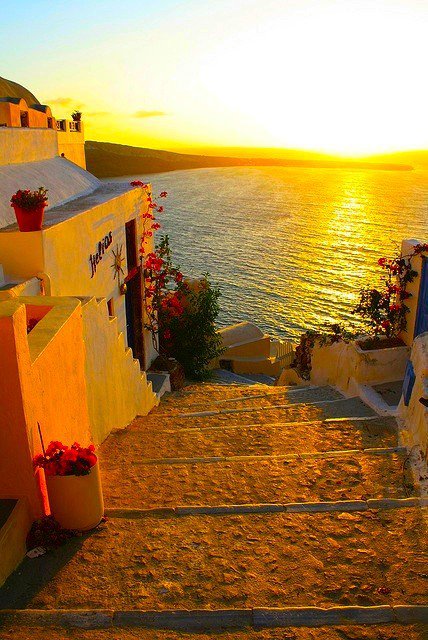
Golden Sunset over Santorini closes the set with the oldest outdoor spectacle: the sun leaving, color rising. Cliff, sea, and warm light are familiar, and familiarity is not a flaw when the viewer’s day has been all unfamiliar software and familiar fatigue. A well-made sunset photograph still earns its place if it restores a bodily sense of evening.
Taken together, these outdoor and nature frames do a modest job well. They interrupt the indoor tunnel. They offer water, moss, fog, lanterns, lavender, stone, and sky without demanding a passport today. Keep them open a little longer than habit suggests. Somewhere beyond the keyboard, stairs are still growing moss, fields are still holding purple rows, and a moon is still clearing a city’s edge—whether or not you can step outside before the next meeting.

Comments
Continue reading
Outdoor & Nature Photos #2: More Open Air for Screen-Tired Eyes
A second gallery of outdoor landscape photographs—weather, wide horizons, and quiet light—for anyone still stuck indoors at a computer.
Liz Rusby and the Romantic Beauty of Nature
California photographer Liz Rusby’s soft-focus flowers and spring blossoms—intimate botanical romance without postcard syrup.
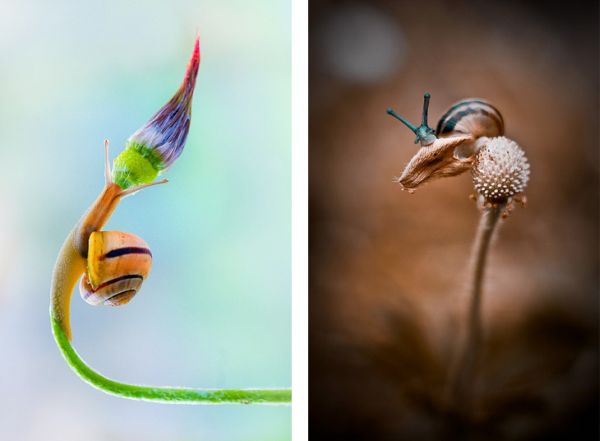
Magdalena Wasiczek’s Beautiful Garden: Macro Nature Photography
A look at Polish photographer Magdalena Wasiczek’s dreamlike garden macros—bokeh painting, dew and insects, and how a backyard became a fairy-tale studio.