
Glitter and Shine Eyeshadow: Styling Criteria and Inspiration
How to wear shimmer and glitter on eyes—particle size, base color, placement, balance, and occasion—illustrated by a shine gallery.

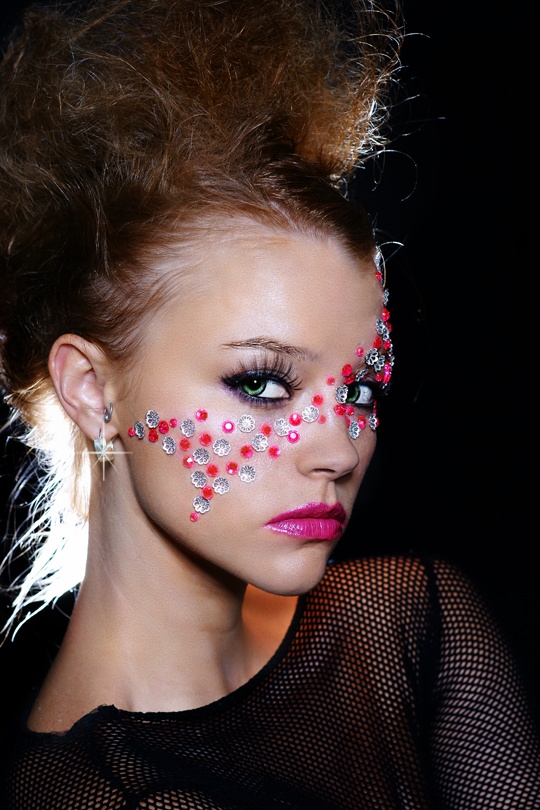
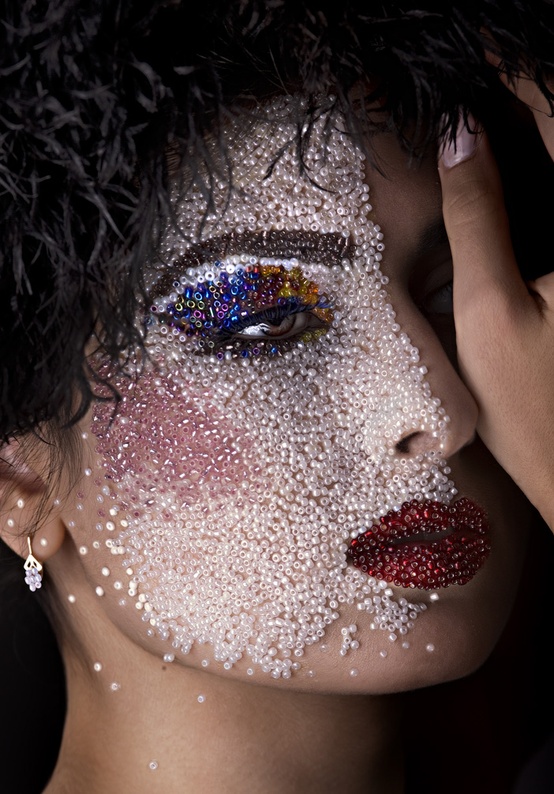
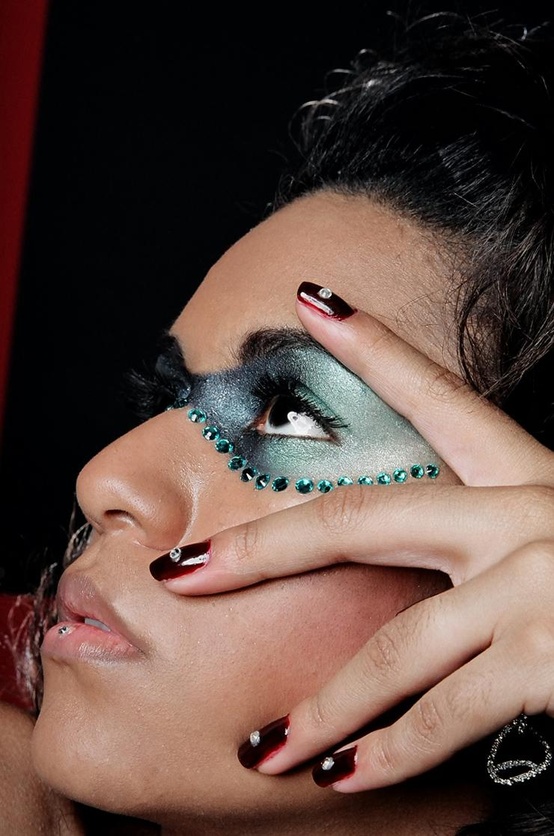
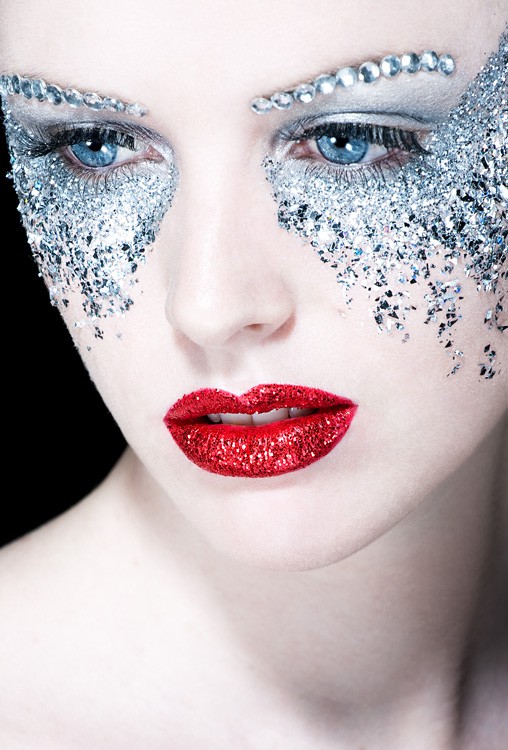
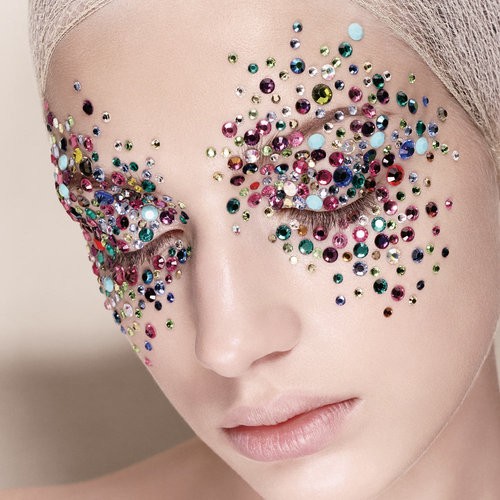
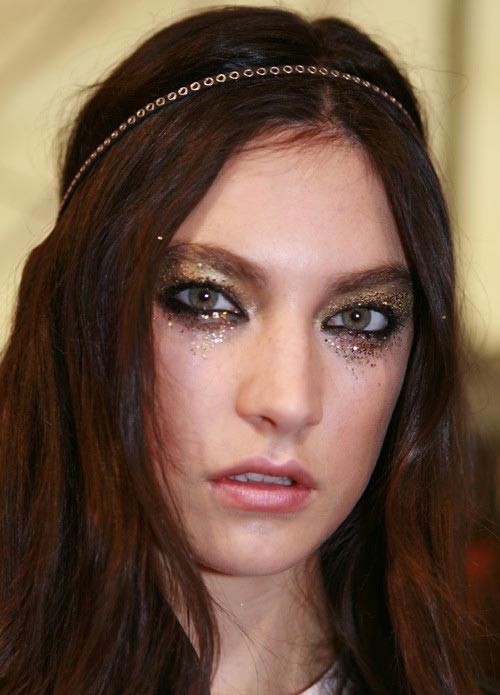
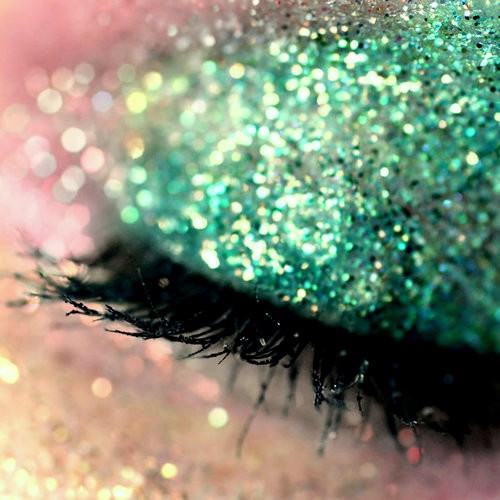
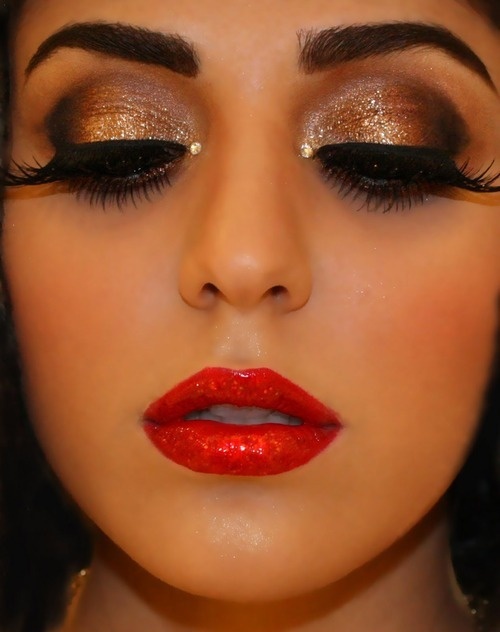
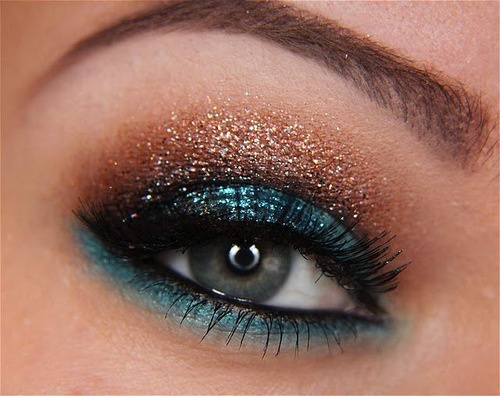
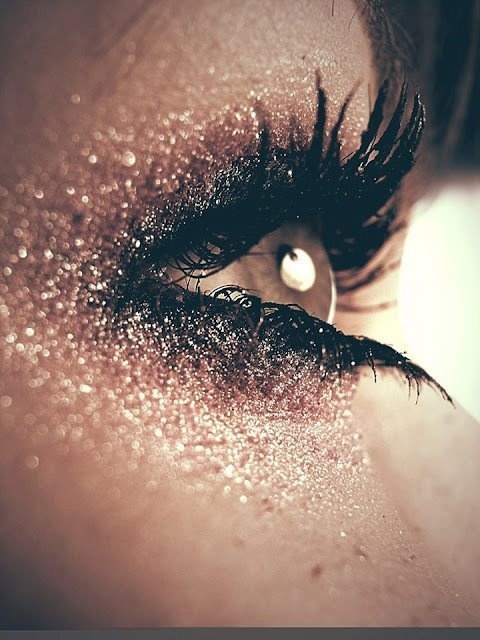
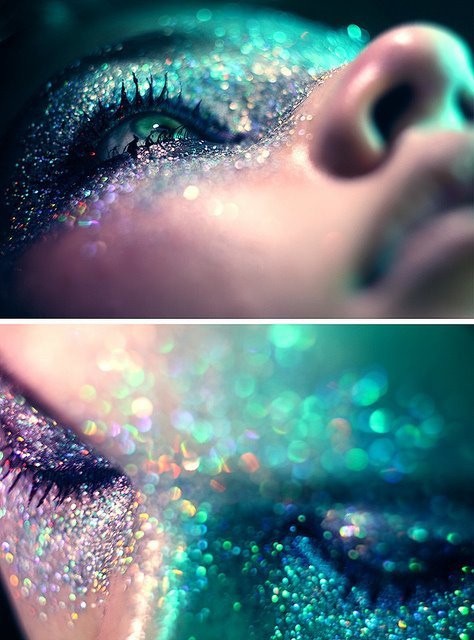
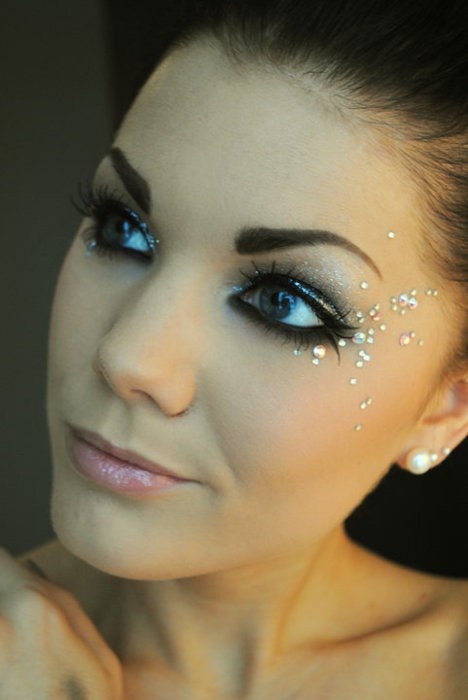
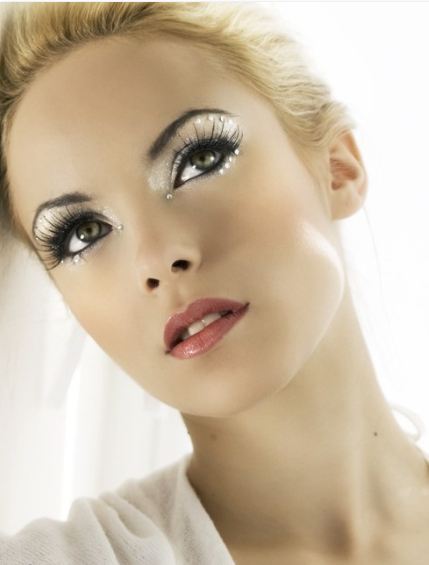
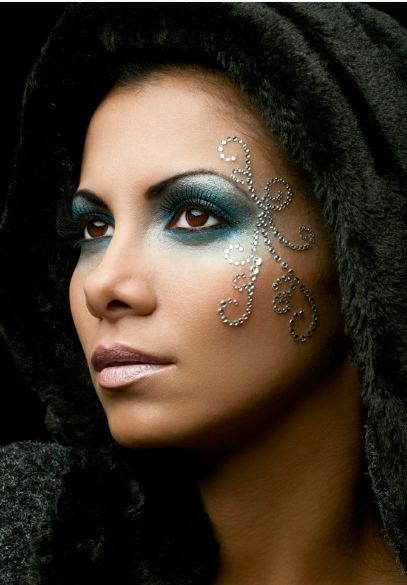
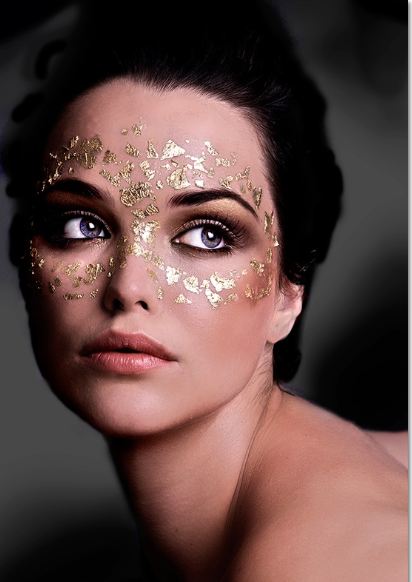
Glitter eyeshadow can look like candlelight caught on skin—or like craft sparkle that wandered onto a face. The difference is rarely a single product. It is particle size, base color, placement, and how quietly the rest of the face behaves. Use this gallery for mood; use the styling criteria below to build shine that reads intentional in real light, not only in filtered photos.
Name the kind of shine you want
Not all reflective eye makeup behaves the same way. Fine shimmer and pearl melt into the lid and suit daylight, offices, and soft evening plans. Micro-glitter shows visible sparkle while still photographing gently. Chunk glitter is party and editorial territory; it needs a proper eye-safe adhesive and a cleanup plan. Metallic foil finishes act like a mirror sheet of color—dramatic even with little extra sparkle on top.
Choose one primary effect per look. Layering chunk glitter over a loud metallic and a bright colored liner usually turns muddy in photographs and busy in person. If you love density, keep the color story narrow: gold on brown, silver on charcoal, rose sparkle on soft mauve. Multicolor glitter rainbows can work for costume or stage; they rarely read as polished glam for dinner.
Build a base before you add sparkle
Glitter inherits the mood of whatever sits underneath. A soft brown or taupe wash makes gold glitter look expensive. A black or deep plum smoke makes silver glitter feel night-out sharp. A nearly bare lid with sparkle only at the center can look chic when edges are blended clean—or unfinished if fallout rings the under-eye like dust.
A reliable order for most faces: even the lid tone, define the crease softly if you want depth, place the reflective shade where light naturally hits (center lid or inner corner), then decide whether the lash line needs a thin liner to anchor the sparkle. Skipping structure is why some glitter looks seem to float without belonging to the eye shape.
Skin prep around the eye matters more when shine is involved. Texture, dryness, and creasing show beside reflective particles. A thin eye primer or a touch of concealing base that is set lightly—not caked—gives glitter something to grip without turning the lid into chalk.
Use placement as your styling dial
Where you put shine changes the entire personality of the look:
- Inner corner only: brightens tired eyes; pairs with almost any daytime face.
- Center lid spotlight: classic glam; keep outer corners more matte so the eye does not dissolve into fallout.
- Full lid wash of fine shimmer: soft party energy; balance with groomed brows and a restrained lip.
- Lower lash sparkle: festive and editorial; easy to overdo—tap product, do not drag it into the waterline carelessly.
- Graphic glitter liner: sharp wing or cut-crease edge; needs a steady hand and a clean cheek underneath.
Eye shape tweaks help. Deep-set eyes often benefit from lifting shimmer upward and avoiding a socket that goes too dark too fast. More prominent eyes can look balanced with a deeper outer corner and shine concentrated at the center rather than an all-over frost that enlarges everything. Hooded lids may show glitter best on the mobile lid with a thinner band, plus a careful check with eyes open in a mirror—not only with eyes closed on the bathroom counter.
Balance the rest of the face
Shine on the eyes asks for editing elsewhere. Soft cheeks, even skin, and a lip that is either muted or intentionally bold work better than glitter eyes plus a high-shine red plus heavy contour all competing. Brows should look clean; messy brows plus glitter often read accidental rather than styled.
Skin texture shows next to sparkle. Targeted concealer under the eye and a lightly set T-zone help glitter look deliberate. Avoid heavy powder across the entire lid if you need adhesive to grip—too much powder can make particles slide. If you wear blush, keep it sheer when the eyes are loud; a quiet cheek lets the sparkle stay the headline.
Hair and clothing temperature matter too. Cool silver lids can clash with warm orange lipstick and gold jewelry unless that contrast is intentional. Warm gold lids usually cooperate with bronze skin finishes and soft peach or berry mouths.
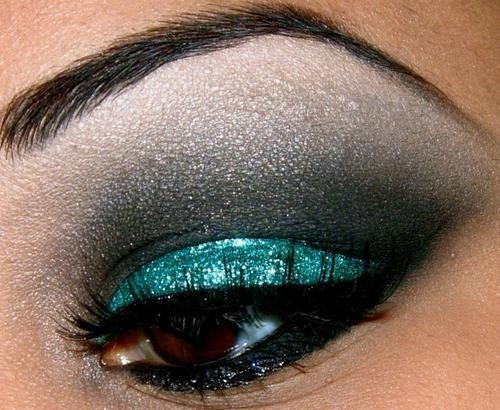
Application habits that keep sparkle in place
Press glitter on with a flat brush or fingertip; sweeping motions create fallout across the cheek. For chunk particles, use products intended for the eye area rather than craft glitter—particle shape and purity matter near the eye. Tap excess off the tool before it reaches the lashes. A tissue or makeup shield under the eye saves foundation from a constellation of stray flecks.
Set surrounding skin after glitter is placed, not before every sticky step. If you must powder under the eye first, clean fallout with a piece of tape wrapped loosely around a finger or a clean fluffy brush, then refresh concealer lightly.
Removal should be patient: soak with an oil-based remover or a gentle micellar formula on a cotton pad, hold, then wipe. Rubbing grinds particles against the skin and into the lash line. If you wear contacts, apply glitter with eyes closed and do a blink test before you leave home.
Match intensity to the occasion
Daylight errands call for fine champagne, soft pink, or bronze shimmer in the inner third rather than full-lid chunk. Dinner can handle a center-lid gold or bronze with a soft brown crease and a defined lash. Parties and stage light support denser sparkle, stronger liner, and a deliberate lip. Holiday photos often favor silver or icy tones on cool undertones, while warm golds on olive and deep skin frequently photograph richer than pale frost.
When you study the images in this set, notice where the brightest point sits, how matte areas frame it, and whether skin and lips stay quieter. Copy that relationship—the ratio of shine to calm—rather than hunting for a specific pan to buy. Styling criteria travel; product names do not have to.
Finish with a ten-minute wear test under the light you will actually be in. Bathroom LEDs flatter everyone; phone filters forgive fallout. If sparkle migrates to the cheek within minutes, dial particle size down or tighten placement. Shine should still look sharp when you have forgotten you are wearing it—that is usually the moment the look is working.

Comments
Continue reading

Funny Animal Signs That Warn People (While Animals Ignore Them)
From a seagull on a no-birds disc to classic zoo and park ironies—why animal warning signs get funny, and what the rules are still for.

How to Find Local Amenities on Vacation: Mechanics, Haircuts & More
Locate trustworthy local services and everyday spots while traveling or settling in—using publications, reviews, map apps, neighbor tips, and low-pressure exploration.

Kristen Stewart for V Magazine, Spring Preview 2013
V81’s Wild at Heart cover story—Kristen Stewart shot by Inez & Vinoodh, styled by Joe McKenna, in pale minimal spring glamour.