
15 Winter Landscape Photos: Alpine Light, Snow, and Mountain Craft
Fifteen Alpine winter landscape frames—plus practical notes on cold light, snow exposure, storm weather, and field craft for mountain photography.
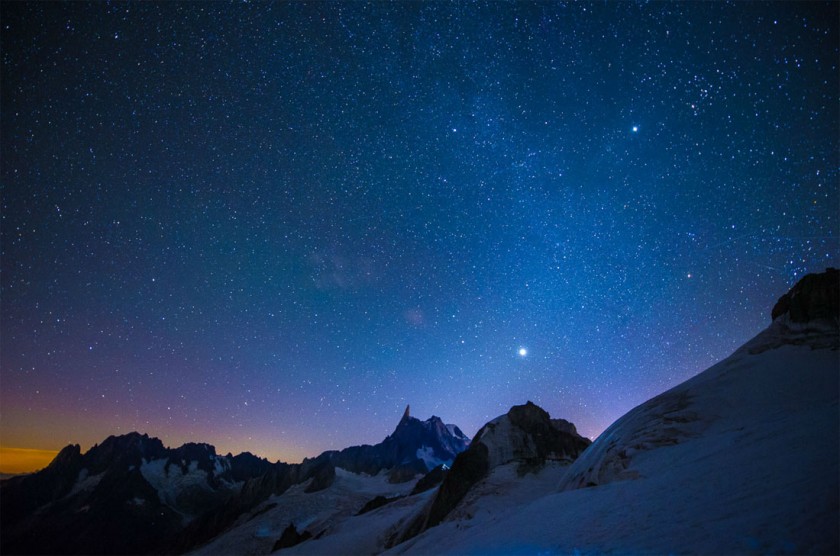
Winter landscape photography is less about waiting for snow to look pretty and more about reading cold light, high contrast, and weather that changes in minutes. The fifteen frames below come from Alpine mountain work—peaks, valleys, and weather systems that turn ordinary ridgelines into graphic studies of white, shadow, and scale. Together they show why winter remains one of the most demanding seasons for landscape shooters: batteries die faster, fingers go numb, and every exposure decision fights glare from snow that can fool a meter into underexposure.
Use the gallery as a visual checklist. Notice how often the strongest images simplify the scene—sky, snow plane, and a single dark mass of rock or timber—rather than trying to include every distant ridge. That restraint is the craft lesson hiding inside the spectacle.
1–3. Scale, weather, and first light
Early frames in Alpine winter sets often establish altitude before they establish detail. Wide views of snow-covered slopes under broken cloud teach the eye how weather sits on topography. When you shoot similar ground yourself, arrive before sunrise if safety allows. Pre-dawn blue and the first warm edge on a summit create depth that midday sun flattens into a single bright plane.
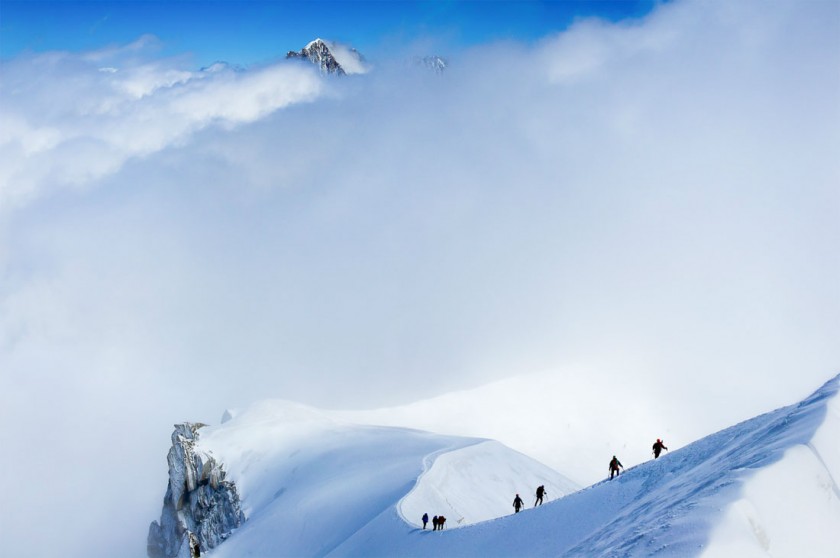
Clouds are not obstacles in winter—they are structure. Low decks that scrape ridgelines turn mountains into layered silhouettes. High, thin cirrus can soft-box the sun enough to keep highlight detail in snow without killing contrast entirely. Meter for the brightest snow you care about keeping, then lift shadows carefully later rather than blowing the whites in camera.
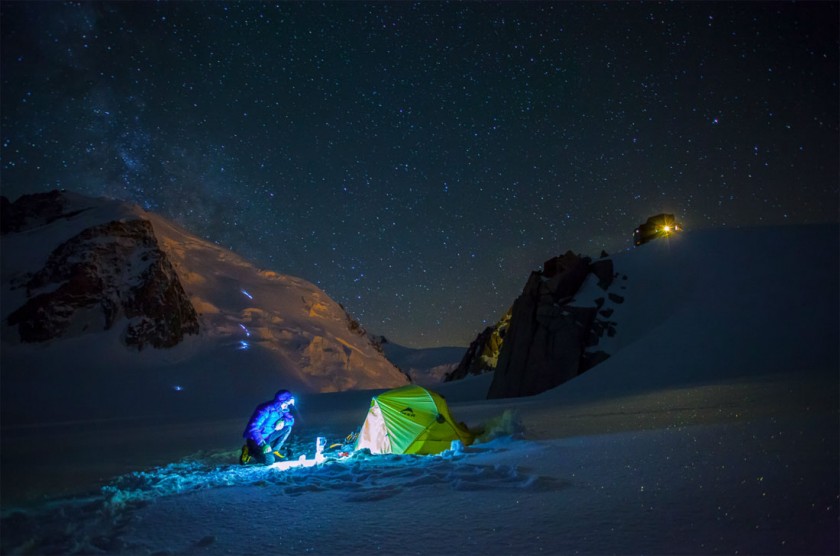
Look for leading lines made by ridges, ski tracks, or wind-scoured snow. Winter ground is a blank notebook; any intentional line becomes composition. A slight telephoto compression can stack distant peaks so they feel monumental without walking into avalanche terrain for a “closer” shot.
4–6. Texture, cold color, and negative space
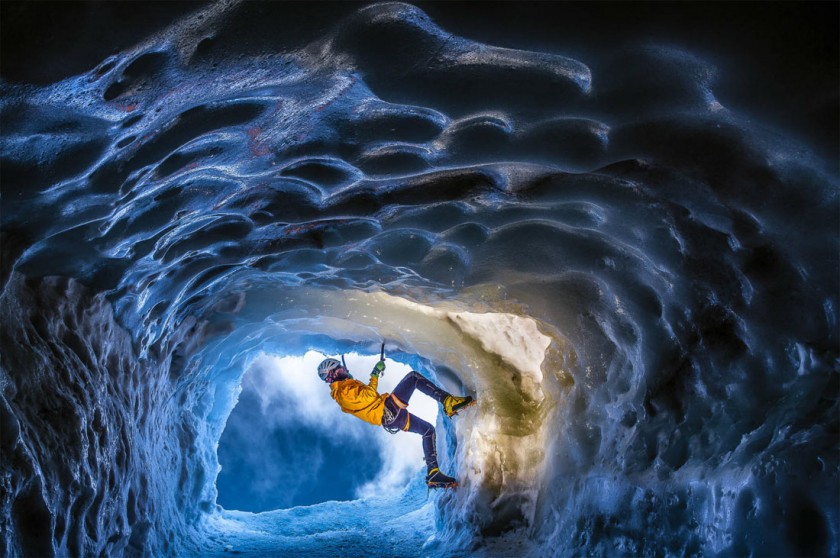
Snow is never one white. Fresh powder, wind crust, and ice each reflect light differently. Side light after a storm reveals texture; front light at noon often erases it. When Alpine photographers lean into blue-hour cold, they are not chasing a filter look—they are recording how atmosphere and snow absorb warmer wavelengths and leave a cooler cast.
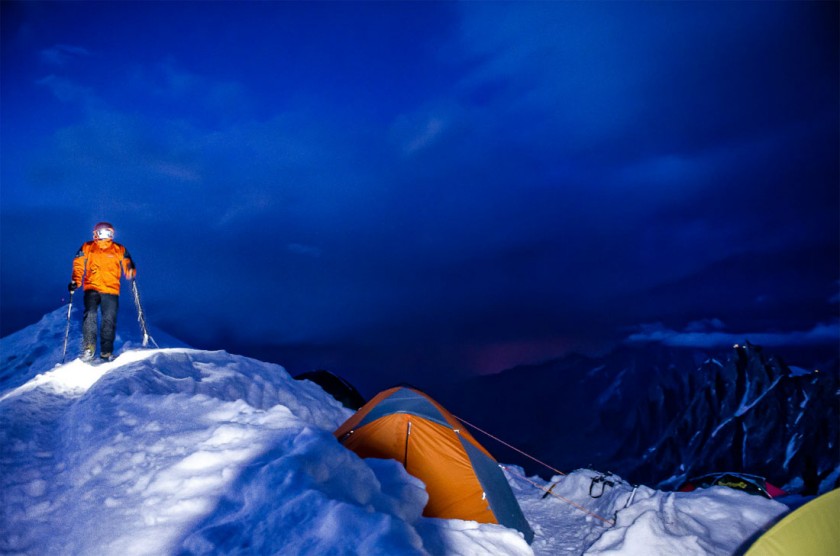
Negative space is a winter gift. A single tree, hut, or rock island in a field of white can carry more emotional weight than a crowded valley panorama. Leave room in the frame. Resist the urge to crop until every edge is busy. Quiet photographs travel farther than busy ones when snow already provides drama.
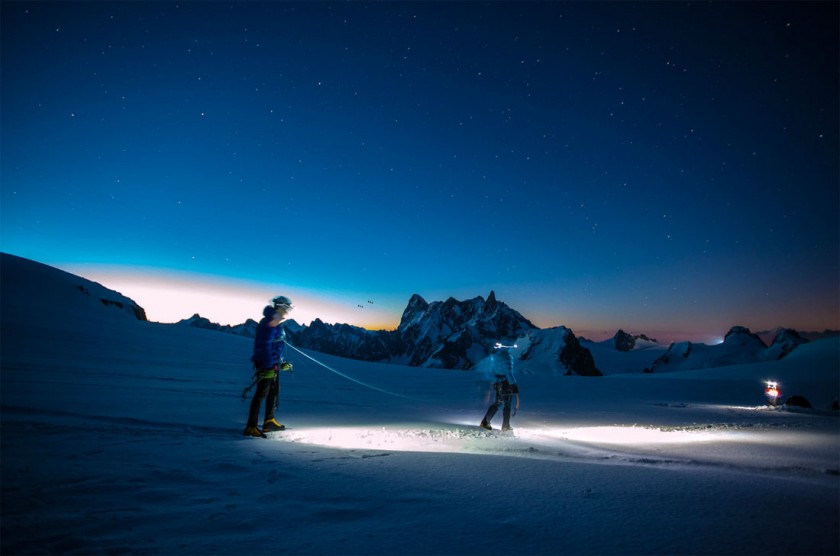
Fog and inversion layers turn mid-ground ridges into soft gradients. Expose carefully: fog can trick cameras toward gray mud. A slight intentional underexposure often preserves atmosphere better than a “correct” mid-tone push that flattens the mist into haze.
7–9. Human scale and mountain geometry
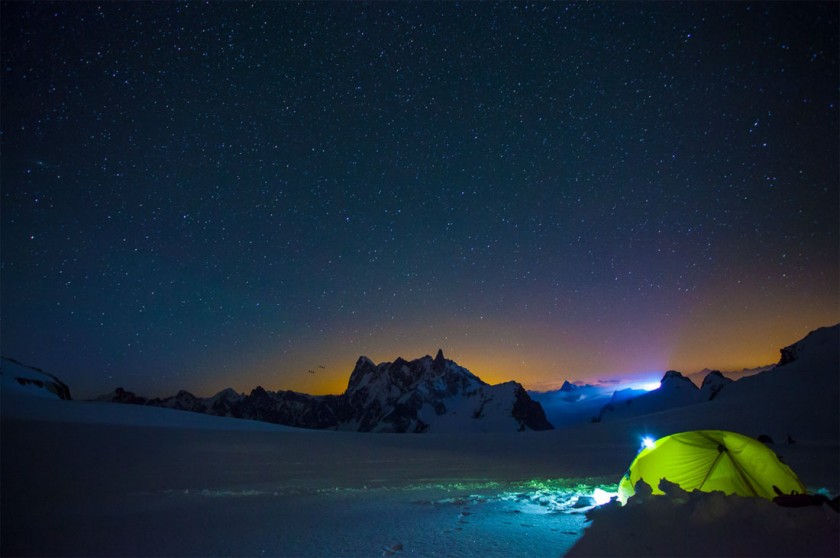
When a tiny figure or structure appears in Alpine winter work, it is usually there for scale, not as the subject. That is a useful discipline. Place people carefully so they do not compete with the mountain’s geometry. Ask yourself whether the landscape still works if the figure is removed; if not, you may be making a portrait with scenery, not a landscape with context.
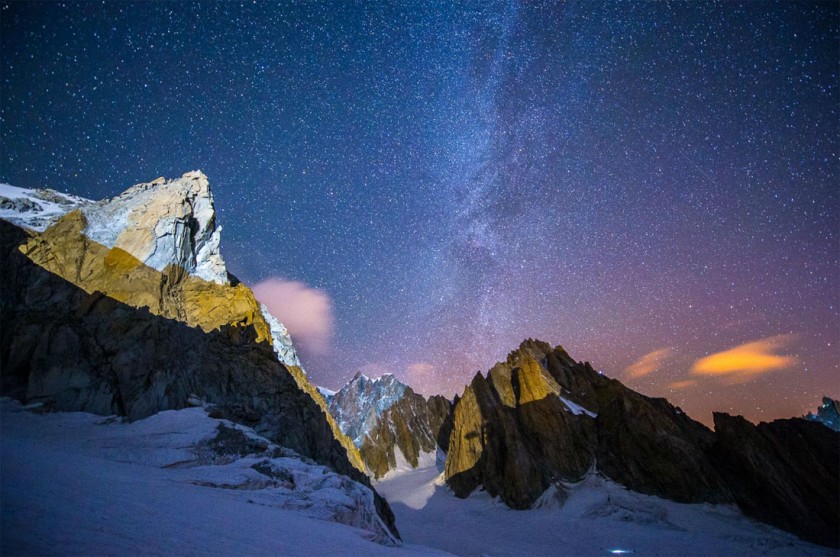
Hard rock against soft snow is one of winter’s best contrasts. Dark granite or limestone anchors the eye and gives the whites a reference. Compose so those dark shapes form a clear silhouette or diagonal, then let snow fill the rest. Graphic clarity beats literal completeness.
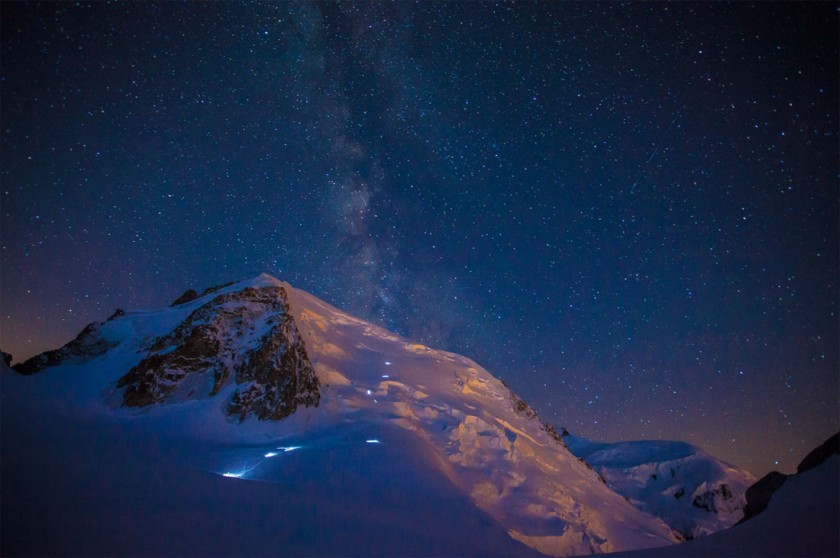
Storm light—sunbeams punching through breaks in cloud—is rare enough that you should stop walking and shoot when it happens. Have a composition ready: know your foreground, know your apex peak, and wait. Winter storms move; that window may last seconds.
10–12. Forests, valleys, and quieter frames
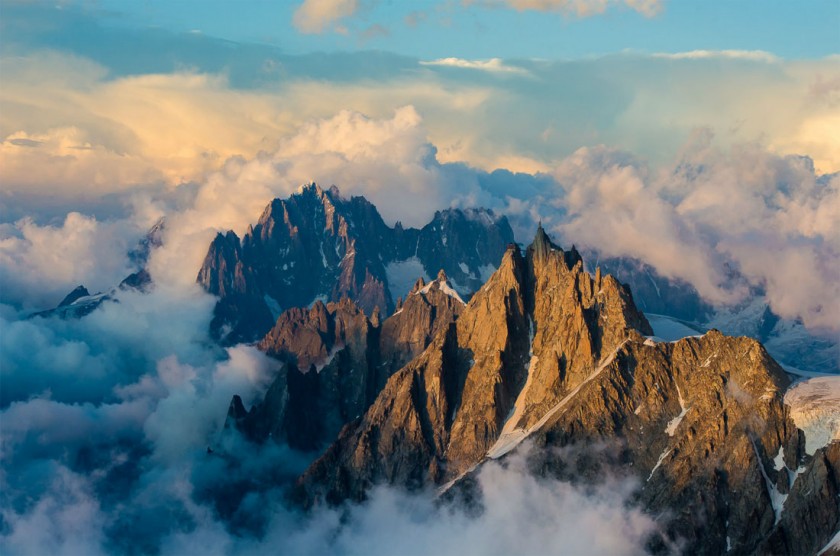
Not every winter masterpiece is a summit panorama. Snow-laden conifers, frozen creeks, and valley floors under soft overcast are equally Alpine. Soft light is forgiving for forests: it reduces harsh trunk highlights and lets needle texture remain readable. A polarizing filter can deepen sky and cut glare on ice, but use it lightly when snow already dominates the frame.
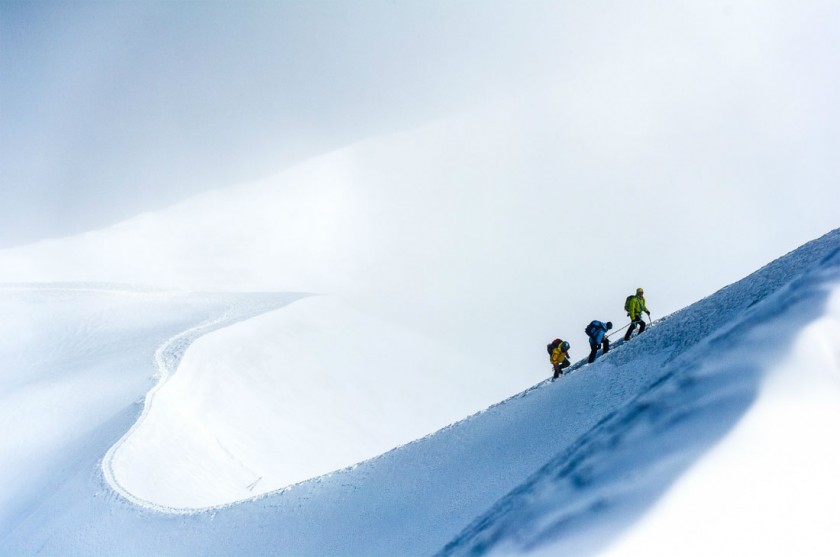
Depth comes from layered planes: near snow, mid timber, far ridge. Choose a viewpoint where those planes separate cleanly. Slight elevation—standing on a knoll rather than in a ditch—often clarifies separation without needing a drone or a risky scramble.
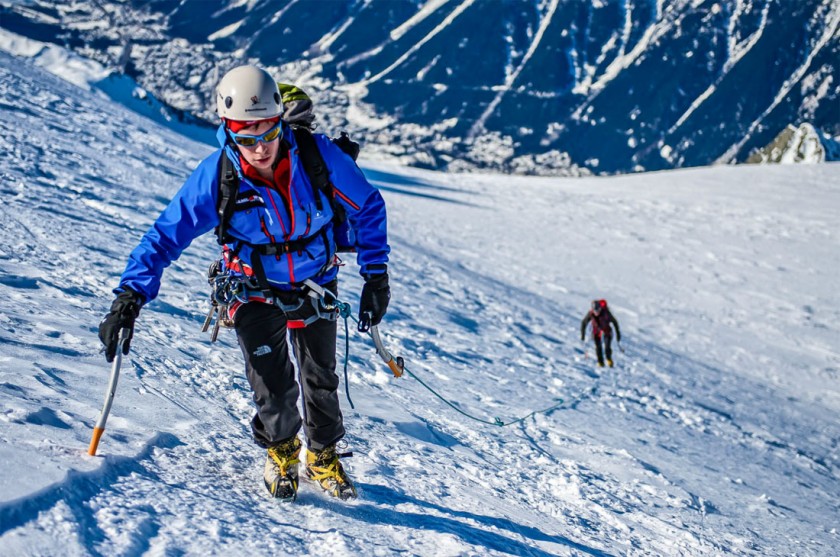
Long lenses isolate weather drama on a single face or cornice. Wide lenses immerse the viewer. Both belong in a winter kit. What matters is matching focal length to intent: isolation for graphic impact, width for environmental storytelling.
13–15. Closing light and field craft
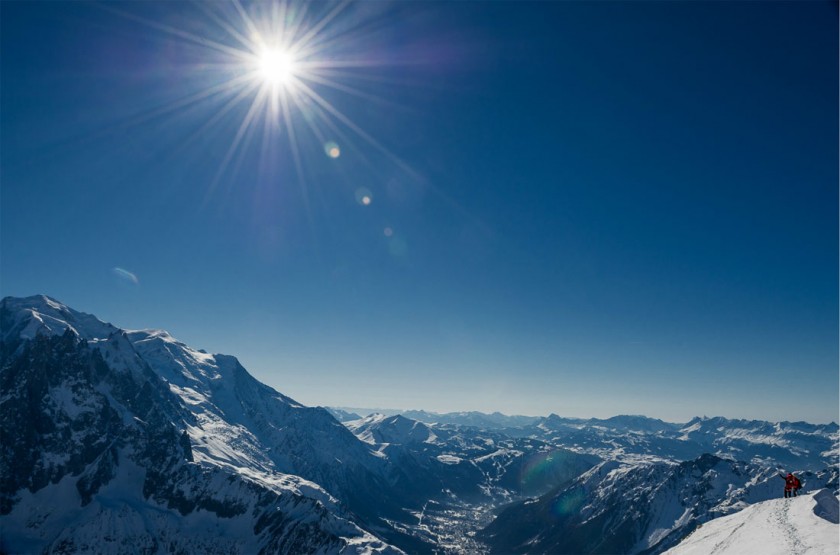
Golden hour in snow can look almost unreal—warm rims on cold blue shadows. Bracket exposures when dynamic range stretches beyond what a single RAW file can hold comfortably. Keep ISO as low as conditions allow; snow already shows noise harshly in open midtones if you push too far.
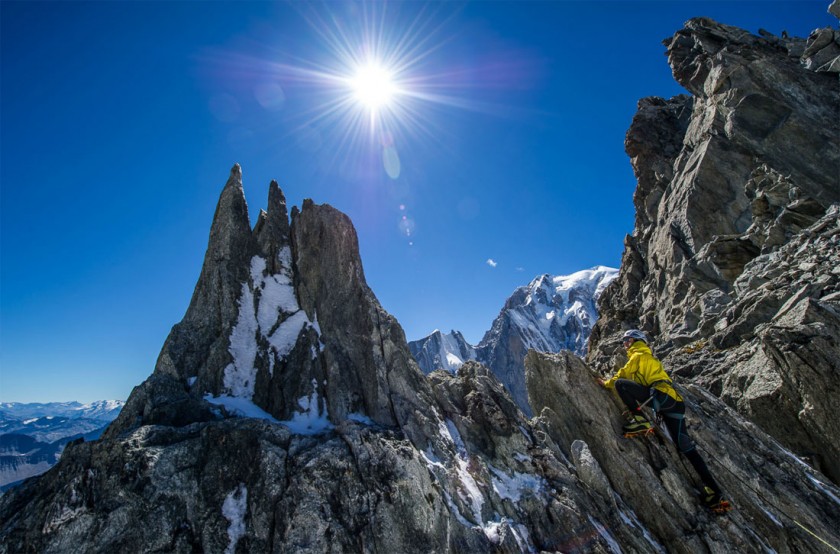
Field craft decides whether you get the last frames of the day. Spare batteries live in an inner pocket. Lens cloths stay dry. Gloves that allow shutter control matter more than a second filter. Tripods sink in soft snow—use a wider stance or a plate, and never leave a camera unattended in wind.
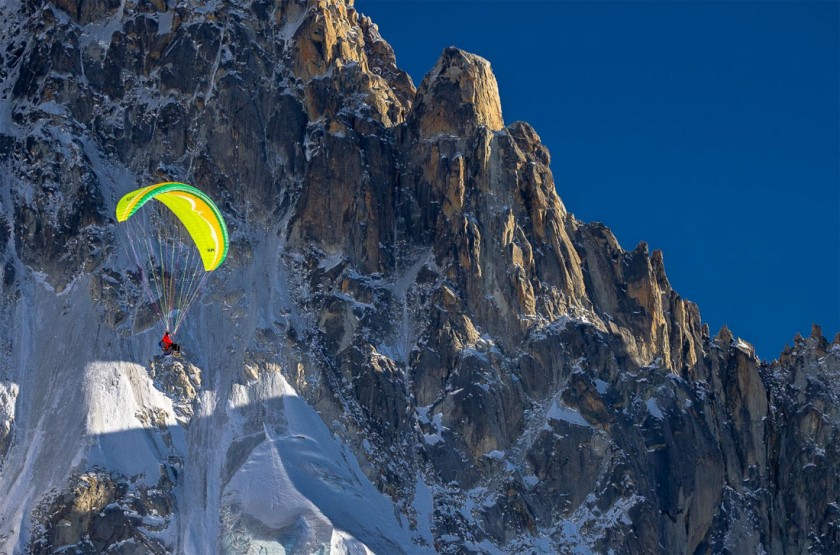
Respect avalanche terrain, road closures, and local guidance. The most beautiful winter photograph is worthless if it required a reckless line through unstable snow. Alpine photographers who return season after season tend to shoot from durable, known ground and let weather come to them.
What these fifteen frames teach
Taken as a set, the images argue for patience over checklist tourism. Winter landscapes reward people who wait for cloud breaks, who accept monochrome days, and who treat snow as a subject rather than a seasonal prop. Composition stays simple: strong shapes, careful exposure, and enough negative space for cold air to feel present in the picture.
If you are planning your own winter sessions—whether in the Alps or in any mountain range with reliable snow—study how these frames handle white. Protect highlight detail. Use dark rock and timber as anchors. Prefer side light and storm light over flat noon. Pack for colder batteries and shorter workable windows than summer ever demands. Then go out with a short shot list and leave room for the unexpected weather that usually makes the photograph worth keeping.

Comments
Continue reading
Puddle Reflections: Winter Streets Doubled in Rainwater
After rain, shallow puddles become street-level mirrors—a #puddlegram gallery of winter and city reflections from photographers who shoot low and wait for still water.
David Shield Landscape Photos: Blue Hour, Reflections, and Honest Color
Eighteen landscape photographs by David Shield—coastal twilight, alpine mirrors, and light-handed color that preserves place over spectacle.
10 Norwegian Landscape Photographs by Tore Heggelund
Lighthouses, skerries, winter mountains, and storm light—ten atmospheric landscape photographs by Norway-based photographer Tore Heggelund.