
David Shield Landscape Photos: Blue Hour, Reflections, and Honest Color
Eighteen landscape photographs by David Shield—coastal twilight, alpine mirrors, and light-handed color that preserves place over spectacle.
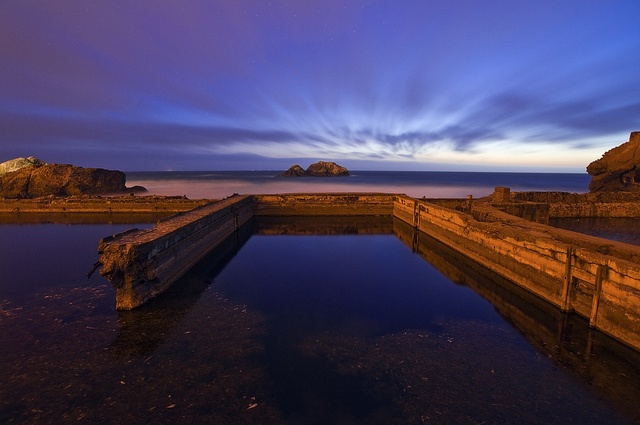
David Shield’s landscape photographs chase the moment when color and structure agree. Coastal ruins at blue hour, alpine lakes that mirror sunlit rock, desert and forest frames built around clean horizons—his published work from the early 2010s argued for patience over spectacle. The eighteen images here show that argument in sequence: long exposures that calm water, golden light that models stone, and compositions that leave space for weather to finish the frame.
Shield has described his practice as a mission to preserve light and color with respect for the places that produce them. Profiles and workshop notes emphasize authentic scenes, distinctive vantage points, and finishing that stays light-handed—Photoshop as housekeeping, not reinvention. That ethic reads clearly across this gallery, which is why the pictures still feel trustworthy years after they first circulated on photography blogs.
Blue hour and the patience of ruins
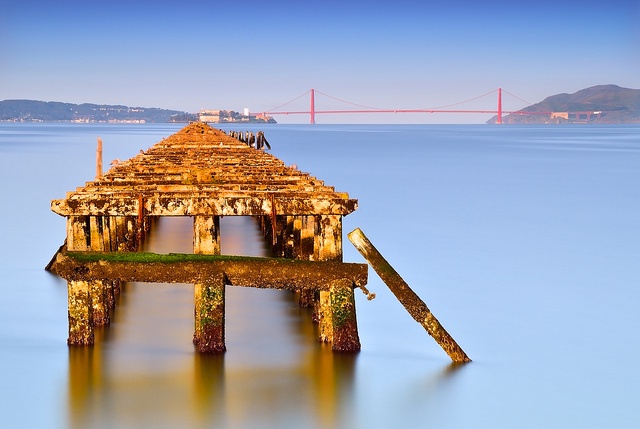
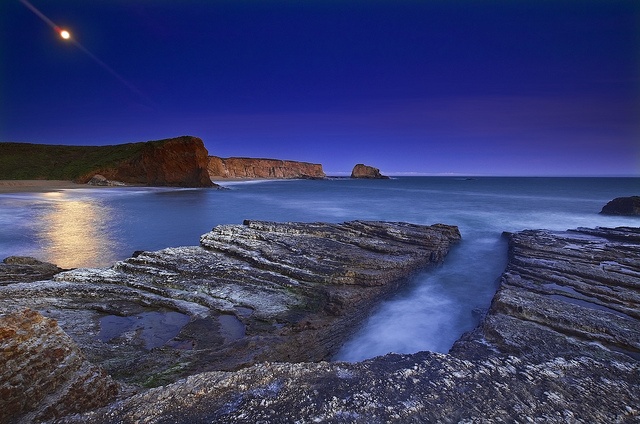
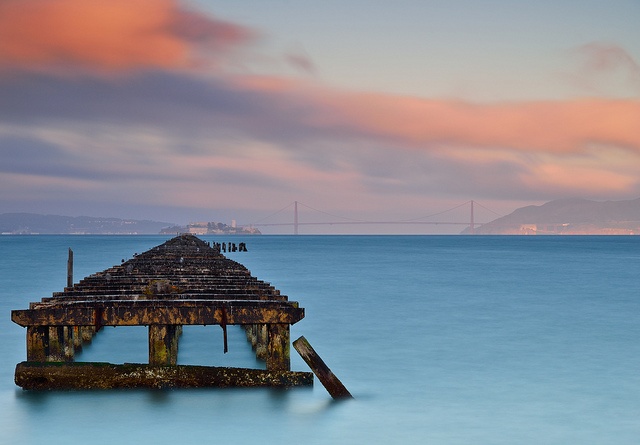
The Sutro Baths frame is a textbook blue-hour coastal study. Concrete pools hold the sky like dark mirrors; Seal Rocks puncture the horizon; long exposure turns clouds into soft radial streaks. Warm light kisses the upper edges of the ruins just enough to separate structure from water. The mood is contemplative rather than storm-chasing drama—decay treated as geometry.
Long exposure here is not a gimmick. It solves a real problem: restless ocean and drifting cloud would otherwise shred the stillness the composition wants. A locked tripod, careful timing after sunset, and an exposure long enough to smooth motion give the ruins the dignity of a stage set. Shield’s coastal work often lives in that window when day-trippers have left and the spectrum cools toward violet and deep blue.
Ruins also supply ready-made leading lines and rectangles. Photographers who only chase “pure wilderness” miss how human remnants can organize a seascape without stealing it. Sutro’s pools are both subject and viewfinder—they tell you where to stand.
Reflection as architecture
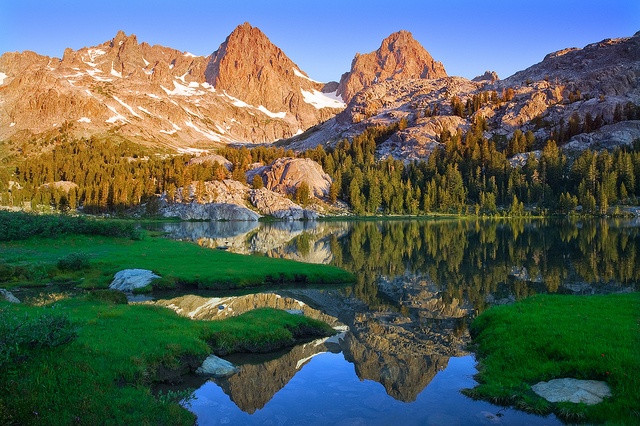
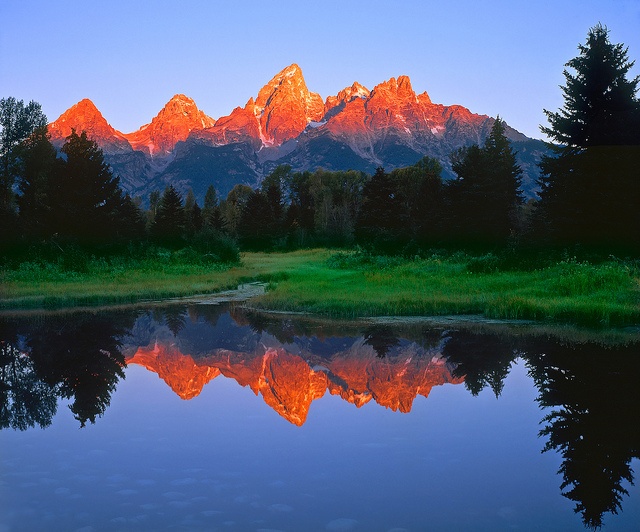
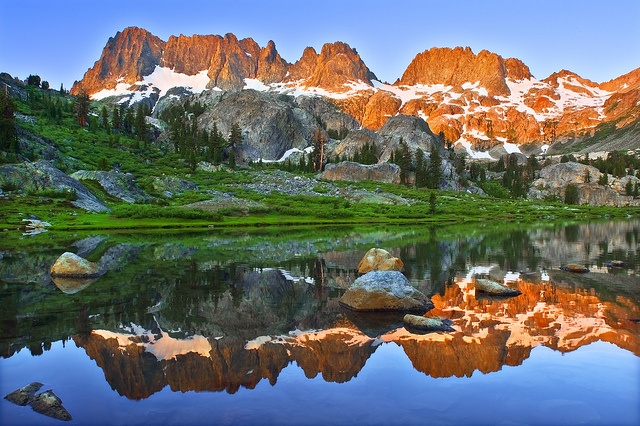
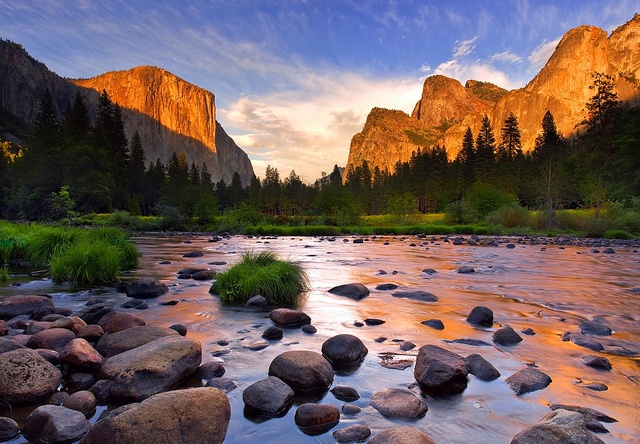
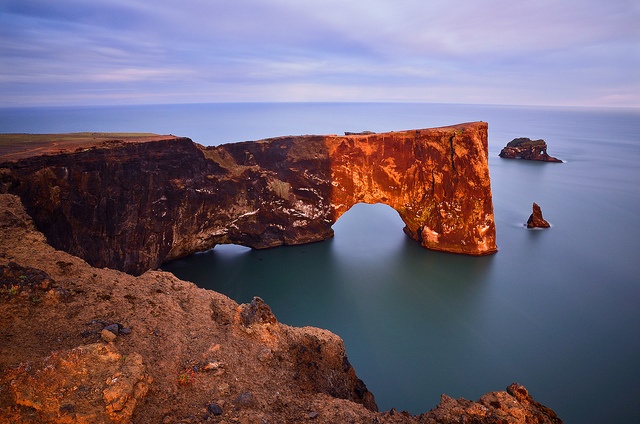
The alpine lake image flips the mountain into a second structure. Warm light on high rock contrasts with cool shadowed shoreline; evergreen bands lock the far edge; foreground grass and clear water give the eye a place to enter before the mirror takes over. Symmetry is almost perfect, yet the frame does not feel mechanical—because the light is directional, not flat, and the near bank breaks pure doubling.
Reflection photographs fail when wind or mid-exposure ripples destroy the idea. Shield’s successful mirrors imply waiting: dawn or dusk glass, wind checks, and a willingness to abandon the shot when the lake refuses. The reward is a landscape that feels twice as tall without digital invention.
Exposure balance is the other quiet skill. Bright peaks and darker timber often share one frame; meter carefully or bracket, then finish so neither zone becomes a plastic plate. The reflection should feel like water, not like a duplicated layer slid downward in software.
Color kept honest
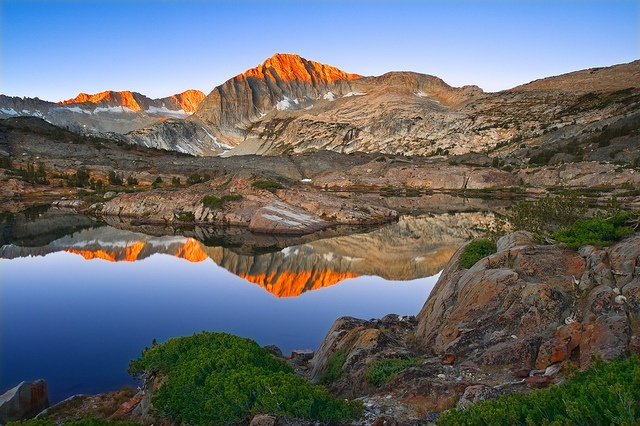
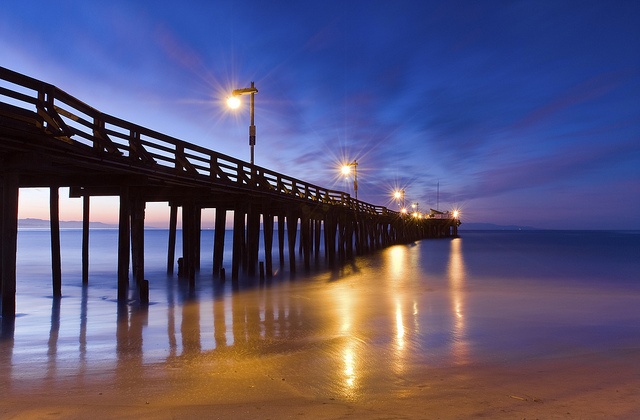
Shield’s public statements about preserving color sit against a decade when landscape feeds often pushed saturation until stone looked painted. His stronger files keep hue vivid but local: warm rock stays rock-colored, greens hold chlorophyll rather than neon, twilight blues deepen without turning purple mush. Contrast is present, especially where sunlit peaks meet shade, yet edges rarely crunch into HDR halos of the era.
That restraint helps prints and screens alike. Overcooked landscapes fatigue quickly; these invite a longer stay because the eye trusts the weather. If you teach yourself from the set, study where the brightest clean highlight lives and whether shadow still contains texture. That span—held without shouting—is the craft you are looking at.
Honest color is also an ethical claim in soft clothing. It says the place was enough. When every file screams, none of them convince. Shield’s quieter chroma is a form of respect.
Vantage, not just destination
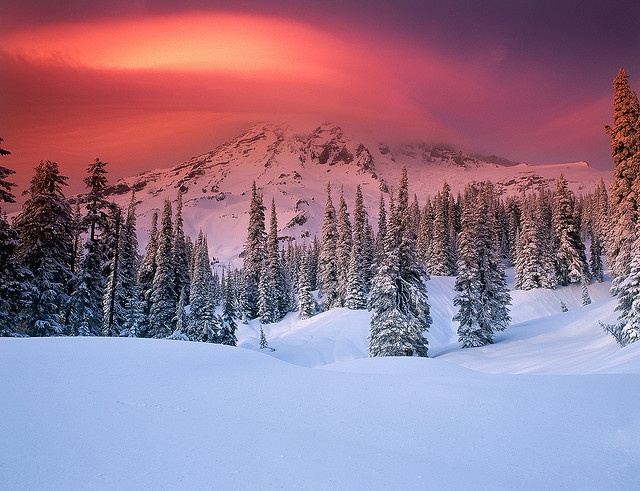
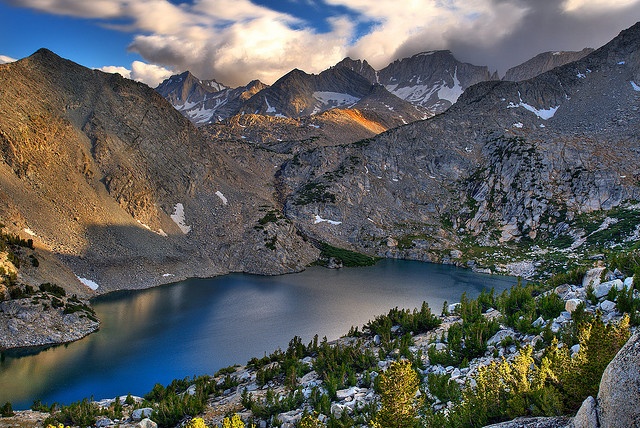
Workshop writing around Shield’s teaching—later focused on coasts such as northern Spain, with earlier work tied to western U.S. landscapes including places like Colorado country—stresses finding angles that are not the default overlook railing. The gallery supports that claim visually. Foregrounds matter: grass banks, concrete edges, rock texture. Midgrounds connect. Skies participate as weather, not as empty caps on top of a postcard.
Unique perspective does not require reckless climbing. Often it means walking twenty metres off the postcard mark when rules allow, dropping the camera toward water level, or waiting until side light separates a ridge that looked flat at noon. Shield’s frames feel inhabited by a photographer who arrived early and stayed awkward-long.
Teaching notes also emphasize meeting people at their skill level. That patience shows in the pictures’ clarity: compositions that advanced amateurs can learn from without needing secret gear. Tripod, timing, and feet still do most of the work.
Field craft behind the calm
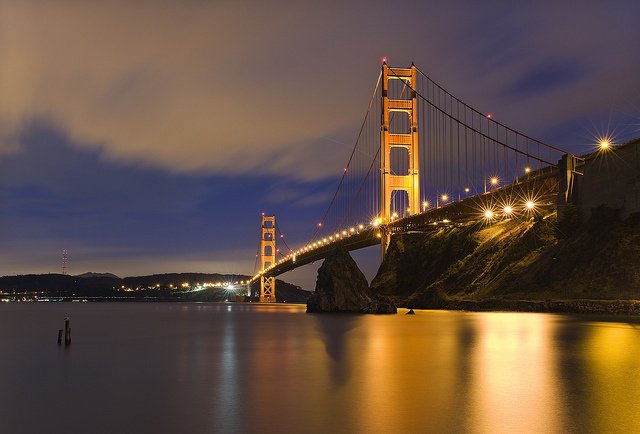
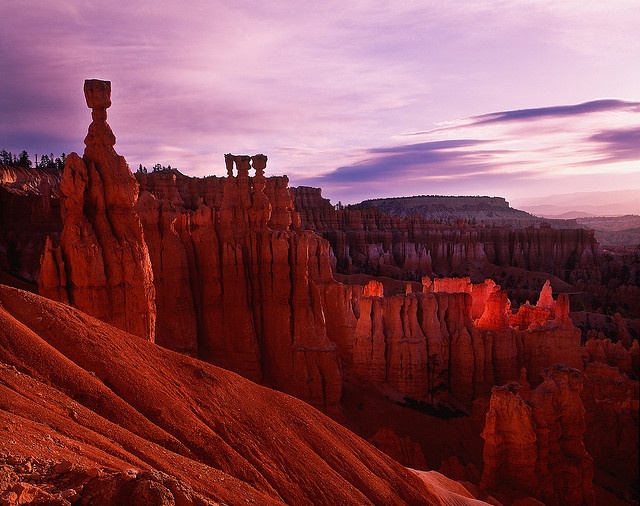
Calm pictures usually hide logistics. Coastal twilight demands dry bags, lens cloths for salt air, and headlamps for the walk out. Alpine reflections demand cold hands, stable footing on wet grass, and batteries kept warm in an inner pocket. Shield’s published presence in outlets such as Outdoor Photographer and Popular Photography sits on that unglamorous base: repetition, weather patience, and ethical distance from fragile ground.
Minimal processing, as he frames it, still includes the ordinary duties—dust removal, modest contrast, color balance across mixed light. The line he draws is against inventing weather or crushing local contrast until the scene becomes illustration. Looking at these eighteen files, you can believe the hours that produced them even when the caption is silent.
Respect also means leaving the place as found. No trampling nursery plants for a foreground flower, no blocking trails for a personal project, no drones where rules forbid them. The calm in the files is partly moral: nothing in the frame needed a shortcut that damaged the subject.
A working checklist from the set
- Arrive for blue hour with a tripod plan, not only a sunset plan.
- Use foreground structure—ruin edge, grass bank, rock—to lead into depth.
- Protect highlight shape in bright peaks and bright skies; lift shadows later if needed.
- Wait for true calm when reflection is the idea; otherwise change the idea.
- Finish for trust: vivid, not radioactive.
- Leave the site cleaner than the light you found.
Return to the Sutro pools or the mirrored peaks after scrolling the full set. Notice how little of either image depends on a famous name stamped in the caption. The places matter, but the photographs work because light, timing, and vantage were treated as the real subjects. Carry that habit to whatever coast or lake you reach next, and the files you keep will need fewer excuses in post.

Comments
Continue reading
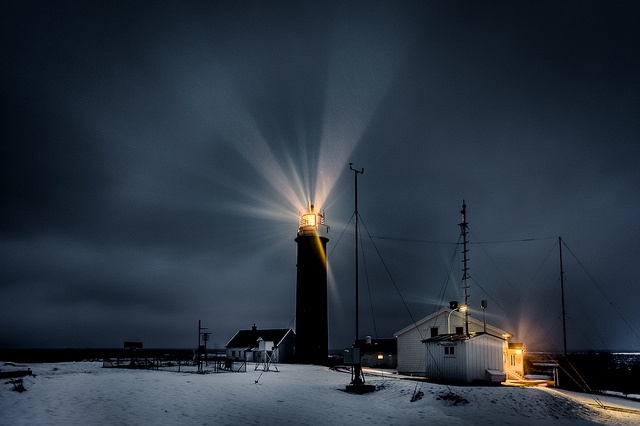
10 Norwegian Landscape Photographs by Tore Heggelund
Lighthouses, skerries, winter mountains, and storm light—ten atmospheric landscape photographs by Norway-based photographer Tore Heggelund.
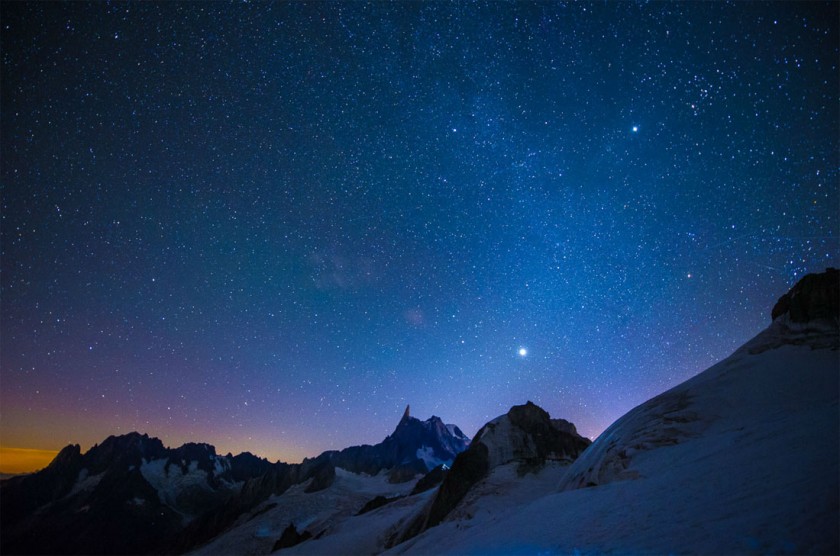
15 Winter Landscape Photos: Alpine Light, Snow, and Mountain Craft
Fifteen Alpine winter landscape frames—plus practical notes on cold light, snow exposure, storm weather, and field craft for mountain photography.
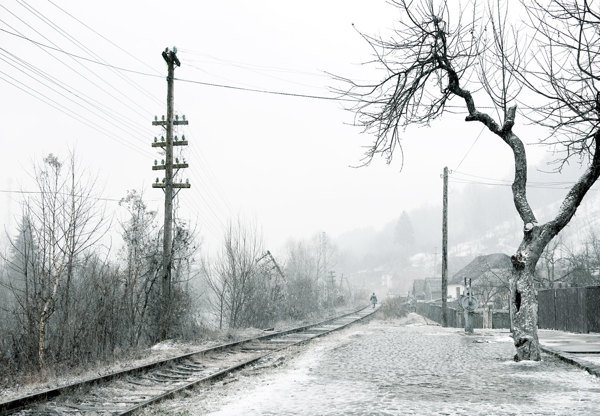
Landscape Romania: Photographs by Darran Rees
A gallery feature on Darran Rees’s Romania landscapes—Carpathian weather, rural edges, and a long look at Eastern European land shaped by patience rather than postcard haste.