
Landscape Romania: Photographs by Darran Rees
A gallery feature on Darran Rees’s Romania landscapes—Carpathian weather, rural edges, and a long look at Eastern European land shaped by patience rather than postcard haste.
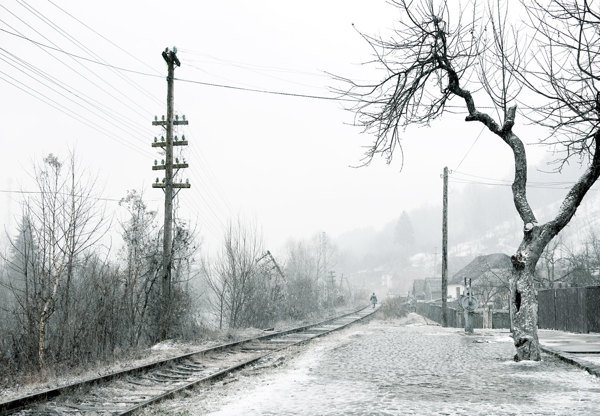
Romania rewards a landscape photographer who is willing to stay longer than a weekend itinerary allows. Mountains, villages, winter roads, and open fields do not announce themselves with a single postcard view; they accumulate through weather, season, and the slow recognition of how people and land still share the same frame. That long look is the territory of photographer Darran Rees, whose Romania work sits inside a wider interest in Eastern Europe’s changing countryside—and whose selection here shows the country as atmosphere rather than checklist.
Born in Wales and trained first in art and painting, Darran Rees later moved to London and into photography full time. The painting background matters: his landscapes often feel composed for tone and mass, not only for scenic novelty. Award recognition in international photography competitions followed work across subjects, but the Romania pictures remain among the clearest statements of his eye—patient, grounded, and alert to places that are still becoming familiar to outside viewers.
Why Romania, and why a long project
Many travel portfolios treat Eastern Europe as a quick contrast to Western capitals. Darran Rees approaches Romania differently. The work belongs to a long-term project on emerging regions—places where tradition, rural labor, and modern pressure sit in the same valley. Romania offers that complexity in abundance: Carpathian ridgelines and forest edges, agricultural plains, village roads that still feel local rather than curated, and light that can turn severe in winter and soft in late summer haze.
A long project also changes what the camera is allowed to notice. Instead of hunting only iconic landmarks, the photographer can return to weather patterns, seasonal color, and the quiet geometry of fences, paths, and distant settlements. The images in this gallery lean toward that slower vocabulary. Horizon lines matter. Empty space matters. A single figure or building can hold as much weight as a mountain summit because the surrounding land has been given room to speak.
For viewers, that means Romania appears less as a tourism brochure and more as a lived landscape. You may not get labeled captions for every peak or village, but you get a coherent sensibility: cool skies, textured ground, and compositions that trust silence. That trust is rare in online photo roundups, which often compress a country into five “must-see” clichés. Darran Rees’s Romania work resists that compression.
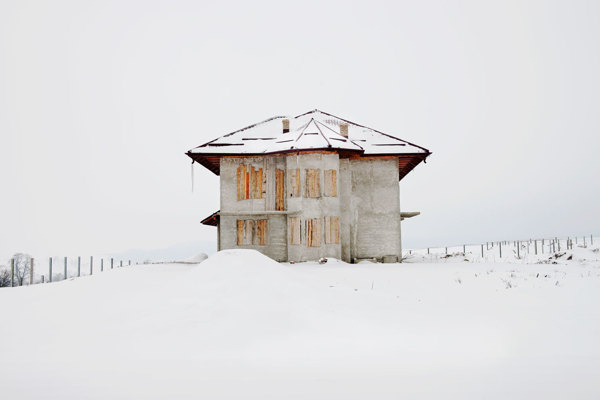
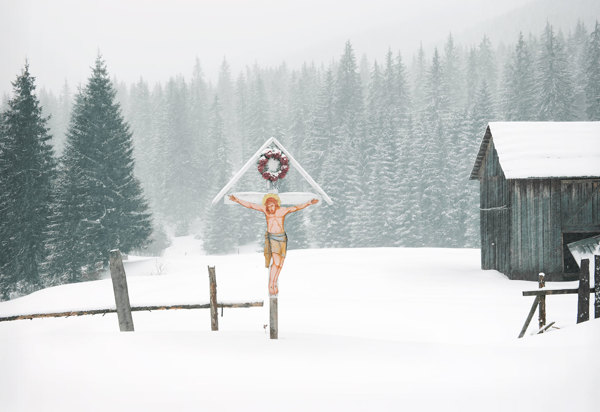
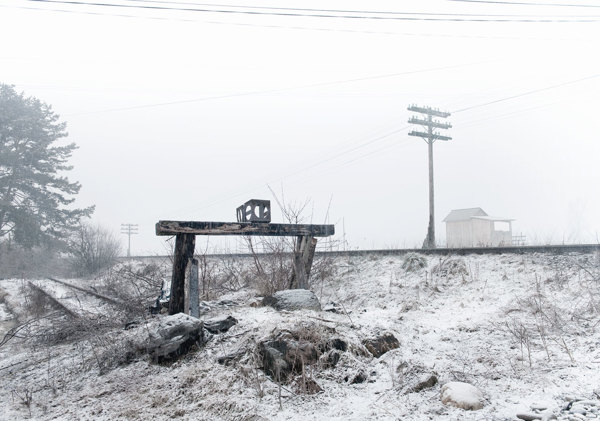
Mountains, weather, and the Carpathian register
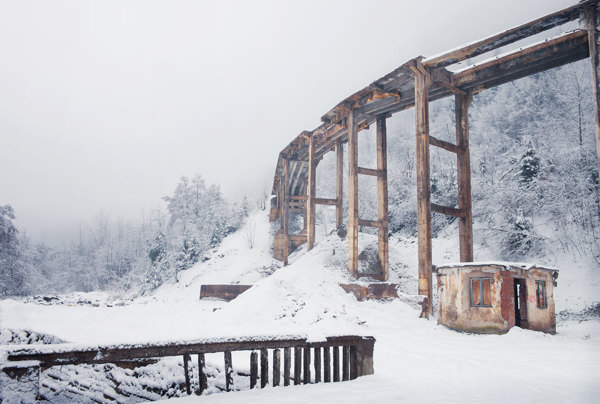
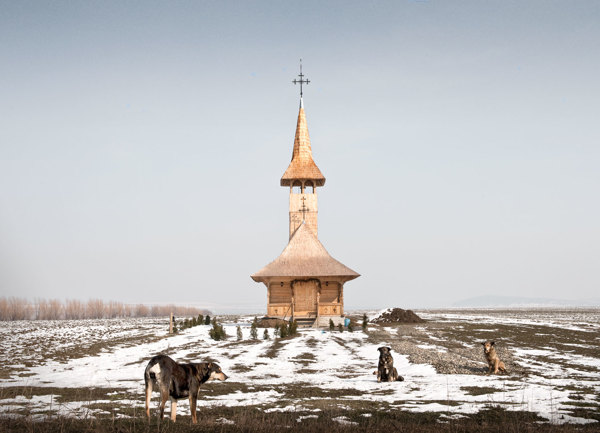
Romania’s mountain country is dramatic without needing exaggeration. Ridges can look monumental under cloud, then intimate when mist softens distance. Crosses and summit markers appear in some of Darran Rees’s related Romania frames as small human answers to huge geography—reminders that people still walk these ranges for faith, habit, and hard weather, not only for sport. Even when a photograph contains no figure, the land feels inhabited by use: trails, clearings, the sense that winter has visited often.
Weather is a collaborator here. Flat midday light is less common in the strongest frames than broken cloud, low sun, or the pale clarity after rain. That preference is not only aesthetic. Romanian highland weather changes quickly; waiting becomes part of the craft. A photographer trained to see in values—lights and darks, warm and cool masses—can use those shifts to give depth to forests and slopes that might otherwise collapse into a single green or brown band.
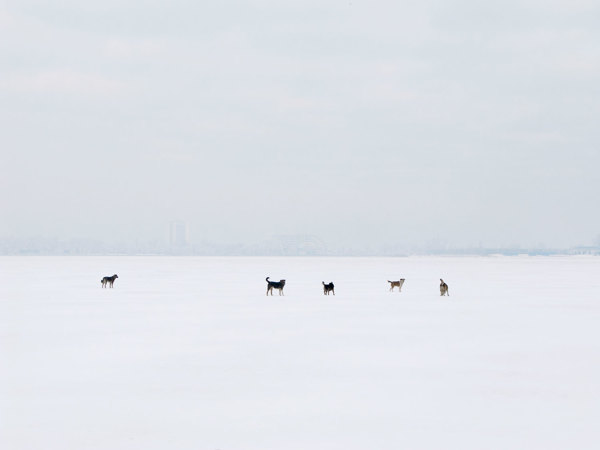
Look at how sky is budgeted in these pictures. Often a large share of the rectangle belongs to cloud or open air, which keeps the land from feeling cramped. That choice also communicates altitude and exposure: you feel the openness before you analyze the subject. It is a painter’s habit transferred to the lens—establish the atmosphere, then let the motif sit inside it.
Village edges and working land
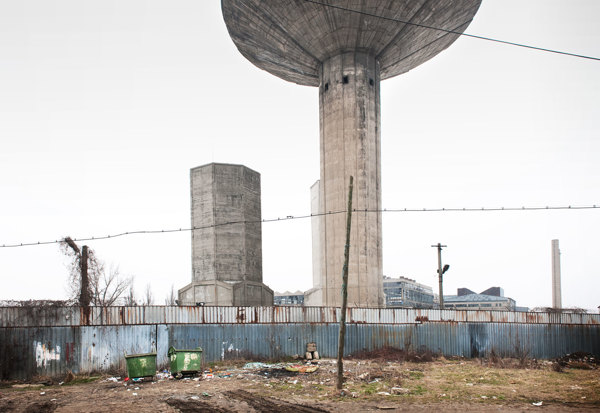
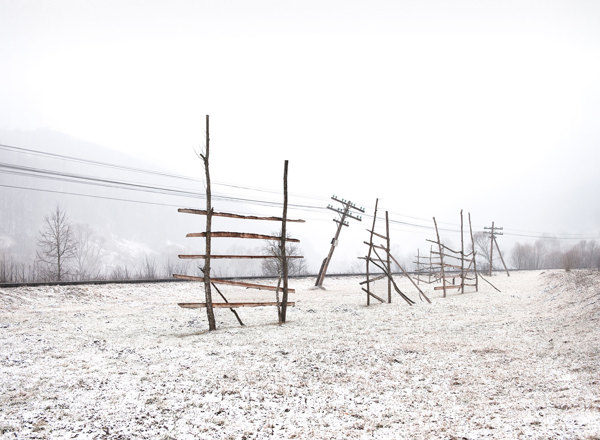
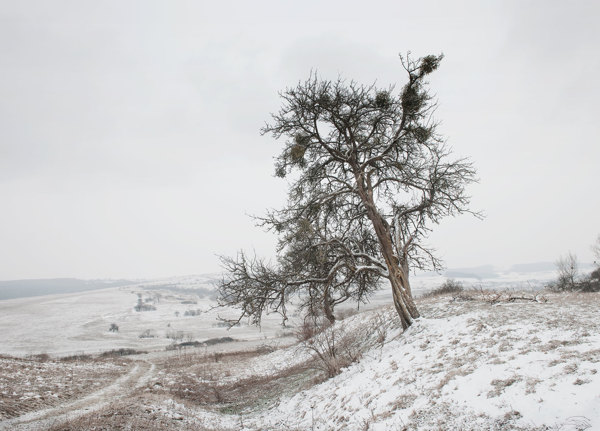
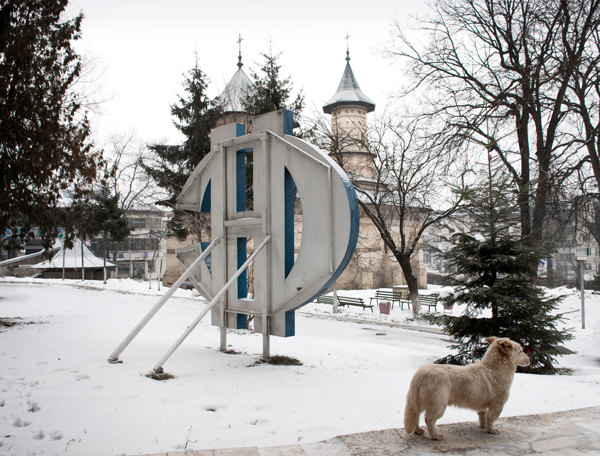
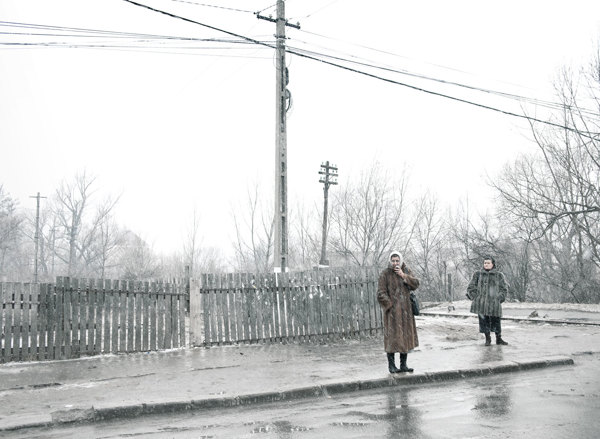
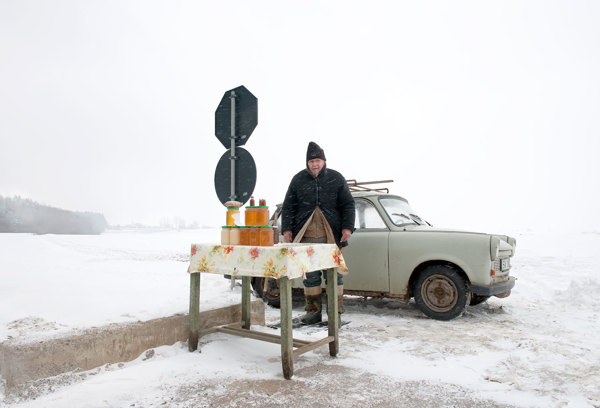
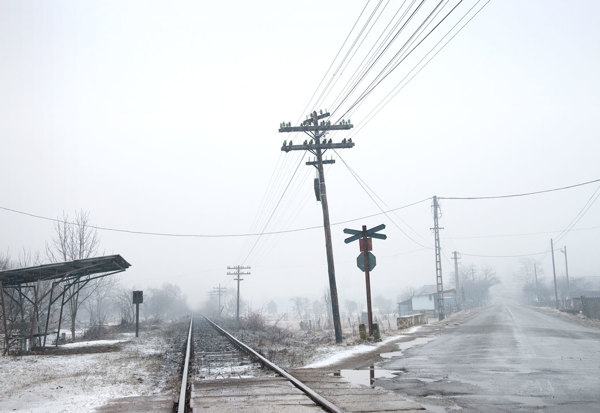
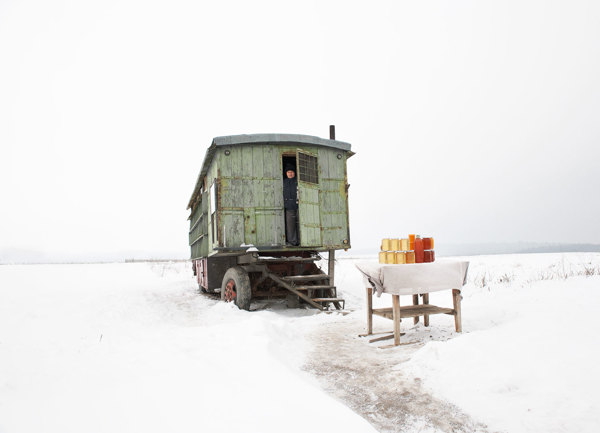
Not every strong Romania landscape is a summit view. Some of the most telling frames sit at the edge of settlement: a road bending toward houses, a field that still shows labor, a winter tree line that separates farm from forest. Darran Rees’s portfolio attention to Eastern Europe includes these transitional zones, where modernity arrives unevenly and older patterns of land use remain visible.
Those scenes ask for a different kind of respect than wilderness drama. They can look “ordinary” until composition clarifies their dignity—lines of plough or snow, smoke or mist, a roof pitch against a pale sky. The ordinary becomes specific. Romania, in these photographs, is not only mountains for visitors; it is also the working ground between towns, the places people actually live with weather.
Color stays restrained. Mud, timber, winter grass, and overcast light form a palette that feels earned rather than filtered for social media punch. That restraint helps the images age well. Trends in landscape processing come and go; a grounded mid-tone approach keeps the country recognizable as itself.
How to read the sequence
Scroll the gallery as a continuous walk rather than a set of trophies. Notice recurring decisions: where the horizon sits, how much foreground texture is allowed, whether human structures are centered or edged into the frame. Those decisions are the signature more than any single location name. Darran Rees is less interested in proving he reached a famous viewpoint than in showing how Romania’s land holds light.
Compare a tight rural detail with a broad mountain view. The same temperament appears in both—patience, tonal control, and a refusal to oversell. That consistency is what makes a selection feel like a body of work instead of a random travel dump. It also explains why the Romania project could grow across years: the subject is large enough to return to, and the photographer’s method is steady enough to absorb new weather without changing identity.
If you photograph landscapes yourself, take practical cues without copying poses. Arrive early for changing cloud. Leave room for sky. Resist the urge to fill every corner with “interest.” Negative space is how distance enters a photograph. And when a scene looks quiet, ask whether quiet is actually the subject—Romania’s strength in these frames often is exactly that: a calm that still feels awake.
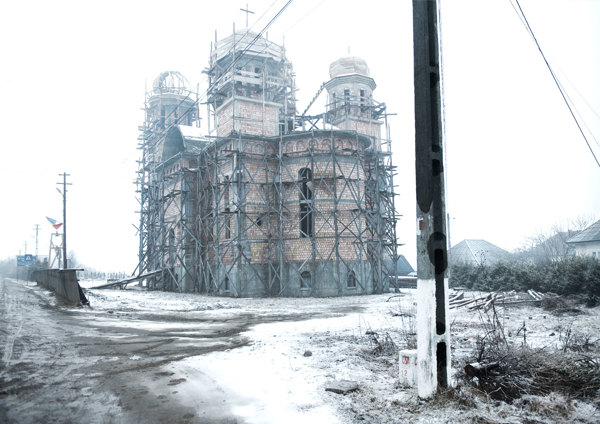
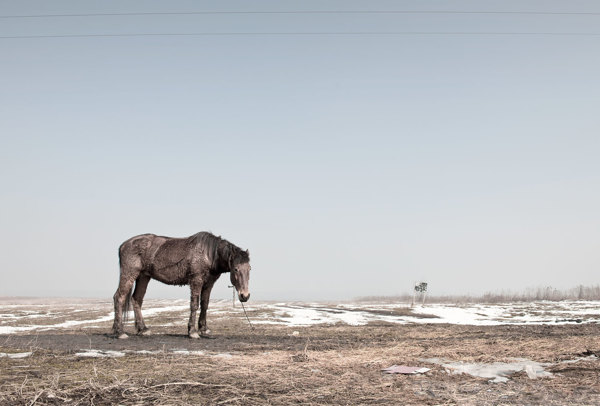
Stay with the last wide frame a moment longer than habit suggests. Let the sky finish settling in your eye. Darran Rees’s Romania is not a sprint through highlights; it is an argument for returning—to the same ranges, the same roads, the same changing light—until a country stops being scenery and starts being a place you recognize by weather alone.

Comments
Continue reading
David Shield Landscape Photos: Blue Hour, Reflections, and Honest Color
Eighteen landscape photographs by David Shield—coastal twilight, alpine mirrors, and light-handed color that preserves place over spectacle.
10 Norwegian Landscape Photographs by Tore Heggelund
Lighthouses, skerries, winter mountains, and storm light—ten atmospheric landscape photographs by Norway-based photographer Tore Heggelund.
15 Winter Landscape Photos: Alpine Light, Snow, and Mountain Craft
Fifteen Alpine winter landscape frames—plus practical notes on cold light, snow exposure, storm weather, and field craft for mountain photography.