
World’s Famous Cities in the Past
From Prague 1964 to Paris 1948 and Las Vegas 1959, a photo tour of well-known cities as they looked in earlier decades—streets, crowds, and transit before today’s skyline.
Paris, London, Las Vegas—names that usually arrive with neon, traffic, and the bright hum of a present tense. You may have walked their streets, booked a return ticket in your head, or collected them as postcards of aspiration. This feature asks a quieter question: what did those places—and others like them—look like before the current skyline finished arguing with itself? The photographs below are a tour through earlier decades, mostly black-and-white or muted in the way historical prints often are: streets, crowds, cars, beaches, and monuments caught before today’s polish.
You do not need a time machine. You need patience with grain, odd cropping, and the slight mist of age. These images are not a ranked list of “most famous cities.” They are a comparative album: American industrial towns beside European capitals, a beach boardwalk beside a Soviet avenue, Bombay in the nineteenth century beside New York in the 1970s. Read them as evidence of pace, fashion, transit, and public life—how people shared space before smartphones narrated every corner.
How to look at a city that no longer exists quite like this
Start with transit. Horses, streetcars, early automobiles, and mid-century traffic each invent a different street rhythm. A 1905 sidewalk feels wider when vehicles are fewer and slower; a 1960s boulevard can look choked even when the buildings still feel human-scaled. Then notice dress: hats, coats, hemlines, and uniforms date a frame faster than architecture sometimes does. Signage is another clock—painted shop names, neon scripts, bilingual boards, wartime austerity.
Also watch what is missing. No glass towers. No chain-store sameness. Sometimes no cars at all. Absence is information. A park path in 1927 is not only nostalgia; it is a design choice about leisure in a dense city. A beach crowd in the 1920s is a social document of who got to be on display. Treat captions as anchors, not the whole story. The year is a door; the picture is the room.
Comparison is the real sport here. Hold two frames from different decades in mind and ask what changed first: height, speed, advertising, or the way crowds occupy the pavement. Famous cities train us to recognise icons. Historical photos retrain us to notice ordinary surfaces—curbs, wires, shop awnings—that tourism marketing usually crops out.
Europe in softer light
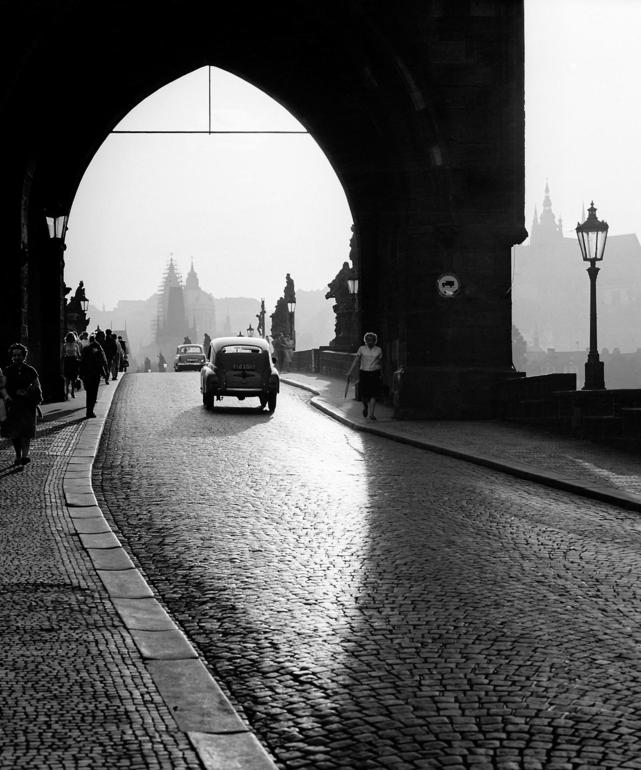
Prague, Czech Republic — 1964
Prague in the mid-1960s carries a weight of stone and sky. Facades feel close; the city reads as a continuous surface rather than a scatter of attractions. Compared with today’s tourist density, older frames often look almost privately inhabited—even when crowds are present. The vertical crop pushes your eye up the buildings, which is useful: it reminds you that historic centres were already dense long before modern visitor numbers.
Moscow, Russia — 1977
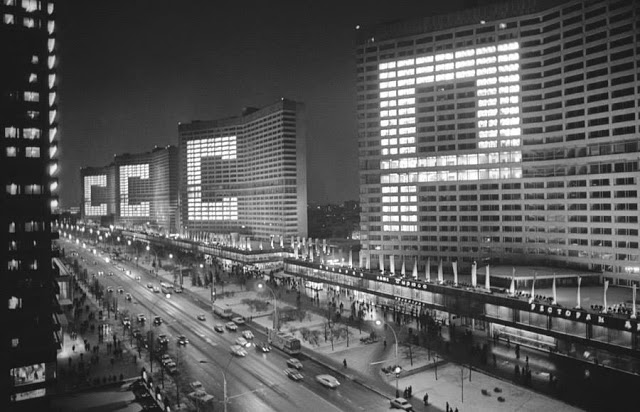
Moscow’s 1977 view sits in a different political and architectural vocabulary—wide gestures, monumental scale, a public realm organised for mass movement. Place it beside Prague’s tighter stone corridors and you see how “European city” was never one template.
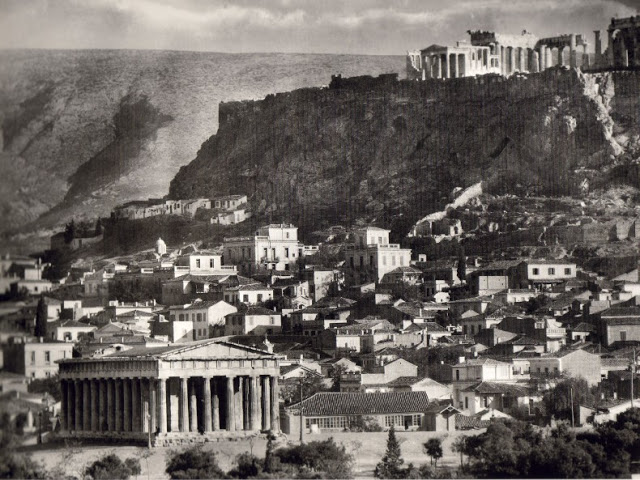
Greece — 1930s
Gothenburg, Sweden — 1961
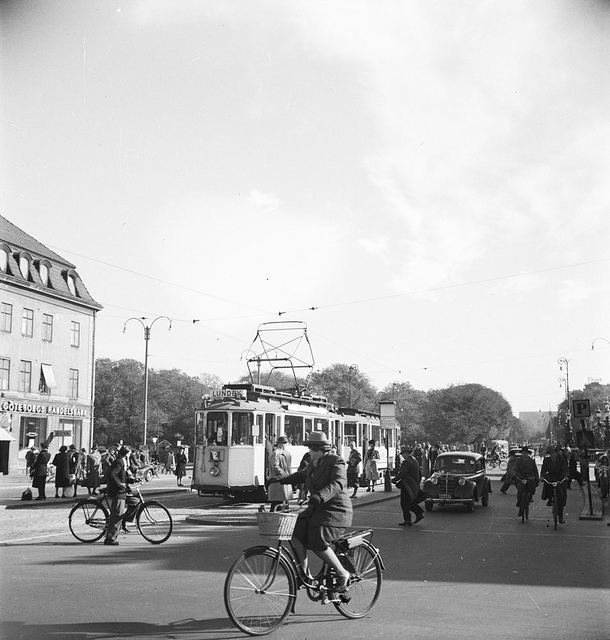
Greece in the 1930s and Gothenburg in 1961 widen the European map beyond the usual postcard capitals. One leans into Mediterranean light and older civic forms; the other into a northern mid-century street order. Including them keeps the feature honest: fame is uneven, and many cities hold just as much historical grain without the same mythic branding.
London — 1920
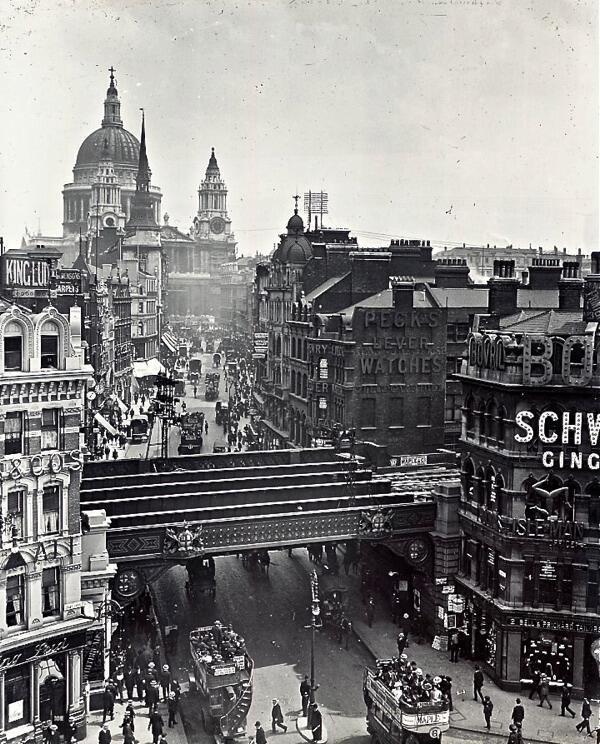
London — 1950
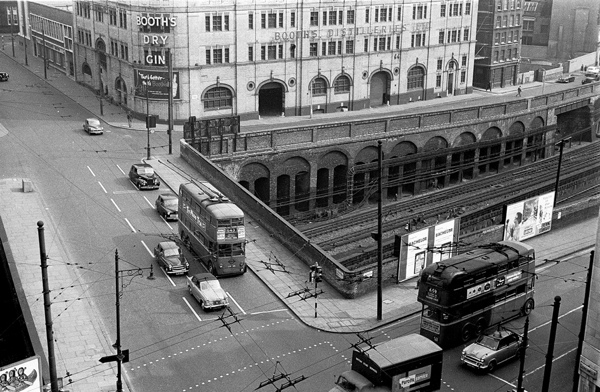
Two Londons thirty years apart already feel like different cities. The 1920 frame still leans on older street manners; by 1950, postwar textures—repair, buses, a harder everyday chic—push forward. Pairing them is the point of this album: same place-name, altered metabolism. If you only skim one comparison in the whole set, make it this one.
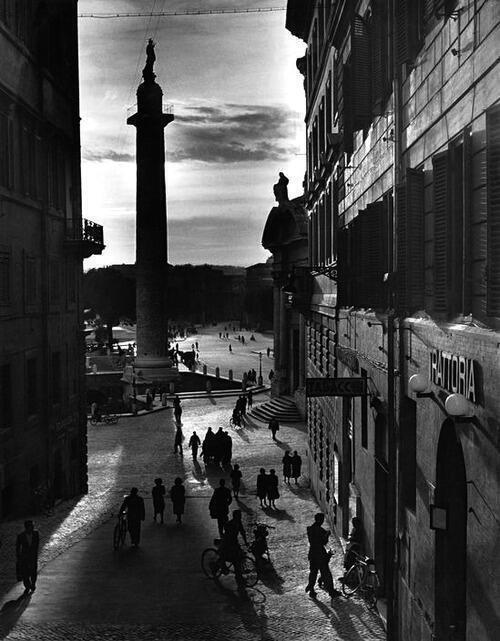
Rome, Italy — 1949
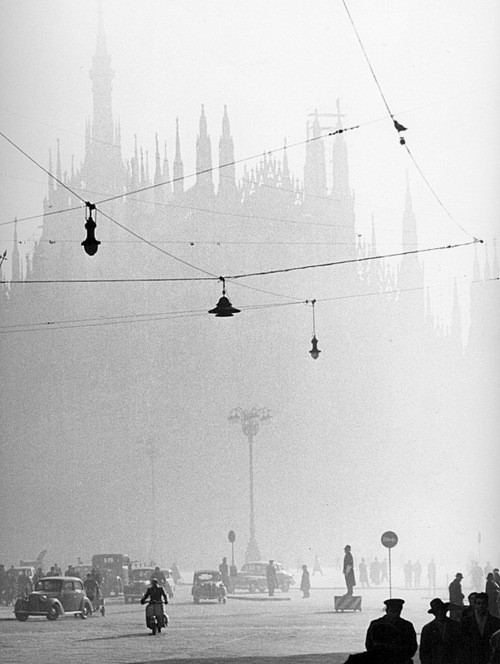
Milano, Italy — 1950
Paris, France — 1948
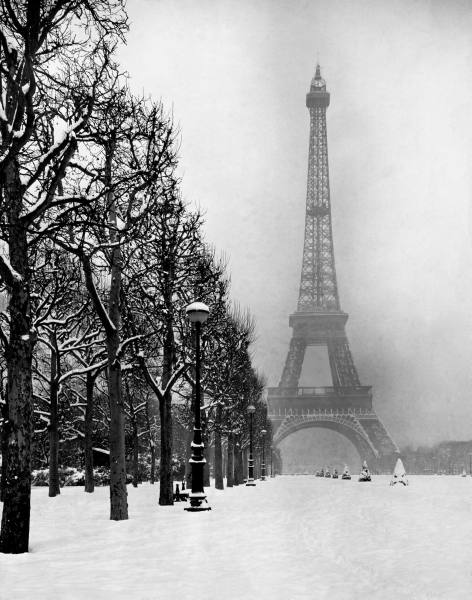
Postwar European frames often carry a double charge: monuments that survived, and streets still negotiating scarcity and recovery. Paris in 1948 is already “Paris,” yet the everyday surface can feel less curated than the city of later travel marketing. Rome and Milan, nearly contemporaneous here, show Italian urban life rebuilding confidence in public space—fashion, traffic, and stone sharing the same narrow stage.
American streets, coasts, and industry
Philadelphia — 1905
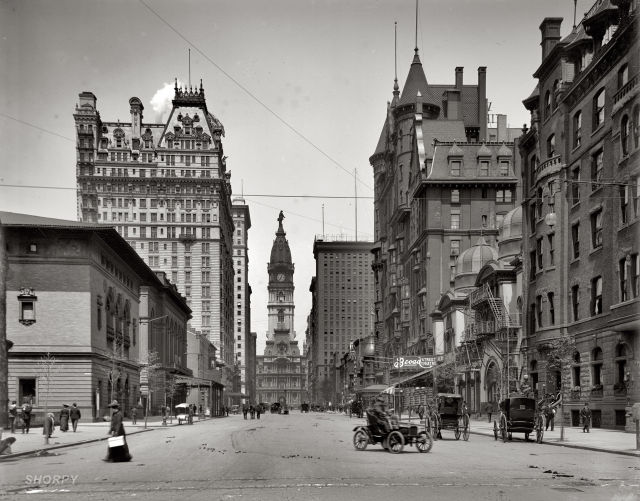
Memphis — 1910
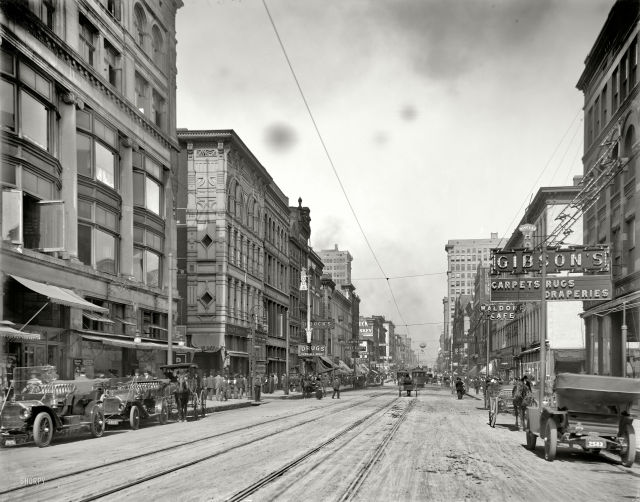
Detroit, Michigan — 1917
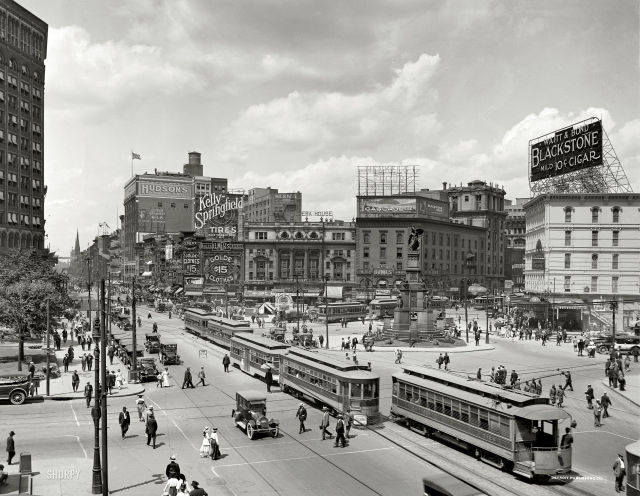
Detroit, Michigan — 1917
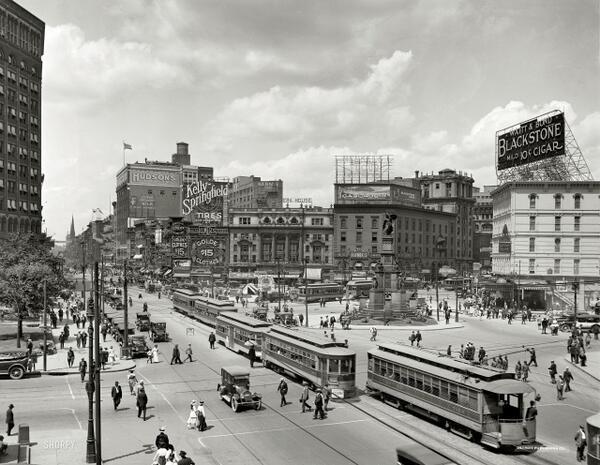
Early twentieth-century American downtowns in this set feel industrious and tightly packed: awnings, streetcars, a vertical push of brick and signage. Detroit appears twice in 1917—useful repetition. Compare angles and crowd density; the city is not a single postcard, even in one year. Philadelphia and Memphis add regional temperaments: different river economies, different commercial faces, same era’s faith in the busy street as public theatre.
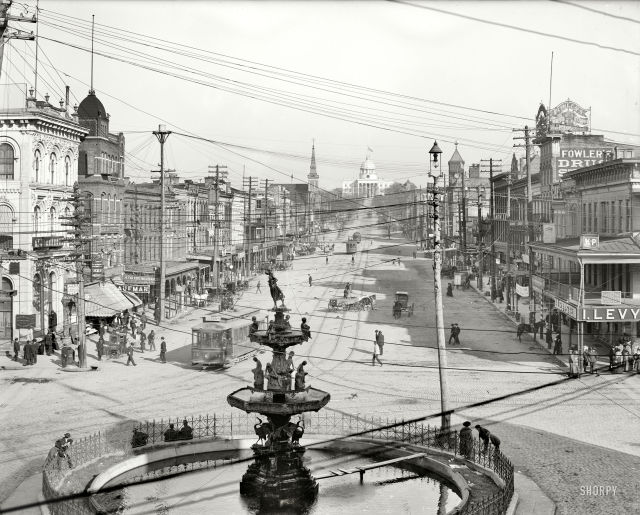
Montgomery, Alabama — 1906
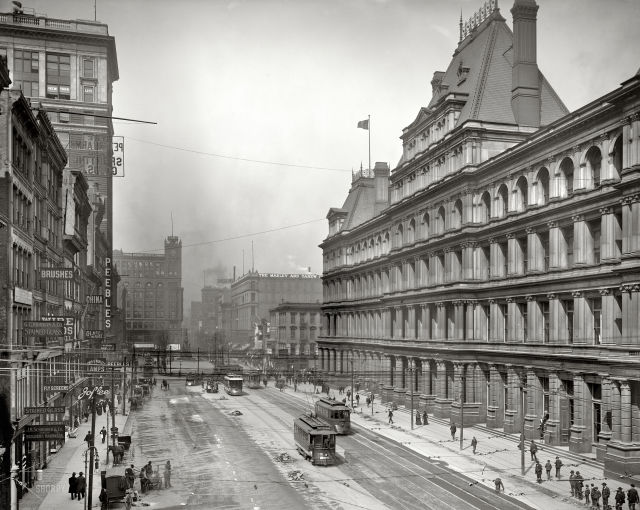
Cincinnati, Ohio — 1905
Jacksonville, Florida — 1910
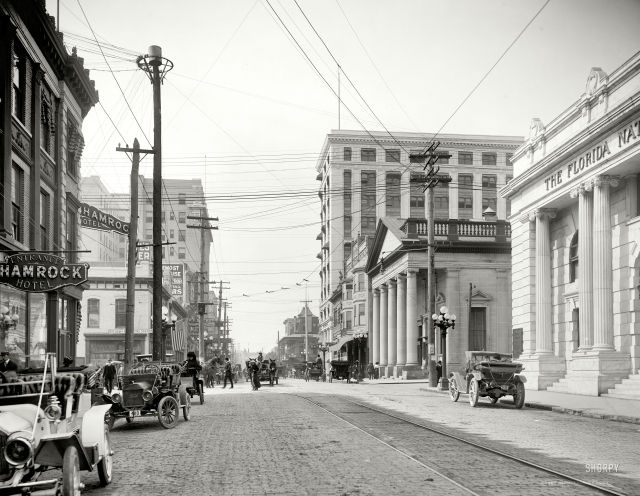
Southern and Midwestern frames from the 1900s remind you how much of American urban history lived outside New York mythology. Wide main streets, utility poles, and commercial blocks dominate. The glamour is workaday. That is valuable. It resists the idea that only capitals deserve historical curiosity.
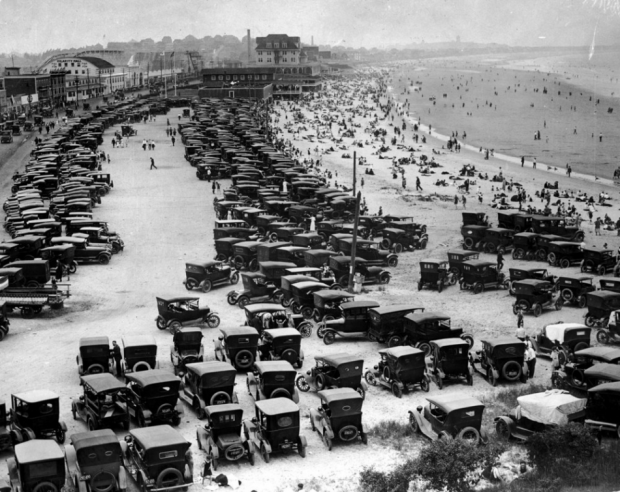
Nantasket Beach, Massachusetts — 1920s
Asbury Park, New Jersey — 1905
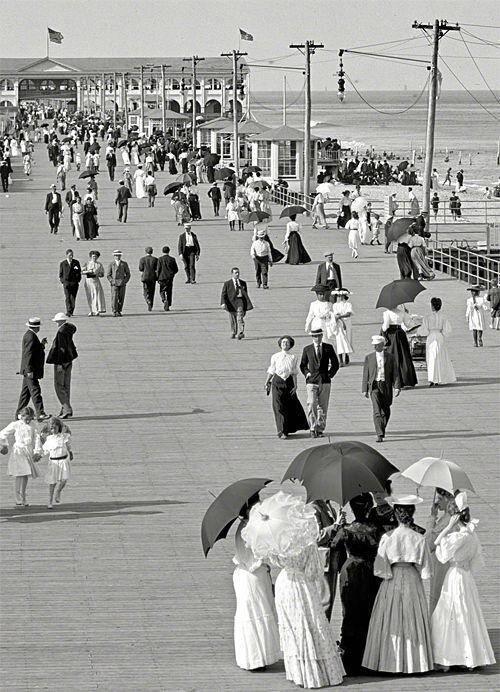
Coastal leisure towns add another American register: boardwalks, display, the theatre of summer. They remind you that “city” in this collection also means places organised around weekend pleasure, not only capitals and factories. Clothing and posture do heavy documentary work here—who is seen, how bodies arrange on sand and boards, what leisure looked like before beachwear became global uniform.
Las Vegas — 1959
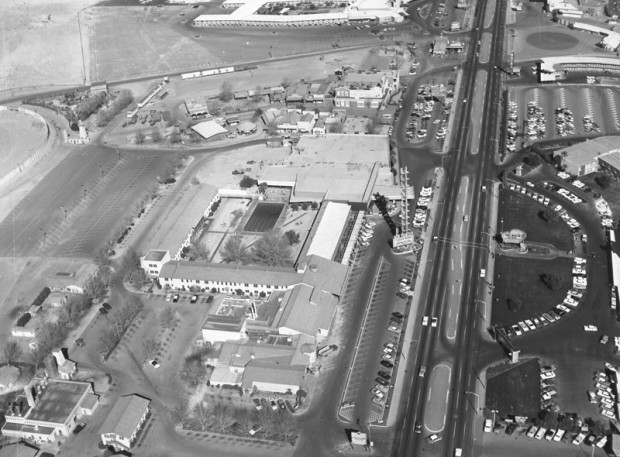
Las Vegas in 1959 already sells night as product, yet the Strip’s later mega-scale is still ahead. Neon feels handmade; the desert city looks more like a stage set than a skyline machine. It is one of the clearest “before” pictures in the set for anyone who only knows the contemporary casino canyon.
Los Angeles, California — 1937
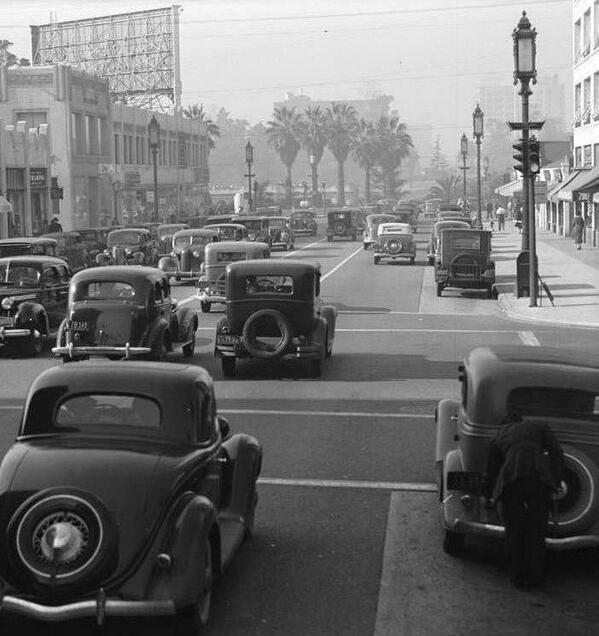
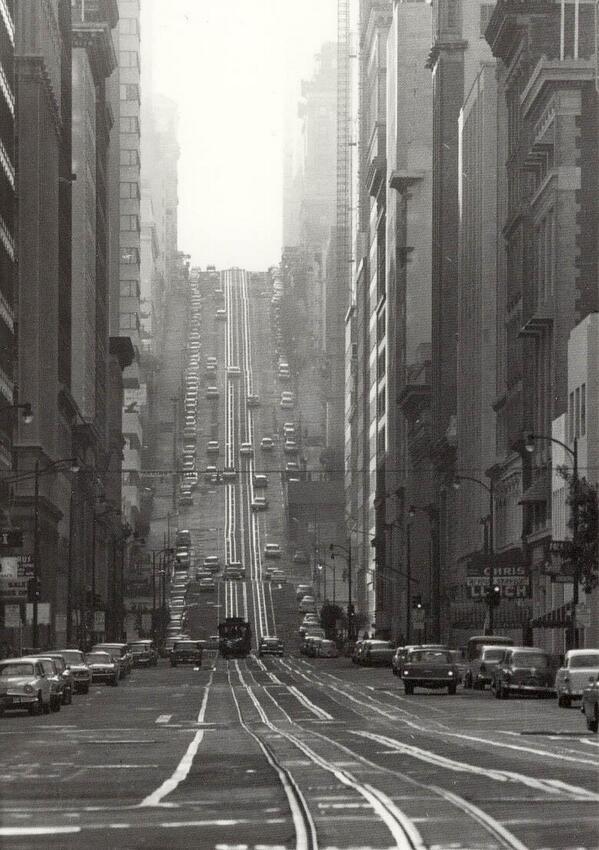
California Street, San Francisco — 1964
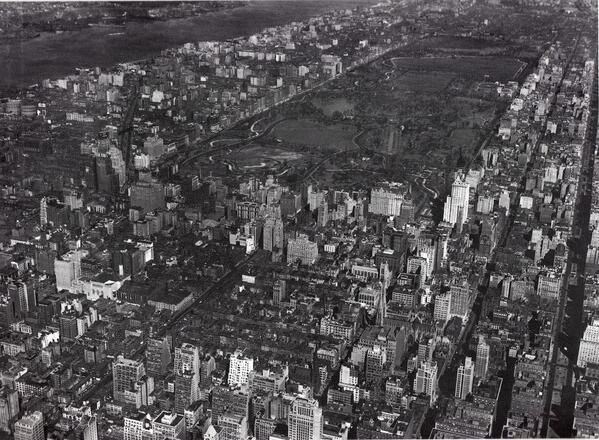
Central Park, New York — 1927
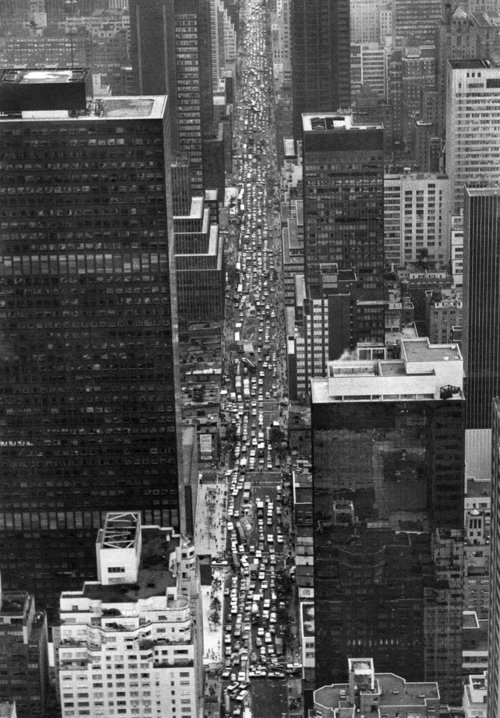
New York — 1972
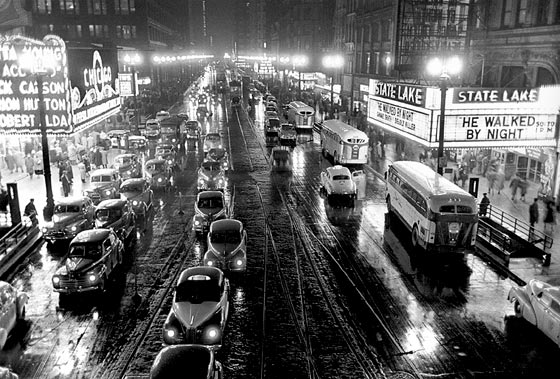
Chicago — 1949
Syracuse, New York — 1941
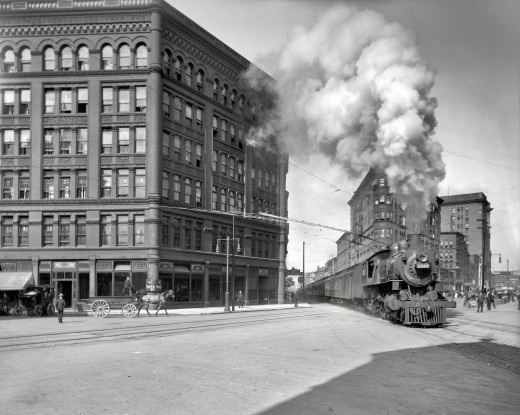
New York’s jump from a 1927 park scene to a 1972 street frame is one of the album’s sharpest contrasts: leisure landscape versus harder urban edge. Los Angeles and San Francisco bring West Coast geometry—hills, cars, a different relationship between street and sky. Chicago and Syracuse fill in mid-century Midwest and upstate texture—cities that rarely headline fantasy travel lists, yet hold as much historical information as the icons. Together these American frames argue that urban memory is regional, not just coastal-famous.
Further afield
Bombay, India — 1880
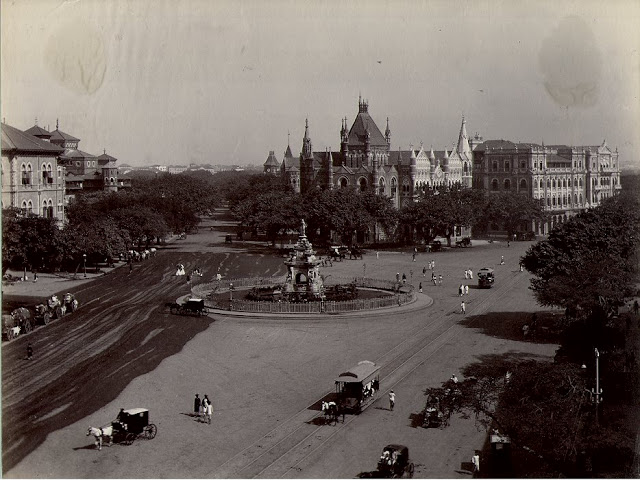
Melbourne, Australia — 1930s
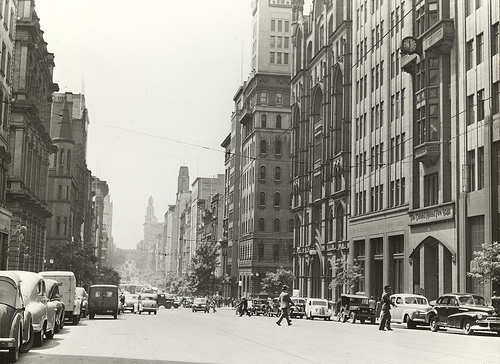
The 1880 Bombay view stretches the timeline deepest in this set, into a colonial-era city still assembling its modern identity. Looking at it beside early-1900s American downtowns is instructive: similar commercial ambition, different power structures and street cultures. Melbourne in the 1930s answers from another hemisphere with a calmer civic register. Together they keep the feature from becoming only a North Atlantic scrapbook.
Scroll once for recognition—oh, that street; oh, that skyline stub. Scroll again for difference: vehicle types, crowd behaviour, the height of buildings relative to people. Which city in this set feels most continuous with its present self, and which feels like a place that renamed itself without changing the map? The photographs will not settle the argument. They will, at least, make the argument visual.

Comments
Continue reading
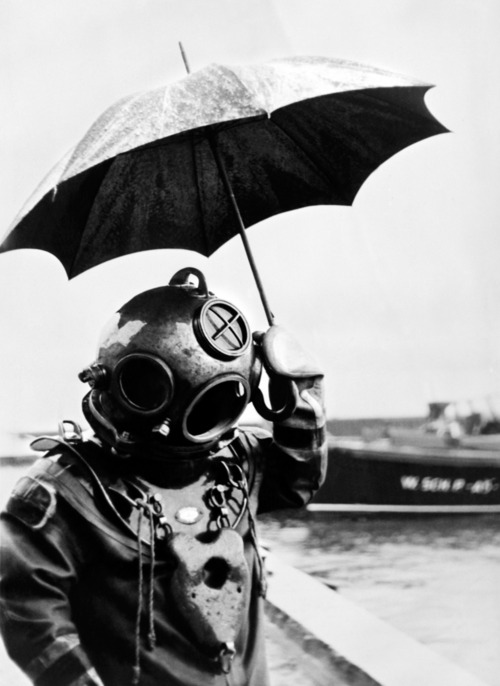
24 Extremely Weird Vintage Photos That Still Stop You
From divers with umbrellas to mistletoe gas-mask kisses—twenty-four odd historic images where one wrong detail makes the whole frame unforgettable.

Visual Travel to the Black-and-White Era
A monochrome photography feature on portraits, streets, and travel mood—how black-and-white edits place, light, and gesture, with a nod to Marilyn Monroe’s iconic frame.
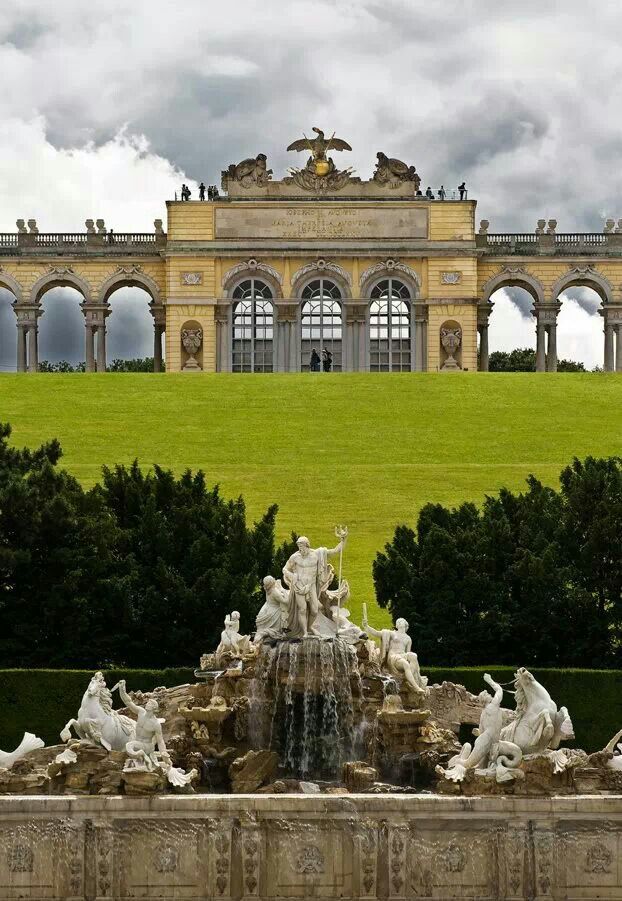
Travel Wish List: Austria’s Palaces, Lakes, and Alpine Valleys
Vienna’s Schönbrunn, Melk Abbey, Salzburg gardens, Hallstatt and Gosau lakes, Innsbruck, and Vorarlberg—Austria as imperial culture and alpine landscape in one passport.