
9 DIY Pencil Holder Designs for Desks and Studios
Cork trivets, rubber bands, drilled wood, embroidered jars, tins, cassettes, yarn, burlap, and keyboard keys—nine DIY pencil holders beyond the plastic cup.
Pencil cases and desk cups are not only for school backpacks. On a work table they corral pens, scissors, brushes, and charging cables that otherwise migrate into every drawer. DIY versions are easy to size for your habits, and they turn leftover materials—cork, wood, jars, cassette shells, yarn, burlap, even a dead keyboard—into organizers with more character than a plastic tub from the supply closet.
The nine designs below keep the original project cues and every `/media/` photo. Outbound tutorial links and internal promo links are gone; each entry includes enough method to build a version of your own. The cork-trivet cup remains a favorite starting point if you want something sturdy and gift-ready.
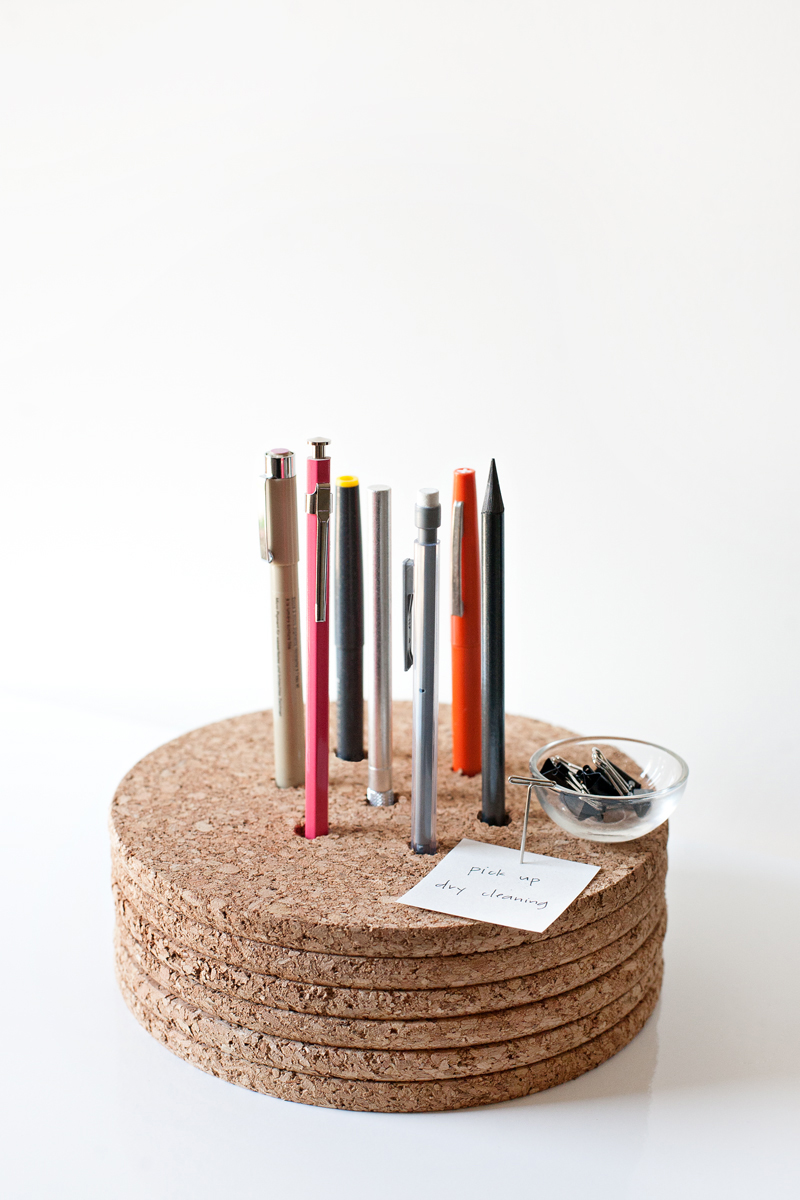
1. Cork-trivet pencil cup
Stack round cork trivets or thick cork discs into a cylinder, then hollow or leave a center opening sized for pens. Some makers glue solid discs into a cup shape around a cardboard tube form, peel the form away, and seal the interior. Others cut a clean circle from the center of each disc before stacking so the walls stay even.
Use a strong craft adhesive rated for porous materials, clamp or weight the stack while it cures, and sand the rim smooth. Cork grips glass desks without scratching and looks warm next to notebooks. Optional: wrap a leather band or twine collar near the rim for contrast. This is the project to choose when you want something that feels bought, not improvised.
2. Rubber-band pencil holder
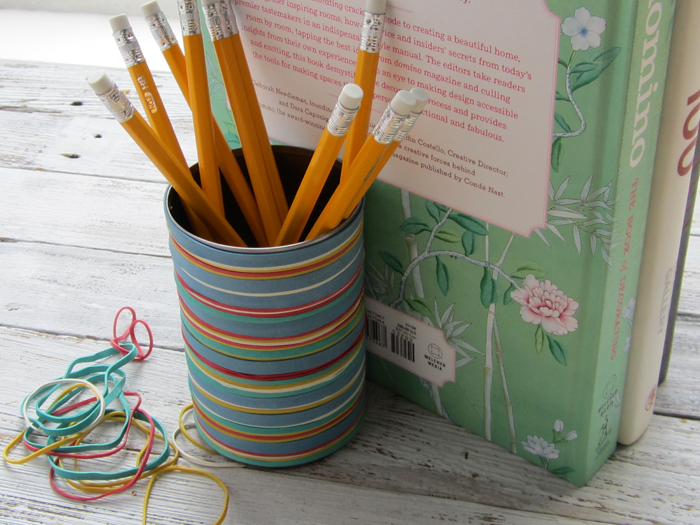
Stretch colorful rubber bands around a plain jar, tin, or short drinking glass until the exterior is covered in horizontal stripes. Dense banding hides the container and creates a grippy, playful surface. Mix widths and colors for a striped look, or stick to one palette for a calmer desk.
Choose a vessel with straight sides so bands stay put. If bands snap over time, replace a few rather than rebuilding the whole cup. This is a near-zero-tool project—ideal for a rainy afternoon or a kid-assisted craft that still looks intentional on an adult desk.
3. Log or branch pencil holder
A short section of dry log or thick branch becomes a sculptural holder when you drill vertical holes for pens. Select wood that is fully dry and free of pests. Cut a stable base, sand thoroughly, and mark hole positions so pens do not collide. Use a drill press if you have one; otherwise clamp the wood and drill slowly with a bit slightly wider than your fattest marker.
Finish with a clear oil or matte sealer so graphite dust wipes away. Leave bark on for a rustic look or strip and sand for a modern stump. Weight matters: a low, wide piece tips less than a tall skinny one when loaded with scissors.
4. Embroidered jar organizers
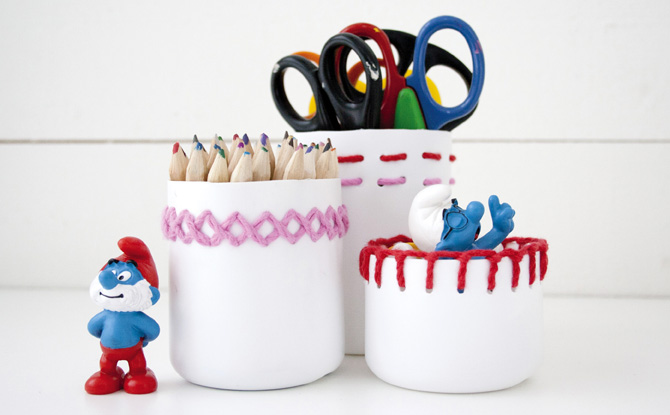
Glass jars gain softness when wrapped in fabric panels you embroider first. Stitch a simple motif—initials, a small botanical, geometric lines—on linen or cotton, then glue or stitch the panel around a clean jar. Alternatively, embroider directly onto a fabric sleeve that slips on and off for washing.
Keep stitch density moderate so the wrap still curves smoothly. Neutral jars with one strong embroidered band look less craft-fair and more gallery-desk. Fill with pencils, brushes, or knitting needles depending on the jar height.
5. Painted or covered tin pencil cup
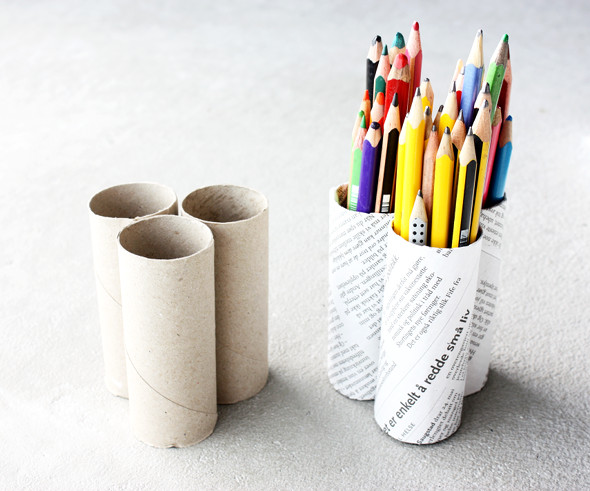
Empty food tins (smooth edges filed or taped) make excellent blanks. Wash thoroughly, remove labels, and paint with acrylics, spray primer plus color, or decoupage fabric and paper. Seal interiors if you worry about residual odor; seal exteriors so chips do not show after a month of use.
Mask stripes or color-block the tin for a graphic look. Add felt pads on the bottom so the metal does not scar the desk. This is the thrifty workhorse project: materials are already in the recycling bin, and the finish can match any room.
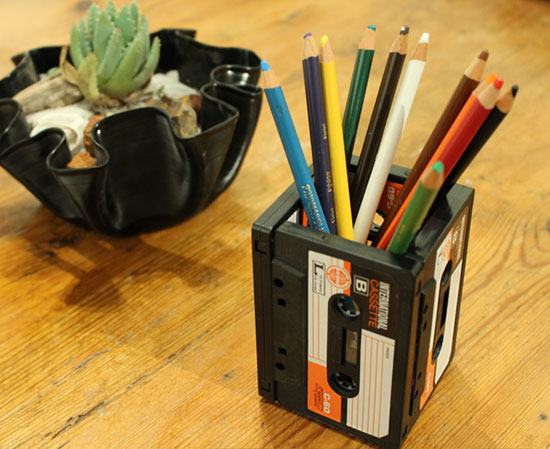
6. Upcycled cassette-tape holder
Old cassette shells can become quirky desk cups when you remove the tape reels, clean the plastic, and glue several shells into a stable cluster or stand a single shell as a narrow holder for slim pens. Some designs use the cassette as a decorative sleeve around a small inner cup.
Work in a ventilated space if you use solvent-based glue on plastic. Sand glossy shells lightly so adhesive grips. The appeal is nostalgia and conversation more than maximum capacity—pair a cassette holder with a larger cork or tin cup for bulk storage.
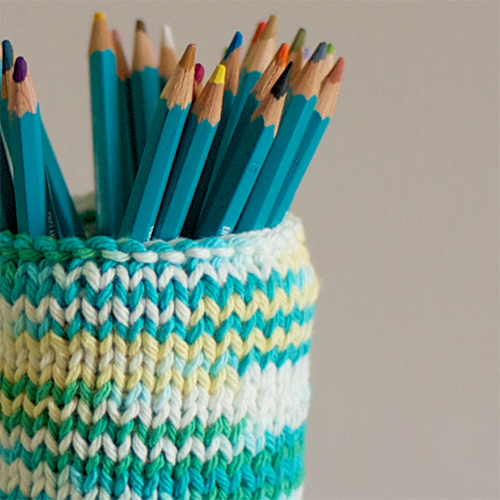
7. Knit or crochet pencil cozy
Yarn sleeves stretch over jars or stand alone as soft cups if you crochet a firm cylinder with a dense base. Choose cotton or a sturdy blend that will not pill into every pen cap. Work in the round, keep tension firm, and felt slightly if your yarn allows and you want more structure.
Stripes, color blocking, or a simple cable keep the project interesting without weeks of labor. Soft holders are quiet on the desk and kind to tablet screens nearby. They are also easy gifts: make a set of three in coordinating colors for a shared studio table.
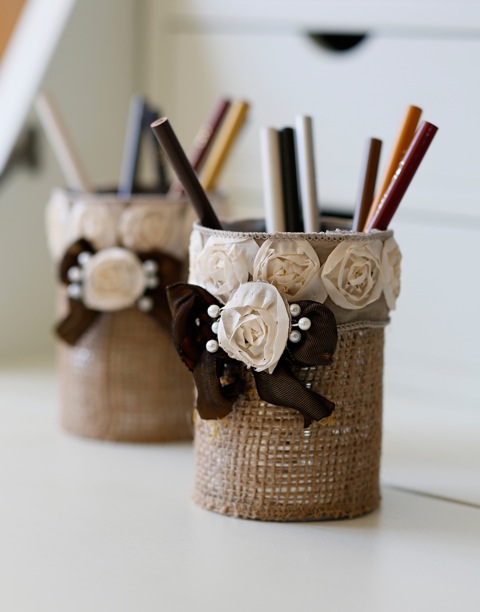
8. Burlap shabby-chic pencil holder
Wrap a jar or tin in burlap, secure with hot glue or stitching, and trim with lace, ribbon, or a fabric flower if that is your aesthetic. Distress painted lettering or a small wooden tag for a cottage-desk look. Line the interior with paper or a second jar so burlap fibers do not catch on pen clips.
Burlap frays—seal cut edges with a thin line of clear glue or fold them under before attaching. Keep embellishments on one face so the holder still sits flush against a wall or monitor stand.
9. Keyboard key pencil jar
Harvest keys from a broken keyboard, clean them, and mosaic the exterior of a jar with strong adhesive. Mix letter keys, number keys, and function keys for texture, or spell a short word across the front. Grout lightly if gaps bother you, or leave intentional spaces for a tech-collage look.
Seal with a clear coat so oils from hands do not dull the plastic. This project recycles e-waste into a desk joke that still functions. Pair it with a plain cork cup if you need overflow space—keyboard tiles are better as a statement than as your only organizer.
Choosing and using your cup
Match the build to the job. Cork and wood suit heavy scissors and rulers. Soft yarn suits pencils and brushes. Tall jars suit paintbrushes; short tins suit everyday pens. Put felt or cork pads under anything that might scratch. Empty and wipe holders when dust and eraser grit collect—especially open-top cups near a cutting mat.
Start with the cork stack or a rubber-band jar if you want a win this weekend. Save the log drilling and keyboard mosaic for a day when you have clamps, time, and a clear newspaper field. A desk with one handmade holder tends to stay tidier than a desk with none—not because the object is magic, but because you finally gave the pens a place that feels worth using.

Comments
Continue reading
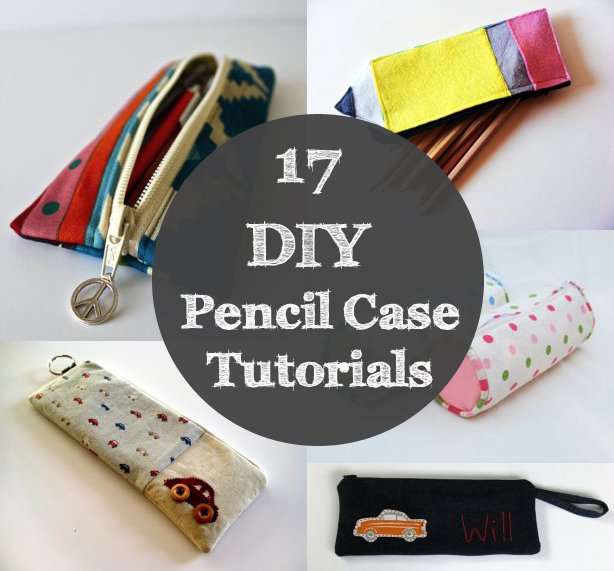
17 DIY Pencil Case Tutorials: Zip Pouches, Felt Sleeves, and Back-to-School Sewing
Seventeen handmade pencil case projects—floral zip pouches, felt pencil shapes, oilcloth sleeves, box bottoms, and patchwork scraps—with all gallery photos kept and outbound tutorial spam removed.
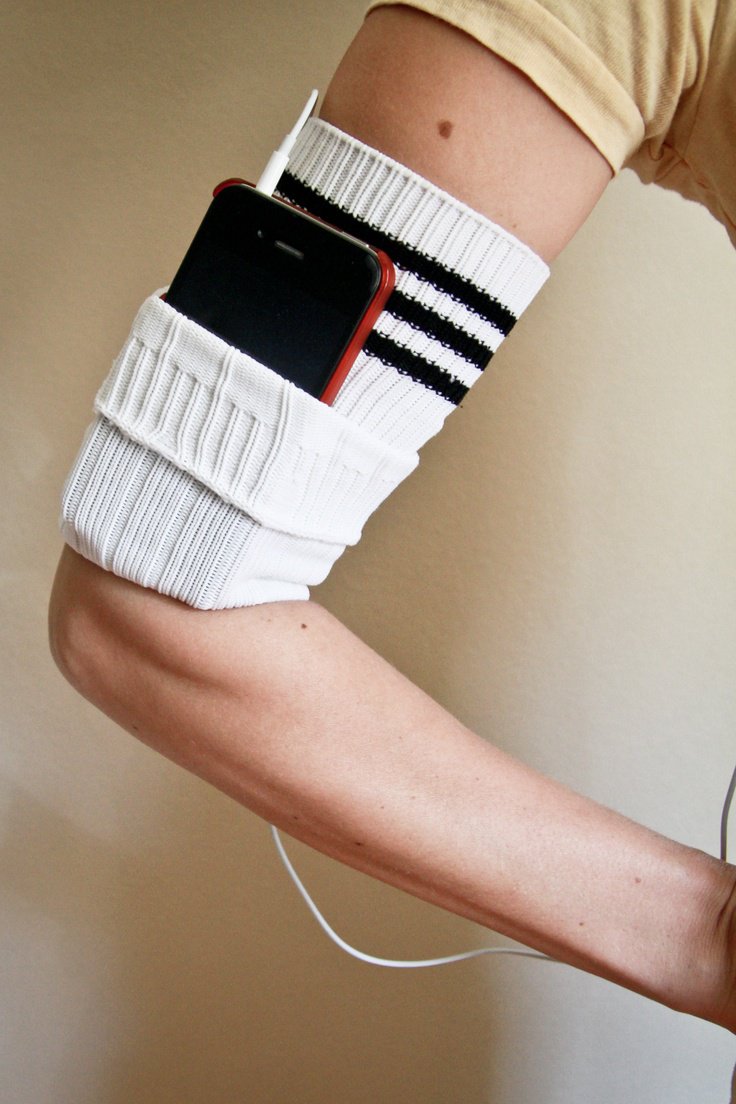
DIY Ideas for Old Socks: Rugs, Puppets, Mittens, and More
Sort leftover socks by fiber, then turn them into braided rugs, hand puppets, soft toys, mittens, and pin cushions with practical cutting and sewing tips.
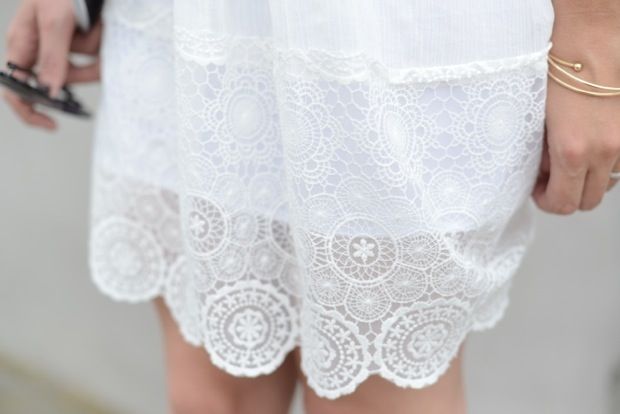
DIY Ideas with Lace Doilies
Upcycle heirloom lace doilies into framed art, runners, pillows, lamps, and more—practical craft projects that keep the crochet visible.