
Travel Wish List: Austria’s Palaces, Lakes, and Alpine Valleys
Vienna’s Schönbrunn, Melk Abbey, Salzburg gardens, Hallstatt and Gosau lakes, Innsbruck, and Vorarlberg—Austria as imperial culture and alpine landscape in one passport.
Austria sells two dreams at once: imperial rooms where classical music still feels native, and alpine lakes where the mountains do not need a soundtrack. Vienna, Salzburg, Innsbruck, Hallstatt, Melk, and the quieter lake towns of Upper Austria and Carinthia sit on the same passport stamp and ask for different days. This wish list is for travelers who want Habsburg gardens and Gosau’s still water—not a ski-package brochure, and not a city-break checklist that never leaves the Ringstrasse.
Think of Austria as a short novel with alternating chapters: palace, abbey, lake, mountain valley, Christmas market. You do not need every chapter on one trip. You do need to know which mood you are packing for—gravel paths and frescoed ceilings, or boots and early ferry light on dark water.
Vienna: gardens, fountains, and imperial scale
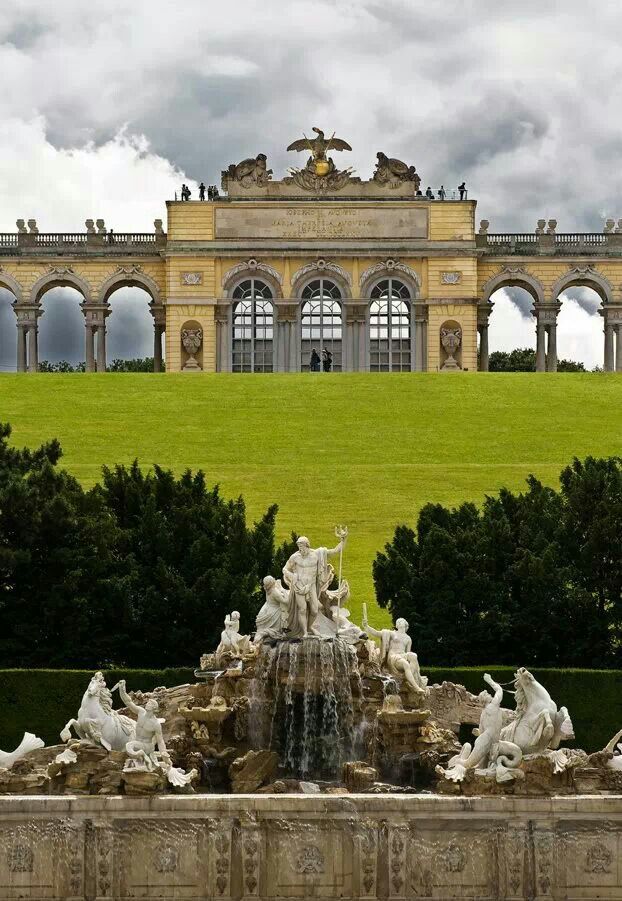
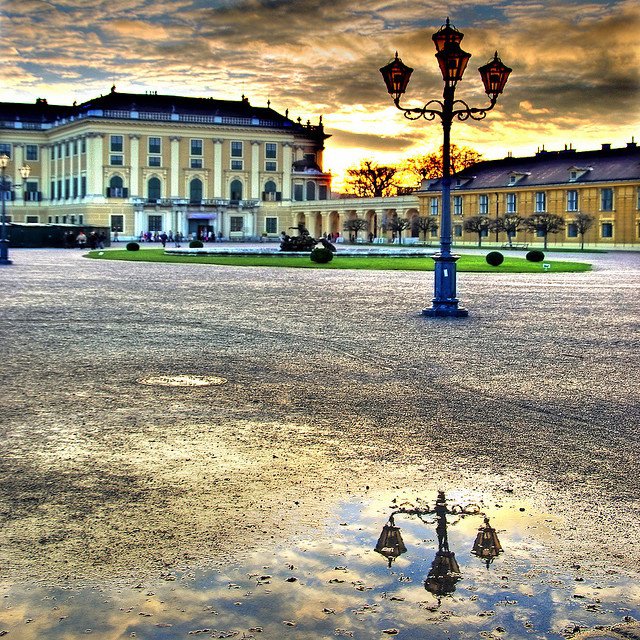
Schönbrunn Palace is the capital’s outdoor classroom. The Gloriette crowns the hill above the formal gardens; the Neptune Fountain stages myth in stone and water. Walk the axis from the palace façade up toward the Gloriette if your knees allow—the view back toward the city is the point of the climb. Vienna’s classical-music reputation is real, but Schönbrunn reminds you that empire also designed landscape: hedges, gravel paths, controlled vistas, and a sense that nature was expected to behave.
Beyond the palace grounds, Vienna rewards slow café hours and museum mornings. The Ringstrasse is an architecture parade—parliament, museums, opera—best walked in sections rather than conquered in a single blistered afternoon. Keep Vienna on the wish list as the cultural anchor: concert calendars, kitchen museums, and the particular Viennese skill of turning a coffee into an afternoon. Then leave calendar space for the Alps. Otherwise you only meet half the country, and Austria’s half that is lakes and peaks will haunt you from the train window on the way home.
Practical Vienna rhythm: one palace or museum block in the morning, one district walk after lunch, one performance or Heuriger evening if that matches your budget. The city is dense; rushing it only produces ticket stubs and sore feet.
Melk and the Danube corridor
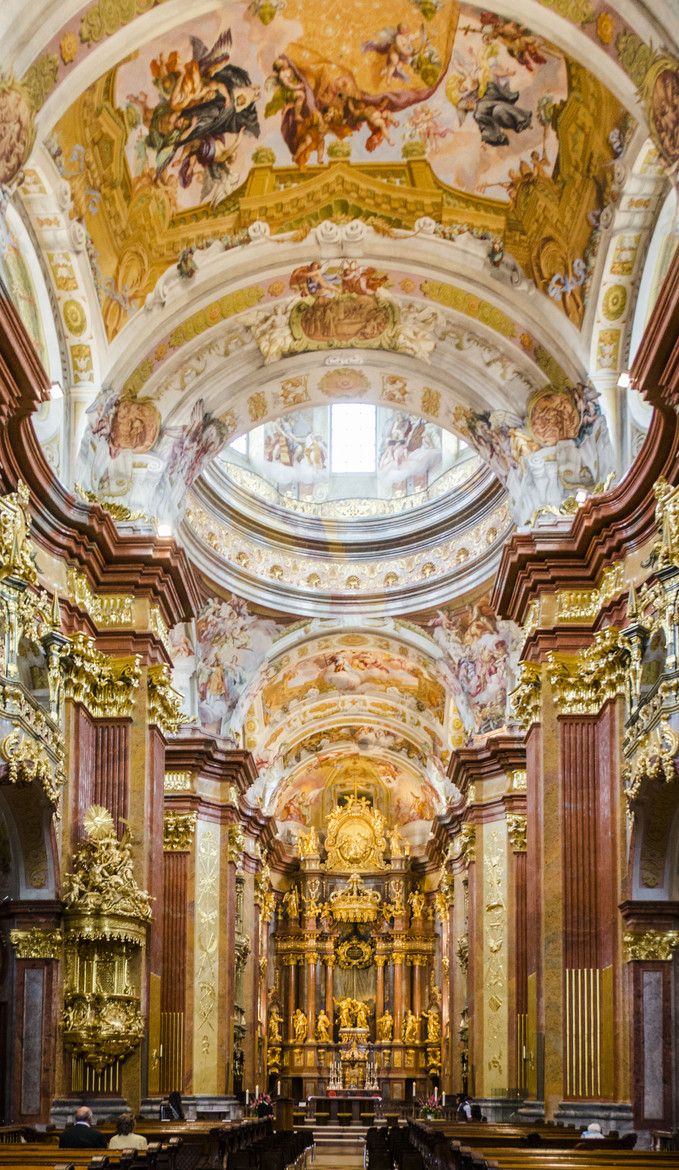
Melk Abbey rises above the Danube like a baroque ship of yellow and white. The library, church, and terraces are the draw; the town below is the pause between river and hill. River cruises pass; independent travelers can arrive by train and climb. Melk teaches Austrian baroque at full volume—gilding, fresco, and a sense that faith once competed with landscape for your attention and won both. Stand on the terrace and watch the river bend; the Wachau valley’s vineyards and apricot orchards start to make geographic sense from that height.
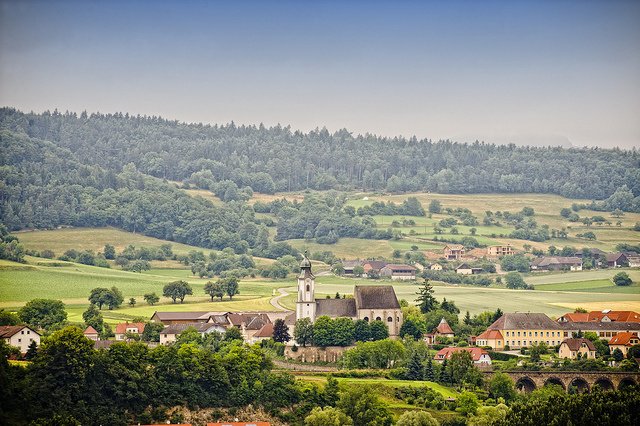
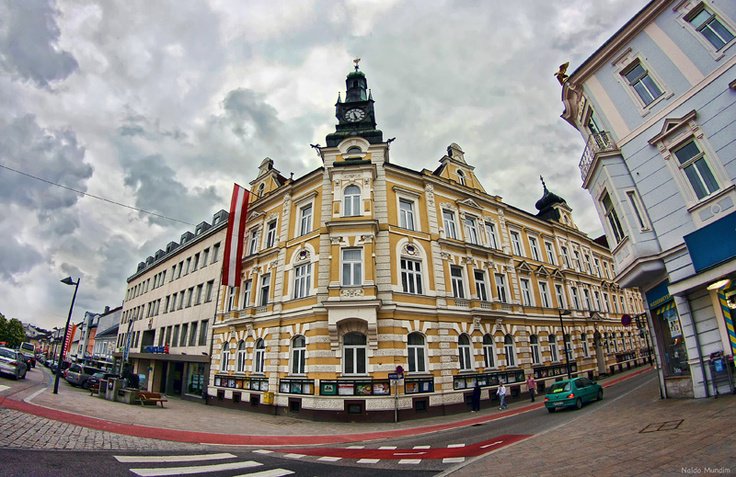
Towns along the wider Austrian map—Amstetten among them—rarely headline travel magazines, yet they show the everyday fabric between icons: river plains, regional trains, bakery windows, and main streets that make a road trip feel local rather than staged. A wish list that only holds Hallstatt and Schönbrunn misses how Austrians actually live between the postcards.
Salzburg: gardens, fortress hills, and music town
Salzburg’s old town sits under the fortress; Mozart tourism is unavoidable and sometimes useful as orientation. For a wish-list frame that is not only film nostalgia, put Mirabell Palace gardens first: geometric flower beds, sculpture, and a view that ties civic order to the fortress silhouette. Spring and summer plantings change the photograph; winter simplifies it to structure, gravel, and stone. The gardens are free to enter in the usual public areas—use them as a reset between ticketed interiors.
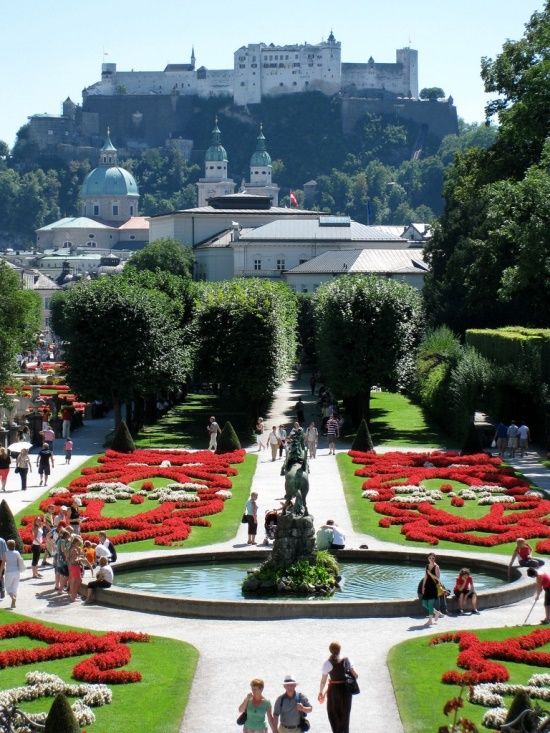
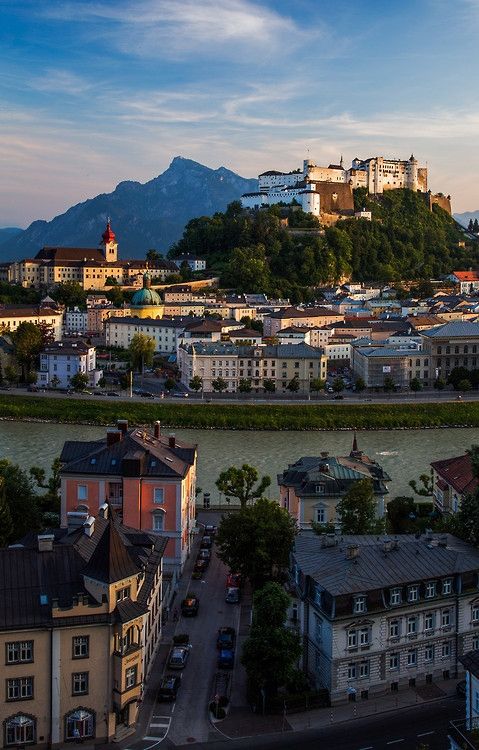
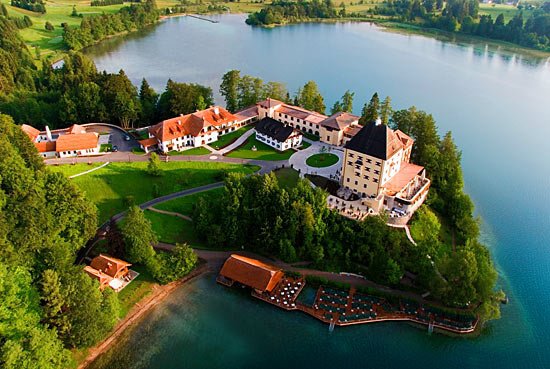
Climb or funicular up to the fortress when skies are clear; the old town’s baroque density makes more sense from above. Nearby lake country softens the music-city intensity. Schloss Fuschl, on Lake Fuschl, is the postcard of a waterside castle hotel—elegant, green, and thoroughly Austrian in its marriage of water and wooded hills. Even if you only view it from a path or boat, it explains why Salzburg’s hinterland belongs on the same list as the cathedral square. The Salzkammergut begins here in spirit: lakes as punctuation between cultural towns.
Hallstatt, Gmunden, Gosau: the Salzkammergut lakes
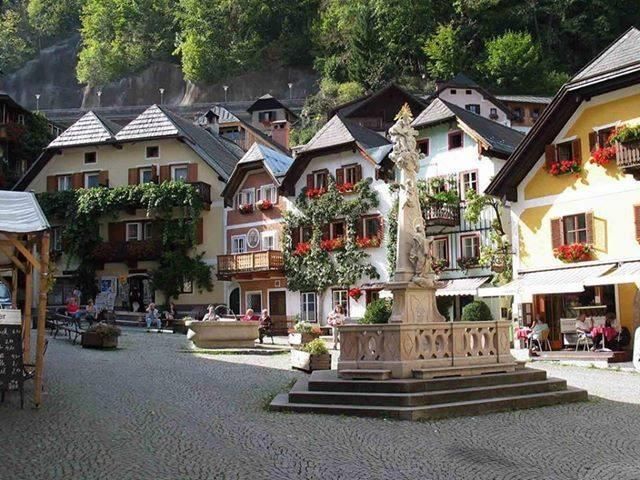
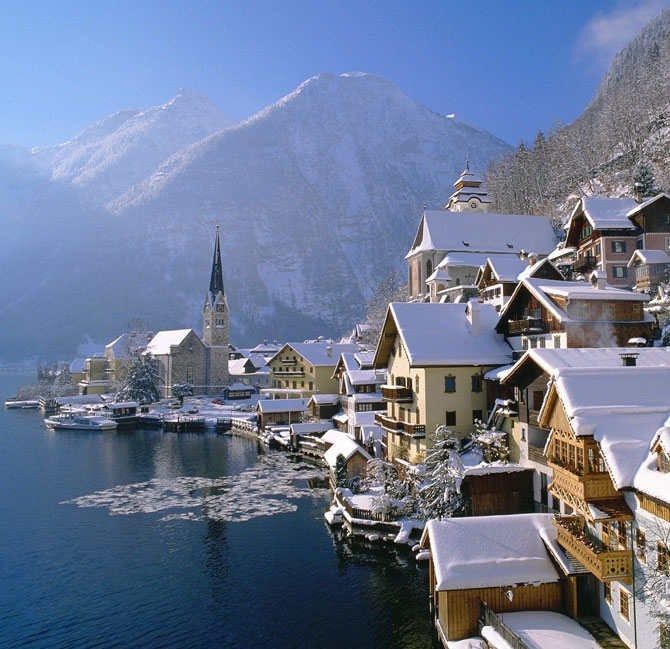
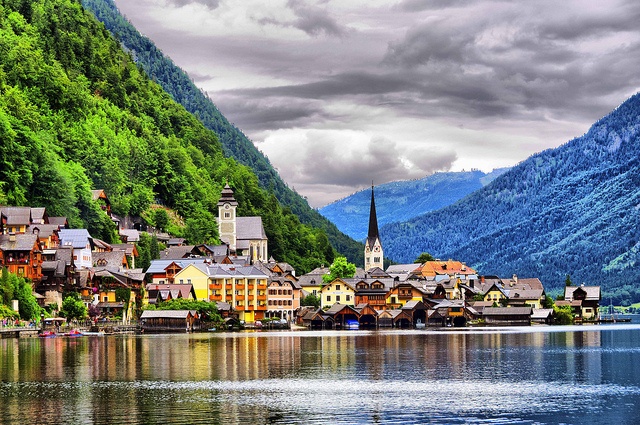
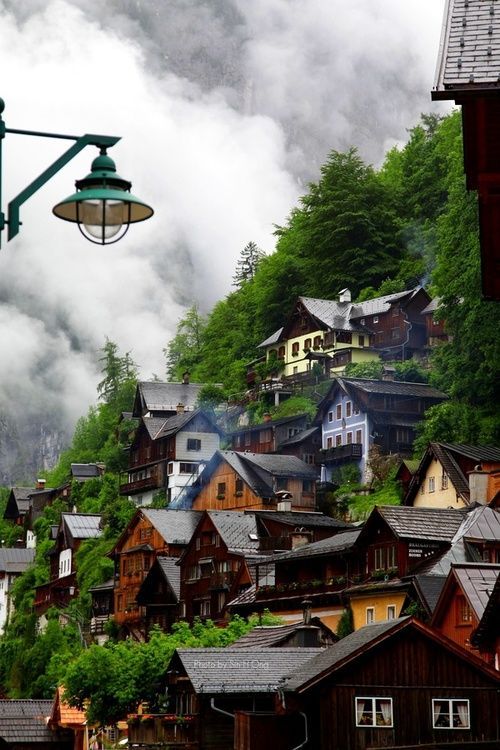
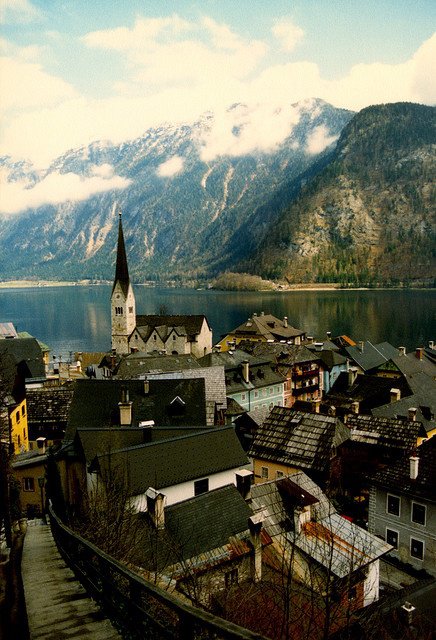
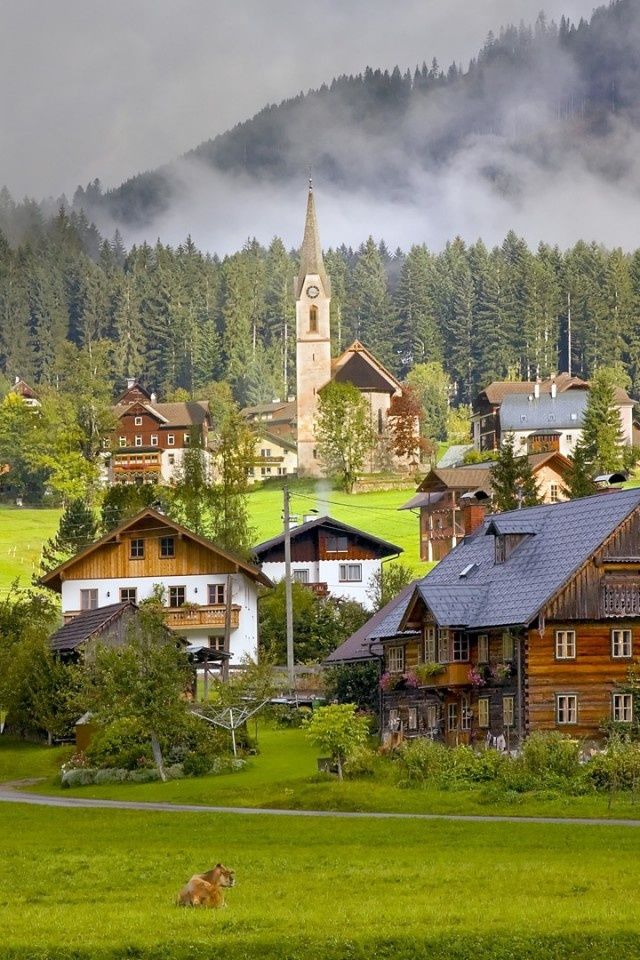
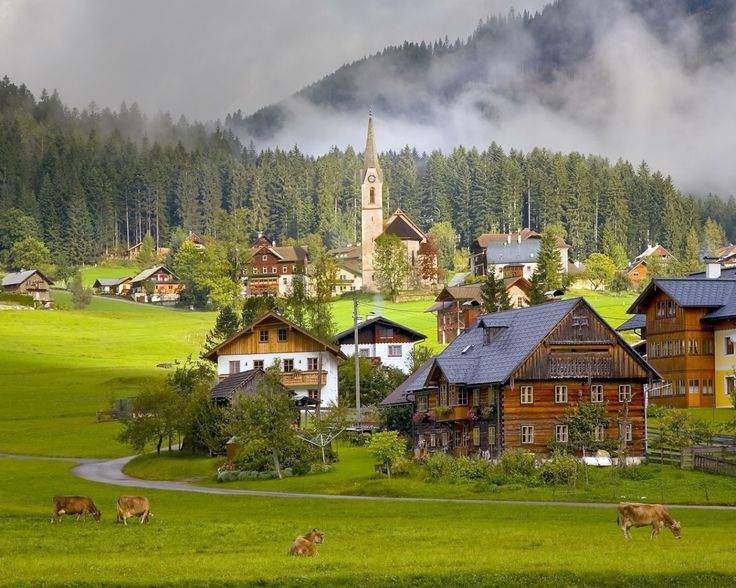
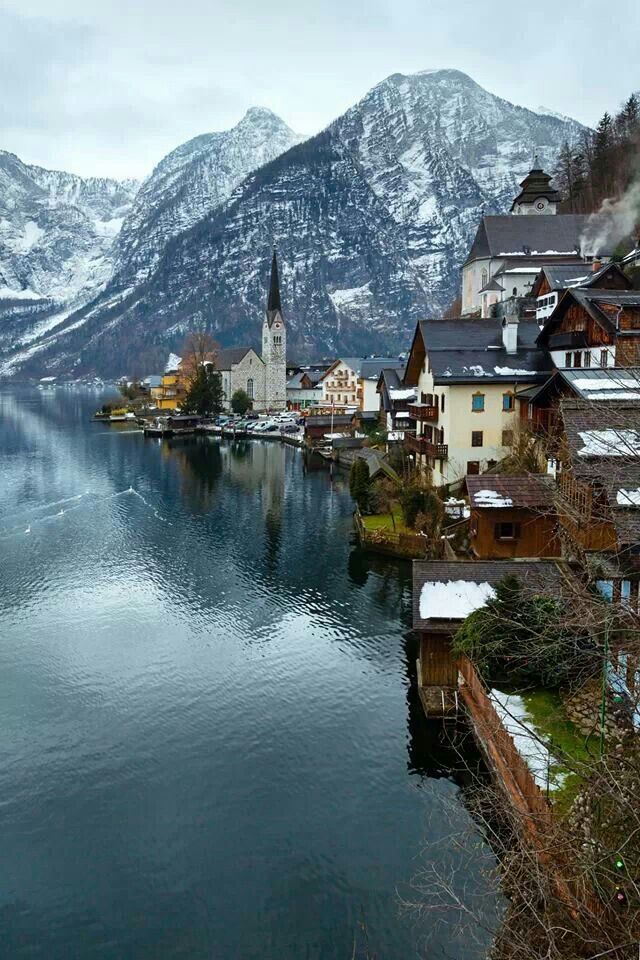
Hallstatt is the alpine village everyone already recognizes: houses stacked above a dark lake, a church with a pointed spire, mountains that close the horizon like curtains. Fame brings crowds and day-trip compression. Go early, stay overnight if you can, or use Hallstatt as a gateway into neighboring valleys rather than a fifteen-minute selfie stop. The lake’s reflections are the real luxury—still mornings beat midday tour buses every time. Salt-mining history sits in the mountains above; the village’s beauty is not accidental scenery alone, but a working landscape turned iconic.
Gmunden on Lake Traunsee and the high valley of Gosau offer the Salzkammergut without the same density of day-trippers. Gosau’s lakes and mountain amphitheater feel like Hallstatt’s quieter cousin—still water, steep green, and trails that ask for boots instead of queue patience. Traunsee’s Traunstein peak gives Gmunden a dramatic backdrop; the Esplanade offers classic Austrian resort-town rhythm: promenade, cake, and weather that can turn from postcard to drama in an hour. Bring a light rain shell even in summer.
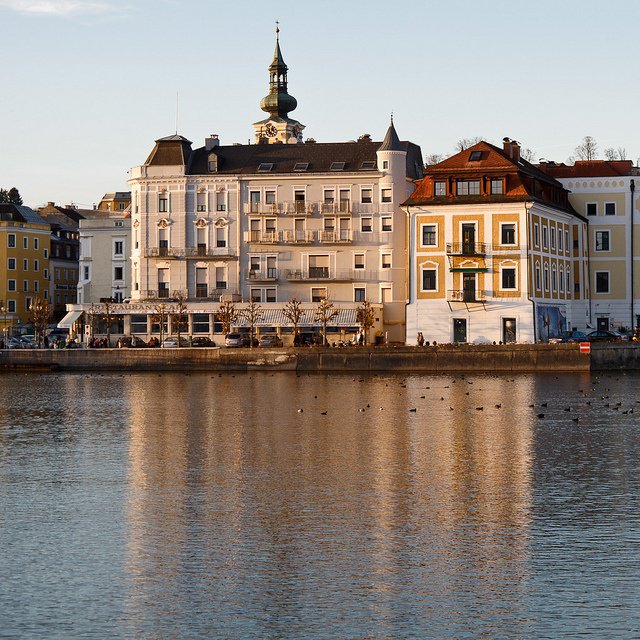
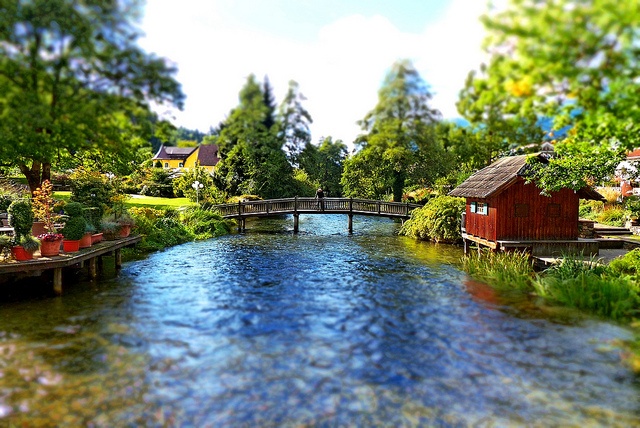
Further south, Seeboden in Carinthia continues the lake theme with a softer southern-Alpine light. Carinthia’s swimming culture in summer is part of Austria’s character that winter tourism sometimes hides: warm lake afternoons under mountain silhouettes, lidos, and a Mediterranean rumor in the water temperature. If your Austria dream is only snow, add one summer lake day to the list anyway—it recalibrates the country.
Innsbruck, Kleinwalsertal, Vorarlberg: Alpine streets and high valleys
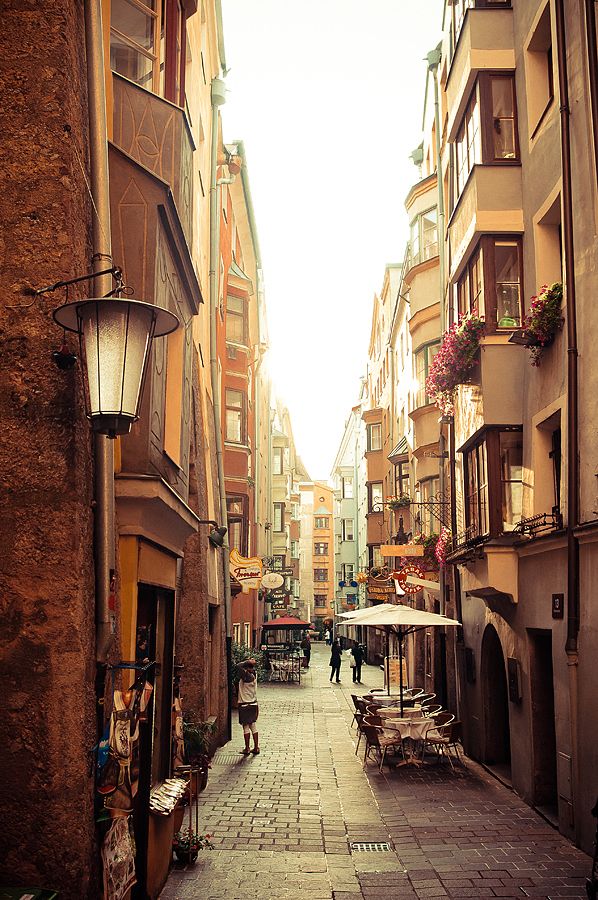
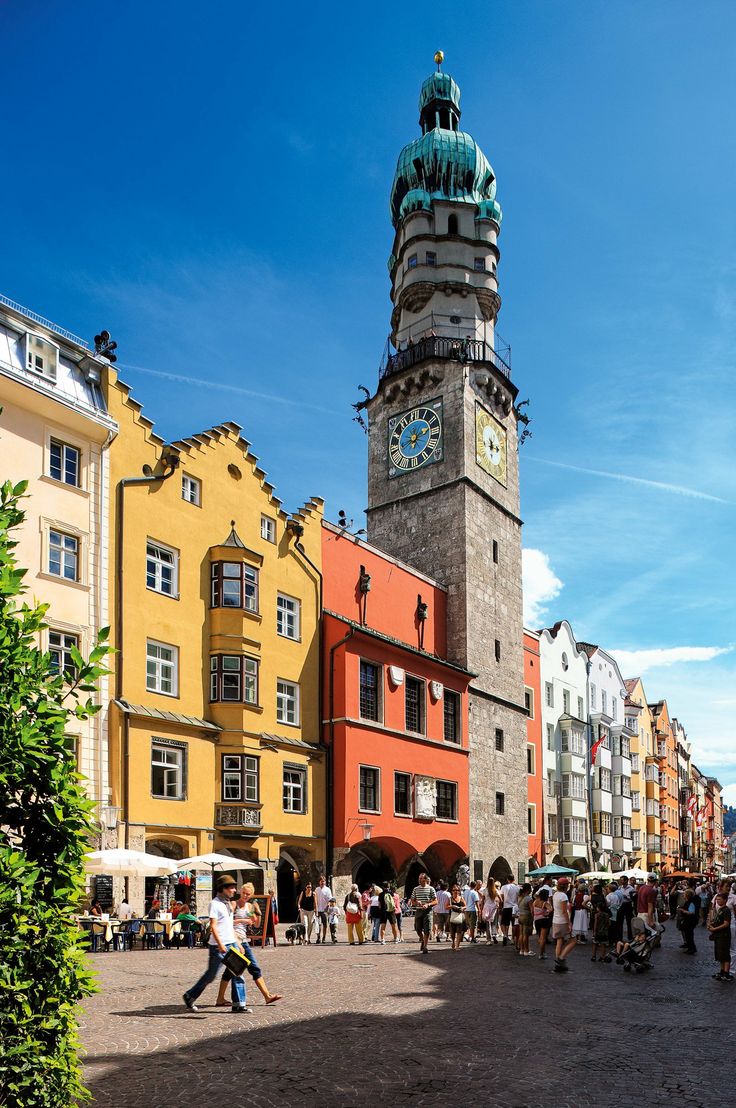
Innsbruck is the Tyrolean capital where the Nordkette mountains rise directly behind the old town—a vertical surprise if you arrive expecting only riverside charm. The Stadtturm (City Tower) gives a break in the streetscape; climb for roofs and peaks in one frame. The Golden Roof is the famous façade detail; the real Innsbruck habit is looking up past it to snow even in shoulder seasons. Use the city as a base for valley day trips and as a winter-sports gateway, but keep the wish-list image simple: colorful houses under a mountain wall.
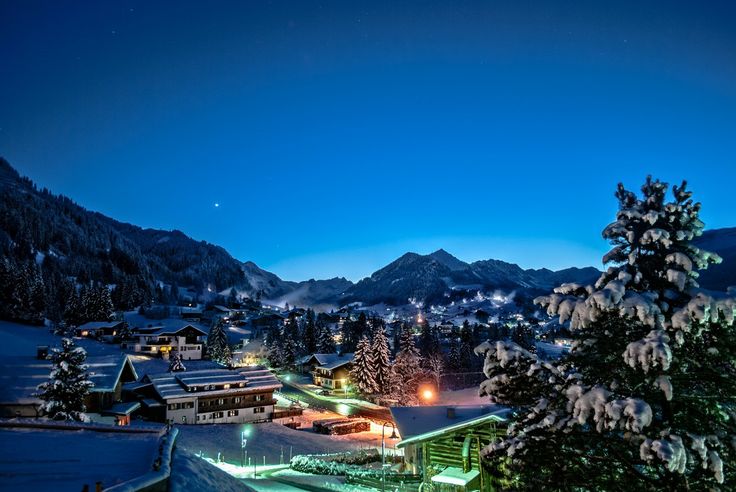
Kleinwalsertal is an Alpine valley with a curious geography—accessible by road from Germany while belonging to Austria—and a landscape of meadows, peaks, and walking paths that feel removed from city tourism. It is the chapter for people who want hiking boots more than palace tickets: hut lunches, cowbells, and weather that changes with altitude. Check trail conditions; Alpine walking is not a costume outing.
Vorarlberg, Austria’s westernmost state, is known for contemporary Alpine architecture as much as for ski slopes: clean timber, precise modern buildings against traditional farms, and a design culture that rivals the scenery. Bregenz on Lake Constance, mountain villages with award-winning wood construction, and a craft seriousness about building—on a culture-meets-mountains list, Vorarlberg is the plot twist. Beauty here includes new wood, not only onion domes and frescoes.
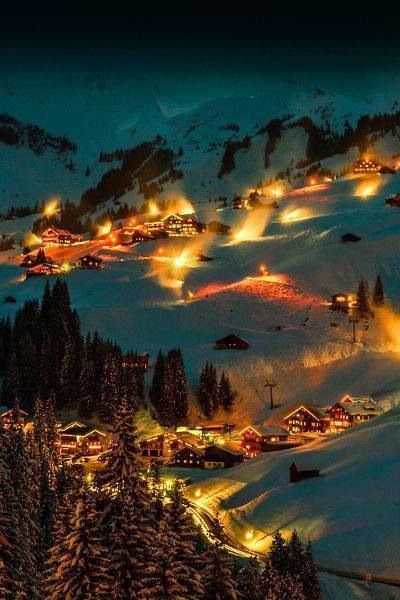
Mariazell in winter light
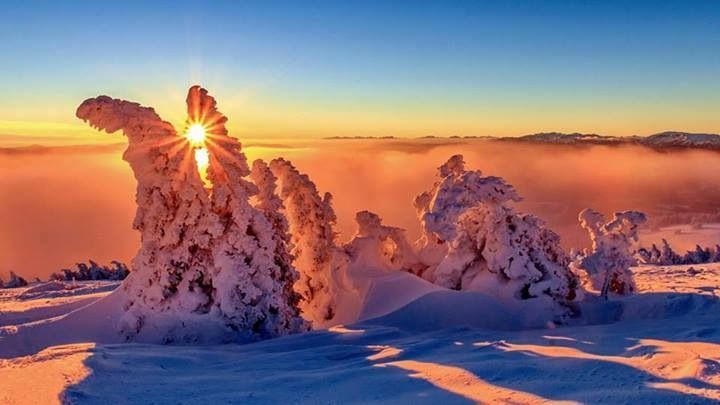
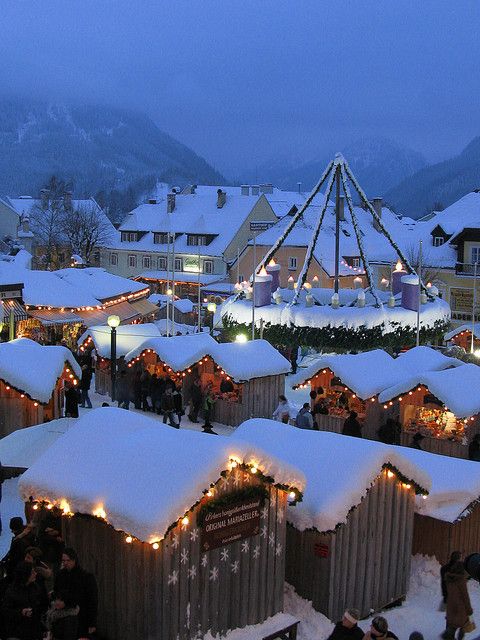
When the lakes freeze in the imagination and the cities dress for Advent, Mariazell’s Christmas fair adds pilgrimage-town warmth: wooden stalls, lights, and cold air that smells like punch and pine. Austria’s winter wish list is not only ski resorts and après; it is also market squares where travel slows to browsing, listening, and warming hands on a cup. Mariazell’s basilica gives the town a spiritual center that predates the seasonal market—visit with that in mind, not only for ornaments.
Trains link Vienna, Melk, Salzburg, and Innsbruck well; a car or regional buses help for Gosau, Kleinwalsertal, and scattered lake shores. Pack layers for palace courtyards and ferry decks alike. Decide whether your first Austrian chapter is Schönbrunn’s gravel axis or Hallstatt’s dawn reflection—then let Melk’s terrace, Mirabell’s hedges, or a Vorarlberg timber façade wait for the return ticket. The country is small on the map and large in moods; the wish list should stay that way.

Comments
Continue reading
World’s Famous Cities in the Past
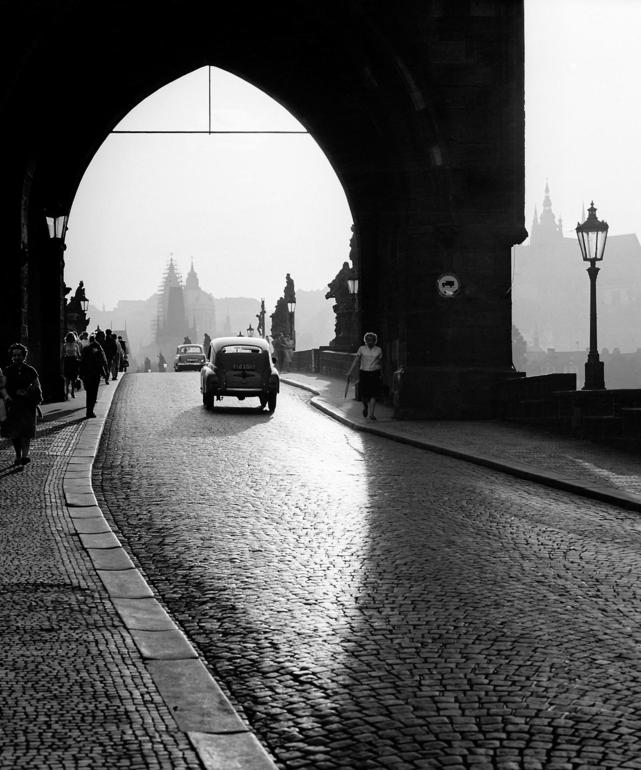
From Prague 1964 to Paris 1948 and Las Vegas 1959, a photo tour of well-known cities as they looked in earlier decades—streets, crowds, and transit before today’s skyline.
Darkened Cities by Thierry Cohen: Starry Skies Restored to Megacities
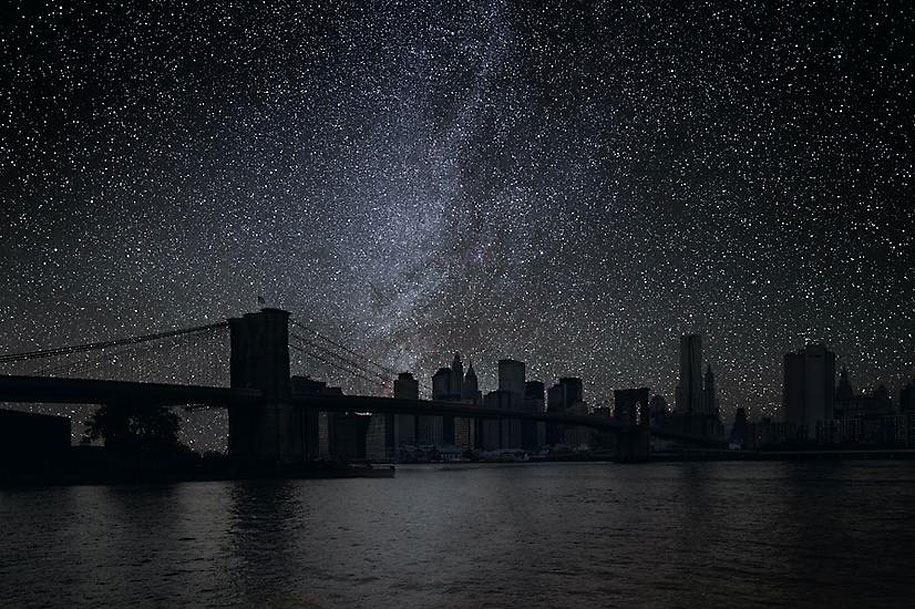
Paris photographer Thierry Cohen composites daylit cityscapes with desert star fields from the same latitude—giving Hong Kong, New York, Tokyo and more the night skies light pollution hides.
20 Amazing Photos Around the World: Cities, Coasts, and Wild Horizons
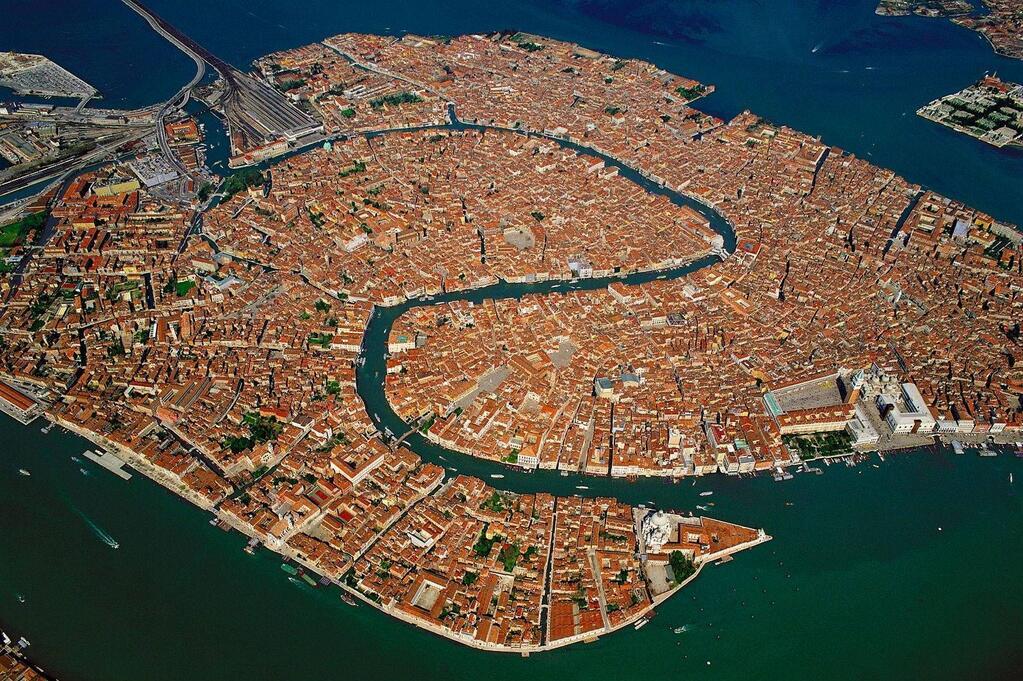
Twenty travel photographs—from Venice and Istanbul to Molokini, Palau, and Hayman Island—with notes on light, vantage points, and what makes each place photograph.