
What Was the Trendy Entrepreneur Wearing in 2020?
A 2020 workwear snapshot: cross-body bags, modern flares, polos, oversized blazers, and loose suits for freelancers and founders.
By late 2019, the 2020 entrepreneur wardrobe was already being sketched in lookbooks, coworking lobbies, and “smart casual” meeting rooms. Freelancers and founders who spent their days pitching, networking, and hopping between cafés and client offices needed clothes that read capable without the full armor of a three-piece suit. Digital-era workplaces had loosened dress codes; productivity culture had decided comfort could coexist with credibility. The trendy entrepreneur of 2020 dressed for that middle ground.
This is a period fashion snapshot—what that year’s workwear conversation favored—not a timeless shopping list. Silhouettes shift. What mattered then was a mix of function, soft structure, and pieces that photographed well on video calls while still working in person.
The mood: informal, still intentional
Traditional corporate costume never fully disappeared, but many independent operators treated it as optional. Clients increasingly expected personality alongside competence. The winning formula for 2020 entrepreneurial style was intentional casual: garments that looked chosen, not collapsed. Think clean lines, deliberate proportions, and accessories that carried devices as much as status.
Punctuality and polish still mattered; starch and formality mattered less. If a classic suit felt like costume, the year’s trend stack offered alternatives that still said “I run something.”
Cross-body bags instead of the old briefcase
Men’s and gender-flexible work bags had already drifted away from rigid briefcases by the end of the 2010s. Cross-body styles that emerged strongly around late 2018 stayed visible through 2019 and into 2020 forecasts. Hands-free carry suited transit, bike-to-meeting days, and the constant phone-tablet shuffle.
What made them feel “2020 entrepreneur” rather than purely sporty was tailoring: structured flaps, organized pockets for phones and small tablets, leather or technical fabrics that looked office-adjacent. The bag became part of the outfit’s silhouette—a diagonal line across a blazer or polo—signaling mobility. Function sold the trend; the fashion press kept it on the radar by treating it as catwalk-adjacent utility rather than luggage.
Flares with a modern cut
Flared trousers circled back from 1970s memory into late-2010s and 2020 styling, but not as costume hippie width. The update typically opened from the knee with a controlled sweep, while the upper leg stayed easier than the skin-tight disco template. For entrepreneurial wardrobes, flares offered a fashion-forward pant that still paired with boots or clean sneakers under a blazer.
The look worked best when fabric had enough weight to hang. Floppy novelty flares read costume; denser cloth read design-aware. Paired with a tucked polo or a longline shirt, they gave founders a way to participate in a runway revival without abandoning workday practicality.
The polo shirt as business casual workhorse
If one garment defined accessible entrepreneurial uniforming in that moment, it was the polo. Collared enough for client meetings, knit enough for long days, available in colors that photographed cleanly. Shop floors, studios, and small teams had long used polos as branded basics; 2020 styling kept pushing them upward into founder wardrobe territory—better fit, better cotton or performance blends, sometimes monogrammed, sometimes left plain and sharp.
Polos sat neatly under oversized blazers and beside flared or straight trousers. They solved the “I am not wearing a necktie but I am not in a graphic tee” problem. For small businesses, coordinated polos also doubled as light uniforming without the stiffness of full corporate kits. The trendy version for entrepreneurs emphasized cut and color discipline over loud logos.
Oversized blazers with soft power
Spring 2020 selections highlighted oversized blazers: roomier shoulders, longer lines, and colors anchored in navy, grey, and black, with pastel double-breasted experiments for those who wanted contrast. Large interior pockets and a handkerchief pocket gave the jacket utility and a place for a small color accent.
On entrepreneurs, the oversized blazer was outdoor-to-indoor armor—smart enough for a walk into a pitch, casual enough to throw over a polo. Proportion was the skill: volume on top needed balance in the pant and shoe. Done well, it read contemporary and confident. Done carelessly, it read borrowed. The year’s trend rewarded people who tailored the idea to their frame rather than swimming in fabric for the sake of the silhouette.
Loose suits when a suit was still required
Sometimes the meeting still wanted a suit. The 2020 preference, in fashion coverage aimed at trend-aware professionals, leaned loose rather than razor-skinny. Pinstripe grey and black remained staples; deep brown and dark blue offered warmer alternatives. Trousers with a longer break—fabric folding gently over the shoe—returned as an elegant counter to cropped hems. Creases stayed sharp; brown leather boots grounded the look.
Loose did not mean sloppy. It meant ease of movement for people who stood, demoed, and traveled between spaces. The entrepreneur suit of that moment borrowed runway volume and translated it into workday comfort, especially for those who lived in hybrid schedules before hybrid became a household word.
How the pieces worked together
A plausible 2020 entrepreneur uniform might look like this on a Tuesday:
- Navy oversized blazer over a muted polo
- Modern flared or easy-fit trousers with a clean crease
- Brown leather boots or minimal sneakers, depending on the room
- Cross-body bag instead of a hard briefcase
- Optional pocket square for a controlled flash of color
Swap the polo for a soft shirt under a loose suit when the client skews traditional. Keep the bag. Keep the sense that clothes should support a mobile day rather than fight it.
Shopping habits of the moment
Online retail already dominated how many freelancers filled closets by 2019–2020: wider size runs, easier comparison, and often lower prices than high-street overheads. Delivery culture matched entrepreneurial schedules. The caution then (and now) was fit—especially with flares, oversized blazers, and long-break trousers, where proportion makes or breaks the trend. Returns policies mattered as much as the lookbook photo.
Trend pieces also asked for editing. Not every founder needed every item. A strong polo-and-blazer core with one updated pant silhouette often read more intentional than a full costume change.
What 2020 style was really signaling
Under the item list sat a social message: small-business people wanted to look current without performing corporate nostalgia. Cross-body bags said movement. Polos said approachable competence. Oversized blazers and loose suits said fashion literacy with breathing room. Flares said you were paying attention to the wider style cycle, not only office catalogs.
Seen from later years, some of these choices feel locked to that pre- and early-pandemic wardrobe conversation—especially forecasts written when “next year’s catwalks” still assumed ordinary travel and in-person networking. As a time capsule, though, the stack holds together: soft structure, device-ready accessories, and a preference for ease over stiff formality.
If you are studying 2020 entrepreneurial fashion rather than copying it blindly, look for those principles first. The specific flare width will age; the idea of clothes that let a freelancer move, meet, and still look deliberate travels further than any single season’s hem.

Comments
Continue reading
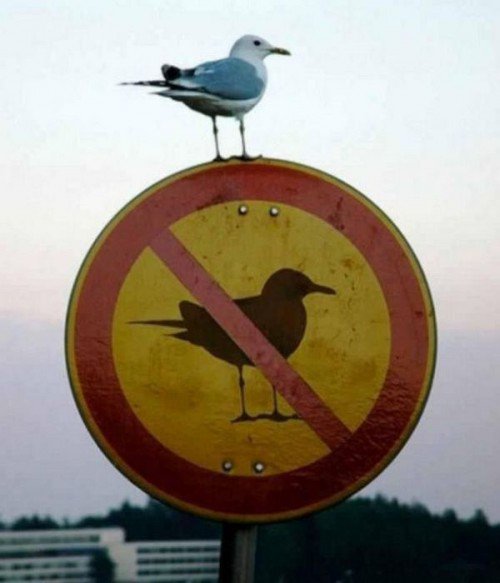
Funny Animal Signs That Warn People (While Animals Ignore Them)
From a seagull on a no-birds disc to classic zoo and park ironies—why animal warning signs get funny, and what the rules are still for.
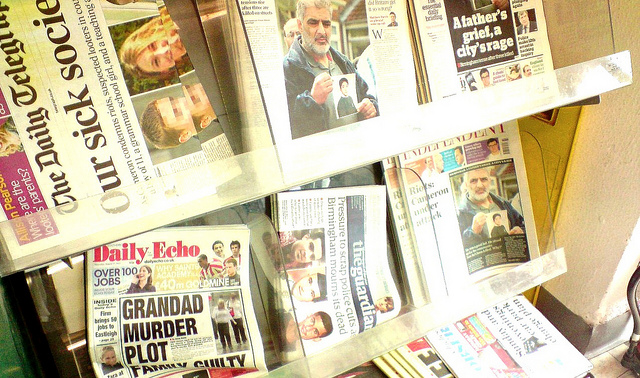
How to Find Local Amenities on Vacation: Mechanics, Haircuts & More
Locate trustworthy local services and everyday spots while traveling or settling in—using publications, reviews, map apps, neighbor tips, and low-pressure exploration.
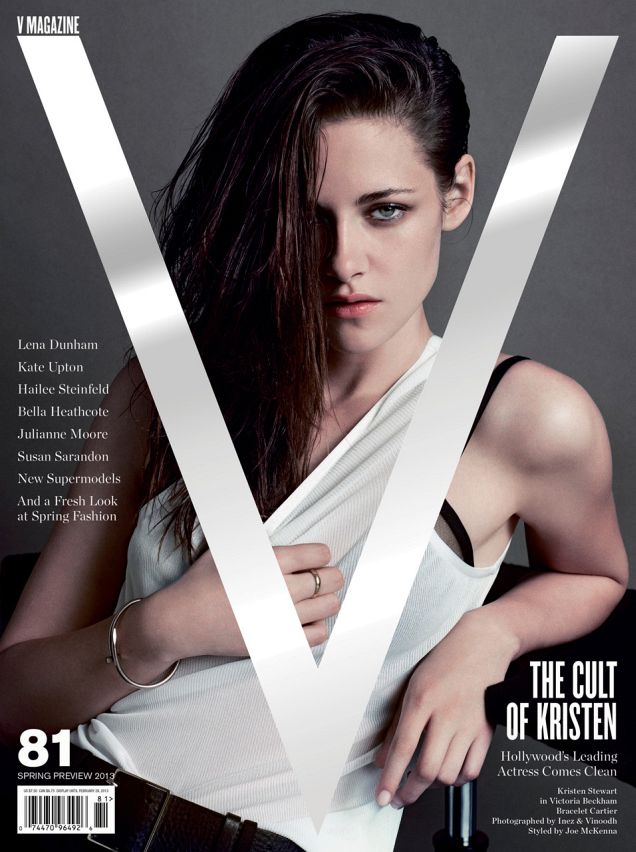
Kristen Stewart for V Magazine, Spring Preview 2013
V81’s Wild at Heart cover story—Kristen Stewart shot by Inez & Vinoodh, styled by Joe McKenna, in pale minimal spring glamour.