
The Art of Blogging: How to Make a Good Article
A practical, ethical guide to writing stronger blog posts—clear jobs, outlines, drafts, and edit passes—without content mills, dissertation spam, or padded word counts.
A good blog article is not a personality test and not a word-count contest. It is a short piece of public thinking that helps a specific reader do, understand, or feel something clearer than before. Mastering that craft takes practice, not a shortcut service that writes your voice for you. This guide stays with the practical work: choosing a job for the post, shaping an outline, drafting without panic, and editing until the piece earns the reader’s time.
Skip the mills. If someone offers to “generate” your blog from a keyword list or ghost an academic-sounding essay you barely understand, you are not learning the art of blogging—you are renting temporary text. Readers notice hollow certainty. Search engines eventually do too. Ethical craft is slower and more durable.
Start with a job, not a vibe
Before you open a blank document, name the post’s job in one sentence. Examples that work: “Teach a beginner how to pack a carry-on for a week,” “Explain why this photographer’s color palette feels cold,” “Walk a home cook through a no-knead dough without scaring them.” Vague jobs—“inspire people,” “share my thoughts,” “rank for this keyword”—produce vague writing.
Ask who the reader is at the moment they arrive. Are they deciding, troubleshooting, browsing for taste, or looking for a name they forgot? Your structure should match that moment. A decision post needs criteria and trade-offs early. A how-to needs steps in order. A gallery feature needs context that makes the images mean something beyond “pretty.”
Write the benefit out loud: after reading, the person should be able to ___. If you cannot fill the blank, you do not have an article yet. You have a mood board.
Choose a niche you can sustain
Blogging rewards return visits. Return visits reward a recognizable beat. That does not mean you must never leave your lane; it means your lane should be wide enough to hold many posts and narrow enough that a stranger can describe what you cover. “Lifestyle curiosities” is a shelf label. “Small-city walking routes with one cafe stop” is a beat.
Study the questions people already ask in your topic—forums, comments, support tickets, conversations—not only what competitors ranked for last year. Personal study still matters. If you have never tried the technique you are teaching, say so and limit the claim. Honesty about experience level is part of craft, not a confession of failure.
Brainstorm without performing productivity
Once the job is clear, collect material: notes, quotes you can verify, examples, counterexamples, and the objections a skeptical reader will raise. A simple mind map helps—topic in the center, related claims around it—but do not mistake a crowded map for a finished argument. Circle the three to five points that actually serve the job. Park the rest in a scrap file. Good articles are defined as much by what they refuse to include as by what they say.
If research is thin, do the research before drafting. Invented statistics, unnamed “experts,” and recycled tips dressed as original insight are the soft fraud of blogging. Link to primary sources when you make a factual claim that is not common knowledge. When you are offering opinion, mark it as opinion.
Outline like a route, not a warehouse
An outline should be a path the reader can walk. Typical strong shape for a craft post:
- Open with the situation and the promise (no throat-clearing autobiography unless it is the point).
- Give the core method or argument in the middle, broken into labeled sections a skimmer can navigate.
- Add edge cases, mistakes, and limits so the advice survives contact with reality.
- Close with a concrete next action or a precise takeaway—not a motivational poster.
Write temporary subheads even if you change them later. Subheads force you to notice when two sections are the same section wearing different hats. If a subhead could sit on any article—“Tips,” “Things to Know,” “Final Thoughts”—replace it with one that could only sit on yours.
Draft for coverage, then for voice
First drafts exist to get the thinking onto the page. Keep the outline nearby and move through it. Do not stop every three sentences to polish adjectives. Do keep the reader in mind: would this paragraph help the person you named earlier, or are you writing to impress a hypothetical editor?
Voice arrives through choices: sentence length, concrete nouns, honest uncertainty, humor that does not punch down. Voice does not arrive through filler (“In today’s fast-paced world…”) or through thesaurus abuse. If a sentence sounds like it could appear on a thousand other blogs without changing a word, cut or rewrite it until it could only be yours—or until it is simply clear.
Length should follow the job. Some posts earn 800 words; some earn 1,800. Padding to look authoritative is the opposite of craft. If you are short on substance, gather more substance. Do not inflate.
Edit in passes, not in panic
After the draft, change modes. Editing is not “feeling bad about your writing.” It is a sequence of checks:
- Accuracy: names, dates, steps, claims. Fix or remove anything you cannot stand behind.
- Structure: move sections until the argument climbs cleanly. Cut digressions that do not serve the job.
- Clarity: replace abstractions with examples. Break long paragraphs. Define jargon once.
- Music: read aloud. Kill repeated openings, throat-clearing transitions, and twin sentences that say the same thing.
- Ethics: remove affiliate bait, undisclosed sponsorship language, and advice that could harm someone if followed casually. Disclose conflicts when they exist.
A second pair of eyes helps when the stakes are high—technical instructions, health-adjacent topics, legal claims—but a careful self-edit still comes first. Professional editors amplify clarity; they cannot invent knowledge you never gathered.
Publish with a title and excerpt that tell the truth
Titles should name the goods. Clever wordplay is fine when it still signals content. Excerpts should continue that honesty in one or two sentences, not bait a click the article cannot pay off. Inside the post, use media that supports the point—diagrams, photos you have rights to, examples—not decoration that slows the scroll for no reason.
After publishing, treat comments and corrections as part of the craft loop. Update a post when a step changes. Note the update briefly. That habit builds trust faster than any growth hack.
What “good” feels like when you are done
A good article leaves the reader with a usable residue: a method they can try, a distinction they can reuse, a name they can remember, a mistake they can avoid. It does not leave them with the sense that they sat through a sales funnel disguised as advice. It does not outsource their curiosity to a content farm.
If you want a single practice that improves everything else, keep a private log of posts that actually helped you—saved recipes, repaired workflows, art features that taught you how to look. Reverse-engineer why they worked. Then steal the structure, not the sentences. Over time your own archive becomes the curriculum. That is the art of blogging: repeated, honest attempts to be useful in public, refined until usefulness looks like style.

Comments
Continue reading
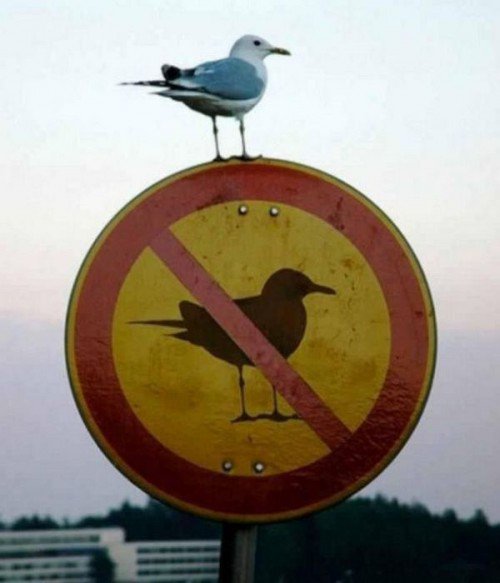
Funny Animal Signs That Warn People (While Animals Ignore Them)
From a seagull on a no-birds disc to classic zoo and park ironies—why animal warning signs get funny, and what the rules are still for.
How to Find Local Amenities on Vacation: Mechanics, Haircuts & More
Locate trustworthy local services and everyday spots while traveling or settling in—using publications, reviews, map apps, neighbor tips, and low-pressure exploration.
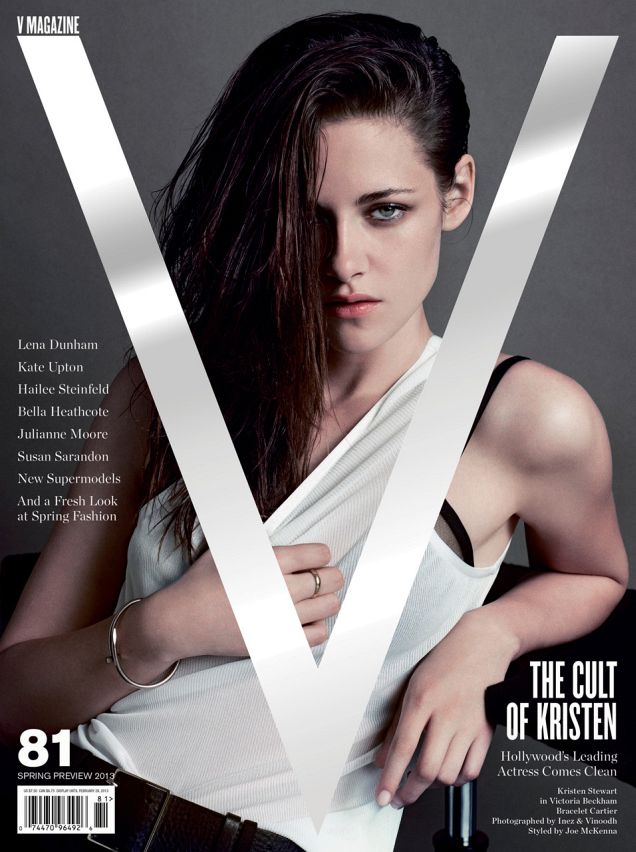
Kristen Stewart for V Magazine, Spring Preview 2013
V81’s Wild at Heart cover story—Kristen Stewart shot by Inez & Vinoodh, styled by Joe McKenna, in pale minimal spring glamour.