
Vintage Magazine Racks That Double as Mid-Century Décor
Sling, boat, wire, and tower forms—how to choose and place a vintage magazine rack so print storage looks designed, not dumped.
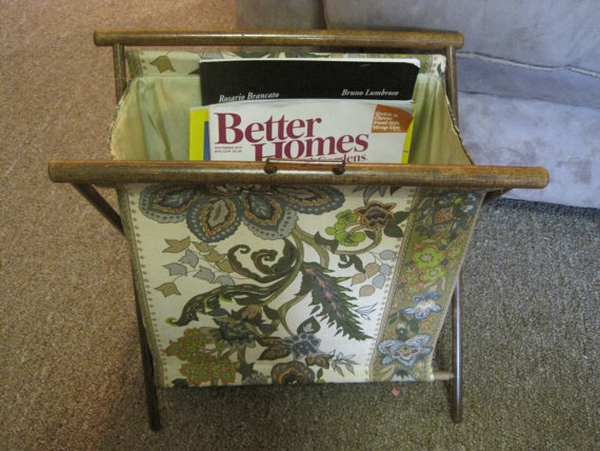
Magazine racks are small furniture with a big job: keep print upright, visible, and off the floor without turning a living room into a waiting room. Vintage and mid-century racks do that job with better lines than most big-box wire stands. Bentwood arcs, sling pockets, brass frames, molded plastic, and low teak boats all store the same paper—yet each changes how a corner feels. If you still keep journals, comics, catalogs, or oversized art books in reach, a good rack is décor that earns its footprint instead of apologizing for clutter.
This is about storage as display. The best vintage magazine racks show spines and covers like a tiny gallery while staying light enough to move when you vacuum. Mid-century examples especially reward a second look: designers treated the rack as a sketch in metal or wood, not as an afterthought basket shoved beside the sofa. A strong rack should look considered when it holds three titles—and still look like furniture when it holds none.
Why mid-century racks still win
Postwar interiors prized lightness. Heavy oak bookcases were not always right for apartments or open plans, so designers invented slim holders that could sit beside a lounge chair or under a console. Materials followed the era’s experiments: tubular metal, cane, teak and walnut, leather slings, perforated sheet metal, and eventually colorful plastics. The silhouette stayed open so rooms felt larger—air passing through the object instead of a solid bulk stealing floor.
Functionally, a rack beats a pile. Magazines stay flatter, covers remain findable, and guests are less likely to kick a stack into a fan of paper. Visually, a curated rack reads as intentional hobby rather than clutter—especially when you limit what lives in it to current reading, not a decade of untouched subscriptions still in plastic mailers. The mid-century lesson is not “buy more vintage”; it is “give paper a designed home.”
Forms worth knowing
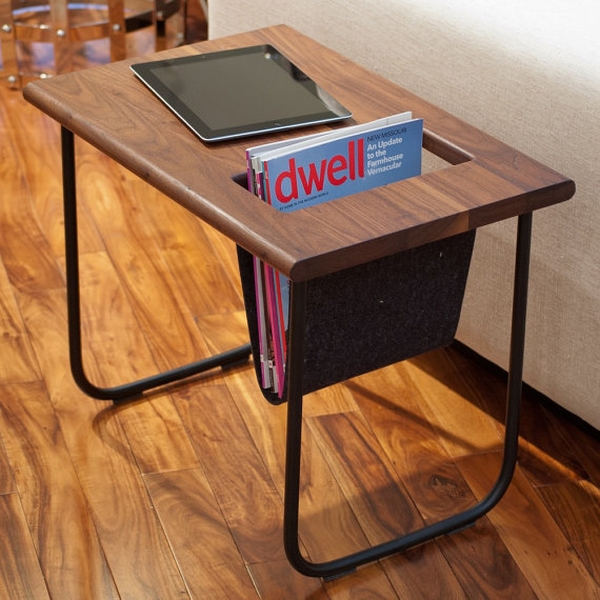
Sling and hammock racks. A leather, canvas, or cord sling between two uprights holds a soft curve of magazines. They look elegant empty and full, and they forgive mixed sizes—glossies beside thinner literary journals. Watch for stretched or cracked slings on true vintage pieces; replacement leather can restore them without killing the frame’s value as furniture. Check how the sling attaches: rivets and rods age differently than glued channels.
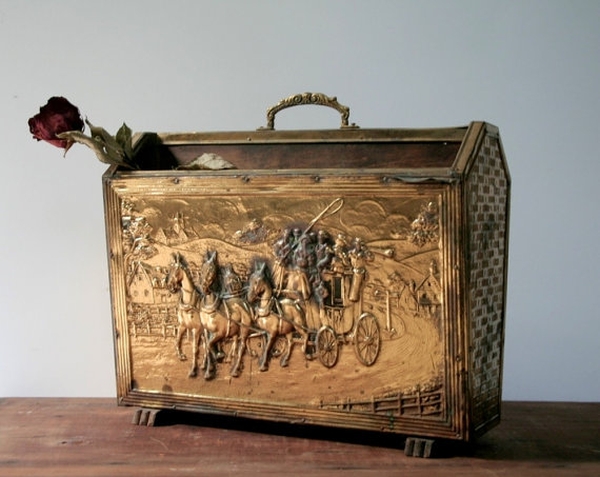
Boat and basket shapes. Low wooden “boats” or handled carriers sit on the floor like sculptural trays. They are stable, child-friendly when edges are smooth, and easy to carry to the sofa on a Sunday. Oversized art magazines and exhibition catalogs fit better here than in narrow vertical slots that pinch corners. A boat rack also doubles, carefully, as a place for thin coffee-table books you actually open.
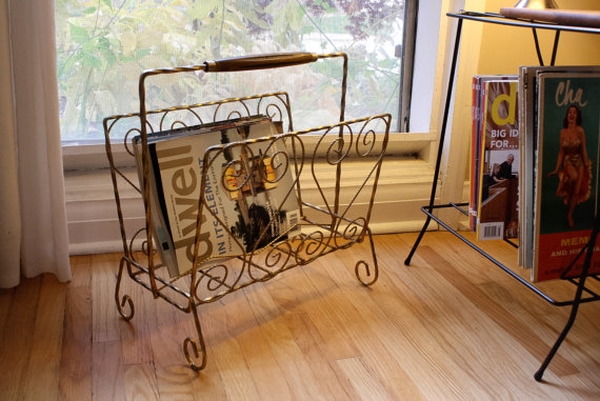
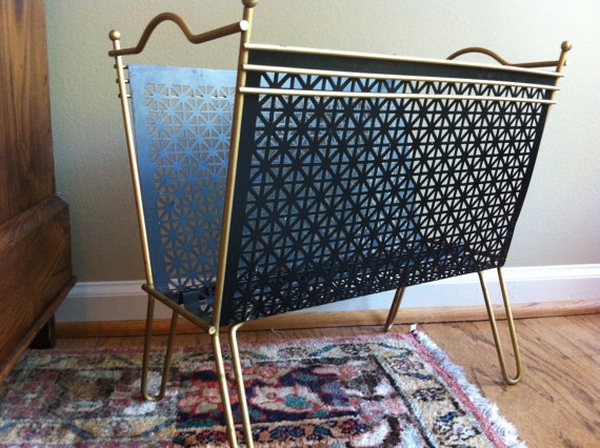
Wire and rod geometry. Chromed or brass rod racks bend into loops, grids, or fan shapes. They go nearly invisible in small rooms and shine in modern lofts where you want sparkle without a heavy wood chunk. Inspect welds and foot caps; wobbly bases scratch floors and spill issues when you pull one title from the middle of a tight pack. A good wire rack should flex almost none under a full load.
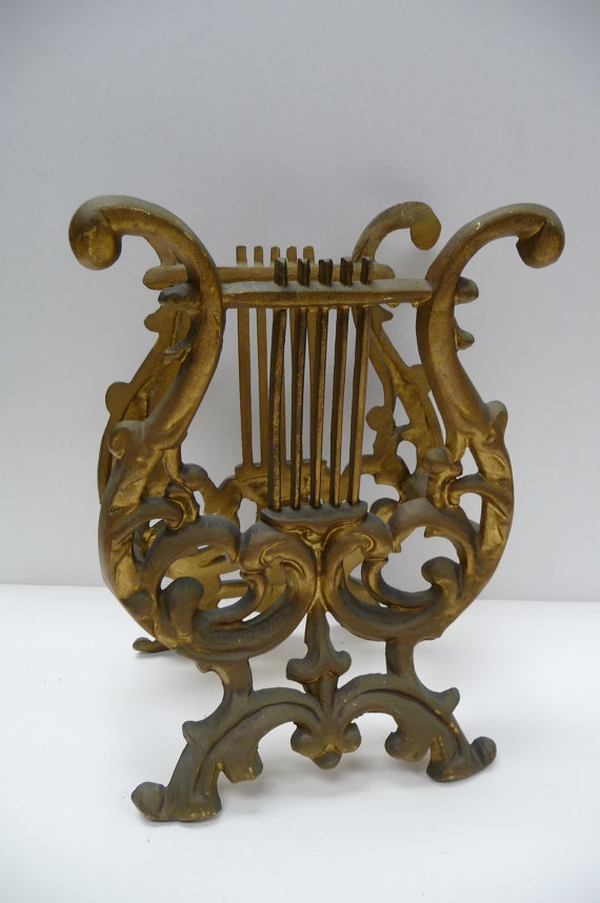
Wall-mounted and standing towers. Vertical towers save floor area in hallways and bathrooms. Wall pockets free the floor entirely but need solid anchors—magazines are heavier than they look in bulk. Pair wall racks with a hard rule: only current issues, or the display becomes a landslide that warps covers and strains brackets. Towers with discrete shelves beat single tall slots if you mix formats.
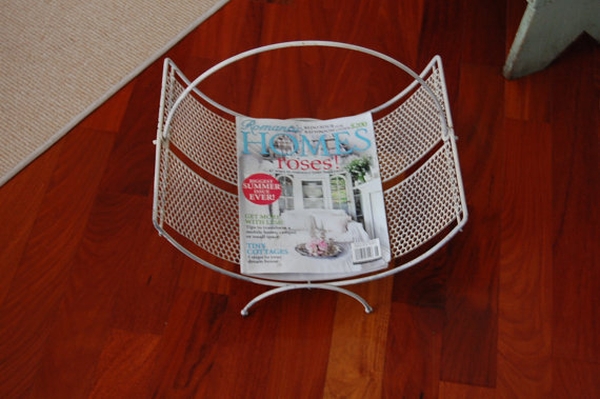
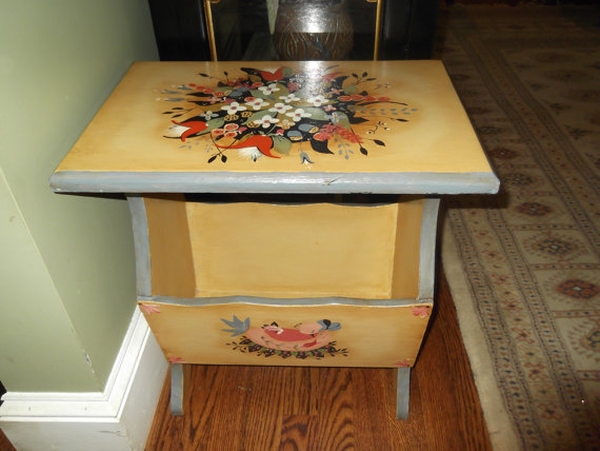
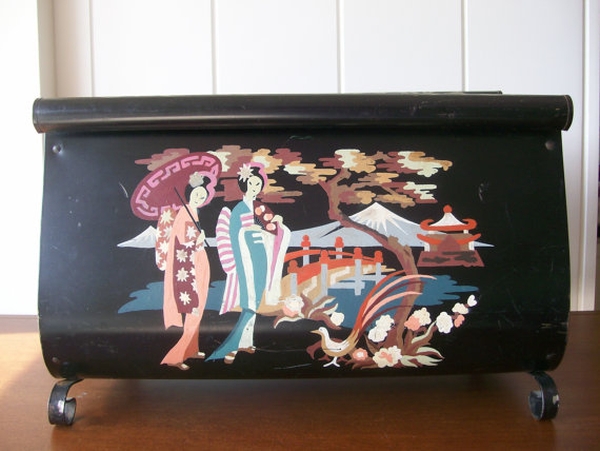
Where to place one so it looks designed
Beside a reading chair is the obvious win: lamp, side table, rack, done. Under a console in an entry, a low rack holds neighborhood papers and catalogs without cluttering the drop zone above for keys and mail. In a bedroom, a small rack can replace nightstand magazine sprawl if you keep volume strict—two or three titles maximum. Bathrooms accept coated metal or plastic better than raw cane, which hates steam and grows tired fast.
Leave breathing room. A rack jammed against a sofa skirt disappears; a few inches of clearance lets the silhouette read as intentional sculpture. On hard floors, felt pads protect both floor and rack feet. On thick rugs, choose a heavier base so the piece does not tip when you tug a thick architecture annual. Corner placement works when the rack’s best face angles into the room; hiding it fully behind a plant wastes the design.
Office corners benefit too. A vintage rack beside a desk keeps trade journals from colonizing the work surface, and a teak or brass piece softens a laptop-heavy setup without introducing another filing cabinet.
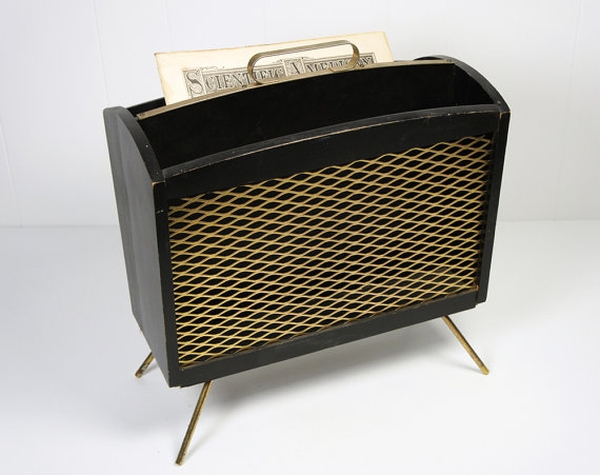
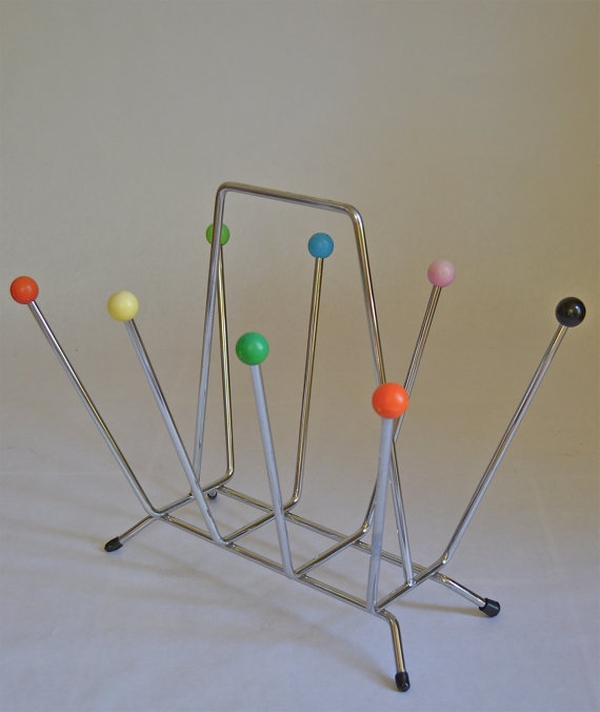
Styling the contents, not only the frame
Covers are part of the furniture. Rotate faces outward for color, or align spines for a quieter library look depending on whether the room needs energy or calm. Mix one oversized title with standard magazines so the stack does not look like a monotonous brick. Remove plastic mailing bags; they shine under lamps and scream clutter even when the rack itself is beautiful.
Edit monthly. If you no longer subscribe, the rack still works for books-in-progress, thin catalogs, or kids’ picture books—just avoid turning it into a junk boat for remotes, chargers, and stray socks. The vintage charm dies when the rack becomes a catch-all. A useful habit: when a new issue arrives, one old issue leaves for recycling or a giveaway pile. The rack stays visually light because the contents stay current.
Color coordination is optional but powerful. A rack of mostly black-and-white photography magazines next to a charcoal sofa feels curated; a random rainbow of grocery circulars does not. Treat the faces like a small exhibition you refresh, not like storage you ignore.
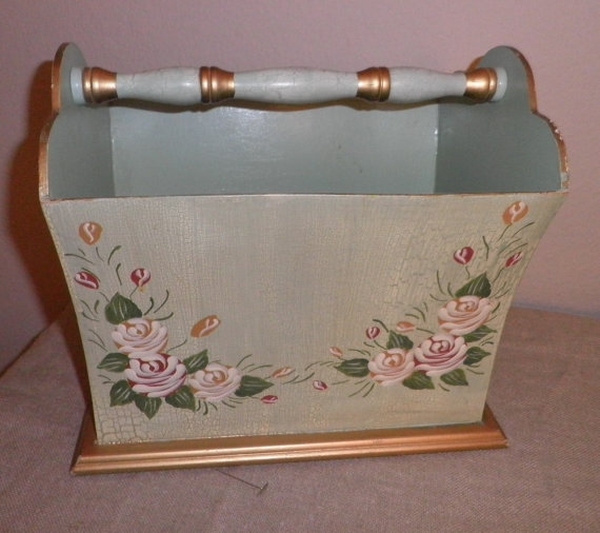
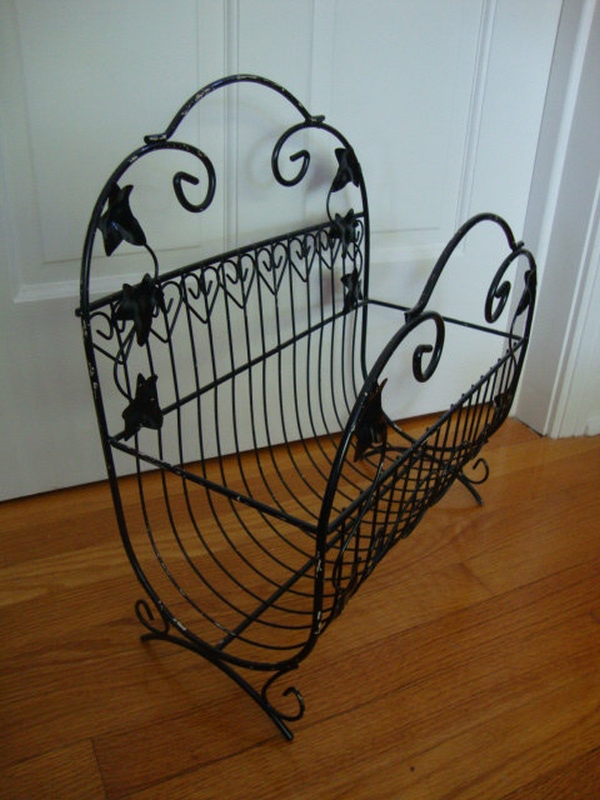
Buying and caring for vintage pieces
Inspect joints, sling hardware, and rust at bends before you commit. Teak oil can revive dry wood; metal polish should stay gentle on plated finishes so you do not scrub through chrome into dull steel. Smoky odor in cane or fabric may need airing or professional cleaning before the piece enters a bedroom. Measure your tallest magazine and deepest catalog before you fall for a narrow slot design that looks perfect empty and fails on day one.
Reproductions of classic designs are widely available and often fine for daily use; true vintage rewards collectors who care about maker marks, patent stamps, and original materials. Either path beats a flimsy temporary stand that twists after one season. Budget for felt pads and, if needed, a sling replacement—those two fixes save many otherwise perfect frames. Avoid racks with sharp unfinished wire ends near kids or pets; a quick file and rubber tip can make a sculptural piece household-safe.
Shipping vintage racks needs care. Sling models travel better partly disassembled when possible; welded wire pieces need corner protection so bends do not kink. Once home, level the feet. A beautiful rack that rocks will annoy you every time you reach for a title.
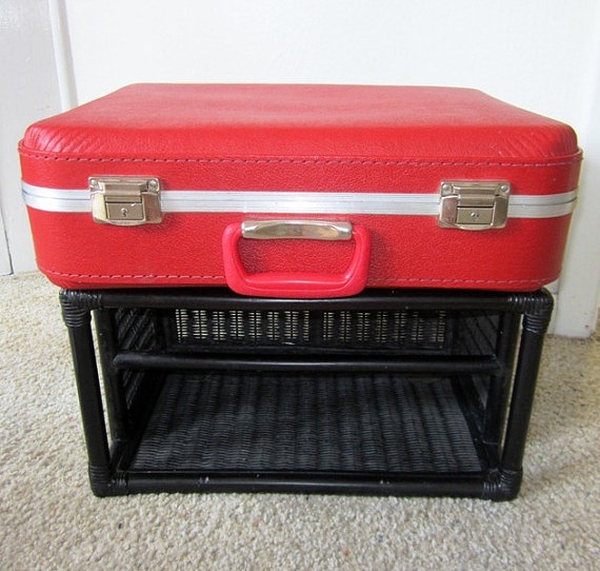
A quick placement checklist
- Match rack scale to the chair or console beside it—neither toy-sized nor looming.
- Confirm floor protection and a non-tip base on rugs.
- Limit contents to what you will open this month.
- Keep one “face” cover visible if the room needs color.
- Dust the frame when you dust the side table; neglected metal dulls fast.
Pick a rack the way you pick a side table: for line, stability, and how it looks half-empty on a Tuesday. Fill it with what you actually read, park it where a hand can reach without a stretch, and let the mid-century silhouette do the quiet showing-off. Paper storage rarely looks this considered—until the right vintage rack is doing the work.

Comments
Continue reading
Home Dream Home: Romantic Details for Soft, Vintage Rooms
Ethereal light, French-inspired silhouettes, and weathered whites—how to add romance with sheers, candles, and inherited-feeling pieces.

Bohemian Rhapsody, Part 2: How to Layer the Look Without a Theme Park
A curatorial companion to Part 1—pavilion logic, colour spines, texture, light, and a stop-test for building bohemian rooms you can actually live in.

Bohemian Rhapsody, Part 1: Caravans, Colour, and Collected Atmosphere
Indian, tribal, Romany, and hippie cues in one mood—painted wagons, ornate iron, layered fashion, and interiors that feel gathered rather than staged.