
Short Hairstyles for Women: A Practical Cut-and-Care Guide
Pixie, bob, lob, fringe, and grow-out advice based on hair type, morning time, and maintenance—not trend lists without a plan.
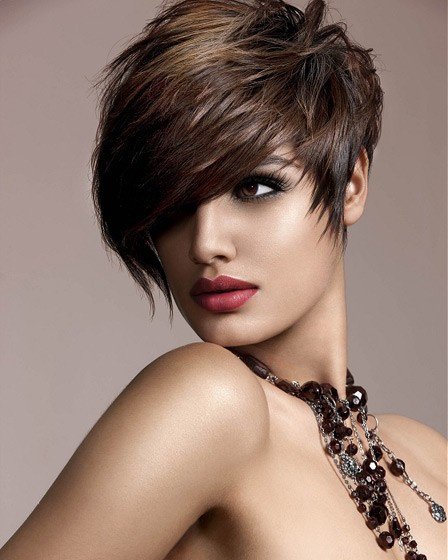
Short hair on women is not a single look. It is a family of cuts that trade length for shape, ease, or edge—and the right one depends on hair density, growth pattern, face shape, and how many minutes you actually have before leaving the house. This guide is practical: what common short styles do, who they suit, and how to keep them from collapsing between salon visits.
Decide the job before you decide the name
Salon vocabulary—pixie, bob, lob, crop—is useful only after you know the job. Ask yourself four questions before you book:
- Do you want wash-and-go mornings, or are you willing to style with heat most days?
- Is your hair fine, medium, or coarse—and does it hold curl or fall flat by noon?
- How fast does your hair grow, and how often can you afford a cut?
- Do you need a look that still reads “finished” when you are in a rush and slightly sweaty?
Short cuts punish vagueness. A long style can hide a weak shape for months. A short style shows its bones in two weeks. If you cannot answer those questions, start with a consultation photo set: three looks you like, three you dislike, and one honest photo of your hair on a normal day—not a blowout day.
Pixie and crop: maximum shape, maximum maintenance honesty
A classic pixie keeps length mostly on top and tightens the sides and nape. A crop is often even more architectural—think deliberate texture rather than soft fringe romance. These cuts flatter strong bone structure and suit people who like their haircut to do the styling work. They also reveal growth fastest. If your budget or calendar cannot support trims every four to six weeks, a softer short bob will be kinder.
Fine hair often loves a pixie because removing weight can create lift. The trap is over-thinning: too many texturizing passes leave fine hair looking sparse instead of airy. Ask for blunt-ish ends on top if your hair is baby-fine, and save point-cutting for denser hair that needs movement.
Coarse or curly hair can look excellent in a short crop when the cut respects the curl pattern instead of fighting it. Bring photos of wet and dry curl, not only smoothed Instagram edits. A cutter who understands shrinkage will leave enough length in the right places so the shape does not vanish when the hair dries.
Bob family: the everyday workhorse
Chin-length and jaw-length bobs remain the most forgiving short category for first-time choppers. A blunt bob reads polished and graphic. A graduated bob (shorter in back, longer in front) adds swing and can slim a rounder face line. A textured bob softens the outline and hides imperfect blowouts.
Face-shape notes without mythology:
- Rounder faces often benefit from a slightly longer front and some height at the crown.
- Longer faces often benefit from width near the cheek—soft bends, side parts, or curtain-ish fringe rather than a severe center skim.
- Square jaws often look good with soft layers around the jaw rather than a hard horizontal line that mirrors the bone.
None of these are laws. They are starting points for the mirror conversation. Bring a photo of you smiling; jaw and cheek change with expression, and a cut that only flatters a still face will frustrate you in real life.
Lob and “short-ish”: the halfway house
A long bob that sits on the shoulders is technically short-adjacent, and it is the safest bridge if you are leaving long hair but not ready for ears-out commitment. It keeps ponytail options on bad days and still reduces drying time. If your real goal is low maintenance, do not stop at a lob that still needs a full blowout to look intentional. Ask for internal layers or a soft bevel that falls into place with air-drying and a cream.
Fringe decisions that make or break short hair
Fringe is optional architecture. A micro fringe is high style and high upkeep. A curtain fringe softens and can grow out more gracefully. A side-swept fringe hides a growing-out phase and helps people who dislike a bare forehead.
If your hairline is uneven, cowlicked, or naturally sparse at the front, say so before scissors touch fringe. A cutter can place weight to fight a cowlick or avoid a fringe that will part itself into a gap every morning. Short styles with failed fringe grow into awkward helmets; short styles with honest fringe planning grow into intentional longer cuts.
Color, gray, and short cuts
Short hair shows color placement clearly. Soft root melts and dimensional lowlights often look more expensive than a flat single shade, especially under office lighting. If you are embracing gray, a precise short cut can make salt-and-pepper read deliberate rather than neglected—shape does half the styling.
Bleach-heavy pale tones on short hair need a maintenance plan: purple shampoo schedule, bond care, and trim timing. A damaged short cut looks thinner faster than damaged long hair because there is less length to disguise breakage.
Styling kit that is enough
You do not need twelve products. Most short women’s styles run well on a short list:
- A lightweight cream or lotion for air-dry control.
- A small amount of paste or clay for piecey texture on pixies and crops.
- A flexible spray for hold without helmet shine.
- A round brush or vent brush if you blow-dry; a diffuser if you are curly.
Apply less than you think. Short hair collapses under product weight. Warm a pea-size amount between palms, push into roots for lift or through ends for separation, then stop. If your hair looks wet and dark after product, you used too much.
Salon script that gets better results
Say the lifestyle sentence first: “I will style this with ten minutes, no iron, three mornings a week.” Then show photos. Then name the non-negotiables: keep ears covered, never above the jaw, no heavy fringe, and so on. Ask how the cut will look at week three and week six. A good cutter designs the grow-out, not only the day-one photo.
If you dislike the result, speak up before you leave. Softening a line or adjusting fringe takes minutes in the chair and weeks of resentment at home.
Growing out without misery
Growing short hair is a sequence of intentional intermediate cuts, not a year of waiting. Book shape trims that remove bulk where it balloons and leave length where you need it. Headbands, soft waves, and strategic clips help during the awkward band around the nape and ears. If the awkward phase makes you want to quit, shorten again into a coherent crop rather than living in a half-grown shape that suits nobody.
Short hair rewards clarity. Choose a cut that matches your mornings, say the maintenance truth out loud, and treat the first trim after the big chop as part of the haircut—not an optional sequel. The goal is not “trendy short.” The goal is a shape you can live in on a Tuesday.

Comments
Continue reading

Red, Dark, and Blonde Ombre Hair Styles
A style guide to ombre gradients—dark bases, blonde fades, and red-copper melts—with gallery examples, contrast tips, and a clear salon brief.
Very French Chignon: Hairstyle Examples and How-To
What makes a chignon French—nape placement, classic shapes, and a practical guide to sleek, braided, and messy summer versions.

ELLE Bulgaria September 2012: Georgi Andinov’s Editorial
A historical look at ELLE Bulgaria’s September 2012 fashion story—Georgi Andinov’s photographs, the creative team, and how early-2010s magazine polish still reads.