
Unique Wine Racks and Bottle Holders for Home Display
Choose wall, freestanding, or countertop wine racks that protect bottles, fit your space, and look intentional—practical styles, materials, placement, and safety tips.
A wine rack is more than storage. In a kitchen, dining room, or small bar nook, it becomes a vertical display: glass catching light, labels facing out, bottles ready without cluttering the counter. The best holders balance three jobs at once—protect the wine, show it off, and fit the room you actually have.
Whether you collect a few bottles for weekends or keep a rotating case for dinner parties, the right rack turns “where do these go?” into a design choice. Below is a practical guide to styles, materials, placement, and the small details that separate a clever holder from a dusty shelf that never gets used.
What a good wine rack actually needs to do
Wine likes cool, dark, steady conditions. Everyday home storage rarely matches a cellar, but you can still avoid the worst mistakes. Keep bottles away from ovens, dishwashers, radiators, and sunny windows. Vibration from laundry machines and heavy foot traffic is worth avoiding if you store anything you care about for months.
Orientation matters. Most still wines prefer a slight tilt or horizontal rest so corks stay moist. Screw-cap bottles are more forgiving and can stand upright. Sparkling wine is often stored upright for short periods; for longer storage, follow the producer’s guidance and keep temperatures stable.
Capacity is the other practical filter. Count how many bottles you typically have on hand, then add a little headroom—not a warehouse. An oversized empty rack looks unfinished; a cramped one forces bottles onto the counter.
Wall-mounted racks: slim, graphic, space-saving
Wall racks suit apartments and kitchens where floor space is precious. Metal pin systems, floating shelves with bottle grooves, and lattice frames all work. Look for hardware rated for the weight of full bottles—glass plus liquid adds up faster than people expect.
Design tip: treat the wall rack like art. A short run of bottles above a sideboard, beside a fridge, or along a hallway creates a deliberate line without blocking walkways. Leave clearance so labels face forward and you can lift a bottle without scraping the wall.
If you rent, use studs or high-quality anchors, and choose removable systems when possible. A failed mount is both a safety issue and a wine disaster.
Freestanding units: furniture that holds bottles
Freestanding racks range from slim towers to cabinet-style pieces with glass doors. Towers work in corners and beside dining tables. Wider units can double as room dividers in open-plan spaces—useful when you want a soft boundary between kitchen and living area.
Wood brings warmth; powder-coated steel reads modern; mixed wood-and-metal fits industrial lofts. Match the finish to nearby cabinets or flooring so the rack feels intentional rather than like an afterthought from a gift shop.
Cabinets with doors help if dust, pets, or curious kids are part of daily life. Open frames are better when display is the point and the room stays relatively clean.
Under-cabinet and countertop holders
Small under-cabinet racks keep everyday bottles off the worktop. Countertop holders—cradle-style for one or two bottles, or compact cubes for four to six—suit people who drink through stock quickly and do not need long-term storage.
These pieces shine when they solve a specific habit: the weeknight red next to glasses, the white waiting for dinner, the olive oil and vinegar sharing a similar cradle language so the kitchen looks coordinated.
Creative bottle-holder ideas that still work
“Unique” does not have to mean fragile sculpture. Useful creative options include:
- Stacked crates or modular cubes — rearrange as your collection grows; paint or stain to match shelves.
- Repurposed furniture — an old dresser with removed drawers and added bottle cradles; a narrow bookcase fitted with angled supports.
- Ceiling or high-shelf displays — for empties or decorative bottles only, never for heavy full bottles unless engineered for the load.
- Built-in niches — recessed shelving in a kitchen island end or dining alcove, lit with a soft LED strip.
- Tabletop sculptural holders — single-bottle stands for the bottle you are serving tonight; keep them sturdy and easy to clean.
When a design looks clever in photos but wobbles on a real table, skip it. Stability beats novelty every time.
Materials and finishes worth choosing
Hardwood (oak, walnut, maple) ages well and suits traditional or mid-century rooms. Seal it against spills.
Metal (steel, iron, aluminum) handles humidity better in some kitchens and reads contemporary. Check for sharp edges and rust-prone finishes in damp areas.
Acrylic or glass keeps the visual weight light but scratches and shows fingerprints; better for short-term display than heavy storage.
Finish should resist wine stains and wipe clean. Matte paints hide fingerprints; glossy surfaces look sharper but need more care.
Placement ideas by room
Kitchen: Away from heat and steam. End of an island, pantry wall, or a quiet stretch of wall near the dining threshold.
Dining room: Sideboard-height racks or a low cabinet keep service easy. Pair with glass storage nearby so you are not walking bottles across the house.
Living room bar cart zone: A small freestanding rack beside a cart or console works if the room stays cool and out of direct sun.
Basement or utility corner: Best for longer storage—cooler and darker—provided humidity is controlled and the rack sits off damp floors.
Organizing labels, types, and “drink soon” bottles
Group by use, not only by region. Everyday bottles at eye level; special bottles higher or deeper; “open this week” near the front. If you rotate stock, a simple notebook or phone note with purchase dates prevents forgotten bottles from aging past their best.
Leave a little empty space. A rack stuffed edge-to-edge is hard to shop from and looks chaotic. Negative space makes the bottles look curated.
Safety and installation checklist
- Confirm weight rating for wall mounts and shelves.
- Anchor into studs when possible; use appropriate hardware for masonry or plaster.
- Keep pathways clear—no bottle edges sticking into traffic lanes.
- Store heavy cases on lower, sturdier units; use upper shelves for lighter displays.
- Wipe spills promptly so wood does not stain and metal does not corrode.
Buying versus building
Ready-made racks save time and usually come with tested hardware. Building your own makes sense if you have a weird alcove, a specific bottle count, or leftover lumber that matches your cabinets. For DIY, prioritize bottle cradles that hold necks and bases securely, sand all contact points smooth, and test with water bottles before loading wine.
If you commission a carpenter, bring measurements of the wall or niche, photos of nearby finishes, and a realistic bottle count. Ask how the piece mounts and how it will be cleaned.
A simple way to choose
Start with climate and traffic in the room, then capacity, then style. A beautiful holder in the wrong place will frustrate you; a plain, solid rack in the right place becomes part of how you entertain. Once those basics are settled, you can chase a distinctive shape—a spiral tower, a honeycomb grid, a slim floating rail—without sacrificing the wine or the wall.
Pick one zone in the house, clear it, measure twice, and install a rack that fits both your bottles and the way you live. The display will look intentional from day one, and pouring a glass will feel easier every time you walk past.

Comments
Continue reading
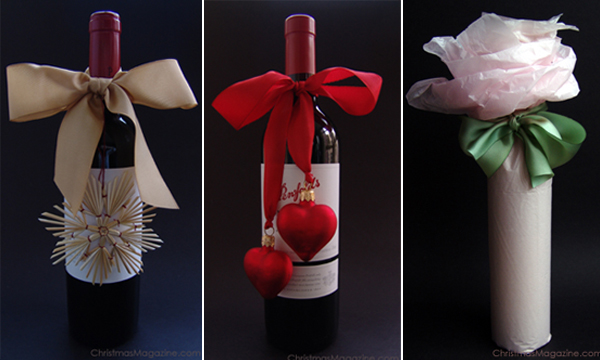
How to Dress Up Wine Bottles for Gifting
Paper, fabric, ribbon, and simple toppers that turn a plain bottle into a personal hostess gift—without burying the neck or fighting the label.

Garden Decoration Beyond Beds: Lace, Mosaiculture, and Upcycled Yard Art
From dressed topiary and floral cyclists to license-plate dragonflies and lace between trees—garden decorations that give a yard a voice.
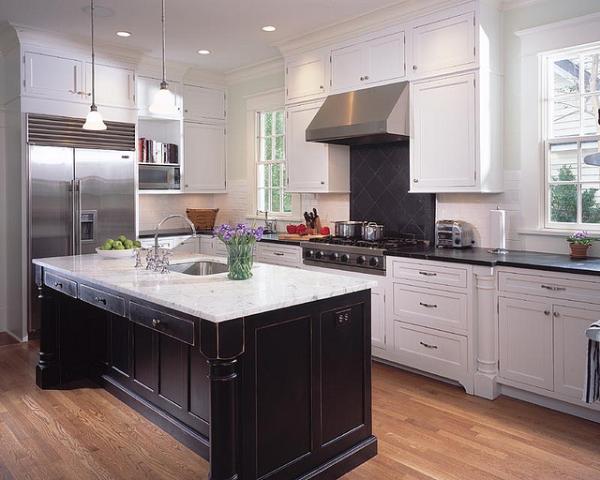
Kitchen Design Ideas: Layout, Storage, Light, and Finishes That Work
Practical kitchen design ideas—work zones, cabinetry, lighting, and durable finishes—so inspiration translates into rooms that cook and gather well.