
Travel Wish List: Norway’s Fjords and Far North
From Bergen and Geiranger to Preikestolen, Trolltunga, and Lofoten—a south-to-north wish list built around fjords, cliffs, and northern light.
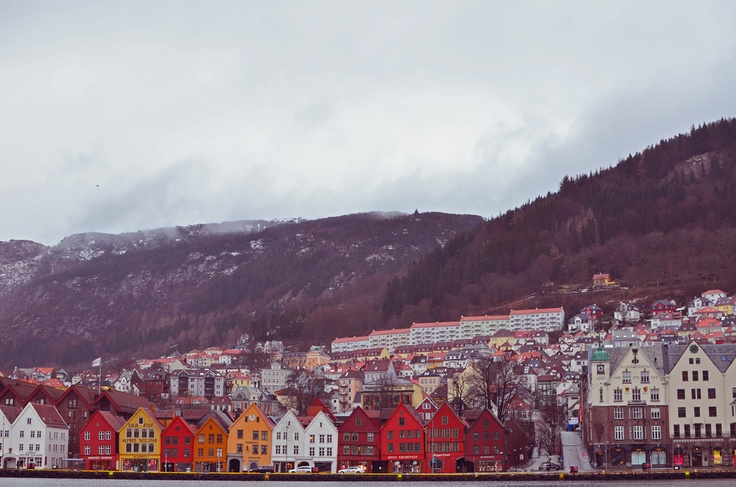
Norway is the kind of country that rearranges your sense of scale. Fjords cut deep inland, cliffs rise like theater backdrops, and farther north the light itself becomes an event—midnight sun in summer, aurora in the darker months. A travel wish list for Norway is less about ticking cities than about choosing which northern landscapes you want to stand inside: western waterways, iconic rock platforms, Arctic islands, and the quieter towns that make those journeys possible. Nature is the headline; towns are the punctuation.
The photographs that follow are invitations rather than a fixed itinerary. Read them as a south-to-north sweep: harbor cities and inland valleys first, then the great fjords and cliff hikes, then Lofoten and the high north where weather and light write the schedule. Trying to see “all of Norway” in a short holiday mostly produces highway fatigue. Choosing two or three landscapes deeply produces memory.
Gateways: Bergen, Lærdal, Oslo
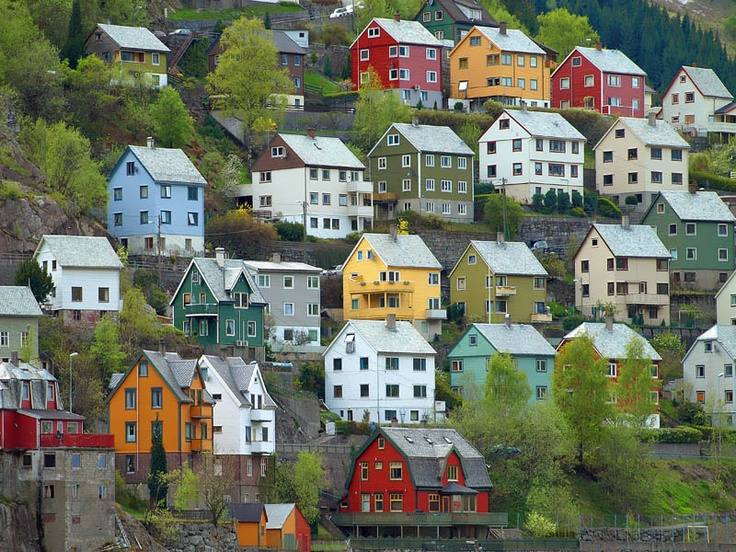
Bergen is many travelers’ western doorway—a harbor city of steep streets, colorful waterfront warehouses, and weather that can change between coffee and dessert. Use it as a base for fjord country rather than as a week of pure urban sightseeing. Rain is part of the Bergen story; waterproof layers turn inconvenience into atmosphere, and a museum hour can save a sodden afternoon without spoiling the trip. From here, trains, buses, and boats fan toward valleys and waterways that feel suddenly remote. The jump from café chatter to silent water can happen in a single day if connections align.
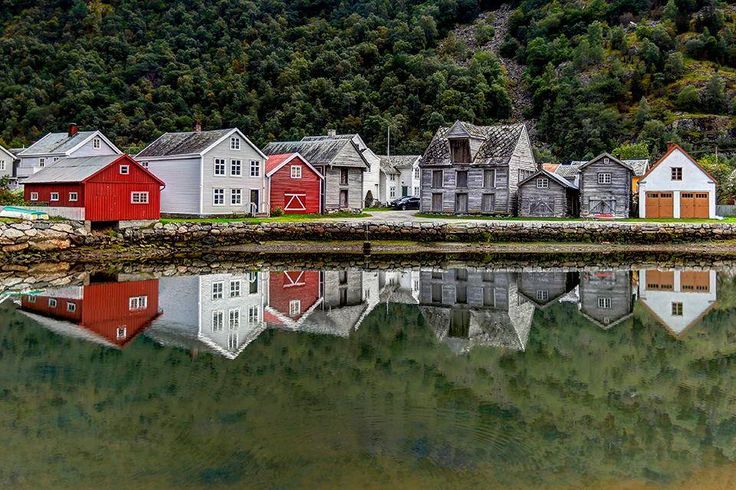
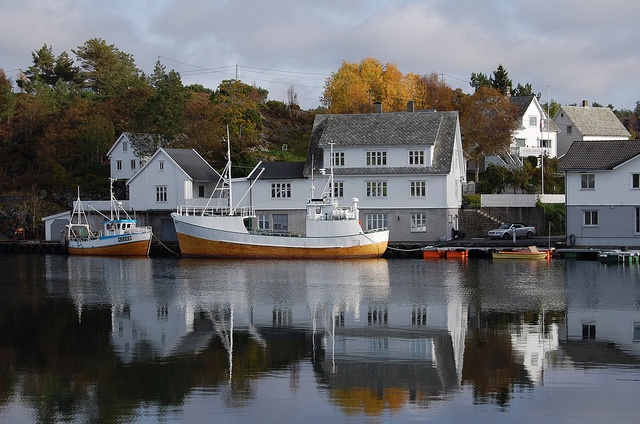
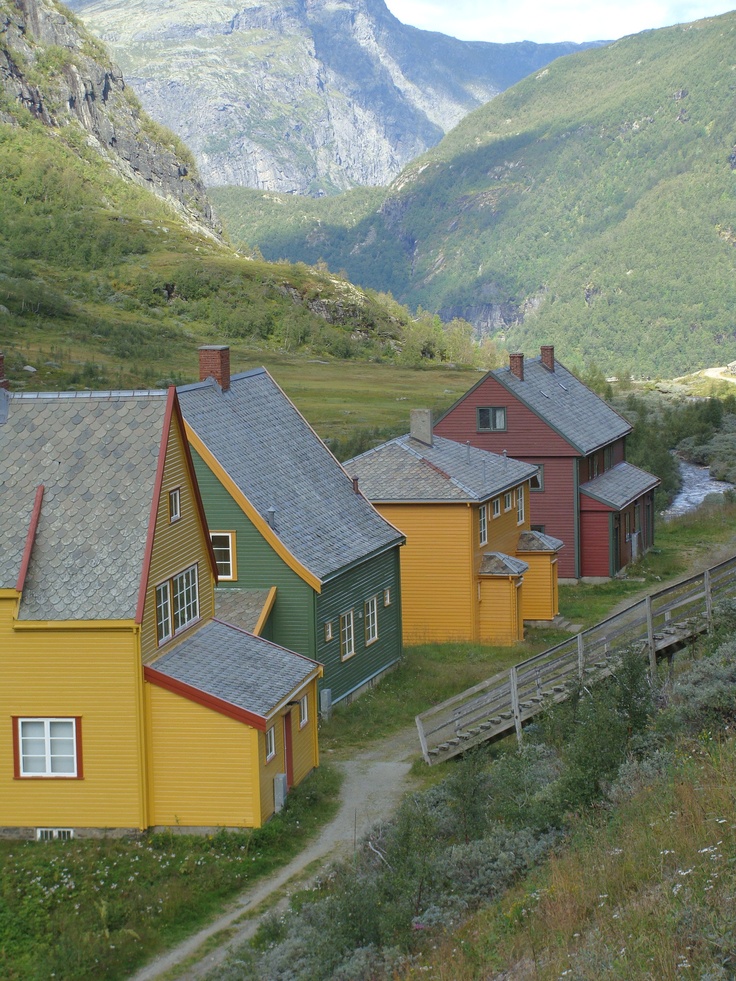
Lærdal and similar inland corridors show another Norway: river valleys, wooden architecture, and roads that thread between rock walls. These places matter because fjord travel is not only a cruise-deck view. It is also the approach—tunnels, switchbacks, ferries, and the moment the land opens onto water again. Drivers should expect narrow stretches, weather delays, and the need for patience at ferry queues. That friction is part of the country’s rhythm, not a planning failure.
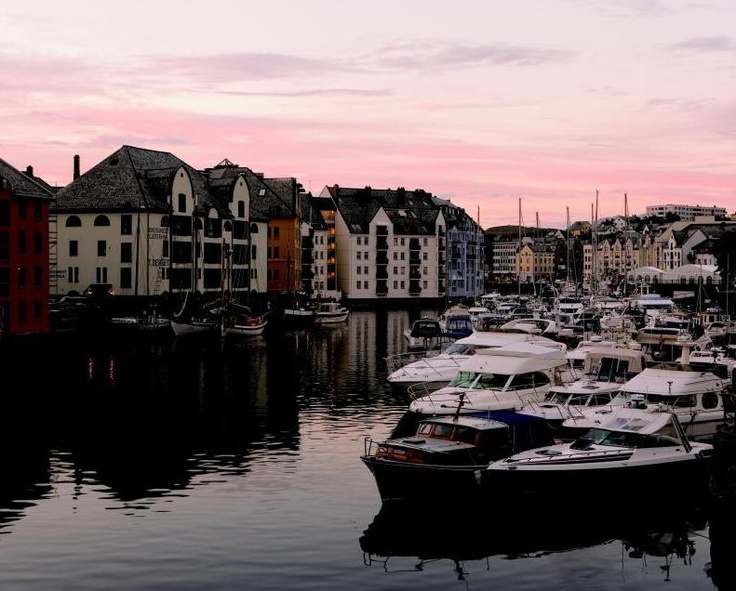
Oslo anchors the trip differently: museums, waterfront paths, and a capital’s energy after days of silence. Many itineraries begin or end here because flights do. Give the city at least a full day if you can—sculpture parks, the harbor, and neighborhoods where contemporary Norway feels lived-in rather than postcard-only. Then leave for the landscapes that made you book the ticket. A capital day also helps with practicalities: gear shops, groceries for a cabin stay, and a last good night’s sleep before early ferry mornings.
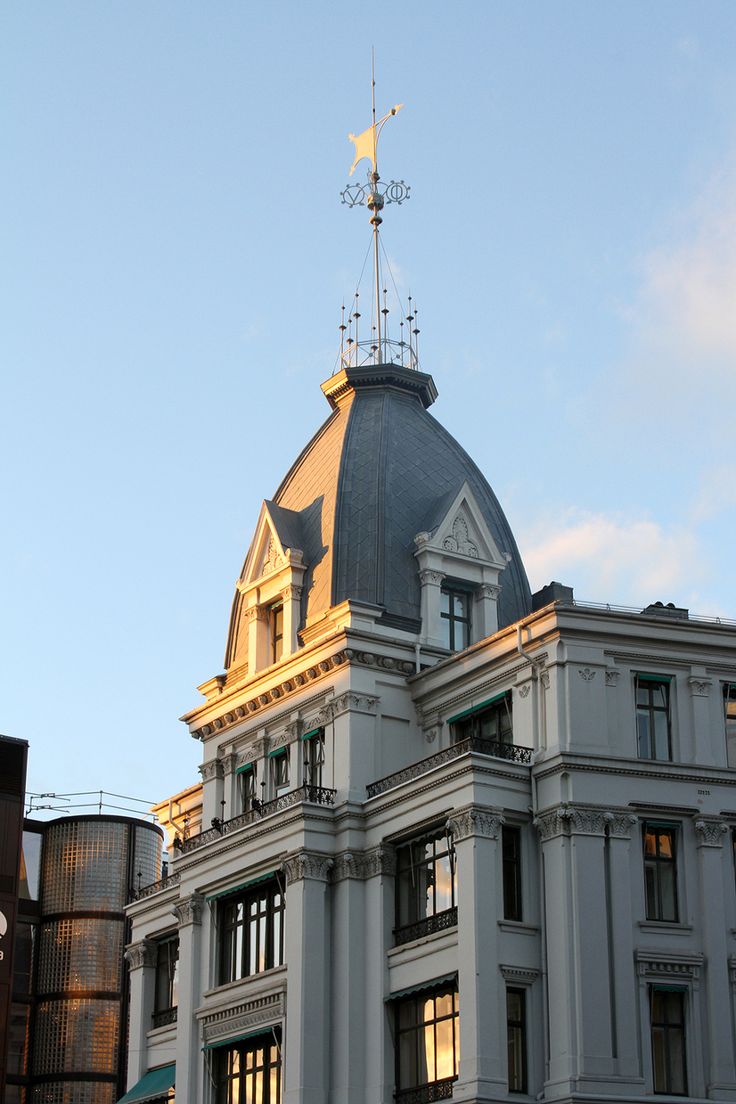
Fjords as the main character
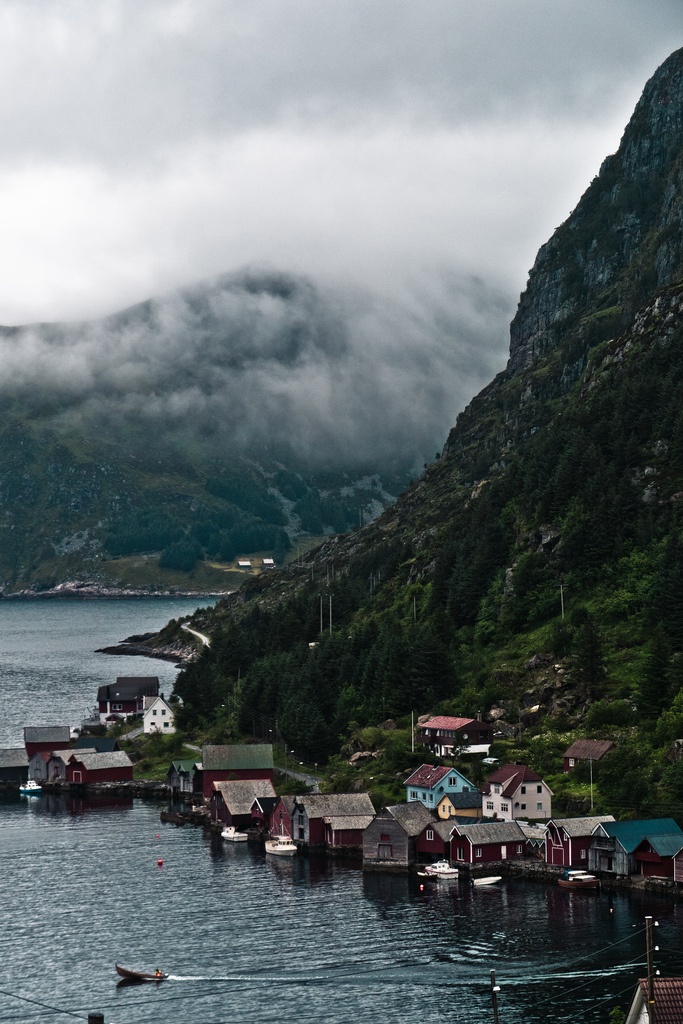
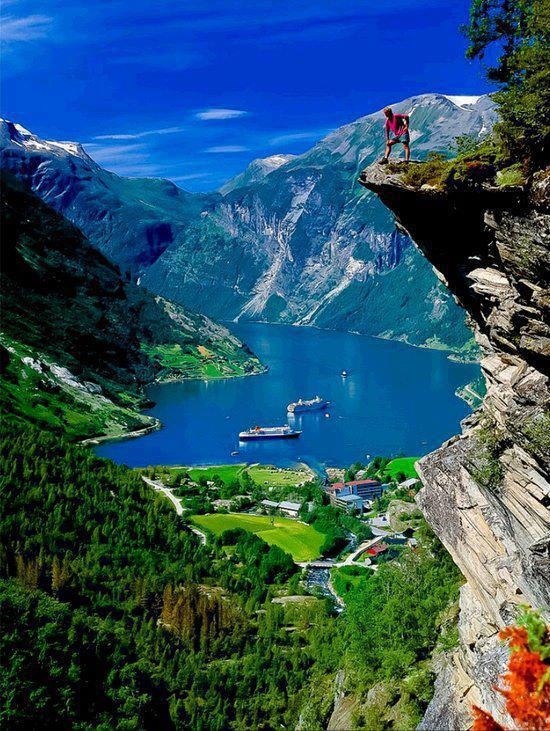
Norway’s fjords are drowned valleys framed by steep rock, waterfalls, and farms clinging to improbable shelves. Geirangerfjord is among the most photographed—tight turns, cascading water, cruise ships tiny against the walls. The UNESCO fame is earned; so is the need for timing. Shoulder seasons and early starts soften the crush. Whether you arrive by boat, viewpoint road, or a combination, the lesson is the same: look up, look down, and let vertical scale reset your expectations of “scenery.” Mist can erase a view for an hour and then return it brighter than before. Bring a spare hour in the plan for that kind of weather theater.
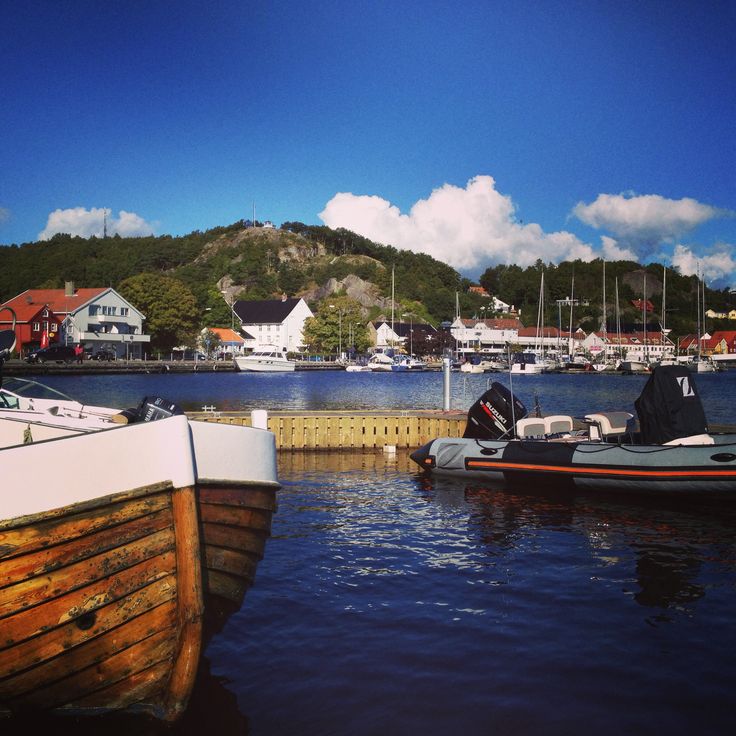
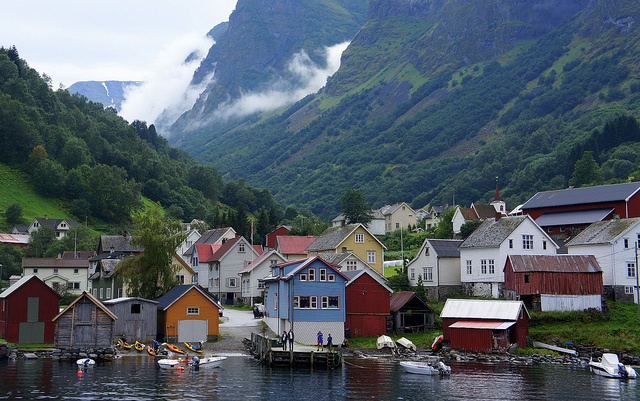
Odda and surrounding Hardanger country offer another fjord-adjacent mood: orchards in season, glacier-fed water, and trailheads that lead toward dramatic rock formations. The west is not a single postcard. It is a network of arms and branches, each with its own weather cell and ferry timetable. Build slack into any road trip. A delayed boat is not failure; it is Norway reminding you who sets the pace. When fruit blossoms or autumn color arrive, Hardanger adds softness to the usual drama of rock and water—another reason not to treat every fjord day as the same hike.
Cliffs and platforms: Preikestolen, Trolltunga
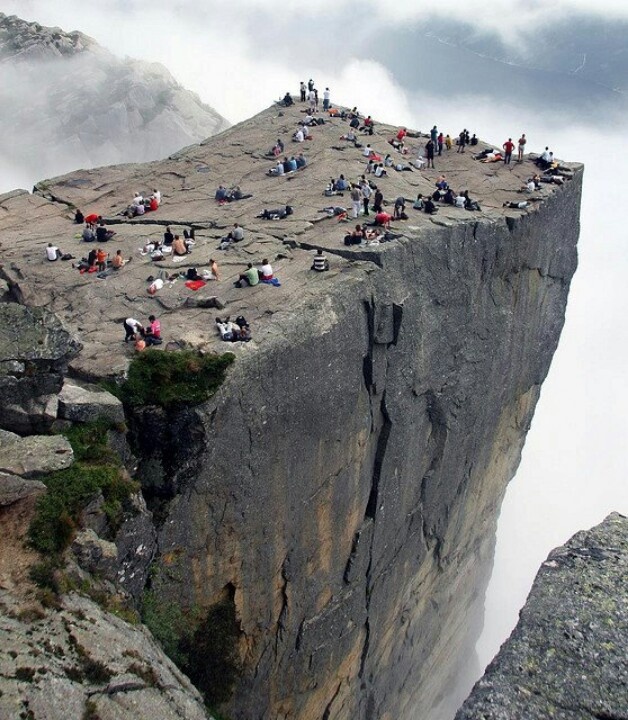
Some of Norway’s most famous views require hiking. Preikestolen (Pulpit Rock) above Lysefjord in the south is a flat rock shelf hanging over deep water—an image so familiar it can feel surreal when you finally stand there. The hike is a commitment: good shoes, weather awareness, enough food and water, and respect for edges without railings. Go for the approach as much as the platform. Forests, plateaus, and the first glimpse of the fjord below are part of the story. Turn around if conditions deteriorate; the rock will still be there on a safer day.
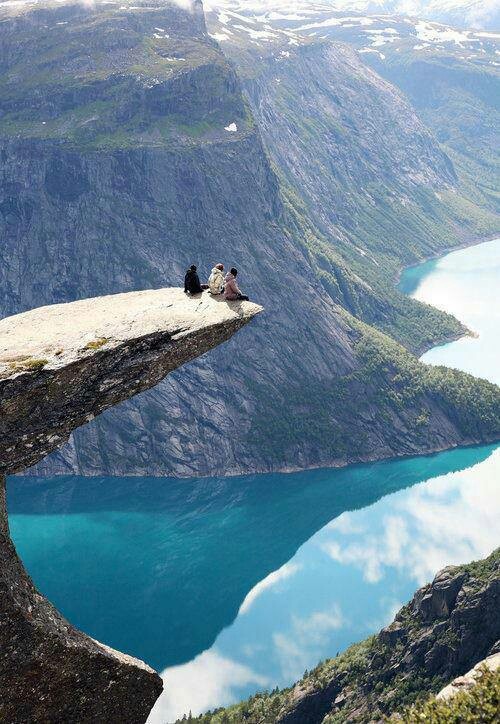
Trolltunga—“troll tongue”—is another bucket-list rock, a protruding slab with a long approach that weeds out casual daydreamers. Conditions matter. Snow can linger into seasons that look like summer on a calendar; wind can shut the experience down; and overcrowding in peak weeks can turn a wilderness hike into a queue. If this formation is central to your wish list, research current trail status, start early, carry layers, and treat fitness as preparation rather than optimism. The photograph at the end is optional. The day’s work is the point.
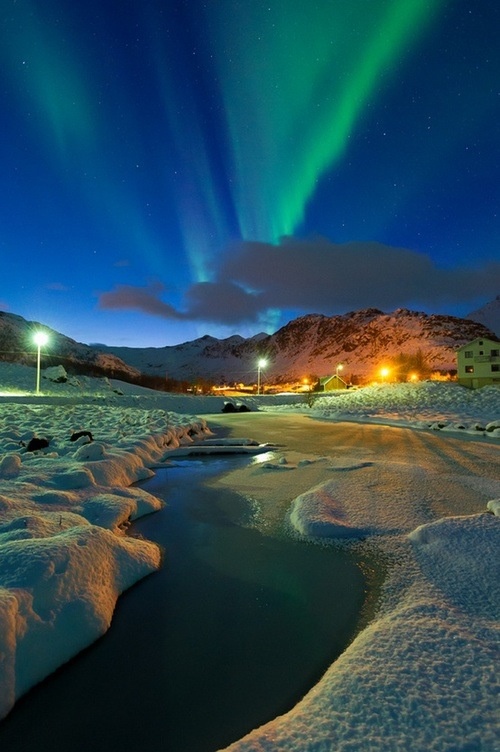
North: Svolvær, Lofoten, and the light
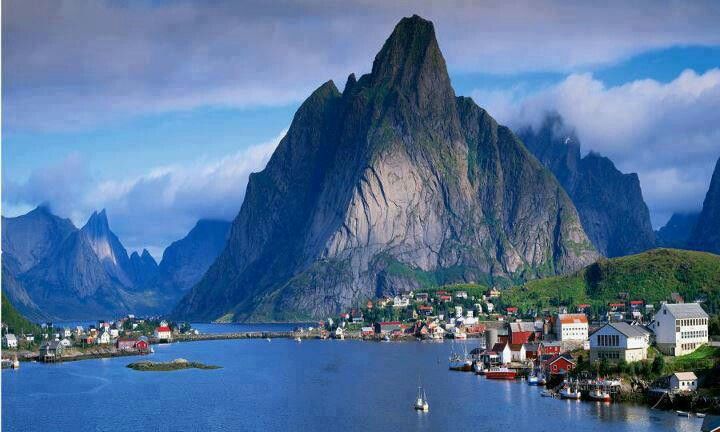
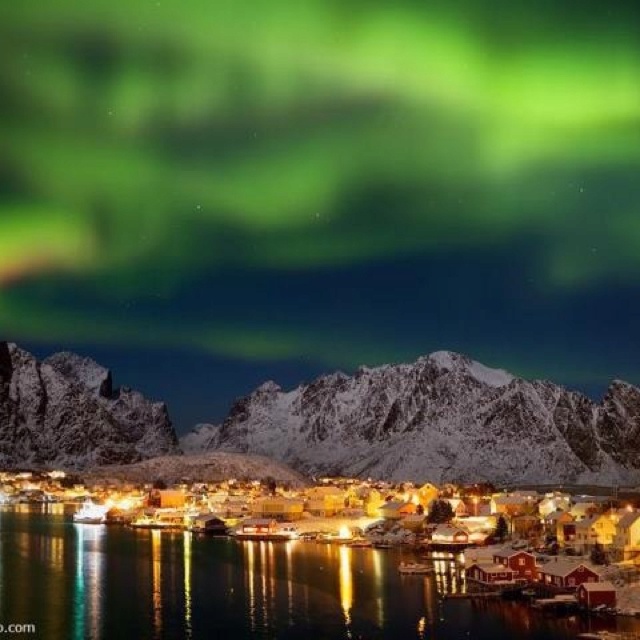
Farther north, the Lofoten Islands rearrange the plot again. Peaks rise straight from the sea; fishing villages cling to harbors; red rorbuer cabins photograph like storybook Norway even when the wind is serious. Svolvær is a practical hub for exploring the archipelago—boat trips, drives between villages, and evenings when the sky stays pale for hours in summer. In winter, darkness and aurora hunting become the draw, with all the humility that weather-dependent travel requires. Stock groceries when you can; distances and opening hours can surprise visitors used to denser cities.
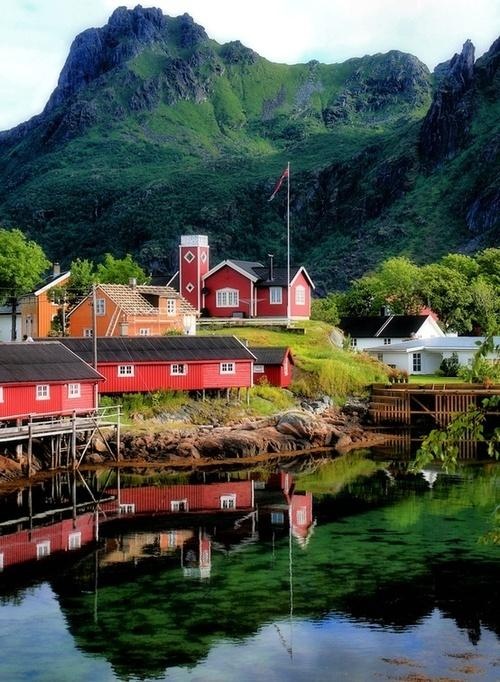
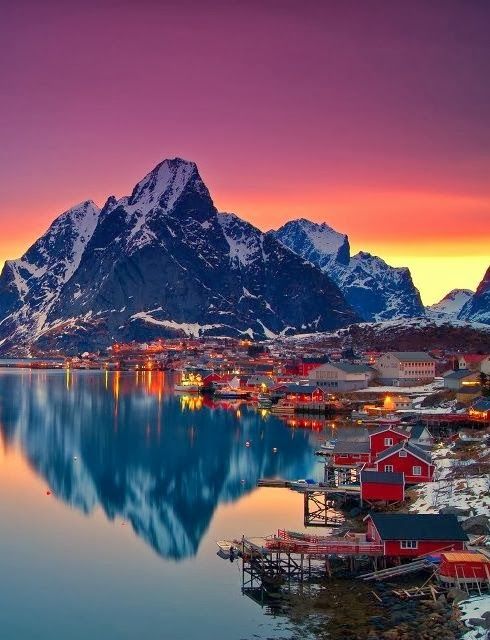
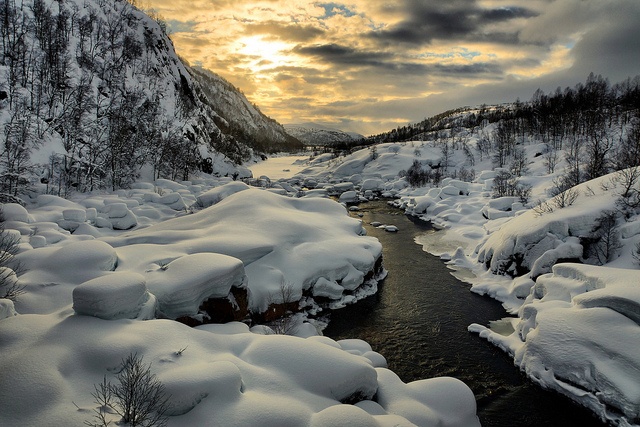
Northern lights are never a guarantee, but they are a fair reason to dream. Clear, dark skies away from town glow help; patience helps more. Pair aurora hopes with daytime landscapes—beaches of pale sand under sharp mountains, drying racks for fish, quiet harbors—so the trip succeeds even if the sky stays cloudy. Cod, king crab when in season, and simple harbor meals keep the north feeling local rather than only scenic. Dress for wind that finds every gap in a jacket; Lofoten beauty and Lofoten weather travel together.
A Norway wish list works best when you pick a spine: fjords of the west, one major hike if fitness allows, and—if time and budget allow—a northern extension to Lofoten or beyond. Budget honestly for food and transport; Norway’s costs are part of the planning, not a surprise to ignore. Then leave room for silence. Some of the best hours are not on any famous rock at all—just a ferry deck, a valley road, and water the color of steel under a moving sky.
Which do you want first under your boots: the flat rock above Lysefjord, the tongue of stone near Odda’s trails, or a Lofoten pier at midnight in June? Norway will wait while you decide—but the light will not wait once you arrive.

Comments
Continue reading
Travel Wish List: Paris for Streets, Culture, and Romance
Seine walks, museum days without burnout, and neighborhood rhythms—why Paris stays on the urban-romance wish list.
Travel Wish List: Kraków’s Square, Wawel, and Old-Town Lanes
Rynek Główny, Wawel Hill, Kazimierz, Planty walks, and dusk on the Cloth Hall—Kraków as a walkable history city, not a spa or volcano itinerary.
Travel Wish List: Mykonos, Heart of the Aegean
Whitewashed Chora, windmills, Little Venice, and Aegean beaches—how to wish-list Mykonos for light, food, and island rhythm.